
The allure of the silver screen has captivated audiences for over a century, offering an escape into narratives larger than life. From silent films to today’s multi-sensory blockbusters, the cinematic experience has continuously evolved. Alongside these transformations, however, the question “how much for movies?” has taken on increasing complexity, moving beyond a simple ticket price to encompass a spectrum of costs, value propositions, and economic considerations. For the modern film enthusiast, understanding the financial landscape of movie consumption is key to maximizing enjoyment without breaking the bank. This exploration delves into the various monetary facets of watching films, from the traditional cinema visit to the burgeoning world of home entertainment, offering insights into budgeting, value, and the broader economic impact of our collective love for movies.
The Dynamic Price Tag of Theatrical Releases
The most iconic way to watch a movie remains the trip to the local cinema. While seemingly straightforward, the cost of this experience is far from static, influenced by a myriad of factors that consumers must navigate.
Deciphering the Standard Ticket Price
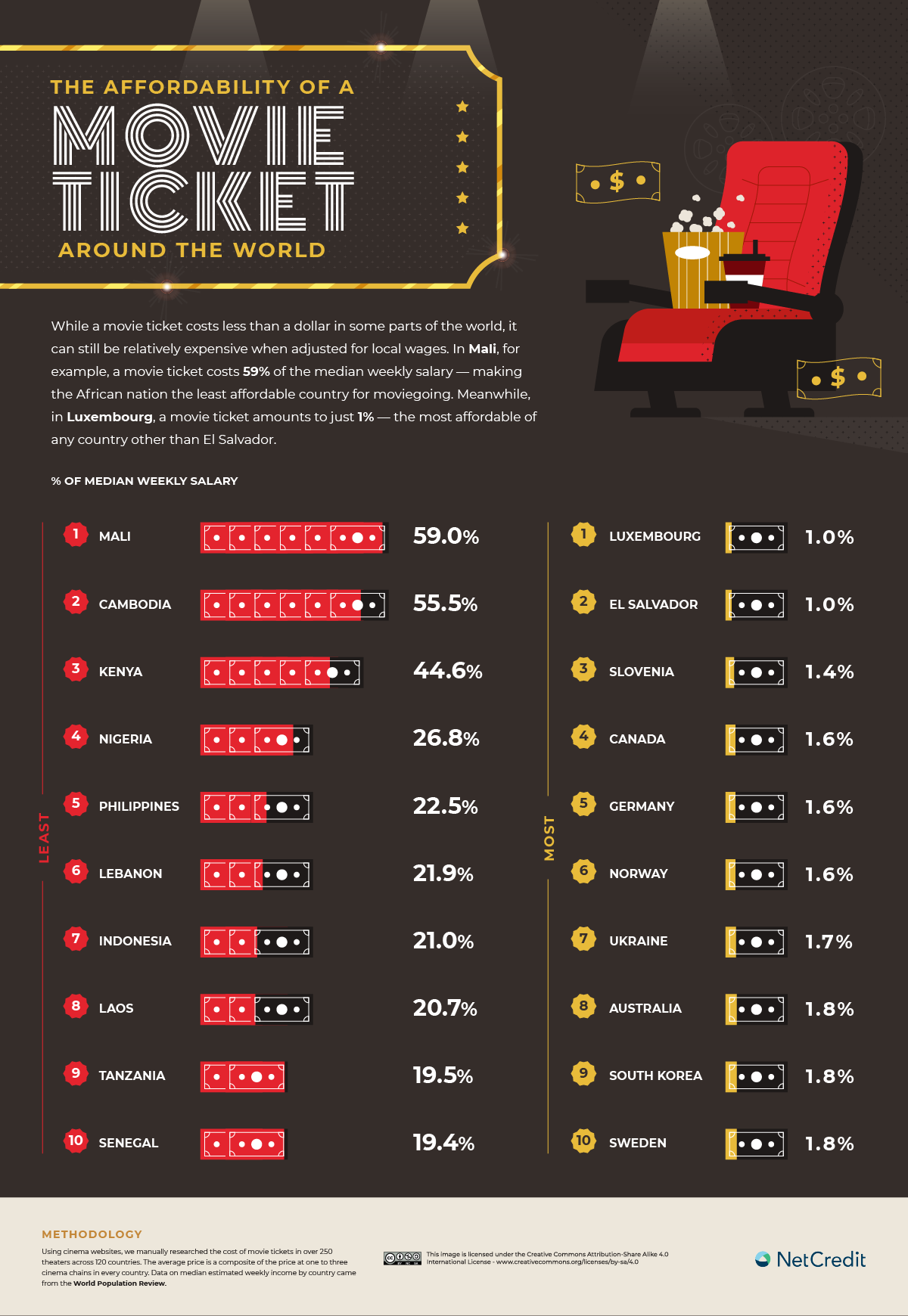
At its core, the price of admission is a direct reflection of market dynamics, operational costs, and the perceived value of the film itself. Movie theater chains factor in rent, utilities, labor, equipment maintenance, and, crucially, the percentage of ticket sales they owe to distributors. Blockbuster films often command slightly higher prices due to their demand and production budgets, while independent or limited-release films might be priced lower to attract niche audiences. Geographically, urban centers typically see higher ticket prices compared to suburban or rural areas, reflecting variations in living costs and competition. Furthermore, adult, child, and senior rates provide basic segmentation, acknowledging different income levels and consumption patterns.
The Premium Experience: IMAX, 3D, and Luxury Seating
Modern cinemas have diversified their offerings to combat the growing competition from home entertainment, leading to the proliferation of premium formats. IMAX, Dolby Cinema, 4DX, and other large-format experiences promise enhanced visuals and audio, immersing viewers more deeply into the film. These come with a significant upcharge, often adding 25-50% or more to the base ticket price. Similarly, the return of 3D, while less prevalent than a decade ago, still commands an additional fee. Beyond technological enhancements, many theaters now offer luxury amenities such as reclining seats, in-seat food and beverage service, and even private viewing rooms. While undeniably comfortable and elevating the experience, these luxury options push the total cost of a single movie outing significantly higher, positioning the cinema visit as more of a premium event than a casual activity.
Beyond the Ticket: Concessions and Ancillary Spending
For most moviegoers, the ticket price is only part of the financial equation. The true cost of a theatrical release often balloons once concessions are factored in. Popcorn, sodas, candies, and hot food items are sold at substantial markups, representing a critical revenue stream for theaters. While patrons understand the convenience and tradition of movie snacks, the cumulative cost can easily rival or even exceed the price of the tickets themselves. Additionally, expenses such as parking fees, transportation costs, and pre- or post-movie dining contribute to the overall expenditure, transforming a simple film viewing into a comprehensive entertainment outing. Strategic spending on concessions, or even choosing to skip them, can significantly impact the total financial outlay.
Geographic and Demographic Price Variations
The price you pay for a movie ticket isn’t uniform across the globe or even within a single country. Regional economic conditions, local competition, and taxation policies all play a role. For instance, a first-run movie in New York City will likely cost more than the same film in a smaller town in the Midwest. Student discounts, military discounts, and special matinee pricing further illustrate how theaters segment their market to attract different demographics during various times. Understanding these variations allows savvy consumers to seek out the best value within their immediate vicinity, perhaps opting for an early show or a specific day of the week when prices are reduced.
The Rise of Home Entertainment: A Cost-Benefit Analysis
The digital revolution has profoundly reshaped how we consume movies, offering an unparalleled array of options that challenge the traditional cinema model. This shift demands a fresh look at the economics of home entertainment, weighing convenience against various pricing structures.
Streaming Subscriptions: The All-You-Can-Watch Buffet
Streaming services like Netflix, Disney+, Max, and Hulu have redefined movie access, offering vast libraries of content for a recurring monthly fee. The appeal lies in the “all-you-can-watch” model, providing seemingly limitless entertainment at a fixed cost. For a family that watches multiple movies and TV shows each month, a streaming subscription can offer exceptional per-view value. However, the true cost adds up when consumers subscribe to multiple services to access exclusive content across different platforms. The phenomenon of “subscription fatigue” arises when individuals find themselves paying for several services, some of which they barely use, turning an initially economical option into a significant monthly expenditure. Analyzing one’s viewing habits and cancelling dormant subscriptions becomes crucial for managing these costs.
Digital Rentals and Purchases: Pay-Per-View Economics
For those who prefer not to commit to monthly subscriptions or who want access to specific new releases not yet on streaming platforms, digital rentals and purchases offer an à la carte approach. Renting a movie typically costs a few dollars for a 48-hour viewing window, providing immediate access without long-term commitment. Purchasing a digital copy, while more expensive, offers indefinite ownership and the flexibility to watch the film whenever desired. This model is particularly attractive for new releases, often appearing on digital platforms weeks or months before they hit subscription services. The cost-effectiveness of this option hinges on how frequently one watches new releases and whether ownership is truly valued over temporary access. For occasional movie watchers, this pay-per-view model might prove more economical than multiple streaming subscriptions.
Physical Media: The Investment in Ownership
In an increasingly digital world, physical media — Blu-rays and 4K Ultra HD discs — continues to hold a niche appeal. While requiring an initial investment in players, these formats offer superior audio and video quality, often surpassing even premium streaming tiers. More importantly, physical media represents true ownership, freeing consumers from the whims of streaming rights and internet connectivity issues. For collectors and cinephiles, investing in physical copies is seen as a long-term asset, providing a permanent library of films. While the upfront cost per title can be higher than a rental or even a subscription month, the infinite rewatchability without additional fees or expiring licenses presents a different kind of value proposition. The secondary market for used discs can also offer cost-effective ways to build a collection.
The Hidden Costs of Staying Home
While seemingly cheaper than a night out at the cinema, home entertainment isn’t without its own set of hidden costs. A robust internet connection, essential for high-quality streaming, is a monthly utility expense. Smart TVs, streaming devices, sound systems, and larger screens represent significant upfront investments designed to replicate a cinematic experience at home. Furthermore, the convenience of home viewing can lead to increased spending on snacks and beverages, potentially mirroring the concession costs of a cinema without the initial ticket price. The electricity consumed by multiple devices and the general wear and tear on home entertainment equipment also contribute, albeit minimally, to the overall financial picture of staying in.
Maximizing Your Movie Budget: Smart Strategies for Film Lovers
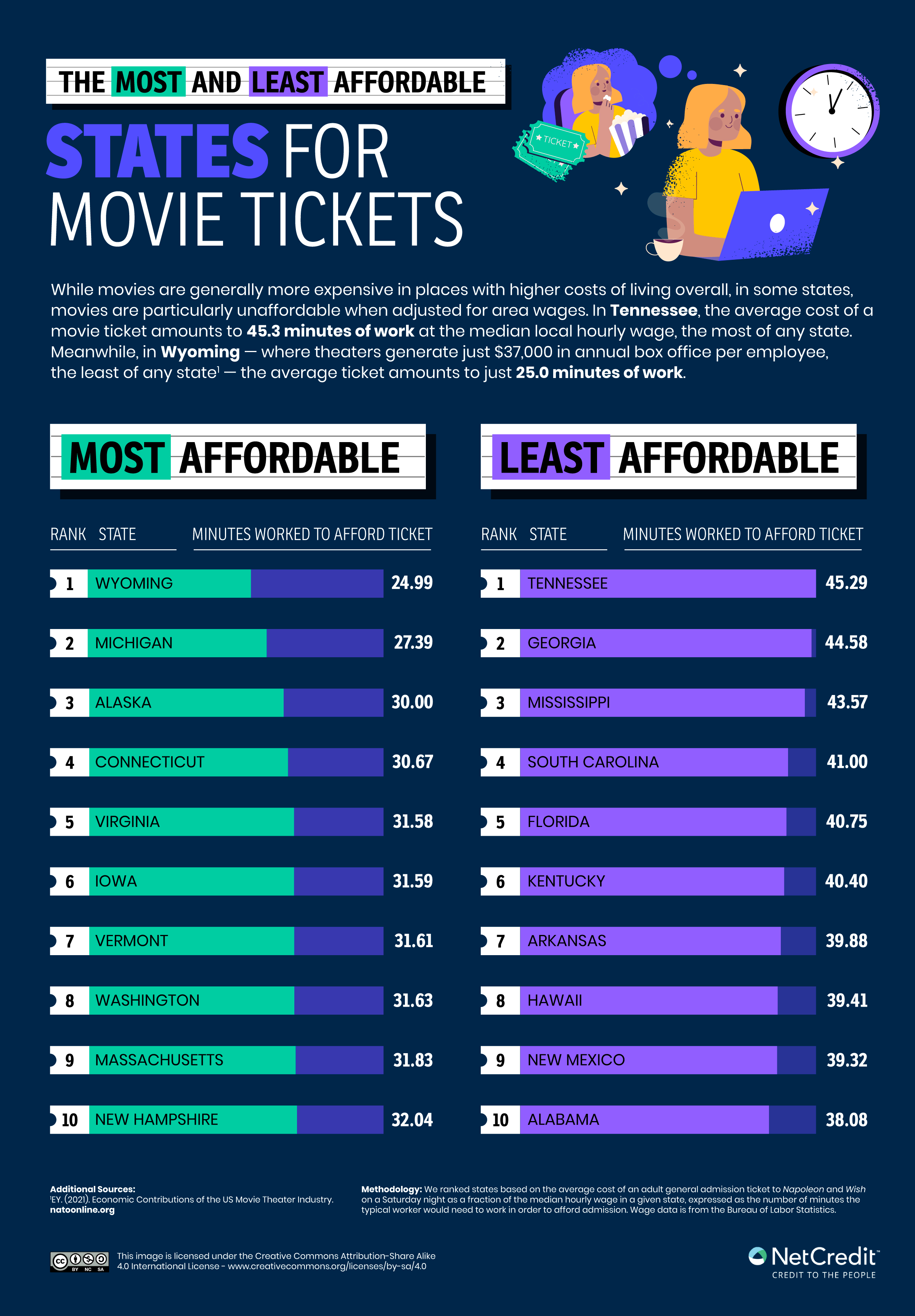
Enjoying movies doesn’t have to be a budget-busting affair. With thoughtful planning and awareness of available options, film enthusiasts can significantly reduce their cinematic expenditures.
Leveraging Loyalty Programs and Matinee Deals
Many major cinema chains offer loyalty programs that reward frequent moviegoers with points that can be redeemed for free tickets, discounted concessions, or exclusive screenings. Signing up for these free programs is a no-brainer for anyone who visits the cinema regularly. Additionally, matinee showings (typically before 5 PM) often come with significantly reduced ticket prices, making them an excellent option for those with flexible schedules. Discount Tuesdays or other specific weekly deals are also common strategies employed by theaters to boost attendance during off-peak times. Researching local theater promotions can yield substantial savings.
Bundling and Family Plans: More Bang for Your Buck
For streaming services, family plans and bundled subscriptions can offer greater value. Some services allow multiple simultaneous streams and user profiles under a single subscription, effectively spreading the cost across several household members. Furthermore, telecommunication companies or other service providers sometimes offer bundles that include popular streaming services at a reduced overall rate. Exploring these options can consolidate entertainment expenses and provide access to a wider range of content more economically than individual subscriptions.
The Power of Patience: Second-Run Theaters and Discount Days
Not every movie needs to be seen on opening weekend. Second-run theaters, often called dollar theaters or discount cinemas, show films a few weeks or months after their initial release at significantly reduced prices. While they might lack the latest amenities, they offer an incredibly cost-effective way to catch up on popular films. Similarly, waiting for movies to become available for digital rental or on subscription streaming services often means paying far less than the initial theatrical or premium video-on-demand (PVOD) price. For non-urgent viewings, patience is a virtue that pays dividends.
DIY Movie Nights: An Economical Alternative
Replicating the movie-going experience at home can be incredibly cost-effective, especially for groups. Projectors, soundbars, and even simple screen setups can transform a living room into a cozy cinema. Potluck-style snack arrangements or homemade popcorn can replace expensive concessions. This approach not only saves money but also offers unparalleled comfort, control over pauses, and the ability to choose from a vast library of films across different platforms without external constraints. It’s an excellent way to enjoy movies as a social event without the premium price tag.
The Broader Economic Impact of Movie Consumption
Beyond individual spending, the cumulative financial decisions of moviegoers ripple through a vast economic ecosystem, from local businesses to global entertainment conglomerates.
Supporting the Industry: From Production to Exhibition
Every dollar spent on a movie, whether a ticket or a subscription, contributes to the complex financial web that sustains the film industry. Ticket sales and streaming revenues directly fund movie studios, allowing them to finance new productions, employ countless artists, technicians, and crew members. The exhibition sector, composed of thousands of cinemas, provides local jobs and contributes to community economies. Concession sales, while often seen as overpriced by consumers, are vital for theaters’ survival, often covering operational costs that ticket sales alone cannot. Our consumption habits, therefore, have a direct impact on the livelihoods of millions and the continued creation of cinematic art.
The Experience Economy: Beyond Pure Entertainment Value
In an increasingly digitized world, the value proposition of a movie extends beyond the film itself. Going to the cinema is an “experience” – a social outing, a date night, a family tradition. This intangible value justifies a premium for many consumers. Similarly, high-end home theater setups contribute to the “experience economy” within the home, making personal spaces more luxurious and entertaining. Understanding this psychological aspect of spending helps explain why consumers are willing to pay more for certain formats or amenities. It’s not just about the movie; it’s about the entire event and the memories created.
Anticipating the Future of Movie Pricing and Access
The landscape of movie consumption is constantly in flux, driven by technological advancements and shifting consumer preferences. Predicting future pricing models and access methods is crucial for both the industry and the economically-minded film lover.
Hybrid Release Models: PVOD and Simultaneous Launches
The COVID-19 pandemic accelerated the adoption of hybrid release models, where new films are made available simultaneously in theaters and on premium video-on-demand (PVOD) services or even directly to streaming platforms. This trend, while debated within the industry, offers consumers more immediate choice and flexibility. The cost of PVOD, often around $19.99-$29.99 for a limited rental window, positions it as a premium home viewing option, more expensive than a single theatrical ticket but potentially cheaper for a family watching together at home. The long-term viability and pricing strategies for these models will continue to evolve, likely settling on a dynamic system that balances theatrical exclusivity with home convenience.
Subscription-Based Cinema: The “MoviePass” Legacy and Beyond
The ill-fated MoviePass experiment demonstrated a powerful consumer appetite for subscription-based cinema access. While MoviePass ultimately failed due to an unsustainable financial model, the concept of a monthly pass for unlimited or discounted theatrical viewings remains compelling. Major theater chains have since launched their own, more financially conservative, subscription plans (e.g., AMC Stubs A-List, Cinemark Movie Club). These programs offer tiered access, allowing subscribers to see a set number of movies per month for a fixed fee, often including discounts on concessions. Such models are likely to become more sophisticated and prevalent, offering predictable spending for frequent moviegoers and encouraging repeat visits to cinemas.

The Evolving Value Proposition: What We’ll Pay For Next
As technology progresses, the concept of “how much for movies” will continue to adapt. Virtual reality (VR) experiences, interactive films, and personalized content delivery systems could introduce entirely new pricing tiers. The future might see more micro-transactions within films, premium ad-free tiers, or even dynamically priced content based on demand and individual viewing history. Consumers will need to remain vigilant, evaluating the true value offered by these new formats against their actual cost. The core question, however, will always remain: what are we willing to pay for a moment of cinematic magic?
In conclusion, the cost of movies is a multi-faceted equation, influenced by where, when, and how we choose to watch. From the traditional grandeur of the cinema to the intimate convenience of home streaming, each option presents a unique set of financial implications. By understanding these dynamics and employing smart budgeting strategies, film lovers can navigate the evolving landscape of cinematic entertainment, ensuring that the joy of movies remains an accessible and cherished part of their lives without unnecessary financial strain.
aViewFromTheCave is a participant in the Amazon Services LLC Associates Program, an affiliate advertising program designed to provide a means for sites to earn advertising fees by advertising and linking to Amazon.com. Amazon, the Amazon logo, AmazonSupply, and the AmazonSupply logo are trademarks of Amazon.com, Inc. or its affiliates. As an Amazon Associate we earn affiliate commissions from qualifying purchases.