
The question “Where is AMC?” transcends a simple geographical query. For many, it immediately conjures images of flashing stock tickers, frenzied online forums, and the dramatic twists and turns of a company that has become synonymous with both the enduring magic of cinema and the volatile power of modern financial markets. In the realm of money and investing, understanding “where AMC is” means dissecting its financial health, market standing, strategic direction, and the unique retail investor phenomenon that has profoundly shaped its recent history. This article delves into the intricate financial landscape of AMC Entertainment Holdings, Inc. (NYSE: AMC), exploring its journey from a beloved cinema chain to a Wall Street enigma, and assessing its current position in the ever-evolving world of personal finance and investment.
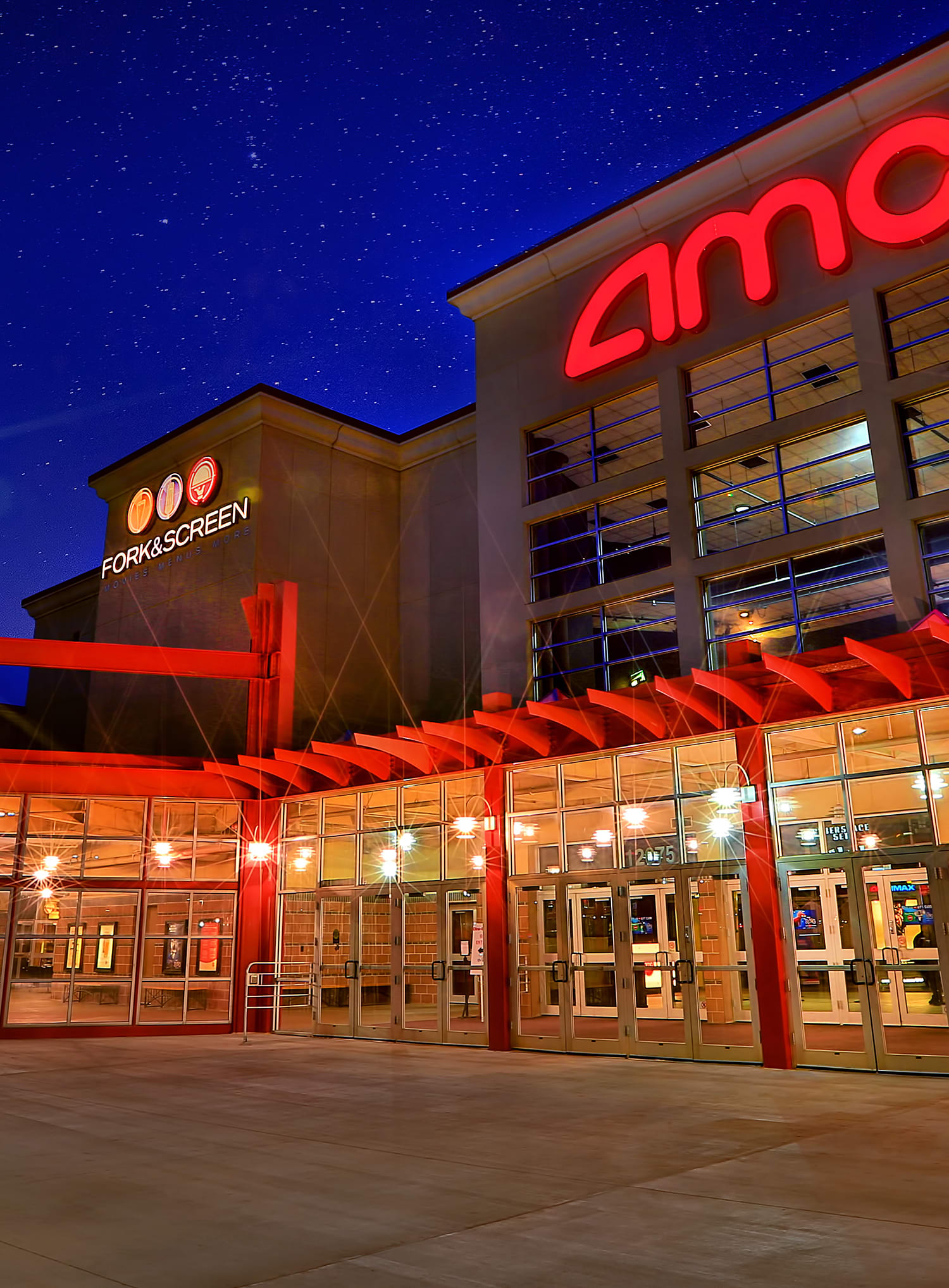
The Legacy and Labyrinth of AMC Entertainment
AMC Entertainment, a name steeped in the history of motion pictures, has navigated over a century of technological shifts, cultural evolutions, and economic upheavals. Its story is a microcosm of the broader entertainment industry, reflecting both its resilience and its vulnerabilities.
A Century of Cinema: From Humble Beginnings to Global Leadership
Founded in 1920 by the Durwood family, AMC (American Multi-Cinema) pioneered the multi-screen theatre concept in the 1960s, revolutionizing how audiences experienced films. Over decades, it grew through organic expansion and strategic acquisitions, including its transformative purchase of Odeon & UCI Cinemas in Europe and Carmike Cinemas in the U.S., cementing its position as the largest movie exhibition company in the world. Pre-pandemic, AMC boasted a vast global footprint, operating thousands of screens across hundreds of locations, serving millions of moviegoers annually. Its business model relied heavily on ticket sales, premium formats like IMAX and Dolby Cinema, and high-margin concession stand revenues. For generations, AMC was not just a place to watch movies; it was an integral part of the social fabric, a reliable cornerstone of the entertainment landscape.
The Pandemic’s Purgatory: A Near-Death Experience
The arrival of the COVID-19 pandemic in early 2020 dealt a devastating blow to the cinema industry, and AMC was at the epicenter of the crisis. Governments worldwide imposed strict lockdowns, forcing theatres to close their doors indefinitely. With zero revenue streams and substantial fixed costs – rent, employee salaries, and debt service – AMC’s financial viability plummeted. The company burned through cash at an alarming rate, accumulating billions in losses. Bankruptcy appeared not just probable, but imminent. Its stock price, once comfortably above $30, plunged to single digits, hovering perilously close to $2 a share. Analysts questioned whether the traditional movie theatre model could survive, and the future of AMC looked bleak, hanging by the thinnest of threads.
The “Meme Stock” Phenomenon: A New Financial Chapter
Just as AMC teetered on the brink, an unprecedented force emerged from the depths of online financial communities, rewriting its narrative and catapulting it into an entirely new chapter of market history.
Rise of the Apes: The Retail Investor Revolution
In late 2020 and early 2021, driven by discussions on platforms like Reddit’s r/WallStreetBets and other social media, a global movement of individual retail investors coalesced around companies heavily shorted by institutional hedge funds. AMC, alongside GameStop, became a prime target for these “apes,” as they proudly called themselves. Their objective was to initiate a “short squeeze” – buying and holding shares to drive up the price, forcing short-sellers to cover their positions, which in turn would create further buying pressure and price surges. This collective action, fueled by a mix of genuine belief in the company’s potential, anti-establishment sentiment, and the thrill of speculative trading, sent AMC’s stock soaring to astronomical heights. From its pandemic lows, AMC’s share price surged by thousands of percent, reaching an intraday high of over $70 in June 2021. This phenomenon fundamentally changed AMC’s immediate trajectory, providing a lifeline it desperately needed.
Capitalizing on Volatility: Strategic Financing and Dilution
The meme stock frenzy, while often chaotic and driven by sentiment rather than fundamentals, presented AMC’s management with a unique opportunity to stave off bankruptcy. Under CEO Adam Aron, the company shrewdly leveraged its inflated stock price. AMC issued new shares into the market through several at-the-market offerings, raising billions of dollars. This massive capital infusion was strategically deployed to reduce its crushing debt load, improve its liquidity, and fund operational improvements. While these share issuances significantly diluted existing shareholders’ equity (meaning each share represented a smaller piece of the company), they were critical in ensuring AMC’s survival. This period highlighted a rare instance where volatile market speculation directly translated into a tangible financial rescue for a distressed company, showcasing the intricate interplay between market sentiment and corporate finance.
Unpacking AMC’s Current Financial Health
Beyond the headlines and the meme stock narrative, a closer look at AMC’s balance sheet and operational performance provides a more grounded understanding of “where it is” financially today.
Balance Sheet & Debt Load: A Lingering Shadow
Despite the capital raised during the meme stock phenomenon, AMC still grapples with a significant debt burden. While the company successfully reduced some high-interest debt, its overall long-term liabilities remain substantial. As of recent filings, AMC carries billions in debt, primarily from pre-pandemic financing and subsequent pandemic-era liquidity measures. This debt servicing requires considerable cash flow, impacting profitability and limiting financial flexibility for future investments. Analysts continually scrutinize AMC’s cash burn rate, its ability to generate sufficient operating cash flow to cover its expenses and debt obligations, and its overall liquidity position. While the immediate threat of bankruptcy has receded, the high debt load remains a persistent challenge, demanding sustained operational improvements and responsible financial management.
Revenue Streams & Diversification: Beyond the Popcorn

AMC’s core business remains theatrical exhibition, generating revenue primarily from ticket sales and concession stand purchases. However, the company has actively explored avenues for diversification and revenue enhancement. This includes premium offerings like private theatre rentals for events, an AMC branded credit card, a significant loyalty program (AMC Stubs), and even a foray into the non-fungible token (NFT) space. Furthermore, the company has sought to optimize its existing assets, for instance, through a strategic investment in Hycroft Mining, though this move was met with mixed reactions and questioned its core focus. The success of these diversification efforts is crucial for AMC to build more resilient revenue streams that can withstand future industry shocks and reduce its sole reliance on the fluctuating movie slate.
Strategic Moves & Future Investments: Enhancing the Experience
To maintain its competitive edge and entice audiences back to cinemas, AMC has continued to invest in the movie-going experience. This includes upgrading its theatres with recliner seating, enhancing food and beverage options, expanding its premium format screens (IMAX, Dolby Cinema, Prime at AMC), and investing in its online ticketing and loyalty platforms. The company has also been at the forefront of advocating for exclusive theatrical windows, recognizing the value of a dedicated period for films to play in cinemas before moving to streaming. These investments are vital for AMC to differentiate itself from at-home entertainment options and justify the cost of a theatre ticket in an increasingly crowded media landscape.
The Road Ahead: Challenges and Opportunities
AMC’s future path is paved with both formidable challenges and significant opportunities as the entertainment industry continues its rapid transformation.
Industry Headwinds: A Shifting Landscape
The cinema industry faces persistent headwinds. The accelerated shift to streaming services, exacerbated by the pandemic, has fundamentally altered consumer viewing habits. Major studios are experimenting with shorter theatrical windows, day-and-date releases (simultaneous theatre and streaming premieres), and direct-to-consumer models, which can potentially erode the exclusivity and appeal of the cinema experience. Furthermore, issues such as Hollywood strikes (writers, actors) can disrupt content pipelines, leading to fewer blockbuster releases and impacting box office performance. AMC must navigate these structural changes while simultaneously competing for discretionary consumer spending in a competitive leisure market.
Recovery & Reimagination: The Return to the Big Screen
Despite the challenges, the theatrical experience has shown resilience. Audiences continue to flock to cinemas for major blockbusters, demonstrating a demand for the communal, immersive experience that only a large screen can provide. AMC’s opportunity lies in capitalizing on this inherent human desire for shared experiences. By focusing on premium formats, enhancing comfort and amenities, and curating compelling content, AMC can reinforce its value proposition. Its recovery depends on a consistent supply of highly anticipated films, effective marketing to draw diverse audiences, and a continued commitment to making the cinema experience a special event rather than just another viewing option.
Investor Sentiment & Market Dynamics: A Continued Balancing Act
The influence of AMC’s retail investor base, while less frenetic than its peak, continues to be a factor in its market dynamics. The company maintains a strong social media presence and often communicates directly with its “apes.” However, for institutional investors and those focused on fundamental analysis, AMC’s long-term viability hinges on consistent profitability, sustainable debt reduction, and a clear path to generating free cash flow. The stock price may continue to be subject to speculative swings, making it a challenging asset for traditional investors to evaluate based solely on its underlying business performance. Managing the expectations of both its passionate retail base and the more conservative institutional market is a delicate balancing act for AMC’s leadership.
Investing in AMC: A Nuanced Perspective
For individuals considering an investment in AMC, understanding its unique position requires a nuanced perspective, balancing its operational realities with its market narrative.
Fundamental vs. Speculative Investment: Risk and Reward
AMC presents a classic case study in the distinction between fundamental and speculative investing. From a fundamental perspective, investors would analyze AMC’s revenue growth, profit margins, debt-to-equity ratio, cash flow, and market share. While the company has shown signs of operational recovery, its profitability often remains challenged by high debt service and a fluctuating content pipeline. Its valuation can appear stretched when compared to traditional industry metrics.
Conversely, speculative investors might focus on market sentiment, short interest levels, and potential for further short squeezes or gamma squeezes, viewing AMC as a vehicle for short-term gains driven by market dynamics rather than underlying business performance. Both approaches carry distinct risks and potential rewards. Fundamental investors face the risk of a mispriced stock, while speculative investors face high volatility and the potential for rapid capital loss.
Long-Term Viability: Adapt, Innovate, Thrive
The long-term viability of AMC depends on its ability to adapt and innovate in a rapidly changing entertainment landscape. This includes successfully managing its debt, consistently delivering profitable quarters, and evolving its business model to meet new consumer demands. Can AMC redefine the cinema experience, making it indispensable in an age of abundant at-home entertainment? Can it continue to leverage its brand recognition and vast physical footprint to create new revenue streams? The answers to these questions will ultimately determine “where AMC is” in the coming years – not just as a stock, but as a sustainable and thriving enterprise.
In conclusion, “where is AMC?” is a multi-faceted question. It is a story of a centenarian company pushed to the brink, rescued by an unlikely market phenomenon, and now fighting to redefine its financial future in a challenging industry. For investors, it represents a complex interplay of traditional business fundamentals, unprecedented market dynamics, and the enduring human desire for shared cinematic experiences. Its current “whereabouts” are a testament to resilience, an ongoing financial tightrope walk, and a captivating saga within the annals of modern investing.
aViewFromTheCave is a participant in the Amazon Services LLC Associates Program, an affiliate advertising program designed to provide a means for sites to earn advertising fees by advertising and linking to Amazon.com. Amazon, the Amazon logo, AmazonSupply, and the AmazonSupply logo are trademarks of Amazon.com, Inc. or its affiliates. As an Amazon Associate we earn affiliate commissions from qualifying purchases.