
The allure of a brand-new car, with its pristine interior, advanced features, and that unmistakable “new car smell,” is a powerful one. For many, it represents freedom, convenience, and a significant life milestone. However, beneath the gleaming paint and tempting marketing lies a complex financial decision that extends far beyond the sticker price: the interest rate on your car loan. Understanding what new car interest rates are, how they are determined, and how to secure the most favorable terms is paramount to making an informed and financially sound purchase. This guide delves deep into the world of new car financing, empowering you with the knowledge to navigate this crucial aspect of vehicle ownership.

Understanding the Fundamentals of Car Loan Interest Rates
Before you even step onto a dealership lot, a foundational understanding of interest rates is essential. This knowledge forms the bedrock of a smart car-buying strategy, ensuring you don’t overpay for the privilege of driving off in your dream car.
What is an Interest Rate?
In the simplest terms, an interest rate is the cost of borrowing money. When you take out a car loan, a lender provides you with the funds to purchase the vehicle, and in return, you agree to pay back the principal amount (the money borrowed) plus an additional percentage – the interest. This interest is the lender’s profit for extending you credit.
For car loans, this cost is typically expressed as an Annual Percentage Rate (APR). The APR is more comprehensive than a simple interest rate as it includes not only the interest charged but also any other fees associated with the loan, such as origination fees. A higher APR means you’ll pay more over the life of the loan, increasing both your monthly payments and the total cost of the vehicle. Conversely, a lower APR translates to lower monthly payments and significant savings over time. It’s crucial to focus on the APR when comparing loan offers, as it provides the most accurate reflection of the total borrowing cost.
Key Factors Influencing Your Interest Rate
Several interconnected factors converge to determine the interest rate you’ll be offered for a new car loan. Being aware of these elements allows you to strategically position yourself for the best possible terms.
-
Credit Score: Without a doubt, your credit score is the single most influential factor. Lenders use this three-digit number to assess your creditworthiness and the likelihood of you repaying your loan. Generally, individuals with excellent credit scores (typically 720+) receive the lowest interest rates, as they are considered low-risk borrowers. Those with good credit (660-719) will see slightly higher rates, while fair (600-659) or poor credit (<600) can result in significantly higher, sometimes prohibitive, rates. Improving your credit score before applying for a loan can save you thousands of dollars.
-
Loan Term (Length of the Loan): This refers to the duration over which you agree to repay the loan, typically expressed in months (e.g., 36, 48, 60, 72, or even 84 months). Shorter loan terms usually come with lower interest rates because the lender’s risk is reduced over a shorter period. However, shorter terms mean higher monthly payments. Longer terms, while offering lower monthly payments, typically carry higher interest rates and result in paying much more interest over the life of the loan.
-
Loan Amount: The total amount you borrow impacts the lender’s risk assessment. While not as direct a factor on the rate itself as credit score, a larger principal amount will inherently lead to more interest paid over time, even with the same interest rate.
-
Down Payment: A larger down payment reduces the amount you need to borrow, which in turn lowers your loan-to-value (LTV) ratio. A lower LTV ratio signals less risk to lenders, potentially qualifying you for a lower interest rate. It also immediately reduces the total interest you’ll pay simply by decreasing the principal.
-
Current Market Rates (Economic Conditions): The broader economic environment plays a significant role. The Federal Reserve’s monetary policy, inflation rates, and the general cost of borrowing for financial institutions directly influence the interest rates they offer consumers. When the Fed raises its benchmark rates, consumer loan rates generally follow suit.
-
Lender Type: Different types of lenders have different risk appetites and business models. Banks, credit unions, dealership financing (often through captive finance companies like Toyota Financial Services or Ford Credit), and online lenders all offer varying rates. Shopping around with multiple lender types is crucial for finding the most competitive offer.
-
Vehicle Type (New vs. Used): While our focus is new cars, it’s worth noting that new car loans generally carry lower interest rates than used car loans. This is because new cars typically have higher resale value, making them less risky collateral for lenders.
Navigating the Current Landscape of New Car Interest Rates
The financial landscape for car loans is dynamic, constantly shifting with economic winds. Understanding the forces at play helps set realistic expectations and informs your negotiation strategy.
The Impact of Economic Conditions
The interest rate environment is heavily influenced by macroeconomic factors. The Federal Reserve’s decisions on the federal funds rate, for example, have a ripple effect across the entire financial system. When the Fed raises rates to combat inflation, borrowing costs for banks increase, which they then pass on to consumers in the form of higher loan rates. Conversely, during periods of economic slowdown, the Fed might lower rates to stimulate borrowing and spending.
Beyond central bank policy, broader inflationary pressures can also lead to higher interest rates as lenders seek to maintain the real value of their returns. Furthermore, supply and demand dynamics in the automotive industry itself can indirectly influence rates. For instance, during periods of low inventory (like those experienced due to chip shortages), dealerships may be less incentivized to offer aggressive financing deals, as demand already outstrips supply. When inventory levels are high, manufacturers and dealerships might offer promotional low-interest rates to move vehicles.
Average New Car Interest Rates (General Ranges)
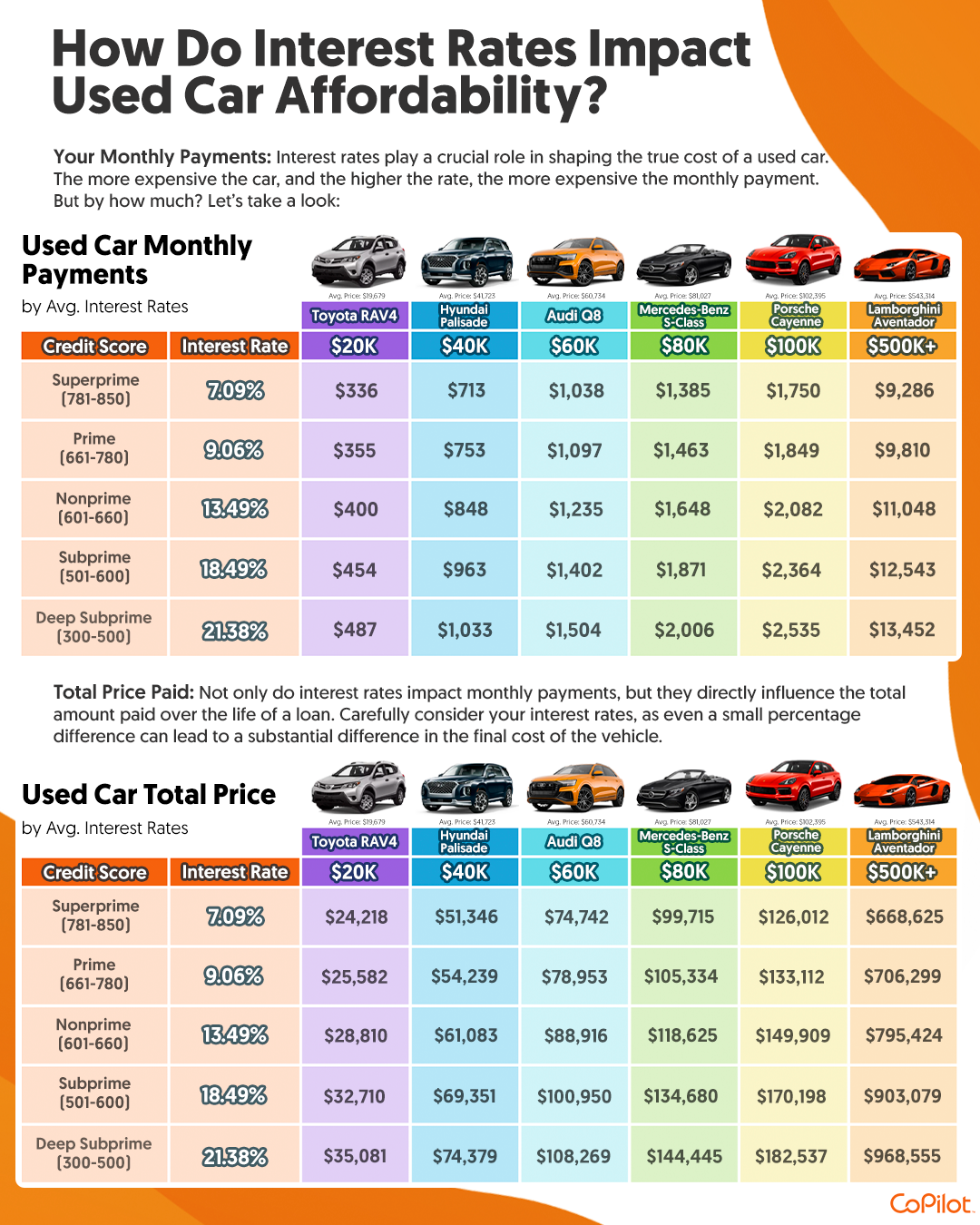
It’s challenging to quote a single “average” new car interest rate because, as discussed, rates vary so widely based on individual creditworthiness and prevailing market conditions. However, we can provide general ranges to give you a benchmark (as of late 2023/early 2024, subject to change):
- Excellent Credit (720+): 5% – 7% APR
- Good Credit (660-719): 7% – 9% APR
- Average Credit (600-659): 9% – 12% APR
- Poor Credit (<600): 12% APR and higher
It’s important to remember these are broad estimates. Special manufacturer financing offers, such as 0% APR for qualified buyers, can significantly skew these averages. These promotional rates are typically offered for shorter loan terms (e.g., 36 or 48 months) to buyers with impeccable credit. While tempting, carefully evaluate such offers; sometimes, choosing a lower interest rate from an external lender and negotiating a better car price can save you more overall than accepting 0% APR at a non-negotiable sticker price.
The Role of Dealerships vs. External Lenders
Where you obtain your loan can significantly impact the rate and terms you receive.
-
Dealership Financing: This offers convenience, as you can often complete the loan application and vehicle purchase in one place. Dealerships work with various lenders, including “captive finance companies” (e.g., Honda Financial Services, BMW Financial Services) owned by the car manufacturers. These captives often provide attractive rates, especially for promotional offers, to encourage sales of their brands. However, beware of potential markups; the dealership might get a cut by offering you a slightly higher rate than what you might qualify for elsewhere.
-
Banks and Credit Unions: Traditional banks and local credit unions are excellent sources for car loans. Credit unions, in particular, are member-owned and often boast highly competitive interest rates and personalized service. They are often a good starting point for pre-approval.
-
Online Lenders: The rise of online lending platforms has made comparing loan offers easier than ever. Companies like Capital One Auto Finance, LightStream, and others allow you to get pre-approved quickly from multiple lenders, often with competitive rates and without impacting your credit score initially (using a “soft” credit pull).
Strategies to Secure the Best Possible Interest Rate
Armed with an understanding of how interest rates work, you can employ several strategies to optimize your chances of securing the lowest possible rate on your new car loan.
Boosting Your Credit Score
This is perhaps the most impactful long-term strategy. Before you even think about buying a car, dedicate time to improving your credit health. This involves:
- Paying all bills on time, every time: Payment history is the biggest factor in your credit score.
- Reducing existing debt: Especially revolving credit like credit cards, aim to keep utilization below 30% of your credit limit.
- Checking your credit report for errors: Disputing and correcting inaccuracies can boost your score.
- Avoiding opening new credit accounts just before applying for a car loan, as this can temporarily lower your score.
A few months of focused effort can significantly improve your score and translate into substantial savings on your car loan.
The Power of Pre-Approval
Getting pre-approved for a car loan before you visit a dealership is arguably the single most powerful tool in your car-buying arsenal. Here’s why:
- Sets a clear budget: You know exactly how much you can afford to borrow, keeping you from falling in love with a car outside your financial reach.
- Gives you leverage: With a pre-approval in hand, you walk into the dealership as a cash buyer, free from needing their financing. This allows you to negotiate the car’s price more aggressively, separating the car purchase from the financing discussion.
- Benchmark for comparison: Your pre-approved rate serves as a baseline. The dealership might try to beat it, but if they can’t, you always have your external offer to fall back on.
Shop for pre-approvals from multiple banks, credit unions, and online lenders within a short timeframe (typically 14-45 days) to minimize the impact on your credit score, as multiple inquiries for the same type of loan are usually treated as a single credit pull.
Making a Substantial Down Payment
As discussed, a larger down payment reduces the amount you need to borrow and lowers the lender’s risk. Aim for at least 10-20% of the vehicle’s price if possible. Even a modest down payment can make a difference. Beyond potentially lowering your interest rate, a significant down payment also reduces your monthly payments and lessens the risk of being “upside down” on your loan (owing more than the car is worth) early in the ownership period due to depreciation.
Optimizing Your Loan Term
While lower monthly payments are appealing, extending your loan term significantly can drastically increase the total interest you pay. Consider this trade-off carefully.
- Shorter terms (36-48 months): Typically offer lower interest rates and result in less interest paid overall, but have higher monthly payments.
- Medium terms (60 months): Often a good compromise, balancing manageable monthly payments with a reasonable total interest cost.
- Longer terms (72-84 months): While monthly payments are lowest, these terms carry higher interest rates and mean you pay significantly more interest over the life of the loan. You also risk driving an older, potentially less reliable car while still making payments.
Choose the shortest loan term that you can comfortably afford, ensuring your monthly payments don’t strain your budget.
Negotiating Beyond the Sticker Price
Remember that everything is negotiable, including the interest rate, especially when dealing with dealership financing. If you have a pre-approval, show it to the dealership and ask if they can beat it. If they can’t, you can proceed with your external financing. Be wary of “four-square” financing tactics where dealerships try to lump the car price, trade-in value, down payment, and monthly payment all together, making it hard to see where the real savings or losses are. Always negotiate each element separately.
Beyond the Rate: Hidden Costs and Smart Considerations
While the interest rate is a critical component, a truly smart car purchase requires looking at the broader financial picture.
The True Cost of Ownership
Don’t let a low interest rate distract you from the full financial commitment. The total cost of owning a new car extends far beyond your monthly loan payment. Factor in:
- Insurance: New, expensive cars often come with higher insurance premiums. Get quotes before you buy.
- Maintenance: While new cars typically come with warranties, routine maintenance (oil changes, tire rotations) is still required.
- Fuel: Consider the car’s fuel efficiency and your typical driving habits.
- Depreciation: New cars lose a significant portion of their value the moment they’re driven off the lot. While not an out-of-pocket cost, it impacts your financial position if you decide to sell or trade in the car.
Beware of Add-ons and Extras
Dealerships often push various add-ons and extras during the financing process, such as extended warranties, GAP insurance, paint protection, fabric protection, and service packages. While some might offer value, many are highly profitable for the dealership and can significantly inflate your loan amount, meaning you pay interest on them as well. Evaluate each add-on critically:
- Do I truly need this?
- Can I get it cheaper elsewhere (e.g., GAP insurance from your primary auto insurer)?
- What is the real benefit versus the cost?
Resist pressure to include items you don’t fully understand or believe are unnecessary.
Refinancing Options
Life circumstances and market conditions can change. If interest rates drop significantly after you’ve purchased your car, or if your credit score has substantially improved, you might be a candidate for refinancing. Refinancing involves taking out a new loan to pay off your existing car loan, ideally at a lower interest rate or with more favorable terms. This can lead to lower monthly payments or substantial savings over the remaining life of the loan. It’s always worth periodically checking current rates, especially if your financial situation has improved since your initial purchase.

Conclusion
The decision to purchase a new car is exciting, but it’s also one of the largest financial commitments most people make after a home. Understanding “what are new car interest rates” and the myriad factors that influence them is not just about saving money; it’s about making an informed choice that aligns with your financial goals. By focusing on your credit health, securing pre-approvals, making a solid down payment, optimizing your loan term, and negotiating smartly, you can significantly reduce the total cost of your vehicle. Remember, knowledge is power in the car-buying process. Do your homework, compare offers, and approach your next car purchase with confidence and a clear financial strategy.
aViewFromTheCave is a participant in the Amazon Services LLC Associates Program, an affiliate advertising program designed to provide a means for sites to earn advertising fees by advertising and linking to Amazon.com. Amazon, the Amazon logo, AmazonSupply, and the AmazonSupply logo are trademarks of Amazon.com, Inc. or its affiliates. As an Amazon Associate we earn affiliate commissions from qualifying purchases.