
For many, purchasing a car represents one of the most significant financial decisions they’ll make after buying a home. It’s a blend of necessity, aspiration, and a substantial commitment that profoundly impacts personal finances. While the allure of a shiny new vehicle or the promise of improved reliability from an upgrade is strong, the critical question isn’t just “What car do I want?” but rather, “How much car payment can I truly afford?” This article delves into the intricacies of car payments, moving beyond the simple monthly figure to uncover the full financial picture, helping you make an informed decision that supports, rather than strains, your financial health.

The monthly car payment is just the tip of the iceberg. A responsible approach requires a comprehensive understanding of all associated costs, an honest assessment of your financial standing, and strategic planning. Ignoring these factors can lead to financial stress, impacting your ability to save, invest, and achieve broader financial goals. By breaking down the components of a car payment and exploring the broader costs of ownership, we aim to equip you with the knowledge to approach car buying with confidence and financial prudence.
The Fundamentals of Calculating Your Car Payment
Understanding how your monthly car payment is determined is the first crucial step toward financial literacy in car buying. It’s not just a number pulled out of thin air; it’s a direct result of several key financial variables.
Understanding the Key Variables
At its core, a car payment is essentially a loan repayment, calculated much like a mortgage or any other installment loan. The primary factors influencing this figure are:
- Vehicle Price: This is the negotiated selling price of the car. Remember, the Manufacturer’s Suggested Retail Price (MSRP) is just a starting point; savvy negotiation can significantly reduce this foundational cost. Every dollar knocked off the vehicle’s price directly translates to a lower loan principal and thus a lower monthly payment and total interest paid.
- Down Payment: The amount of money you pay upfront reduces the principal amount you need to borrow. A larger down payment leads to a smaller loan, which in turn means lower monthly payments and less interest accumulated over the life of the loan. This is one of the most powerful levers you have to control your payment.
- Trade-in Value: If you’re trading in an existing vehicle, its value is typically applied directly to the purchase price, effectively acting like an additional down payment. Understanding your car’s true trade-in value before stepping into a dealership can strengthen your negotiation position.
- Loan Term (Length of Loan): This refers to the duration over which you will repay the loan, typically expressed in months (e.g., 36, 48, 60, 72, or even 84 months). A longer loan term results in lower monthly payments because the principal is spread out over more installments. However, this convenience comes at a significant cost: you’ll pay much more in total interest over the life of the loan. Conversely, a shorter term means higher monthly payments but substantially less total interest.
- Interest Rate (APR): The Annual Percentage Rate (APR) is the cost of borrowing money, expressed as a percentage. This rate is heavily influenced by your credit score, market conditions, and the loan term. A lower interest rate means a smaller portion of your monthly payment goes towards interest, allowing more to be applied to the principal, thus reducing the total cost of the loan.
- Sales Tax and Fees: Don’t forget these additional costs. Sales tax (which varies by state) is typically applied to the vehicle’s purchase price. Beyond that, there are often various dealer fees, registration fees, and title fees that can add hundreds or even thousands of dollars to the total amount financed, or must be paid out-of-pocket at the time of purchase.
The Monthly Payment Formula (and Why Calculators Are Easier)
While a complex formula exists to calculate loan payments, involving principal, interest rate, and number of payments, most individuals find it far more practical and efficient to use online car payment calculators. These tools allow you to input the variables mentioned above and instantly see how different scenarios impact your monthly payment. Experimenting with different down payments, loan terms, and potential interest rates can quickly illuminate the financial implications of your choices. It’s an invaluable tool for pre-purchase planning, allowing you to tailor your expectations and budget before engaging with a salesperson.
Beyond the Monthly Payment: The True Cost of Car Ownership
Focusing solely on the monthly car payment is a common pitfall that can lead to significant financial surprises. A truly responsible approach to car ownership demands considering the total cost of ownership, which extends far beyond the loan repayment itself. Ignoring these auxiliary costs can derail your budget and diminish the joy of your new vehicle.
Insurance Premiums
Car insurance is a mandatory and often substantial ongoing expense. The cost of insurance varies dramatically based on numerous factors: the make and model of the car (luxury and high-performance vehicles typically cost more to insure), your driving record, age, location, credit score, and chosen coverage levels. It’s critical to get insurance quotes for specific vehicles before you commit to a purchase, as a car that seems affordable on paper might become prohibitively expensive once insurance is factored in.
Fuel Costs
Unless you’re opting for an electric vehicle with home charging, fuel will be a regular and significant expenditure. Consider the car’s fuel efficiency (miles per gallon or MPG) and your typical driving habits. A daily commute in an SUV with poor MPG will cost significantly more over time than the same commute in a compact, fuel-efficient sedan. Fluctuations in gas prices can also impact your budget unpredictably.
Maintenance and Repairs
Every car, new or used, requires ongoing maintenance. This includes routine services like oil changes, tire rotations, brake inspections, and scheduled tune-ups. Newer cars come with warranty coverage, but preventative maintenance is still your responsibility. As cars age, the likelihood and cost of repairs increase. Budgeting for unexpected repairs – a new set of tires, battery replacement, or major mechanical fixes – is crucial. A common rule of thumb is to set aside 1-2% of the car’s purchase price annually for maintenance and repairs, or even more for older vehicles.
Registration and Licensing Fees
These are annual or biennial fees mandated by your state or local government to keep your vehicle legally registered and on the road. The cost often depends on the vehicle’s value, weight, or age. While not typically a large sum, it’s a recurring expense that needs to be factored into your long-term budget.
Depreciation
Often called the “hidden cost,” depreciation is the loss of a vehicle’s value over time. New cars notoriously lose a significant portion of their value the moment they’re driven off the lot, and continue to depreciate rapidly for the first few years. While you don’t write a check for depreciation, it’s a real financial cost that impacts your equity in the vehicle and its resale value down the line. Understanding depreciation helps in making smarter purchasing decisions, especially if you plan to sell or trade in the car within a few years.
Opportunity Cost
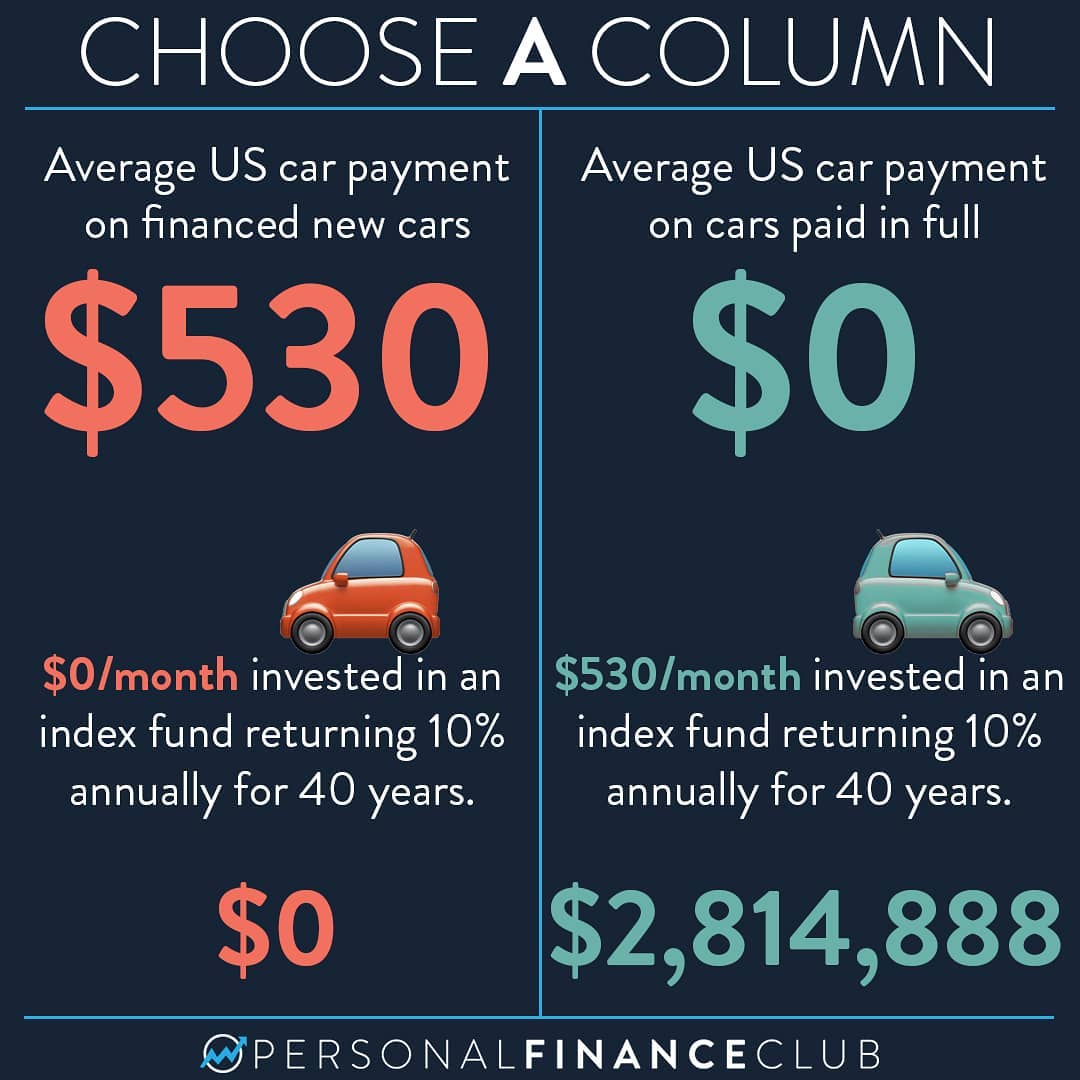
Every dollar spent on a car payment and its associated costs is a dollar that cannot be used for other financial goals. This is the opportunity cost. Could that money be better invested for retirement, used to pay down high-interest debt, or saved for a down payment on a home? Weighing the immediate gratification and utility of a specific vehicle against these alternative uses of your capital is a fundamental aspect of sound personal finance.
Determining Your Affordability Threshold
Once you understand the variables that make up a car payment and the total cost of ownership, the next step is to realistically assess what you can actually afford without jeopardizing your broader financial stability. This isn’t about what a lender approves you for, but what your budget can comfortably accommodate.
The 20/4/10 Rule (and Its Limitations)
A widely cited guideline in personal finance for car buying is the “20/4/10 Rule”:
- 20% Down Payment: Aim for at least 20% of the vehicle’s purchase price as a down payment. This reduces your loan amount, builds immediate equity, and helps avoid being “upside down” (owing more than the car is worth) early in the loan term.
- 4-Year Loan Term: Keep your loan term to a maximum of four years (48 months). This minimizes the total interest paid and ensures you’re not paying for a depreciating asset long after its prime.
- 10% of Gross Income: Ensure that your total monthly car expenses (car payment plus insurance) do not exceed 10% of your gross (pre-tax) monthly income. This guideline helps ensure car costs don’t consume too large a portion of your overall budget, leaving room for other essential expenses and savings.
While the 20/4/10 rule offers a solid benchmark for financial health, it’s a guideline, not an unbreakable law. Your individual financial situation, including your debt-to-income ratio, savings, and other financial goals, might necessitate adjustments. Someone with very low housing costs or no other debt might comfortably exceed the 10% rule, while someone with significant student loan debt might need to aim lower.
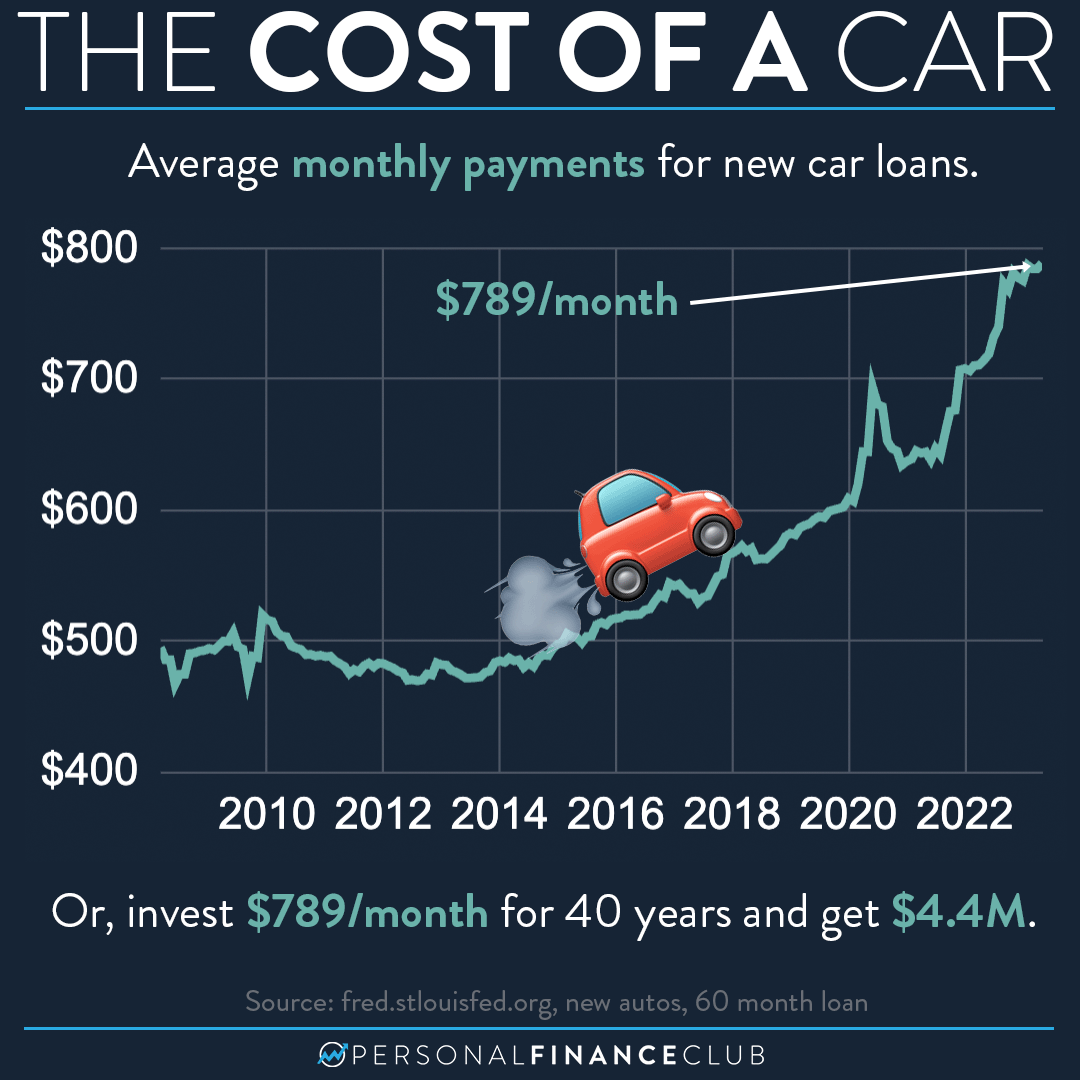
Budgeting for a Car Payment
The most accurate way to determine your affordability is through meticulous budgeting.
- Analyze Your Current Income and Expenses: Start by creating a detailed budget of your current monthly income and all expenditures. Where does your money go? Distinguish between fixed expenses (rent/mortgage, utilities) and variable expenses (groceries, entertainment).
- Identify Areas to Cut Back: Can you reduce discretionary spending to free up funds for a car payment? Or is your budget already stretched thin? An honest assessment here is crucial.
- Create a Buffer for Unexpected Costs: Beyond the car payment and insurance, factor in a buffer for fuel, maintenance, and potential repairs. Don’t let your car budget be so tight that an unexpected oil change or flat tire throws you into financial disarray. Use a “zero-based” budgeting approach or allocate specific funds for car-related emergencies.
The Importance of Your Credit Score
Your credit score is a powerful determinant of the interest rate you’ll be offered on a car loan. Lenders use it to assess your creditworthiness and the risk associated with lending you money.
- Impact on Interest Rates: A high credit score (typically 700+) can qualify you for the lowest available interest rates, saving you thousands of dollars over the life of the loan. Conversely, a low score means higher interest rates, significantly increasing your monthly payment and total cost.
- Steps to Improve It: Before applying for a car loan, review your credit report for errors. Focus on paying bills on time, reducing outstanding debt (especially credit card balances), and avoiding opening new lines of credit. Even a slight improvement in your score can yield substantial savings.
Smart Strategies for a Lower Car Payment (and Total Cost)
Armed with an understanding of car payment mechanics and your personal affordability, you can employ several strategies to actively reduce both your monthly payment and the total cost of car ownership. These tactics put you in the driver’s seat of your financial future.
Maximizing Your Down Payment
This is perhaps the single most effective strategy. The more cash you put down upfront, the less you have to borrow. A smaller principal loan amount directly translates to lower monthly payments and significantly less interest paid over the loan term. If you can only afford a small down payment, consider saving longer or opting for a less expensive vehicle.
Improving Your Credit Score
As discussed, a strong credit score is your ticket to lower interest rates. Dedicate time to improving your credit health before applying for a loan. Even a few percentage points off your APR can save you hundreds, if not thousands, of dollars over a typical car loan term, directly impacting your monthly outflow.
Negotiating the Vehicle Price
Never pay the sticker price. Dealers often have significant room to negotiate. Research the market value of the car you’re interested in using resources like Kelley Blue Book or Edmunds. Be prepared to walk away if the deal isn’t right. Remember, the transaction isn’t just about the monthly payment; it’s about the total purchase price of the vehicle itself. A lower purchase price means a smaller loan from the outset.
Shopping for the Best Loan Terms
Don’t automatically accept the financing offered by the dealership. Get pre-approved for a loan from multiple banks, credit unions, and online lenders before you visit the dealership. This not only gives you a benchmark interest rate but also empowers you to negotiate confidently, often leveraging outside offers against the dealer’s financing options. Compare APRs, loan terms, and any associated fees.
Considering a Shorter Loan Term
While longer loan terms offer lower monthly payments, they come with a hefty price tag in the form of increased total interest. If your budget allows, opt for the shortest loan term you can comfortably afford. This strategy accelerates your debt repayment, reduces the total cost of the loan, and gets you to an equity position faster.
Buying Used vs. New
The immediate depreciation of a new car is a significant financial burden. Buying a certified pre-owned (CPO) or a well-maintained used car that is a few years old can dramatically reduce your purchase price and, consequently, your car payment. You let the original owner absorb the initial depreciation, often acquiring a vehicle that’s still reliable and modern but at a much lower cost.
Leasing vs. Buying
While this article primarily focuses on buying, it’s worth a brief mention. Leasing typically results in lower monthly payments compared to buying a new car, as you’re only paying for the depreciation during the lease term, plus interest and fees. However, leasing means you never own the asset, usually comes with mileage restrictions, and can incur fees for excess wear and tear. Financially, it’s generally more expensive in the long run if your goal is permanent ownership, but it can be suitable for those who prioritize driving a new car every few years with lower upfront costs.
Tools and Resources for Car Payment Planning
In today’s digital age, a wealth of financial tools and resources are available to help you navigate the complexities of car payment planning. Leveraging these effectively can make the difference between a savvy purchase and a regrettable one.
Online Car Payment Calculators
These ubiquitous tools are indispensable. Websites of banks, credit unions, car manufacturers, and financial planning sites all offer them. Input various scenarios—different down payments, loan terms, and assumed interest rates—to understand their impact on your monthly payment. This allows you to set realistic expectations and find a payment that aligns with your budget before you even step foot in a dealership.
Budgeting Apps and Spreadsheets
To truly understand what you can afford, you need to track your income and expenses diligently. Budgeting apps (like Mint, YNAB, Personal Capital) or even a simple spreadsheet can help you visualize your cash flow, identify areas where you can cut back, and allocate funds specifically for car-related expenses. This proactive approach ensures your new car fits comfortably within your overall financial framework.
Pre-Approval from Lenders
Getting pre-approved for a car loan from multiple institutions (banks, credit unions, online lenders) before visiting a dealership is a powerful strategy. Pre-approval gives you:
- A Solid Interest Rate: You’ll know the best rate you qualify for, which serves as a powerful negotiation tool with the dealership’s finance department.
- Defined Loan Amount: You’ll know exactly how much you can borrow, helping you set realistic expectations for the car’s price range.
- Confidence: You enter negotiations as a cash buyer, knowing your financing is secured, rather than being vulnerable to the dealer’s financing tactics.
By utilizing these tools and resources, you empower yourself with knowledge and leverage, transforming the potentially stressful car-buying process into a strategic financial decision.
Making an informed decision about “how much car payment” you can afford is paramount to maintaining strong personal finances. It involves meticulous planning, an honest assessment of your financial situation, and a comprehensive understanding of all associated costs, not just the monthly loan repayment. By considering all variables—from the purchase price and interest rate to insurance, fuel, maintenance, and the dreaded depreciation—you can avoid financial strain and ensure your vehicle truly enhances, rather than detracts from, your financial well-being. Prioritize your budget, leverage available tools, and adopt smart strategies to secure a car that meets your needs without compromising your long-term financial goals.
aViewFromTheCave is a participant in the Amazon Services LLC Associates Program, an affiliate advertising program designed to provide a means for sites to earn advertising fees by advertising and linking to Amazon.com. Amazon, the Amazon logo, AmazonSupply, and the AmazonSupply logo are trademarks of Amazon.com, Inc. or its affiliates. As an Amazon Associate we earn affiliate commissions from qualifying purchases.