
Purchasing a car is a significant financial decision for most individuals, often representing one of their largest debts outside of a mortgage. While the thrill of a new vehicle can be intoxicating, a thorough understanding of the financial commitment, particularly how interest rates impact your monthly payment and total cost, is paramount. Many consumers focus solely on the sticker price or the advertised monthly payment without fully grasping the underlying mechanics. This guide aims to demystify car loan calculations, empowering you to make informed decisions and secure a deal that aligns with your financial well-being.
Understanding the Core Components of a Car Loan
Before diving into calculations, it’s crucial to grasp the fundamental elements that dictate your car loan. Each component plays a vital role in determining your monthly obligation and the overall cost of borrowing.
Principal Loan Amount: The Foundation of Your Debt
The principal loan amount is the actual sum of money you borrow to purchase the car. This isn’t necessarily the car’s sticker price. It’s the price after any down payment, trade-in value, rebates, and potentially after adding sales tax, registration fees, and other dealership charges (unless those are paid separately). A smaller principal amount directly translates to lower monthly payments and less interest paid over the life of the loan. Your goal should always be to minimize this figure upfront.
Interest Rate: The Cost of Borrowing
The interest rate is arguably the most critical factor influencing your car payment. Expressed as a percentage, it represents the cost you pay the lender for borrowing their money. A higher interest rate means a more expensive loan, both in terms of monthly payments and total interest paid over the loan’s duration. Interest rates are influenced by various factors, including your credit score, market rates set by the Federal Reserve, the lender’s risk assessment, and the loan term itself. A strong credit history will typically qualify you for more favorable, lower interest rates.
Loan Term: The Duration of Your Commitment
The loan term, or repayment period, is the length of time you have to pay back the loan, usually expressed in months (e.g., 36, 48, 60, 72, or even 84 months). While a longer loan term might offer the allure of lower monthly payments, it comes at a significant cost: you’ll pay more in total interest over the life of the loan. This is because interest accrues over a longer period. Conversely, a shorter loan term results in higher monthly payments but substantially reduces the total interest paid and gets you out of debt sooner.
Down Payment and Trade-In Value: Reducing Your Principal
Making a substantial down payment and/or leveraging a valuable trade-in vehicle are two of the most effective strategies to reduce your principal loan amount. A larger down payment means you borrow less money from the outset, immediately lowering your monthly payments and the total interest accrued. Similarly, the value of your trade-in is typically applied directly to the purchase price, effectively acting like a down payment. Financial advisors often recommend aiming for a down payment of at least 10-20% for new cars to avoid being “upside down” (owing more than the car is worth) early in the loan term.
The Formula for Financial Clarity: Manual Calculation Methods
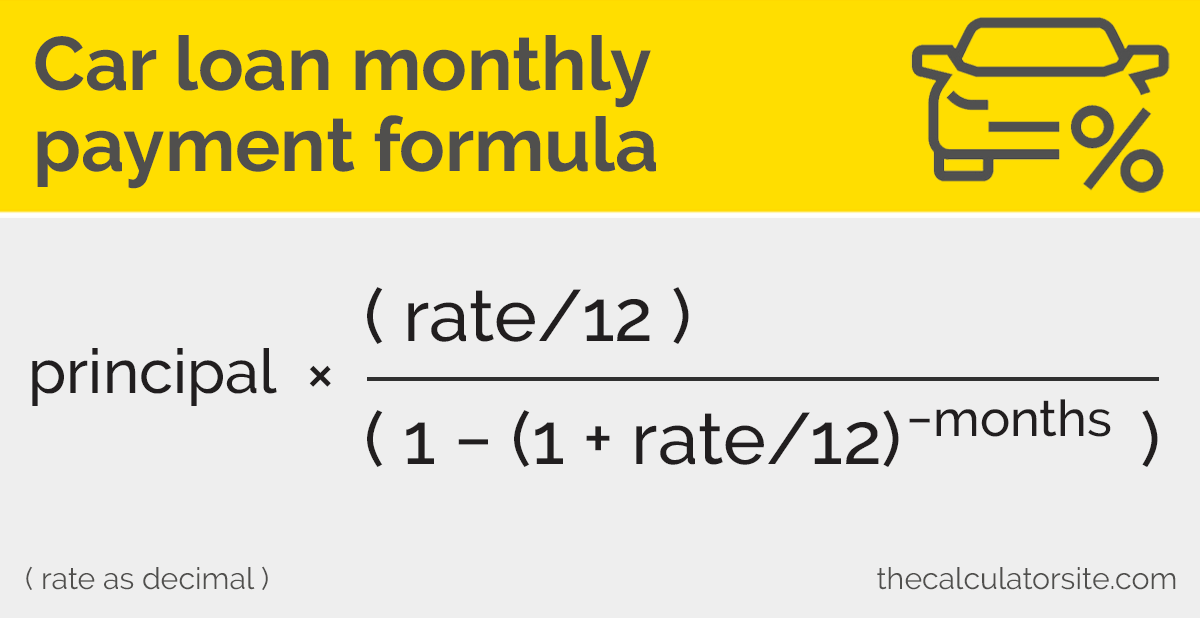
While numerous online calculators simplify the process, understanding the underlying formula empowers you to verify figures and grasp the mechanics. The standard method for calculating an amortized loan payment (where each payment covers both principal and interest) is as follows:
The Standard Amortization Formula Explained
The formula used by lenders to calculate your fixed monthly car payment is:
M = P [ i(1 + i)^n ] / [ (1 + i)^n – 1]
Where:
- M = Monthly Payment
- P = Principal Loan Amount (the amount you’re borrowing)
- i = Monthly Interest Rate (annual interest rate divided by 12)
- n = Total Number of Payments (loan term in years multiplied by 12)
This formula might look daunting, but breaking it down makes it more manageable. It essentially calculates the payment required to pay off both the principal and all accrued interest over the specified term.
Step-by-Step Breakdown for Manual Calculation
Let’s walk through an example to illustrate how to use the formula:
Scenario:
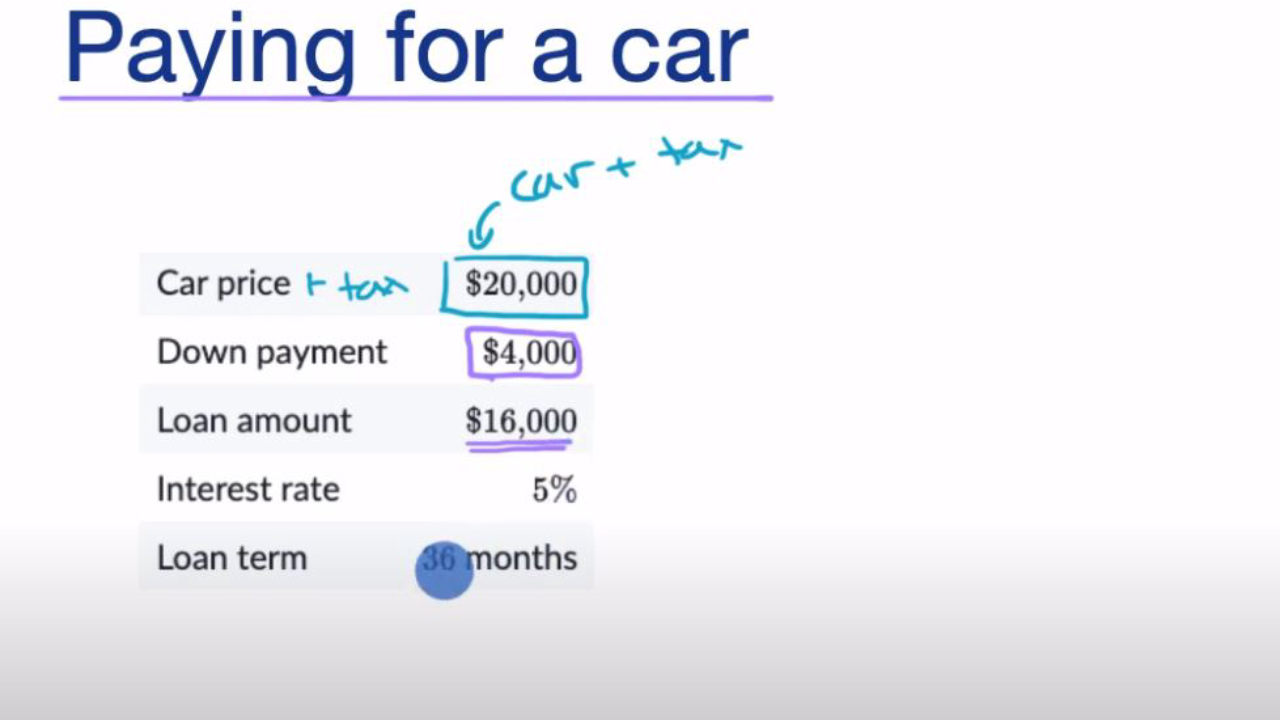
- Car Price: $30,000
- Down Payment: $5,000
- Principal Loan Amount (P): $25,000
- Annual Interest Rate: 6%
- Loan Term: 5 years (60 months)
Step 1: Calculate the Monthly Interest Rate (i)
- Annual Interest Rate = 6% = 0.06
- Monthly Interest Rate (i) = 0.06 / 12 = 0.005
Step 2: Calculate the Total Number of Payments (n)
- Loan Term in Years = 5
- Total Number of Payments (n) = 5 * 12 = 60
Step 3: Plug the values into the formula
- M = 25,000 [ 0.005 (1 + 0.005)^60 ] / [ (1 + 0.005)^60 – 1]
Step 4: Solve the components
- (1 + 0.005) = 1.005
- (1.005)^60 ≈ 1.34885
- Numerator component: 0.005 * 1.34885 = 0.00674425
- Denominator component: 1.34885 – 1 = 0.34885
- M = 25,000 * (0.00674425 / 0.34885)
- M = 25,000 * 0.019330
- M ≈ $483.25
So, your estimated monthly payment would be approximately $483.25.
The Importance of Accuracy and Double-Checking
While manual calculations provide valuable insight, they are prone to human error, especially with complex exponents. Always double-check your figures, and if performing a manual calculation, use a scientific calculator for precision. The real value in understanding the formula lies in appreciating how each variable influences the final payment, not necessarily in always calculating it by hand.
Leveraging Technology for Effortless Calculations
In today’s digital age, you don’t need to be a math whiz to calculate your car payments. A variety of readily available financial tools can provide instant and accurate results.
Online Car Loan Calculators: Your Digital Ally
Online car loan calculators are perhaps the most common and convenient way to determine potential payments. Websites of banks, credit unions, automotive portals, and financial planning sites (like NerdWallet, Bankrate, Edmunds) offer free tools. You simply input the principal amount, interest rate, and loan term, and the calculator instantly provides the monthly payment, often breaking down the total interest paid as well. These tools are invaluable for quickly comparing different scenarios (e.g., how a higher down payment or a shorter term affects your payment).
Spreadsheet Software (Excel/Google Sheets) for Custom Analysis
For those who prefer a more personalized and flexible approach, spreadsheet software like Microsoft Excel or Google Sheets offers powerful functions. The PMT function is specifically designed for this purpose:
=PMT(rate, nper, pv, [fv], [type])
Where:
rate: The interest rate per period (e.g., annual rate / 12).nper: The total number of payments for the loan (e.g., loan term in years * 12).pv: The present value, or the total amount that a series of future payments is worth now; also known as the principal.
By setting up a simple spreadsheet, you can easily create custom scenarios, compare multiple loan offers side-by-side, and even build an amortization schedule to see how much principal and interest you pay with each installment.
Mobile Apps and Financial Planning Tools
Many financial planning apps and banking apps now include integrated loan calculators or budgeting tools that can handle car loan calculations. These apps offer the convenience of on-the-go analysis, allowing you to quickly estimate payments while at a dealership or discussing options with a lender. Some even allow you to track your loan progress and explore early payoff options.
Beyond the Monthly Payment: Factors Influencing Your Total Cost
While the monthly payment is a primary concern, a truly informed decision requires looking at the bigger picture: the total cost of the loan and the car.
Total Interest Paid Over the Loan Term
One of the most eye-opening revelations for many car buyers is the sheer amount of interest accumulated over the life of a loan. To calculate the total interest, simply multiply your monthly payment by the total number of payments, then subtract the principal loan amount.
Total Interest = (Monthly Payment * Total Number of Payments) – Principal Loan Amount
For our example: ($483.25 * 60) – $25,000 = $28,995 – $25,000 = $3,995.
This means you’d pay almost $4,000 in interest alone for a $25,000 loan over five years at 6%. Understanding this figure is crucial for evaluating the true cost of convenience and the impact of a higher interest rate or a longer loan term.
The Impact of Early Payoff Strategies
Paying off your car loan earlier than scheduled can save you a significant amount in interest. Since interest is calculated on the remaining principal balance, any extra payments you make that go directly to the principal will reduce the base on which future interest is calculated. Some lenders may charge prepayment penalties, so always check your loan agreement, but most standard auto loans do not. Even small extra payments each month can shave months off your loan term and hundreds, if not thousands, off your total interest paid.
Understanding APR vs. Interest Rate
It’s vital to differentiate between the nominal interest rate and the Annual Percentage Rate (APR). The interest rate is the percentage charged on the principal. The APR, however, is a broader measure of the cost of borrowing money, reflecting the interest rate plus any additional fees or charges associated with the loan, such as origination fees or points. When comparing loan offers, always compare the APR, as it provides a more accurate representation of the total annual cost of the loan.
Additional Costs: Fees, Taxes, and Insurance
Remember that your car payment isn’t the only expense associated with vehicle ownership. Sales tax, registration fees, title fees, and documentation fees can add hundreds or even thousands to your upfront costs or be rolled into the loan principal. Furthermore, mandatory car insurance premiums, fuel, maintenance, and potential repair costs are ongoing expenses that need to be factored into your overall budget. A comprehensive financial plan for a car purchase should account for all these variables.
Strategic Planning for a Smarter Car Purchase
Calculating your car payment is just one piece of the puzzle. Strategic planning can significantly improve your financial outcome and negotiating position.
Pre-Approval: Knowing Your Limits Before You Shop
Obtaining pre-approval for a car loan from a bank or credit union before you step into a dealership is a powerful strategy. Pre-approval gives you a concrete understanding of how much you can afford to borrow, at what interest rate, and for what term. This knowledge provides leverage during negotiations, as you’re shopping with a pre-set financing option in hand. It allows you to separate the car price negotiation from the financing negotiation, making the entire process more transparent and less stressful.
Negotiating Interest Rates and Loan Terms
Don’t assume the first loan offer you receive is the best. Lenders are often willing to negotiate, especially if you have good credit and are pre-approved elsewhere. Always compare offers from multiple lenders – banks, credit unions, and even the dealership’s financing department. A difference of even half a percentage point in the interest rate can save you hundreds over the loan term. Similarly, be prepared to discuss different loan terms. While a longer term offers lower payments, ensure you understand the increased total interest cost.
The Long-Term Financial Implications of Your Choice
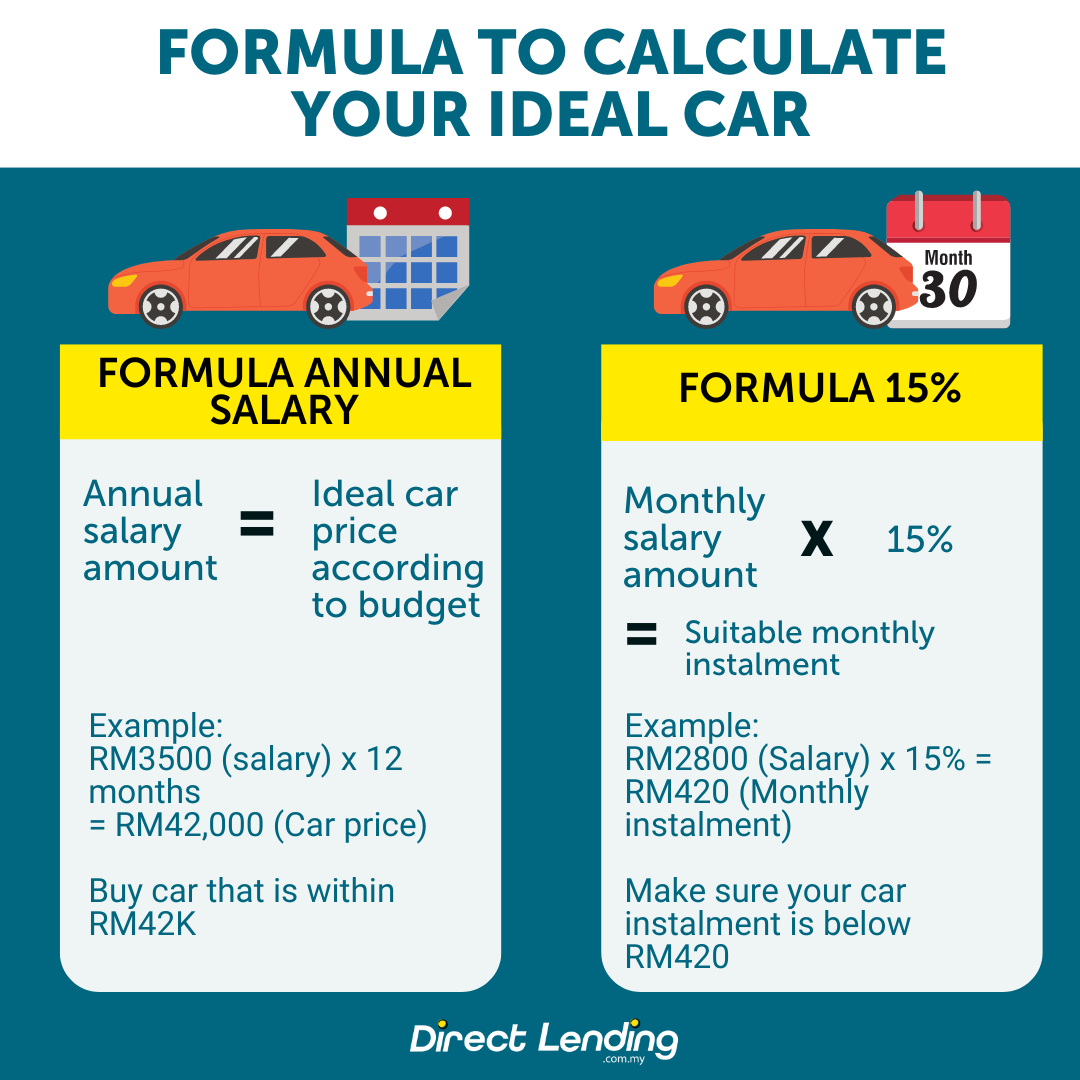
A car loan is a multi-year commitment. Consider how the monthly payment fits into your long-term financial goals, such as saving for a home, retirement, or other investments. Avoid stretching your budget too thin just to afford a more expensive vehicle. Aim for a payment that is comfortable and leaves room for other financial priorities and unexpected expenses. Remember that a car is a depreciating asset; the less you spend on financing it, the more financial flexibility you retain.
When to Refinance Your Car Loan
If interest rates have dropped since you originally financed your car, or if your credit score has significantly improved, refinancing your car loan might be a wise financial move. Refinancing involves taking out a new loan to pay off your existing car loan, ideally at a lower interest rate or with more favorable terms. This can reduce your monthly payment, save you money on total interest, or both. It’s a strategic option worth exploring if market conditions or your financial situation change favorably.
By thoroughly understanding how car payments are calculated, recognizing the impact of interest rates and loan terms, and leveraging available financial tools, you position yourself for a smarter, more financially responsible car buying experience. This knowledge empowers you to take control of your personal finance, ensuring your vehicle purchase aligns with your broader financial goals.
aViewFromTheCave is a participant in the Amazon Services LLC Associates Program, an affiliate advertising program designed to provide a means for sites to earn advertising fees by advertising and linking to Amazon.com. Amazon, the Amazon logo, AmazonSupply, and the AmazonSupply logo are trademarks of Amazon.com, Inc. or its affiliates. As an Amazon Associate we earn affiliate commissions from qualifying purchases.