
The world of cryptocurrencies has transitioned from a niche technical curiosity to a significant financial phenomenon, drawing interest from individual investors and institutions alike. As digital assets like Bitcoin and Ethereum increasingly permeate investment portfolios and financial discussions, a fundamental question emerges for many: “Where can I buy crypto coins?” This isn’t merely a technical query; it’s a pivotal first step into a new realm of personal finance and investment strategy. Navigating the diverse landscape of crypto acquisition platforms requires an understanding of various options, their benefits, drawbacks, and the essential financial considerations that underpin any sound investment decision. This guide will walk you through the primary avenues for acquiring cryptocurrencies, focusing on the financial implications, security, and strategic choices involved in building your digital asset portfolio.
Understanding the Crypto Landscape Before You Buy
Before committing your capital to digital assets, it’s crucial to grasp the fundamental nature of cryptocurrencies from a financial perspective and to establish a robust investment mindset. This initial groundwork will inform your decisions on where, when, and how much to invest.
What Are Cryptocurrencies?
From an investor’s standpoint, cryptocurrencies are digital or virtual assets secured by cryptography, making them nearly impossible to counterfeit or double-spend. Unlike traditional fiat currencies issued by central banks, most cryptocurrencies are decentralized, operating on a technology called blockchain. This decentralization and transparent ledger system are core to their appeal. For investors, cryptocurrencies represent a diverse asset class, ranging from store-of-value assets like Bitcoin, designed to be digital gold, to utility tokens powering decentralized applications, and stablecoins pegged to fiat currencies. Their value is derived from market demand, scarcity, utility, and the underlying technology, making them speculative investments with distinct risk profiles compared to traditional equities or bonds.
Key Considerations Before Investing
Entering the crypto market requires a diligent assessment of several financial factors. Firstly, volatility is paramount. Cryptocurrency markets are notoriously volatile, with prices capable of experiencing rapid and significant fluctuations within short periods. This inherent instability means that while potential gains can be substantial, so too can be potential losses. Secondly, risk tolerance is crucial. Investors must honestly assess how much capital they are prepared to lose without it significantly impacting their financial stability. Only invest what you can afford to lose. Thirdly, due diligence is non-negotiable. Researching the specific cryptocurrencies you intend to buy—understanding their whitepapers, use cases, development teams, market capitalization, and community support—is essential to making informed financial decisions. Avoid chasing hype without understanding the underlying fundamentals.
Setting Your Investment Goals
Like any other investment, your foray into crypto should be guided by clear financial goals. Are you looking for long-term capital appreciation, akin to growth stocks, or are you interested in short-term trading opportunities? Do you intend to use cryptocurrencies for specific decentralized finance (DeFi) applications, or as a hedge against inflation? Establishing these goals will dictate your choice of cryptocurrencies, the amount you allocate, and your exit strategy. For many, a strategy of diversification is wise, spreading investments across different asset classes and even different cryptocurrencies to mitigate risk. Dollar-Cost Averaging (DCA), a strategy of investing a fixed amount of money at regular intervals regardless of the asset’s price, can also be particularly effective in managing volatility and reducing the impact of short-term price swings.
Navigating the Primary Avenues for Crypto Acquisition
Once you understand the financial landscape, the next step is to identify the most suitable platform for purchasing cryptocurrencies. The market offers a variety of options, each with distinct features, fee structures, security protocols, and levels of accessibility.
Centralized Cryptocurrency Exchanges (CEXs): The Mainstream Choice
Centralized exchanges are the most popular and straightforward platforms for buying and selling cryptocurrencies. They act as intermediaries, matching buyers and sellers and facilitating transactions.
- How They Work: CEXs operate much like traditional stock exchanges, where users deposit fiat currency (e.g., USD, EUR) or other cryptocurrencies into their exchange account and then place orders to buy or sell. They hold users’ funds in custodial wallets.
- Examples: Binance, Coinbase, Kraken, Crypto.com.
- Pros: High liquidity (easy to buy/sell large amounts), user-friendly interfaces, a wide selection of cryptocurrencies, robust security features (though not impervious to hacks), and various funding options. They also typically offer advanced trading features and customer support.
- Cons: Require Know Your Customer (KYC) verification, meaning you must provide personal identification, which some users find invasive. They are also centralized points of failure, making them potential targets for hackers, and users don’t have direct control over their private keys (a critical aspect of true crypto ownership). Fees can vary significantly between platforms and transaction types.
Decentralized Exchanges (DEXs): Peer-to-Peer Trading
DEXs enable direct peer-to-peer cryptocurrency transactions without the need for an intermediary. They operate on blockchain technology, allowing users to trade directly from their personal wallets.
- How They Work: Instead of a central order book, DEXs use smart contracts to facilitate trades. Users connect their non-custodial wallets (e.g., MetaMask) directly to the DEX and swap tokens without depositing funds into an exchange-controlled account.
- Examples: Uniswap, PancakeSwap, Curve.
- Pros: Enhanced privacy (often no KYC required), greater control over funds as users retain their private keys, reduced risk of censorship or single-point-of-failure hacks that can affect CEXs, and access to a wider range of newly launched or smaller-cap tokens.
- Cons: Can be less user-friendly for beginners, typically have lower liquidity for many token pairs, may offer a more limited selection of trading pairs compared to CEXs, and transactions often involve higher “gas fees” (network transaction fees) on certain blockchains like Ethereum. There’s also no customer support to fall back on if you make an error.
Brokerage Platforms: Traditional Finance Meets Crypto
Some traditional online brokerage platforms and fintech apps have integrated cryptocurrency buying and selling services, bridging the gap between conventional investment and digital assets.
- How They Work: These platforms allow users to buy and sell cryptocurrencies alongside stocks, ETFs, and other assets. They often simplify the process significantly, making crypto investing accessible to a broader audience.
- Examples: PayPal, Robinhood, eToro, Revolut.
- Pros: Extreme ease of use, convenience for users already familiar with these platforms for other financial activities, seamless integration with existing financial accounts, and often low or no commission fees (though spreads might be higher).
- Cons: Often provide limited functionality compared to dedicated crypto exchanges. Users may not be able to withdraw their cryptocurrencies to external wallets, meaning they don’t truly “own” the underlying assets but rather an exposure to their price. The selection of available cryptocurrencies is usually much smaller.
Peer-to-Peer (P2P) Trading Platforms
P2P platforms allow individuals to buy and sell cryptocurrencies directly with each other, with the platform usually acting as an escrow service to ensure fair transactions.
- How They Work: Buyers and sellers post offers with their preferred price and payment methods. The platform secures the crypto in escrow until the payment is confirmed.
- Examples: LocalBitcoins, Paxful.
- Pros: High flexibility in payment methods (cash, bank transfer, gift cards, etc.), potential for better rates by negotiating directly, and often no KYC requirements for smaller trades.
- Cons: Higher risk of scams if proper precautions aren’t taken, lower liquidity compared to CEXs, and transactions can be slower depending on the chosen payment method and counterparty. Users need to be vigilant about counterparty reputation.
The Process of Buying Crypto: Step-by-Step
Regardless of the platform you choose, the general process of acquiring crypto follows a logical sequence of financial and security steps.
Choosing the Right Platform
Your choice should align with your investment goals, risk tolerance, and technical comfort level. Consider factors like:
- Security: Does the platform have a strong track record of protecting user funds and data? What security features do they offer (2FA, cold storage)?
- Fees: Understand the trading fees, deposit/withdrawal fees, and network fees. These can significantly impact your investment returns.
- Available Coins: Does the platform offer the specific cryptocurrencies you wish to purchase?
- User Experience: Is the interface intuitive and easy to navigate for your skill level?
- Funding Options: What fiat currencies and payment methods are supported for deposits and withdrawals?
Account Creation and Verification
For most centralized platforms, this involves:
- Signing Up: Providing an email address and creating a strong password.
- Email/Phone Verification: Confirming your contact details.
- Identity Verification (KYC): Submitting government-issued ID (passport, driver’s license), proof of address, and sometimes a selfie or live facial scan. This is a legal requirement designed to prevent money laundering and fraud. This step is crucial for compliance but does involve sharing personal financial data.
Funding Your Account
Once your account is set up and verified, you’ll need to deposit funds. Common methods include:
- Bank Transfer (ACH/SEPA/Wire): Often the cheapest option, but can take a few business days to clear.
- Debit/Credit Card: Instant deposits, but usually incurs higher fees (e.g., 2-4%) due to processor charges. Some banks may block crypto-related transactions.
- Other Cryptocurrencies: If you already own crypto on another platform or wallet, you can transfer it to your exchange account.
Executing Your First Purchase
With funds in your account, you’re ready to buy:
- Navigate to the Trading Section: This might be labeled “Buy/Sell,” “Trade,” or “Markets.”
- Select Cryptocurrency: Choose the coin you want to purchase (e.g., BTC, ETH).
- Choose Order Type:
- Market Order: Buys or sells instantly at the current best available market price. Simple but prices can fluctuate.
- Limit Order: Allows you to set a specific price at which you want to buy or sell. The order will only execute if the market price reaches your specified limit. This offers more control over your purchase price.
- Enter Amount: Specify how much fiat currency you want to spend or how much crypto you want to buy.
- Confirm Transaction: Review all details (amount, price, fees) before confirming your purchase.
Securing Your Investment: Post-Purchase Best Practices
Buying crypto is only the first step. Protecting your digital assets requires understanding custody and implementing robust security measures. This is a crucial financial responsibility.
Understanding Crypto Wallets
Once you’ve purchased cryptocurrencies, they typically reside in the exchange’s custodial wallet. However, for greater security and true ownership, it’s often recommended to transfer them to your personal wallet.
- Hot Wallets: Connected to the internet (e.g., software wallets, mobile apps, web wallets). Convenient for frequent transactions but generally less secure than cold wallets.
- Cold Wallets (Hardware Wallets): Physical devices (like a USB stick) that store your private keys offline. Considered the most secure option for long-term storage of significant amounts of crypto. Examples include Ledger and Trezor.
- Self-Custody vs. Exchange Custody: Holding crypto in your own non-custodial wallet (where you control the private keys) is often summarized by the phrase “not your keys, not your coin.” This gives you complete control but also complete responsibility. Leaving large amounts of crypto on an exchange’s custodial wallet exposes you to platform-specific risks like hacking or insolvency.
Essential Security Measures
- Enable Two-Factor Authentication (2FA): Always activate 2FA on your exchange accounts and wallets. Use an authenticator app (e.g., Google Authenticator, Authy) rather than SMS-based 2FA, which is more vulnerable.
- Strong, Unique Passwords: Use complex, unique passwords for each crypto-related account, ideally managed with a password manager.
- Protect Your Seed Phrase/Private Keys: If using a non-custodial wallet, your seed phrase (a series of words) is the master key to your funds. Write it down offline, store it securely in multiple safe locations, and never share it or store it digitally.
- Beware of Phishing and Scams: Be vigilant against suspicious emails, messages, or websites impersonating legitimate platforms. Always verify URLs.
- Regular Software Updates: Keep your wallet software and operating system updated to patch security vulnerabilities.
Tax Implications and Reporting
Cryptocurrency transactions are subject to taxation in most jurisdictions. This is a critical financial consideration that many new investors overlook.
- Capital Gains Tax: Selling crypto for a profit (or using it to buy goods/services, or swapping it for another crypto) typically triggers a capital gains event. The tax rate depends on how long you held the asset.
- Income Tax: Earning crypto through mining, staking, or airdrops is generally considered taxable income.
- Record-Keeping: Maintain meticulous records of all your crypto transactions (purchase date, cost basis, sale date, sale price, fees) to accurately calculate your taxes. Specialized crypto tax software can assist with this. Consult with a tax professional experienced in digital assets to ensure compliance.
Common Pitfalls and Smart Strategies for Crypto Investors
As with any investment class, particular challenges and best practices are associated with cryptocurrencies. Adopting a disciplined and informed approach can significantly enhance your financial outcomes.
Avoiding Scams and Fraud
The allure of quick riches in crypto unfortunately attracts numerous fraudsters. Be wary of:
- “Pump and Dump” Schemes: Artificially inflating a coin’s price through false hype, then selling off at the peak.
- Phishing Attacks: Attempts to steal your login credentials or private keys.
- Fake ICOs/Airdrops: Projects that promise tokens but are designed to steal your funds.
- Imposter Scams: Individuals posing as legitimate support staff or famous figures asking for crypto.
Always perform thorough due diligence on any project or offer, and remember the adage: “If it sounds too good to be true, it probably is.”
Managing Volatility and Risk
The inherent volatility of crypto markets necessitates a strategic approach to risk management.
- Only Invest What You Can Afford to Lose: Reiterate this fundamental principle. Cryptocurrencies are speculative, and there’s no guarantee of returns.
- Dollar-Cost Averaging (DCA): As mentioned earlier, investing a fixed sum regularly, regardless of price, can average out your purchase price over time, mitigating the impact of market timing.
- Diversification: Don’t put all your eggs in one basket. While tempting to go all-in on a single promising coin, spreading your investment across a few well-researched assets can reduce overall portfolio risk.
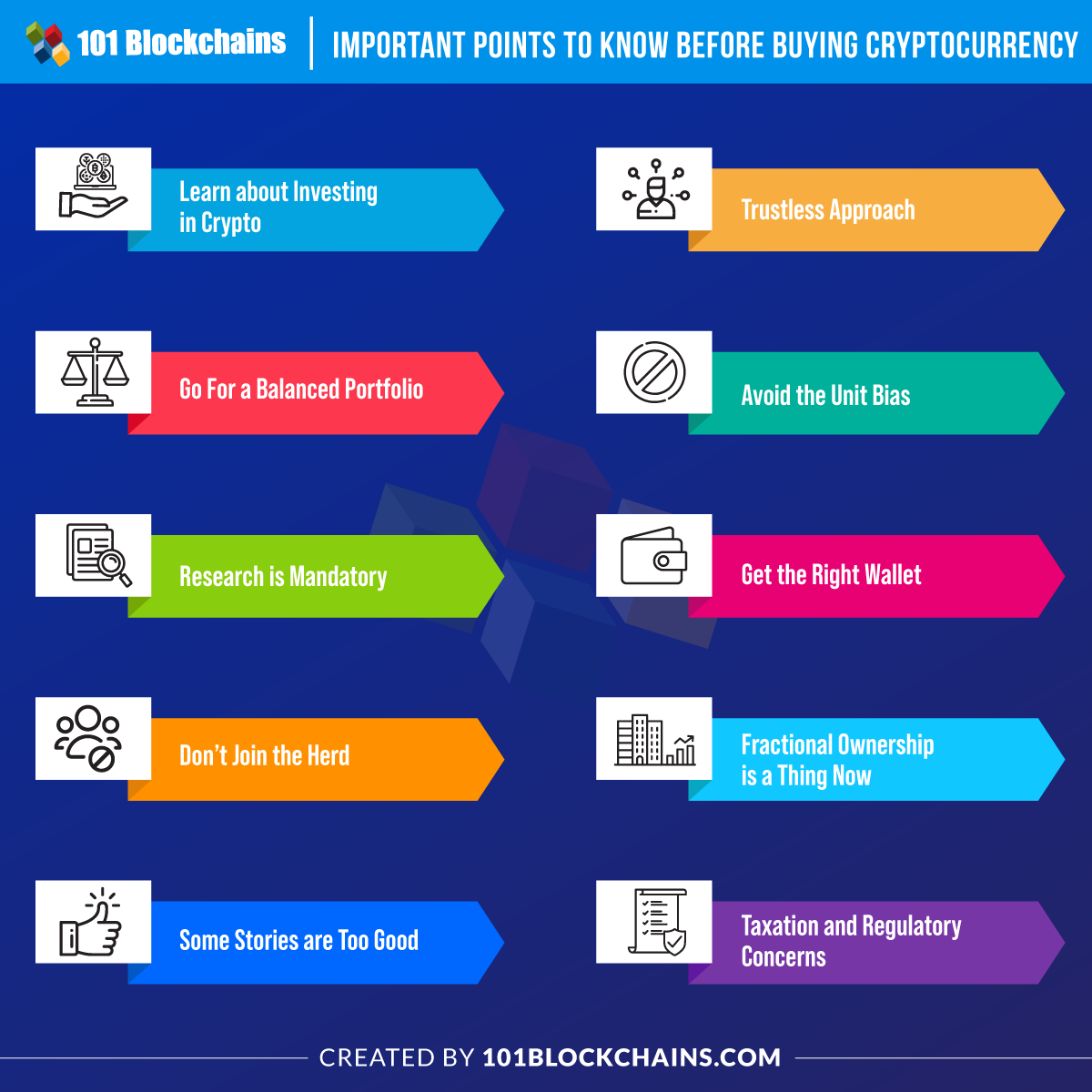
- Emotional Discipline: Avoid making impulsive decisions based on fear (FUD) or greed (FOMO). Stick to your investment plan and established goals.
Staying Informed and Continuous Learning
The cryptocurrency space is rapidly evolving, with new technologies, projects, and regulatory developments emerging constantly.
- Market News: Follow reputable crypto news sources and analysts.
- Project Updates: Stay informed about the projects you’ve invested in. Read their development updates, community forums, and social media.
- Blockchain Fundamentals: Continuously deepen your understanding of blockchain technology, decentralized finance (DeFi), NFTs, and other emerging sectors.
An informed investor is a better-equipped investor, especially in a dynamic market like cryptocurrency.
In conclusion, buying crypto coins is a straightforward process once you understand the various platforms and financial considerations. Whether you opt for a user-friendly centralized exchange, a private decentralized exchange, or a traditional brokerage, the key to successful engagement lies in diligent research, careful financial planning, robust security practices, and a commitment to continuous learning. By approaching crypto acquisition with a professional and insightful mindset, you can navigate this exciting frontier of digital finance with greater confidence and strategic advantage.
aViewFromTheCave is a participant in the Amazon Services LLC Associates Program, an affiliate advertising program designed to provide a means for sites to earn advertising fees by advertising and linking to Amazon.com. Amazon, the Amazon logo, AmazonSupply, and the AmazonSupply logo are trademarks of Amazon.com, Inc. or its affiliates. As an Amazon Associate we earn affiliate commissions from qualifying purchases.