
Navigating the complexities of the Internal Revenue Service (IRS) can be a daunting task for even the most financially savvy individuals. Once you have calculated your tax liability, the final—and perhaps most critical—step is ensuring that your payment reaches the IRS securely and on time. Whether you are settling a year-end balance, making quarterly estimated payments, or addressing a past-due notice, knowing exactly where and how to send your funds is essential to avoiding late fees and interest charges.
In the modern financial landscape, the IRS has significantly expanded its digital infrastructure, offering various electronic payment methods that provide instant confirmation. However, many taxpayers still prefer the traditional method of mailing a physical check or money order. This guide will explore the nuances of both digital and physical payment paths, helping you identify the specific addresses and platforms required for your unique financial situation.
Understanding Your Payment Options: Digital vs. Paper
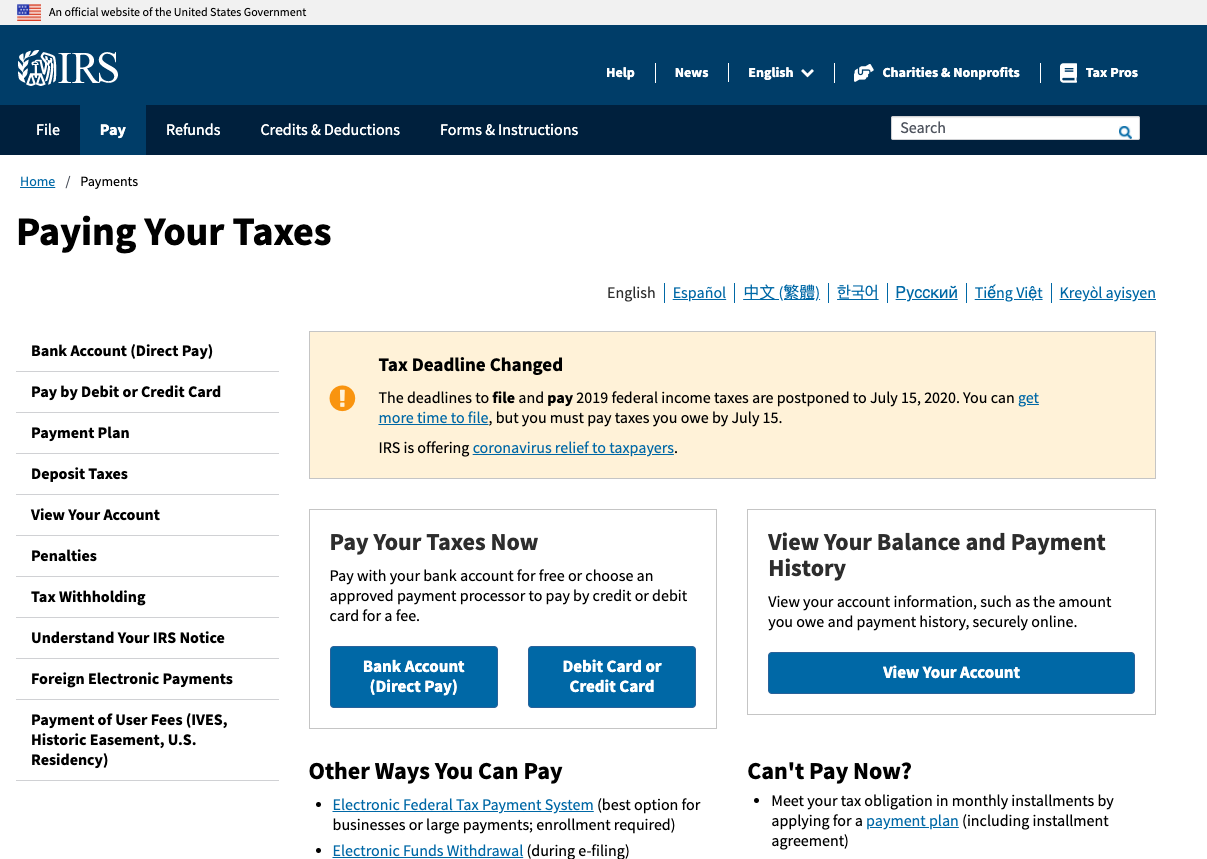
The shift toward a “cashless” government has made electronic payments the preferred method for the IRS. Digital payments are generally more secure, faster to process, and provide a digital paper trail that can be invaluable during a financial audit or when reconciling your personal records.
The Efficiency of IRS Direct Pay
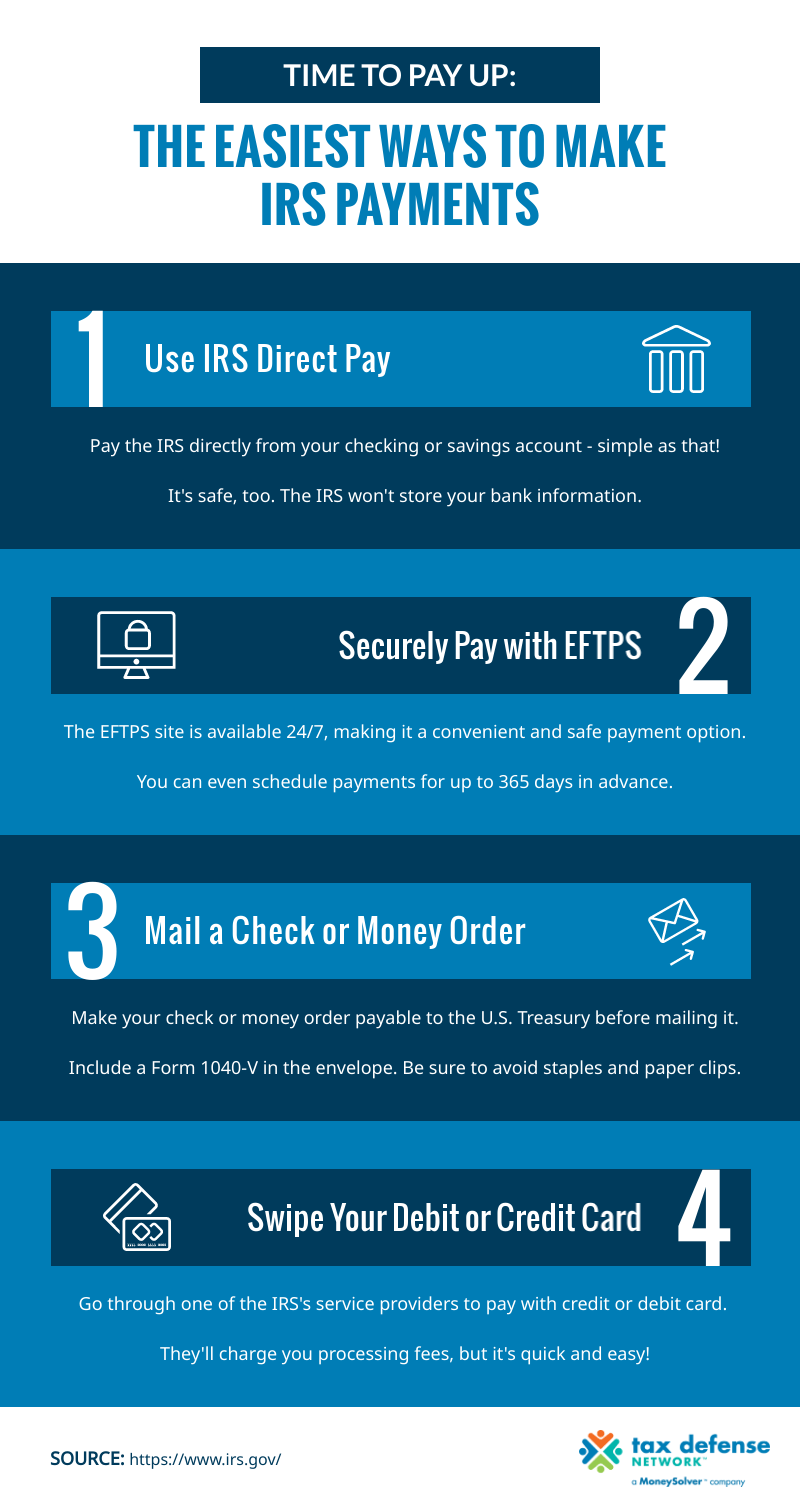
For individuals filing Form 1040, IRS Direct Pay is often the most straightforward solution. This service allows you to pay your income tax directly from your checking or savings account without any additional fees. One of the primary advantages of Direct Pay is the “look-up” feature, which allows you to track the status of your payment immediately after submission. It is a “guest” service, meaning you do not need to create a permanent account to use it, making it ideal for one-time annual payments.
Using the Electronic Federal Tax Payment System (EFTPS)
For business owners, high-net-worth individuals, or those with complex tax structures, the Electronic Federal Tax Payment System (EFTPS) is the gold standard. Unlike Direct Pay, EFTPS requires a formal enrollment process, including the mailing of a PIN to your registered address. While the setup takes longer, EFTPS offers more robust reporting features and allows you to schedule payments up to 365 days in advance. This is particularly useful for managing business cash flow and ensuring that quarterly estimated taxes are never missed.
Debit, Credit, and Digital Wallet Options
If you prefer to pay via credit card to earn rewards or need to bridge a short-term cash flow gap, the IRS utilizes third-party payment processors like ACI Payments, Inc. or PayUSAtax. While the IRS does not charge a fee for these transactions, the processors do charge a convenience fee, usually a percentage of the total payment. Recently, many of these processors have begun accepting digital wallets like PayPal and Click to Pay, further integrating modern fintech into the tax ecosystem.
Mailing Your Tax Payment: Finding the Right Address
Despite the push for digital adoption, thousands of taxpayers still choose to mail their payments. If you fall into this category, the most important thing to understand is that the IRS does not have one single “central” address for payments. Instead, the mailing address depends entirely on three factors: the state where you live, the specific form you are filing, and whether or not you are enclosing a tax return with your payment.
Sending Payments with Form 1040
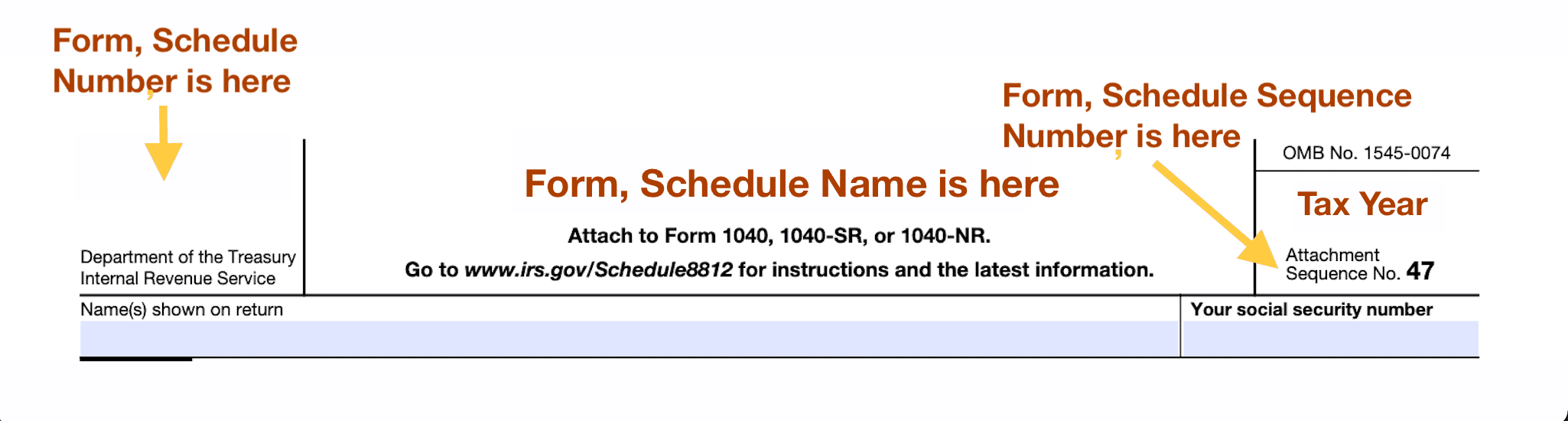
When you file your annual individual income tax return and realize you owe money, you will typically use Form 1040-V (Payment Voucher). If you are mailing your return and your payment together, you will send them to a specific regional processing center. For example, taxpayers in Florida, Louisiana, Mississippi, or Texas might send their 1040 and payment to a center in Charlotte, North Carolina. Conversely, a taxpayer in California or New York might be directed to a center in Philadelphia or Louisville. It is vital to consult the instructions for Form 1040-V for the current tax year, as these regional assignments can change periodically due to IRS restructuring.
Estimated Tax Payments (Form 1040-ES)
Individuals who are self-employed or have significant investment income must often make quarterly estimated payments using Form 1040-ES. Because these payments are processed separately from an annual return, they are often sent to different addresses than the standard 1040. Generally, these payments are directed to “Internal Revenue Service, P.O. Box 1300, Charlotte, NC 28201-1300” or similar lockbox addresses in Cincinnati or Hartford, depending on your geographic location. Using the correct P.O. Box ensures that your payment is routed directly to the accounts receivable department rather than a general processing queue.
Addressing Extensions and Prior Year Liabilities
If you are filing for an extension (Form 4868) and making a payment to cover your estimated liability, the address may differ yet again. Similarly, if you are responding to a specific IRS notice (such as a CP2000 or a Notice of Deficiency), the notice itself will usually contain a payment voucher with a pre-printed address. In these cases, always use the address provided on the notice, as it is often tied to a specific compliance unit handling your case.
Best Practices for Ensuring Your Payment is Processed Correctly
Sending money to a federal agency requires precision. A minor error in how a check is written or how an envelope is addressed can lead to significant delays, potentially resulting in “failure to pay” penalties even if you sent the check before the deadline.
How to Format a Check or Money Order
When writing a physical check to the IRS, there are strict formatting rules to follow to ensure the funds are credited to the correct account:
- Payee: Make the check payable to “United States Treasury,” not “IRS.”
- Amount: Write the numeric and written amounts clearly.
- Memo Line: This is the most crucial step. You must include your Social Security Number (SSN) or Employer Identification Number (EIN), the tax year the payment applies to (e.g., “2023”), and the form number (e.g., “Form 1040”).
- No Staples: Never staple your check to the voucher or the return. Use a paperclip or simply leave it loose inside the envelope with the voucher on top.
Using Certified Mail and Tracking
The IRS follows the “timely mailed, timely filed” rule. This means that if your envelope is postmarked by the due date, it is considered on time, even if the IRS receives it days later. However, the burden of proof is on the taxpayer. To protect yourself, always send tax payments via USPS Certified Mail with a Return Receipt Requested. This provides legal proof of the date you mailed the payment and confirmation that it was delivered to an IRS facility. Private delivery services like FedEx or UPS can also be used, but only if you use specific “IRS-approved” delivery services (like FedEx Priority Overnight or UPS Next Day Air).
Avoiding Common Filing and Payment Mistakes
One of the most common errors is sending a payment without a voucher. If you mail a check without Form 1040-V or 1040-ES, the IRS staff must manually research your account to determine where to apply the funds. This increases the risk of the payment being applied to the wrong tax year or the wrong account type. Additionally, ensure your return address is clearly legible on the envelope; if the mail is intercepted or undeliverable, you want it returned to you as quickly as possible so you can rectify the issue.
Navigating Business Tax Payments
For business entities, the stakes of tax payment accuracy are even higher. Businesses are often responsible for not just their own income tax, but also for “trust fund” taxes, which include the Social Security and Medicare taxes withheld from employees’ paychecks.
Payroll and Excise Tax Submissions
Most businesses are now required to use electronic funds transfers for all federal tax deposits. This includes payroll taxes (Form 941 or 944) and excise taxes. Using EFTPS is generally mandatory for these types of payments. If a business attempts to mail a check for payroll taxes when they are required to pay electronically, they may be hit with a 10% penalty for failure to deposit using the correct method.
Corporate Income Tax Obligations
Corporations (Form 1120) and S-Corporations (Form 1120-S) also face specific requirements. While small corporations may occasionally mail payments, the vast majority utilize the EFTPS system to manage their quarterly estimated tax obligations. This allows for better integration with corporate accounting software and provides the CFO or treasurer with an audit trail that satisfies corporate governance requirements.
The Strategic Importance of Timely Tax Payments
From a personal finance perspective, managing your tax payments is a vital component of healthy cash flow management. Taxes are often a taxpayer’s largest annual expense, and mishandling the “where” and “how” of payment can lead to unnecessary financial erosion.
Minimizing Interest and Penalties
The IRS interest rates for underpayment are adjusted quarterly and are currently at levels that can significantly impact your bottom line. By ensuring your payment reaches the correct address or is submitted through the correct portal by the deadline, you avoid the failure-to-pay penalty, which is 0.5% of the unpaid taxes for each month or part of a month the tax remains unpaid, up to 25%.
Managing Cash Flow for Quarterly Obligations
For those in the “Money” niche—investors, freelancers, and small business owners—tax payments should be viewed as a recurring business expense rather than a surprise annual event. By utilizing digital tools like EFTPS or Direct Pay, you can schedule payments to coincide with your periods of highest liquidity. This strategic approach ensures that you are always in compliance with the IRS while maintaining the capital necessary to grow your investments or business operations.
In conclusion, whether you choose the speed of a digital transfer or the traditional reliability of a mailed check, the key to a successful IRS payment lies in the details. Always verify the current mailing address on IRS.gov, double-check your voucher details, and keep meticulous records of every transaction. In the world of personal finance, being proactive about your tax liabilities is the best way to protect your wealth and ensure long-term financial stability.
aViewFromTheCave is a participant in the Amazon Services LLC Associates Program, an affiliate advertising program designed to provide a means for sites to earn advertising fees by advertising and linking to Amazon.com. Amazon, the Amazon logo, AmazonSupply, and the AmazonSupply logo are trademarks of Amazon.com, Inc. or its affiliates. As an Amazon Associate we earn affiliate commissions from qualifying purchases.