
The question “how much does a Bitcoin cost?” is perhaps one of the most frequently asked in the realm of modern finance, yet its answer is anything but static. Unlike traditional equities or commodities that might fluctuate within predictable ranges, Bitcoin’s price is a highly dynamic, often volatile, figure determined by a complex interplay of supply, demand, technological innovation, macroeconomic forces, and speculative sentiment. For anyone considering an entry into the world of digital assets, or simply seeking to understand this revolutionary technology, grasping the nuances behind Bitcoin’s valuation is paramount. This article delves into the core drivers of Bitcoin’s cost, where to find its current price, its intrinsic value proposition, and the critical considerations for prospective investors, all strictly within the financial context.
The Dynamic Nature of Bitcoin’s Price
Bitcoin’s price is not fixed by any central authority, government, or corporation. Instead, it is a reflection of the global market’s collective perception of its value, traded 24/7 across hundreds of exchanges worldwide. This decentralized and continuous trading environment is what gives Bitcoin its characteristic volatility and makes its “cost” a perpetually moving target.
Real-Time Valuation and Market Factors
At any given moment, Bitcoin’s price is determined by the last trade executed on an exchange. If more people are buying than selling, the price tends to rise; if more are selling than buying, it tends to fall. This fundamental economic principle of supply and demand is magnified by several unique characteristics of the cryptocurrency market. Bitcoin’s scarcity, with a hard cap of 21 million coins ever to be minted, plays a significant role in its long-term value proposition. Unlike fiat currencies that can be printed infinitely, Bitcoin’s limited supply creates inherent deflationary pressure, which is often cited as a key reason for its appeal as a store of value.
However, short-to-medium term price movements are influenced by a myriad of factors. Macroeconomic news, such as inflation reports, interest rate changes by central banks, or global economic stability indicators, can sway investor sentiment towards or away from risk assets like Bitcoin. Regulatory changes, whether positive (e.g., clearer guidelines, ETF approvals) or negative (e.g., outright bans, stricter oversight), also have immediate and significant impacts on price. Moreover, technological developments within the Bitcoin ecosystem, such as upgrades to its underlying protocol or advancements in scaling solutions like the Lightning Network, can influence its utility and, consequently, its perceived value.
Key Influencers on Bitcoin’s Price
Beyond general market dynamics, specific events and trends frequently shape Bitcoin’s cost:
- Institutional Adoption: When major financial institutions, corporations, or even sovereign states announce investments in Bitcoin or integrate it into their services, it signals increasing legitimacy and potential for broader adoption. This often leads to significant price rallies as large capital inflows enter the market.
- Retail Investor Sentiment: The collective enthusiasm or fear of individual investors, often amplified by social media trends or news cycles, can trigger rapid price movements. FOMO (Fear Of Missing Out) during bull runs and FUD (Fear, Uncertainty, and Doubt) during corrections are powerful forces.
- Halving Events: Approximately every four years, the reward for mining new blocks of Bitcoin is cut in half. This “halving” event reduces the rate at which new Bitcoin enters circulation, thereby tightening supply. Historically, halving events have preceded significant bull markets, as the reduced supply often clashes with growing demand.
- Geopolitical Events: Global conflicts, political instability, or currency crises can drive demand for Bitcoin as a decentralized, censorship-resistant alternative to traditional financial systems, leading to price surges as investors seek safe havens.
- Competitor Cryptocurrencies (Altcoins): While Bitcoin is dominant, the performance and innovation of other cryptocurrencies can sometimes pull attention and capital away from Bitcoin, or conversely, create a rising tide that lifts all digital assets.
Where to Find Bitcoin’s Current Price
Given its constant fluctuation, determining “how much does a Bitcoin cost” at any precise moment requires consulting real-time data sources. Fortunately, the transparent nature of the crypto market makes this information readily accessible.
Cryptocurrency Exchanges
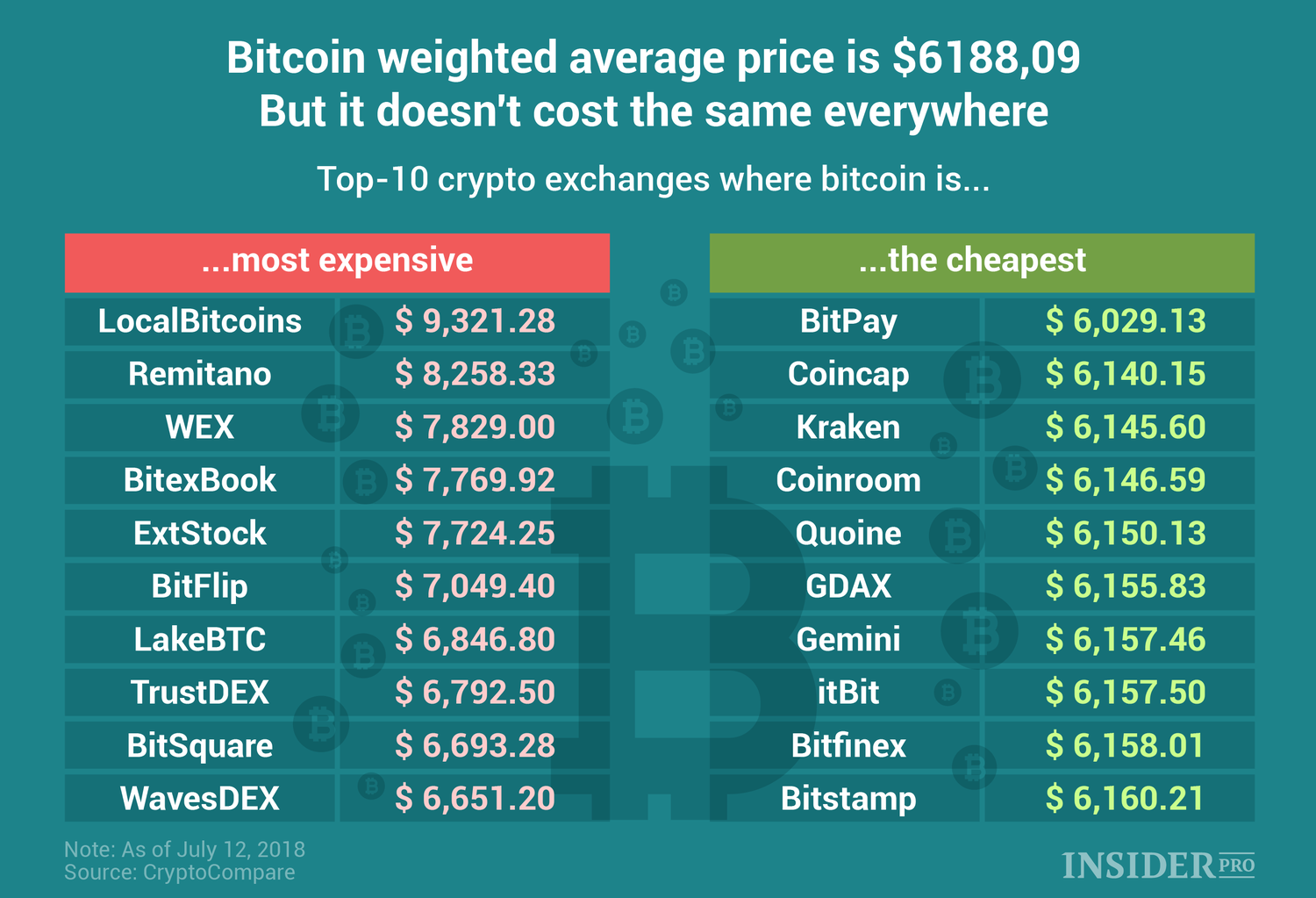
The primary place where Bitcoin is bought and sold is on cryptocurrency exchanges. These platforms act as digital marketplaces where users can trade various cryptocurrencies, including Bitcoin, for fiat currencies (like USD, EUR) or other cryptocurrencies. Prominent exchanges include Coinbase, Binance, Kraken, Gemini, and many others.
It’s important to note that Bitcoin’s price can vary slightly across different exchanges due to minor differences in trading volume, liquidity, and fee structures. While these discrepancies are usually small, they can be significant for high-frequency traders. When checking the price, it’s generally best to look at a few reputable exchanges or aggregate data sources to get a comprehensive view. These exchanges also provide detailed historical price charts, order books showing active buy and sell orders, and various analytical tools.
Price Tracking Websites and Apps
For a consolidated view of Bitcoin’s price across multiple exchanges, along with market capitalization, trading volume, and historical data, dedicated price tracking websites and mobile applications are invaluable. Services like CoinMarketCap, CoinGecko, TradingView, and Bloomberg Crypto provide comprehensive real-time data.
These platforms not only display the current spot price but also offer:
- Historical Charts: To analyze past price performance over various timeframes (daily, weekly, monthly, yearly).
- Market Capitalization: The total value of all Bitcoins in circulation (price per coin * total circulating supply), which indicates its overall market dominance and size.
- 24-Hour Trading Volume: The total value of Bitcoin traded within a 24-hour period, reflecting market activity and liquidity.
- Links to Exchanges: Direct links to buy or sell Bitcoin on various supported platforms.
Using these tools allows investors to monitor Bitcoin’s performance, identify trends, and make informed decisions based on accurate, up-to-the-minute information.
Understanding Bitcoin’s Value Proposition Beyond its Price Tag
While the fluctuating price dominates headlines, truly understanding “how much does a Bitcoin cost” involves looking beyond its dollar figure to its underlying technology and economic principles. Its value proposition is derived from several fundamental characteristics that differentiate it from traditional assets.
Scarcity and Supply Cap
Perhaps Bitcoin’s most compelling economic feature is its fixed supply. Only 21 million Bitcoins will ever be created. This hard cap, enshrined in its protocol, stands in stark contrast to fiat currencies, which can be printed at will by central banks, potentially leading to inflation and devaluation. This digital scarcity positions Bitcoin as a potential hedge against inflation and a form of “digital gold,” maintaining its value over time as demand grows against a finite supply. The programmed supply schedule, which includes the periodic halving events, ensures predictability and reinforces its deflationary nature.
Decentralization and Security
Bitcoin operates on a decentralized network of computers (nodes) around the world, making it resistant to censorship and single points of failure. No single entity, government, or corporation can control the network, alter transactions, or shut it down. This decentralization provides an unparalleled level of security and autonomy for its users. Transactions are secured by advanced cryptography and recorded on a public, immutable ledger called the blockchain, which makes them virtually impossible to reverse or tamper with once confirmed. This inherent security and independence from traditional financial intermediaries represent a significant value proposition in an increasingly digital and interconnected world.
Utility as a Digital Asset and Store of Value
Bitcoin’s utility extends beyond mere speculation. It serves as a medium of exchange for digital transactions, offering a fast and cost-effective way to send value across borders without relying on banks or payment processors. For many, it acts as a “store of value,” akin to gold, protecting wealth from economic instability and currency depreciation. Its divisibility (each Bitcoin can be divided into 100 million satoshis) makes it practical for both large and small transactions. Furthermore, its programmable nature opens possibilities for integration into various financial applications, expanding its potential utility.
Network Effects and Adoption
The “network effect” is a critical component of Bitcoin’s long-term value. As more users, developers, businesses, and institutions adopt Bitcoin, its utility and security increase exponentially. A larger network means more liquidity, more robust infrastructure, greater innovation, and stronger validation of its status as a legitimate financial asset. The increasing number of merchants accepting Bitcoin, the growth of custodial services, the development of financial products like Bitcoin ETFs, and the increasing global awareness all contribute to this powerful network effect, reinforcing its long-term potential.
Investing in Bitcoin: Considerations and Risks
Understanding “how much does a Bitcoin cost” is only the first step; investing in it requires a thorough understanding of the associated risks and strategic considerations. While Bitcoin offers exciting opportunities, it is not without its challenges.
Volatility and Risk Management
Bitcoin’s price volatility is legendary. While it has seen astronomical gains over its lifetime, it is also prone to significant and rapid downturns, often referred to as “bear markets” or “crypto winters.” These sharp price swings mean that investors can experience substantial gains or losses in short periods. Therefore, sound risk management is crucial. This includes:
- Diversification: Not allocating an excessively large portion of your investment portfolio to Bitcoin alone.
- Long-Term Horizon: Approaching Bitcoin as a long-term investment rather than a short-term trading vehicle, to ride out market cycles.
- Only Invest What You Can Afford to Lose: A fundamental principle in any high-risk investment.
- Dollar-Cost Averaging (DCA): Investing a fixed amount of money at regular intervals, regardless of the price, to average out the purchase cost over time and reduce the impact of volatility.
Regulatory Landscape
The regulatory environment for cryptocurrencies is still evolving globally. Different countries and jurisdictions have varying approaches, ranging from outright bans to embracing and regulating digital assets. Changes in regulations can significantly impact Bitcoin’s price and accessibility. For instance, clearer regulatory frameworks can attract institutional investment and foster mainstream adoption, while restrictive measures can lead to price drops and dampen market sentiment. Investors must stay informed about the regulatory landscape in their respective regions and understand the implications for their holdings.
Custody and Security
Securing your Bitcoin is paramount. Unlike traditional bank accounts, there is no central entity to reverse fraudulent transactions or recover lost funds if you lose access to your digital wallet. Bitcoin custody options include:
- Exchange Wallets: Holding Bitcoin on a centralized exchange, which offers convenience but comes with the risk of exchange hacks or regulatory interventions.
- Hardware Wallets: Physical devices that store your private keys offline, offering a high level of security against online threats.
- Software Wallets: Applications on your computer or mobile phone, offering a balance of convenience and security.
Understanding how to securely store your private keys (the cryptographic codes that prove ownership of your Bitcoin) is critical. Protecting against scams, phishing attacks, and ensuring proper backup procedures are essential practices for any Bitcoin holder.
Long-Term vs. Short-Term Investment
Investors typically approach Bitcoin with either a long-term (HODL) or short-term (trading) strategy.
- HODLing: Derived from a misspelling of “hold,” this strategy involves buying Bitcoin and holding it for an extended period, often years, with the belief that its value will appreciate significantly over time. This approach minimizes the impact of short-term volatility.
- Trading: This involves actively buying and selling Bitcoin to profit from its short-term price movements. Trading requires deep market analysis, technical skills, and a high tolerance for risk. Given Bitcoin’s volatility, day trading can be extremely challenging and is generally not recommended for beginners.
The Future Outlook for Bitcoin’s Cost and Adoption
The question “how much does a Bitcoin cost?” will continue to be relevant as this digital asset matures. Its future cost and adoption will largely depend on a combination of ongoing trends and potential developments.
Institutional Integration and ETF Growth
The approval of spot Bitcoin Exchange Traded Funds (ETFs) in major markets like the U.S. marks a significant milestone. ETFs provide a regulated, accessible, and familiar investment vehicle for institutional and retail investors who may have been hesitant to directly buy and hold Bitcoin. This increased institutional integration is expected to bring substantial capital into the market, enhance liquidity, and further legitimize Bitcoin as a mainstream asset class. Continued growth in this area could provide a strong tailwind for Bitcoin’s price.
Technological Advancements (e.g., Lightning Network)
The underlying technology of Bitcoin is not static. Ongoing development of scaling solutions like the Lightning Network aims to make Bitcoin transactions faster and cheaper, thereby increasing its utility as a medium of exchange for everyday transactions. Improvements in privacy features, smart contract capabilities on layers built atop Bitcoin, and enhanced security protocols could all broaden its appeal and functionality. These technological advancements, by improving Bitcoin’s practical usability, could drive further demand and value appreciation.
Macroeconomic Factors and Global Events
Bitcoin’s role in the global economy is increasingly being debated. As central banks grapple with inflation, interest rates, and geopolitical tensions, Bitcoin’s narrative as a “digital gold” or a hedge against traditional financial instability could strengthen. Global economic crises or periods of high inflation might push more investors towards decentralized assets, potentially driving up demand for Bitcoin. Conversely, a stable global economy with low inflation might reduce some of its perceived urgency as an alternative. These broader macroeconomic shifts will undoubtedly continue to influence Bitcoin’s perceived value and, consequently, its cost.
In conclusion, “how much does a Bitcoin cost” is a complex query with an ever-changing answer. Its value is a real-time reflection of global supply and demand, influenced by a myriad of factors from technological innovation and regulatory news to macroeconomic trends and investor sentiment. While its volatility presents risks, Bitcoin’s fundamental attributes — scarcity, decentralization, security, and growing utility — underpin its long-term value proposition as a transformative digital asset. For any prospective investor, a deep understanding of these dynamics, coupled with sound financial principles, is essential for navigating the exciting, yet challenging, landscape of Bitcoin.
aViewFromTheCave is a participant in the Amazon Services LLC Associates Program, an affiliate advertising program designed to provide a means for sites to earn advertising fees by advertising and linking to Amazon.com. Amazon, the Amazon logo, AmazonSupply, and the AmazonSupply logo are trademarks of Amazon.com, Inc. or its affiliates. As an Amazon Associate we earn affiliate commissions from qualifying purchases.