
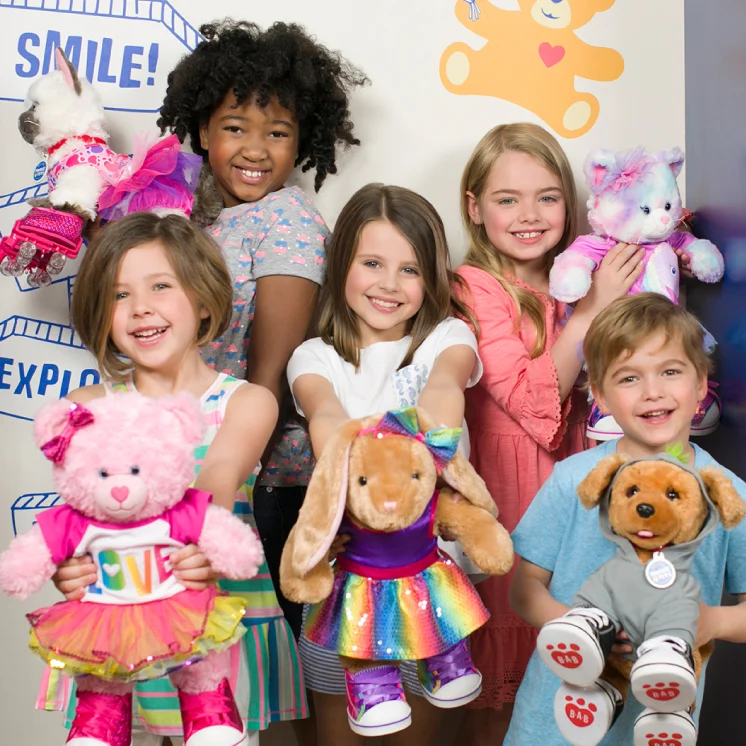
For many families, Build-A-Bear Workshop is more than just a toy store; it is a rite of passage. However, from a personal finance and consumer behavior perspective, it represents a unique study in “experiential retail.” Unlike a standard purchase where the price tag on the shelf is the final cost, Build-A-Bear operates on a tiered pricing model that can quickly escalate.
If you are planning a visit or budgeting for a birthday party, understanding the financial anatomy of this experience is essential. This guide breaks down the costs, explores the psychology of the brand’s pricing strategy, and offers practical financial tips for maximizing value without breaking the bank.
The Foundation: Understanding the Base Price of the Plush
The first step in the Build-A-Bear journey is selecting the “skin”—the unstuffed plush toy. This is the baseline cost of your investment, but it is rarely where the spending ends. The brand utilizes a wide pricing spectrum to appeal to different socioeconomic segments.
Standard vs. Premium Collections
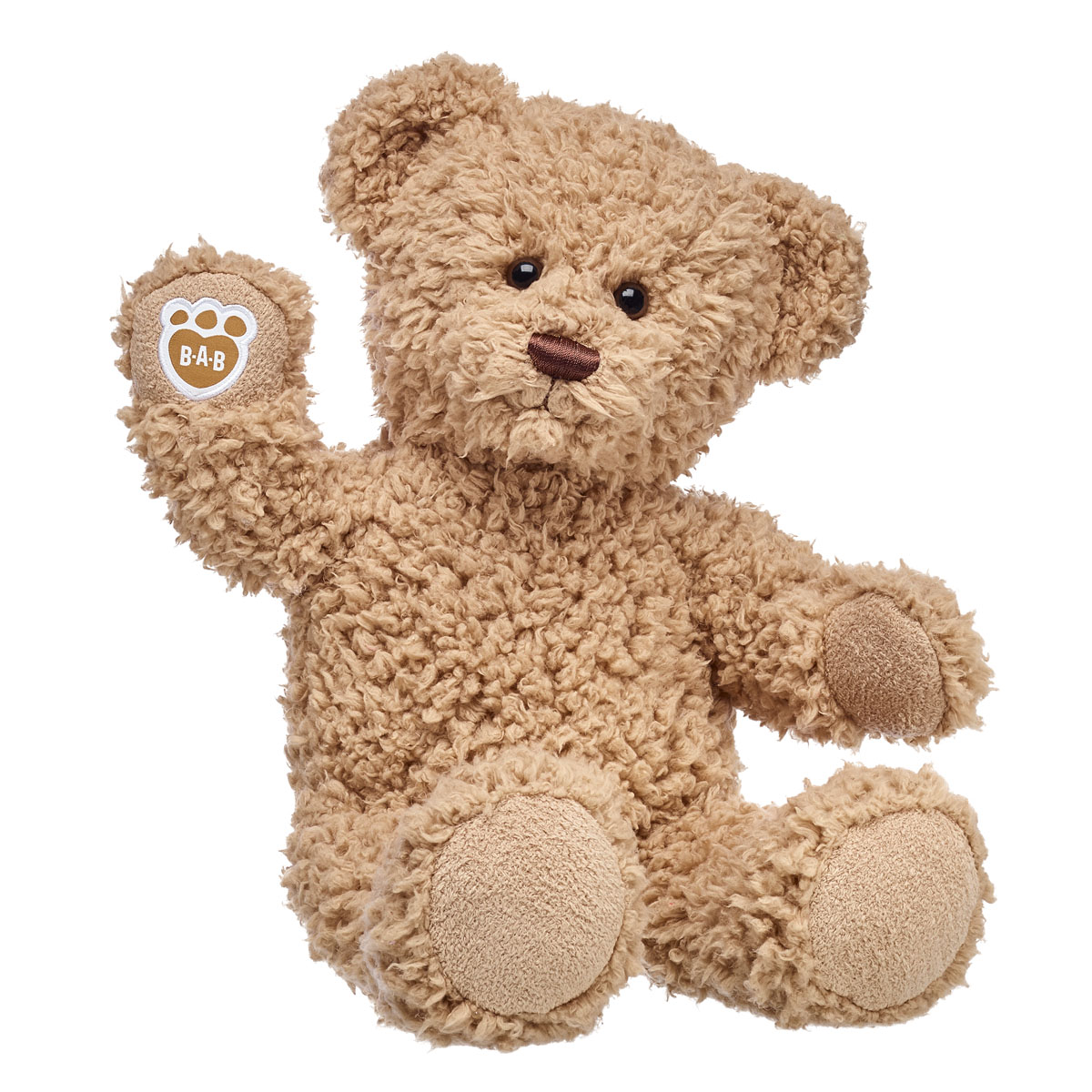
Standard bears, such as the classic “Lil’ Cub,” typically start at approximately $14.00 to $20.00. These are the entry-level options designed to make the experience accessible to a broader audience. However, the brand’s financial engine thrives on its premium and licensed collections.
Licensed characters—think Disney, Marvel, Star Wars, or Pokémon—carry a significant markup due to intellectual property royalties. These plushies often start at $30.00 to $45.00. For a consumer, it is important to recognize that you are paying a “fandom tax” of nearly 100% over the cost of a generic bear.
Limited Editions and Online Exclusives
From a financial planning perspective, collectors should be aware of “vaulted” items or online exclusives. These items can sometimes reach $50.00 or more for the base plush alone. While these may hold their value better in the secondary market (collectible investing), they represent a higher upfront capital outlay for the average shopper.
The “Add-On” Economy: Navigating Customization Costs
The genius of the Build-A-Bear business model lies in the customization phase. Once a child has bonded with their chosen plush during the stuffing process, the psychological barrier to additional spending lowers. This is where a $20 bear can easily transform into an $80 investment.
Senses and Sounds: The Digital Upgrades
Modern Build-A-Bears are no longer just fluff and fabric. Technology plays a major role in the “Money” aspect of the build.
- Sound Chips: Standard phrases or songs typically cost between $5.00 and $10.00.
- Recordable Chips: Allowing a customer to record a personal message adds a premium, often costing around $12.00 to $15.00.
- Scent Chips: Small discs that make the bear smell like strawberries or pizza are a low-cost “impulse buy” at roughly $4.00, but they contribute to the creeping total at the register.
- Heartbeats: A small vibrating mechanism that simulates a pulse costs around $6.00.
Outfitting the Investment
The clothing and accessory department is where many parents lose track of their budget. A single outfit—consisting of a shirt and pants—can cost between $12.00 and $25.00, which is often as much as the bear itself.
From a financial standpoint, the price-per-square-inch of these garments is incredibly high. Accessories like shoes, glasses, capes, and even miniature “cell phones” range from $5.00 to $15.00 each. If you are not careful, the wardrobe for a stuffed animal can quickly exceed the cost of a human child’s outfit at a discount retailer.
The Psychology of the Experience: Why We Spend More
To understand the cost of Build-A-Bear, one must understand the “IKEA Effect.” In behavioral economics, the IKEA effect is a cognitive bias in which consumers place a disproportionately high value on products they partially created.
Labor as a Value Add
Because the consumer participates in the “birth” of the bear—stuffing it, performing the heart ceremony, and naming it—the emotional attachment makes the price feel more justifiable. From a money management perspective, you aren’t just buying a commodity; you are paying for a service and an emotional memory. The “cost” includes the air conditioning, the staff interaction, and the entertainment value of the store layout.
The Birthday Treat Trap
Build-A-Bear’s “Pay Your Age” program is a brilliant marketing and financial strategy. It drives massive foot traffic by offering a bear for the price of the child’s age. However, the “Money” logic here is the “loss leader” strategy. While the store might lose money or break even on the bear, the accompanying sales of outfits, scents, and sounds—which are sold at full price—ensure the transaction remains profitable for the company.
Strategic Spending: How to Budget for Build-A-Bear
If you view Build-A-Bear through a financial lens, there are several ways to optimize your spending and increase your “Return on Investment” (ROI) in terms of family happiness per dollar spent.
Leveraging Rewards and Gift Cards
The “Bonus Club” is Build-A-Bear’s loyalty program. For every $100 spent, members typically receive a $10 reward. For families who visit annually, this is a 10% discount. Furthermore, savvy spenders often purchase Build-A-Bear gift cards at warehouse clubs like Costco or Sam’s Club, where you can frequently buy $100 worth of gift cards for $70 to $80. This immediately shaves 20-30% off your total bill.
Second-Hand Markets and “Restuffing”
A little-known financial hack is the “thrift and fluff” method. Many high-quality, licensed Build-A-Bear skins can be found on secondary markets like eBay, Mercari, or Poshmark for a fraction of their retail price ($5–$10). Build-A-Bear stores will typically stuff any brand-name skin for free (or the cost of a new heart), allowing you to experience the in-store “magic” at a 75% discount compared to buying new.
Setting a Pre-Visit Budget
The best way to manage the financial impact is to set a “Hard Cap” before entering the store. Communicating to a child that they have a $40 budget allows them to practice basic financial literacy. They must choose: Do they want an expensive licensed bear with no clothes, or a budget-friendly bear with a full outfit and a sound chip? This transforms a shopping trip into a lesson in opportunity cost.

Conclusion: Evaluating the Total Cost
So, how much does a Build-A-Bear cost?
- The Minimum: Approximately $14.00 (Standard bear, no accessories).
- The Average: Approximately $45.00 – $60.00 (Bear + 1 outfit + 1 sound/scent).
- The Premium: $100.00+ (Licensed character + full deluxe outfit + multiple sound/tech features).
From a personal finance perspective, Build-A-Bear is a discretionary luxury. However, when viewed as an “experience” rather than just a “product,” the cost can be partitioned between the entertainment budget and the toy budget. By understanding the tiered pricing, recognizing the psychological triggers of the “add-on” model, and utilizing loyalty rewards or secondary markets, consumers can navigate the workshop without compromising their financial health.
Ultimately, the goal is to ensure that the memory of the experience lasts longer than the sting of the credit card statement. By planning ahead and understanding the financial mechanics at play, you can ensure that your visit to the “Greatest Workshop on Earth” is a sound investment in family joy.
aViewFromTheCave is a participant in the Amazon Services LLC Associates Program, an affiliate advertising program designed to provide a means for sites to earn advertising fees by advertising and linking to Amazon.com. Amazon, the Amazon logo, AmazonSupply, and the AmazonSupply logo are trademarks of Amazon.com, Inc. or its affiliates. As an Amazon Associate we earn affiliate commissions from qualifying purchases.