
The landscape of television viewing has undergone a profound transformation, evolving from a simple act of tuning into broadcast channels to a sophisticated ecosystem of streaming services, smart devices, and high-speed internet. For decades, watching live television was synonymous with cable subscriptions or over-the-air antennas. Today, the question “how can you watch live TV?” opens up a realm of innovative technological solutions, offering unprecedented flexibility, choice, and personalization. This article delves into the technological backbone and operational modalities that now define contemporary live TV consumption, guiding you through the myriad options available to keep you connected to real-time broadcasts.

The Evolution of Live TV Consumption
The journey of live TV from a static, scheduled broadcast to an on-demand, multi-device experience is a testament to rapid technological advancement. Understanding this evolution is key to appreciating the current spectrum of choices.
From Analog Broadcasts to Digital Streaming
The foundational shift began with the transition from analog to digital television broadcasting. Digital signals allowed for clearer pictures, better sound, and more efficient use of bandwidth, paving the way for High Definition (HD) content. However, the true revolution in live TV consumption was ushered in by the widespread adoption of broadband internet and streaming technology. Suddenly, content could be delivered over IP networks, bypassing traditional broadcast towers and coaxial cables. This digital distribution method unlocked the potential for services to deliver live programming directly to internet-connected devices, irrespective of geographical limitations (within licensing agreements). This transformation moved the bottleneck from signal reception to internet bandwidth, making a robust home network as crucial as a television set.
The Shift from Cable Bundles to A La Carte Options
For many years, the primary method for accessing a wide array of live channels was through expensive cable or satellite bundles. These packages often forced consumers to pay for dozens of channels they never watched, simply to gain access to a few desired ones. The advent of streaming services disrupted this model by offering “skinny bundles” or “cord-cutting” alternatives. These services leveraged internet delivery to provide a more curated selection of live channels, often at a lower price point than traditional cable. This shift empowered consumers with greater control over their channel lineups and monthly expenses, fostering a competitive environment that continuously drives innovation in features, pricing, and content delivery. It’s a move from a provider-centric monopoly to a user-centric marketplace, driven entirely by technological capability.
Navigating the Landscape of Live TV Streaming Services
Today, watching live TV primarily involves subscribing to one or more streaming services. These services leverage internet protocols to deliver real-time video streams, effectively replacing traditional broadcast methods. They fall into several categories, each with its own technological underpinnings and user experience.
Cable Replacement Services
These are perhaps the most direct alternatives to traditional cable TV, designed specifically for “cord-cutters” who still desire a comprehensive suite of live channels. Services like YouTube TV, Hulu + Live TV, Sling TV, and FuboTV operate by securing digital distribution rights for major broadcast networks (ABC, CBS, NBC, Fox) and popular cable channels (ESPN, CNN, HGTV, etc.).
- Channel Lineups and Pricing Models: Each service offers a distinct channel lineup and pricing structure, which are constantly updated based on licensing agreements and market competition. Technologically, they employ sophisticated content delivery networks (CDNs) to ensure low latency and high-quality streaming across diverse geographical locations and internet conditions. Their tiered pricing often reflects the number and type of channels included, utilizing cloud-based subscription management systems.
- DVR Features: A standout feature for these services is the integration of cloud-based Digital Video Recorders (DVRs). Unlike physical DVRs that require local storage, cloud DVRs allow users to record live shows and store them remotely on the service’s servers. This provides immense flexibility, enabling access to recorded content from any supported device, anywhere with an internet connection. The technology behind this involves scalable cloud storage, intelligent scheduling algorithms, and dynamic content serving to individual users.
- User Experience and Device Compatibility: These platforms invest heavily in intuitive user interfaces (UIs) and broad device compatibility. From smart TVs and streaming sticks to mobile phones and web browsers, the goal is a seamless experience across all major operating systems and hardware. This requires robust API development, cross-platform UI design, and continuous optimization for varying screen sizes and input methods.
Free and Ad-Supported Live TV Platforms
The rise of free, ad-supported streaming television (FAST) services represents another significant technological trend, democratizing access to live content. Platforms such as Pluto TV, Tubi, and Peacock Free Tier offer a plethora of live channels, often curated around specific genres (movies, news, sports replays) or classic shows, without a subscription fee.
- Content Selection and Monetization: These services typically license content libraries and arrange them into linear, “channel-like” streams. Their primary revenue model is advertising, employing ad-insertion technology that dynamically serves targeted commercials to viewers based on demographic data and viewing habits. This server-side ad insertion (SSAI) allows for a TV-like experience without buffering issues associated with client-side ad integration.
- User Experience: While offering less premium, first-run content than paid services, FAST platforms excel in accessibility. They require minimal setup, often just an app download, and provide a familiar channel-surfing experience. The technology focuses on efficient content delivery and reliable ad serving to maintain a free-to-use model.
Network-Specific Live Streams and Apps
Many individual broadcast and cable networks (e.g., CBS, NBC, ABC, FOX, HBO, Showtime) also offer their own standalone streaming apps. These often provide a live feed of their programming, sometimes requiring a cable TV provider login for authentication.
- Authentication Requirements: The “TV Everywhere” model is common here, where an existing cable or satellite subscription grants digital access to the network’s live stream. This involves a secure authentication process linking the user’s streaming app to their traditional TV provider account.
- Limited Scope: While offering direct access to specific channels, these apps typically don’t provide the comprehensive channel lineup or robust DVR features of a dedicated cable replacement service. They serve as valuable complements for specific content needs but aren’t designed as sole live TV solutions.
Essential Technology and Infrastructure for Streaming
Regardless of the service chosen, certain foundational technological components are crucial for a smooth and enjoyable live TV streaming experience.
Streaming Devices: From Smart TVs to Dongles
The device used to access streaming services is a critical link in the chain.
- Smart TVs: Modern smart TVs come with integrated operating systems (e.g., Android TV, webOS, Tizen) that host a wide range of streaming apps directly. They often support 4K resolution and HDR, providing the highest quality visual experience.
- Streaming Sticks and Boxes: Devices like Roku, Amazon Fire TV, Apple TV, and Google Chromecast plug into your TV’s HDMI port, transforming any TV into a smart TV. These dedicated devices offer optimized performance, dedicated remote controls, and a centralized hub for all your streaming needs. They continuously receive software updates, enhancing features and security.
- Mobile Devices and Computers: Smartphones, tablets, and personal computers can also serve as streaming devices, offering flexibility for on-the-go viewing or as a secondary screen. Apps are optimized for touch interfaces and varying screen sizes, ensuring content scaling and performance.

Reliable Internet Connection: Speed and Bandwidth Requirements
The bedrock of any streaming experience is a robust internet connection. Live TV streaming, especially in HD or 4K, is bandwidth-intensive.
- Minimum Speeds: For standard definition (SD), 3-5 Mbps (megabits per second) is often sufficient. For high definition (HD) 1080p, 5-10 Mbps is recommended per stream. Ultra HD (4K) content demands significantly more, often 20-25 Mbps or higher per stream. If multiple devices are streaming simultaneously, the total bandwidth requirement increases proportionally.
- Impact on Quality: Insufficient bandwidth leads to buffering, reduced picture quality (dynamic resolution scaling), and a frustrating viewing experience. Fibre optic and high-speed cable internet services are ideal, providing the necessary upload and download speeds.
- Wi-Fi Considerations: While Wi-Fi offers convenience, a strong, stable signal is paramount. Using modern Wi-Fi standards (Wi-Fi 5 or Wi-Fi 6), ensuring your router is centrally located, and minimizing interference from other devices can significantly improve reliability. For critical viewing, a wired Ethernet connection to your streaming device offers the most stable and fastest connection.
Peripheral Considerations: Antennas for Local Broadcasts
Despite the rise of streaming, over-the-air (OTA) antennas remain a technologically relevant and cost-effective way to watch live local channels (ABC, CBS, NBC, Fox, PBS) in high definition, entirely free.
- Digital Antenna Technology: Modern digital antennas are more efficient and compact than their analog predecessors. They pick up digital signals broadcast by local stations.
- Signal Strength: Antenna performance depends on proximity to broadcast towers, antenna type (indoor, outdoor, amplified), and line of sight. Websites and apps can help determine signal availability and recommended antenna types for your specific location. Pairing an antenna with a digital tuner or an OTA DVR (like Tablo or HDHomeRun) can integrate free local channels into a modern streaming setup, offering a powerful hybrid solution.
Key Features and Considerations for an Optimal Experience
Beyond mere access, the quality and flexibility of the live TV streaming experience are defined by a suite of technological features.
Digital Video Recording (DVR) Capabilities
Cloud DVR, as discussed, is a cornerstone feature of most paid live TV streaming services. Its capabilities vary:
- Storage Limits: Services differ in the amount of DVR storage (e.g., 20 hours, unlimited) and how long recordings are kept (e.g., 9 months, indefinitely).
- Ad Skipping: Some services allow ad skipping on recorded content, while others, particularly those with on-demand libraries, may enforce ad viewing. This is dictated by content licensing agreements and technological implementation of ad markers.
Multi-Device and Concurrent Stream Support
Modern households often have multiple viewers with differing preferences. Streaming services address this through:
- Family Sharing: Allowing multiple user profiles with personalized recommendations and viewing histories.
- Concurrent Stream Limits: Most services set a limit on how many devices can stream simultaneously from a single account. This is a crucial technical constraint for managing network load and preventing account sharing beyond household limits. Additional streams can often be purchased as an add-on.
User Interface and Content Discovery
A well-designed UI is critical for ease of use.
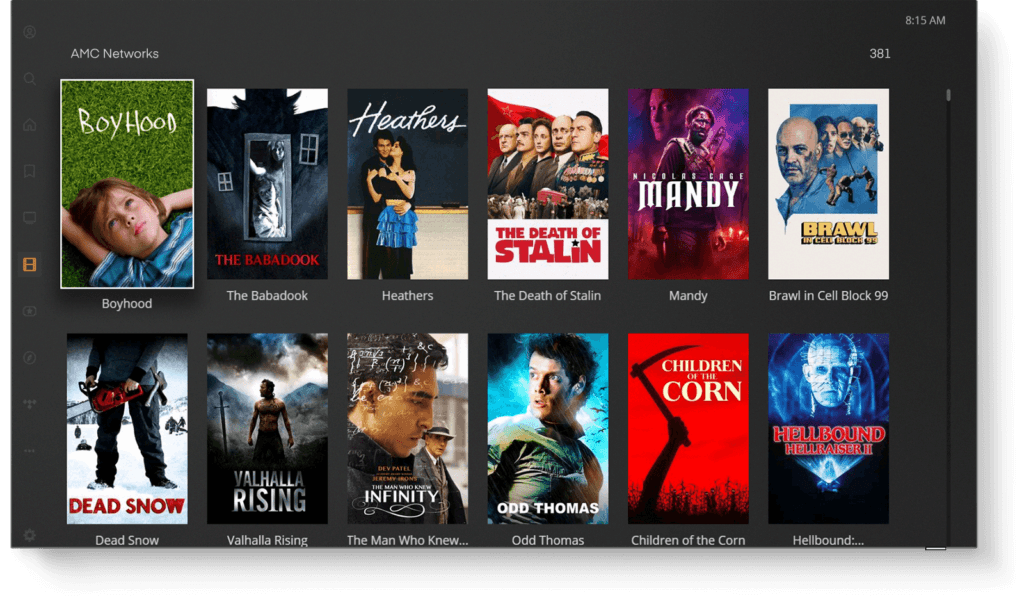
- Navigation: Intuitive menus, clear channel guides (often resembling traditional TV guides), and quick access to recordings and on-demand content are vital.
- Personalization: Algorithms that suggest content based on viewing history enhance engagement, leveraging data analytics to tailor the experience.
- Search Functions: Robust search capabilities, including voice search on many devices, enable users to quickly find live shows, movies, or specific channels.
Picture Quality and Audio Standards
The immersive quality of live TV streaming relies heavily on visual and auditory fidelity.
- HD and 4K: Most services offer HD (720p or 1080p) streaming as standard. The adoption of 4K Ultra HD for live events (especially sports) is growing, though it requires higher bandwidth and compatible hardware.
- Surround Sound: Support for advanced audio formats like Dolby Digital 5.1 enhances the cinematic experience, requiring compatible sound systems. The streaming protocol dynamically adjusts audio and video quality based on bandwidth availability and device capabilities to minimize buffering.
The Future of Live TV: Integration and Personalization
The trajectory of live TV technology points towards even greater integration, intelligence, and user-centricity.
Aggregated Content Hubs and Universal Search
As the number of streaming services proliferates, managing multiple subscriptions and finding specific content across them becomes challenging. The future is likely to see the rise of more sophisticated aggregation platforms and universal search functionalities. These technological solutions will act as a single gateway, allowing users to discover content across all their subscribed services, presenting a unified interface regardless of the underlying content provider. This requires advanced metadata management, cross-service APIs, and robust search algorithms.
AI-Driven Personalization and Recommendations
Artificial intelligence (AI) and machine learning are poised to revolutionize how we discover and interact with live TV. Beyond simple viewing history, AI can analyze a broader spectrum of user behaviors, preferences, and even emotional responses to tailor content recommendations with unprecedented accuracy. This could extend to dynamically altering channel lineups, suggesting specific live events, or even customizing advertising based on real-time emotional and contextual cues, offering a hyper-personalized viewing journey.
Interactive Features and Second-Screen Experiences
The future of live TV will also be more interactive. Imagine real-time polling during a reality show, instant statistics overlays during a sports match, or integrated social media feeds directly within the viewing interface. Second-screen experiences, where a mobile device provides supplementary content, statistics, or interactive elements synchronized with the main TV broadcast, will become more seamless. This requires sophisticated real-time data synchronization between multiple devices and the live stream, blurring the lines between passive viewing and active participation.
In conclusion, watching live TV today is an intricate dance of hardware, software, internet infrastructure, and content licensing. From the fundamental shift to digital delivery to the sophisticated algorithms powering personalized recommendations, technology underpins every aspect. As innovation continues, the ways we consume live television will only become more diverse, intelligent, and tailored to the individual, ensuring that the thrill of real-time viewing remains a cornerstone of entertainment.
aViewFromTheCave is a participant in the Amazon Services LLC Associates Program, an affiliate advertising program designed to provide a means for sites to earn advertising fees by advertising and linking to Amazon.com. Amazon, the Amazon logo, AmazonSupply, and the AmazonSupply logo are trademarks of Amazon.com, Inc. or its affiliates. As an Amazon Associate we earn affiliate commissions from qualifying purchases.