
The landscape of television consumption has undergone a seismic shift, moving away from the monolithic, expensive bundles of traditional cable toward a more fragmented, customizable, and often more affordable future. The question “how can I watch live TV without cable?” is no longer a niche query but a widespread concern for millions seeking to liberate themselves from escalating monthly bills and rigid programming schedules. This comprehensive guide will navigate the technological solutions available, empowering you to cut the cord without sacrificing access to your favorite live broadcasts.
The Cord-Cutting Revolution: Why Ditch Cable?
For decades, cable television was the undisputed king of home entertainment, offering a seemingly endless array of channels. However, the rise of the internet and digital streaming platforms has democratized content delivery, revealing the inherent limitations and frustrations associated with traditional cable subscriptions. Understanding the core drivers behind the cord-cutting phenomenon is the first step toward embracing a new way to watch.
High Costs of Traditional Cable
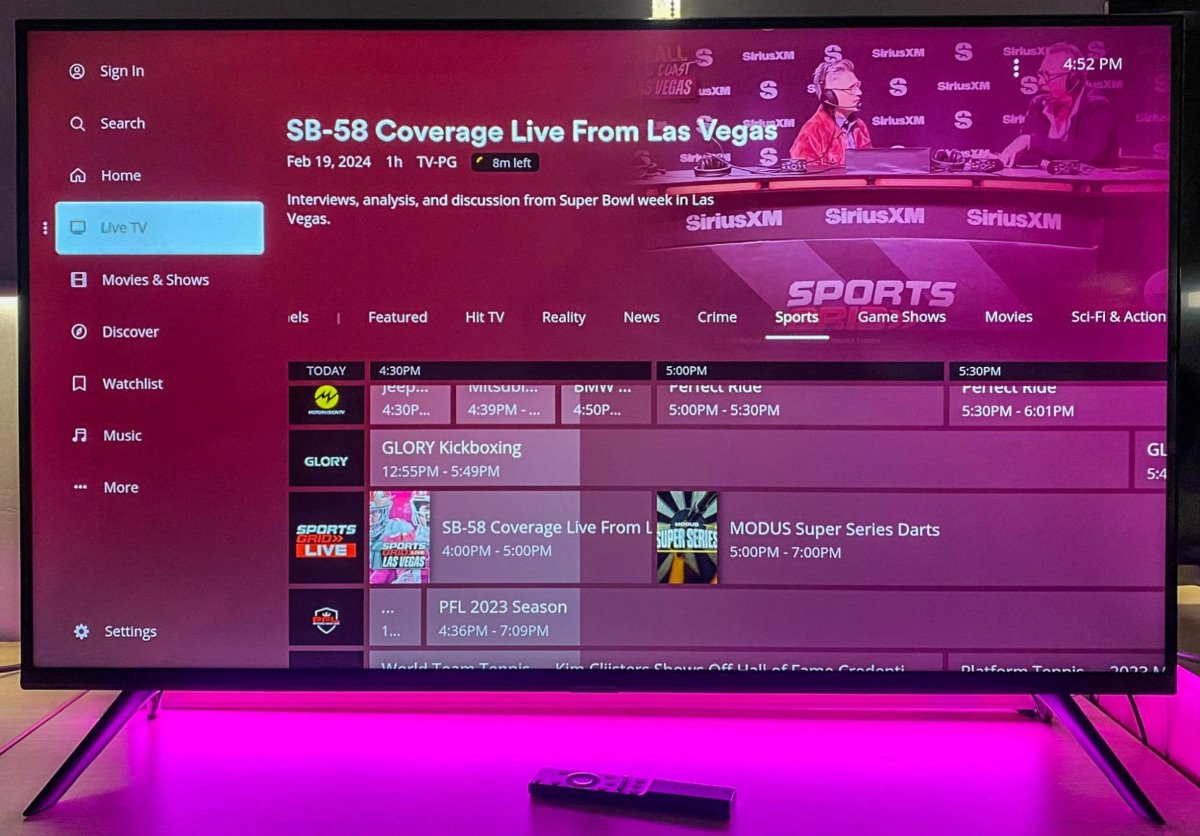
Perhaps the most significant motivator for ditching cable is the exorbitant and ever-increasing cost. Bundled packages, often padded with dozens of channels you never watch, can easily exceed $100-$200 per month when factoring in equipment rental fees, taxes, and hidden surcharges. These costs escalate annually, making cable a luxury many households can no longer justify, especially when alternative entertainment options are so prevalent and competitively priced. The promise of significant monthly savings is a powerful incentive, allowing budgets to be reallocated toward other necessities or more flexible entertainment choices.
Flexibility and Customization
Traditional cable offers a “take it or leave it” approach to programming. You’re presented with predefined channel packages, often forcing you to pay for genres or networks that hold no interest for you. The cord-cutting movement, conversely, champions flexibility and customization. Streaming services operate on a subscription model where you select only the services and content you genuinely want. This à la carte approach allows consumers to curate their entertainment experience, paying only for what they value, whether it’s sports, news, specific drama series, or a blend of everything. Furthermore, streaming doesn’t tie you down to a physical location or a specific device. You can watch on your smart TV, phone, tablet, or computer, at home or on the go, providing unparalleled convenience.
The Rise of Streaming Alternatives
The technological advancements that made cord-cutting viable are rooted in the robust development of internet infrastructure and sophisticated streaming technologies. High-speed broadband has become ubiquitous, capable of delivering high-quality video streams without buffering. Concurrently, a plethora of streaming services have emerged, each carving out a niche in the digital landscape. From on-demand giants like Netflix and Disney+ to live TV streaming services mirroring cable bundles, these alternatives offer diverse content libraries and delivery methods that cater to nearly every taste. This competitive environment fuels innovation and keeps pricing relatively aggressive, further empowering consumers to find exactly what they’re looking for without the cable tether.
Navigating Live TV Streaming Services
For those who still desire the structure and immediacy of live television – whether for news, sports, or prime-time events – a direct replacement for cable has emerged: Live TV streaming services. These platforms mimic the cable experience, offering a bundle of popular channels streamed directly over the internet.
Major Players and Their Offerings
The market for live TV streaming is robust and competitive, with several key players dominating the landscape.
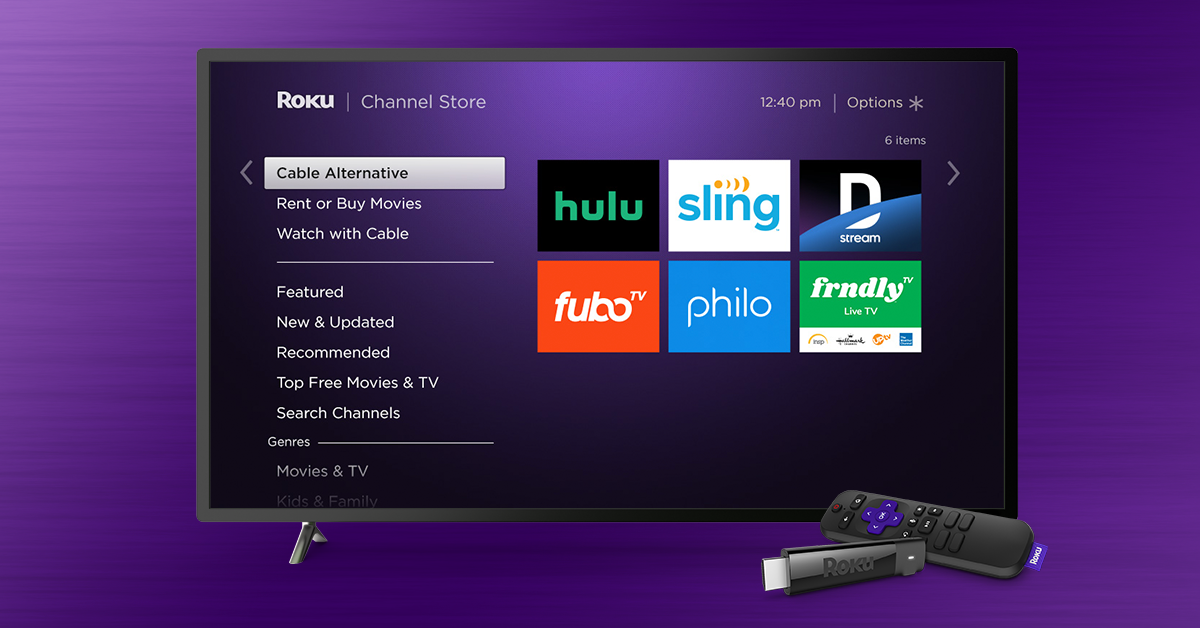
- YouTube TV: Often praised for its excellent user interface and unlimited cloud DVR, YouTube TV offers a comprehensive channel lineup including major broadcast networks, sports channels, and popular cable networks. It’s a strong all-around contender.
- Hulu + Live TV: This service combines Hulu’s extensive on-demand library with a robust selection of live channels. It’s a compelling option for those who want both live TV and a vast library of TV shows and movies.
- Sling TV: Known for its more customizable and budget-friendly approach, Sling TV offers “Orange” and “Blue” base packages, which can be combined or supplemented with various add-on packages. It’s ideal for users who want to save money by picking specific channel groups.
- FuboTV: This service initially focused heavily on sports but has expanded its general entertainment and news offerings significantly. It boasts an impressive array of sports channels and 4K streaming capabilities for select events.
- DirecTV Stream (formerly AT&T TV Now): Positioned as a more premium, cable-like alternative, DirecTV Stream offers various packages, including options with extensive regional sports networks, appealing to those who can’t find specific local sports elsewhere.
Channel Lineups and Package Tiers
Each service features distinct channel lineups and package tiers. It’s crucial to compare these against your must-have channels. For instance, if NFL football is paramount, check which services carry your local CBS, FOX, and NBC affiliates, as well as ESPN and NFL Network. If local news is a priority, ensure the service provides your specific local broadcast stations. Many services offer add-on packages for premium movie channels, international content, or specific sports leagues, allowing for further customization beyond the base tier. Always check the specific channels available in your zip code, as local affiliate availability can vary.
DVR and On-Demand Features
A major advantage of live TV streaming services over traditional cable is their often superior DVR functionality. Most services include cloud DVR capabilities, allowing you to record live broadcasts and watch them later. Many offer unlimited storage, a significant upgrade from the limited storage common with cable boxes. Furthermore, these platforms typically include extensive on-demand libraries for many of the channels they carry, meaning you can often catch up on shows you missed without needing to record them, blurring the lines between live and on-demand content.
Device Compatibility and User Experience
Modern streaming services are designed to be device-agnostic. They are accessible on a wide range of devices, including smart TVs (Samsung, LG, Sony), streaming media players (Roku, Amazon Fire TV, Apple TV, Chromecast), gaming consoles (Xbox, PlayStation), smartphones, tablets, and web browsers. A seamless user experience is critical; test out free trials to evaluate the interface, ease of navigation, and overall performance on your preferred devices. Look for features like multiple user profiles, parental controls, and intuitive channel guides.
Leveraging Free Over-the-Air (OTA) Broadcasts
Before cable, there was antenna TV. And in a surprising twist of technological fate, “old-school” antennas are making a powerful comeback as a core component of many cord-cutting strategies. This isn’t your rabbit ears from the 80s; modern digital antennas offer high-definition content absolutely free.
The Power of Digital Antennas
A modern digital antenna, often a slim, flat panel or a discreet outdoor unit, can pick up over-the-air (OTA) broadcasts from local television stations. These include major networks like ABC, CBS, FOX, NBC, PBS, and The CW, often in stunning high-definition quality – frequently better than compressed cable or even some streaming feeds. Unlike cable or streaming, OTA broadcasts are entirely free after the initial purchase of the antenna. The availability and number of channels will depend on your proximity to broadcast towers and geographical obstructions, but many urban and suburban areas can receive dozens of channels.
Local Channels and High-Definition Quality
For many, access to local news, weather, and major sporting events (like NFL games on CBS or FOX) is a primary reason to keep live TV. A digital antenna provides this essential content without any recurring cost. The signal is uncompressed, meaning the picture quality for OTA HD channels can often surpass what you get from cable or satellite providers, which often compress their signals to fit more channels. This provides a crystal-clear, vibrant viewing experience for major network programming.
DVR Options for OTA (e.g., Tablo, HDHomeRun)
While an antenna provides live viewing, you might still want DVR capabilities. Dedicated OTA DVR devices integrate with your antenna to record broadcasts.
- Tablo: These devices connect to your antenna and home network, allowing you to record shows to an external hard drive. You can then stream your live or recorded OTA content to any device in your home or even remotely via apps. They often require a subscription for full guide data and advanced features.
- HDHomeRun: These tuners convert the antenna signal into an IP stream, making your live TV available across your home network. You can then use various third-party DVR software (like Plex Pass, Channels DVR, or Windows Media Center) or specific apps to record and watch content on multiple devices. HDHomeRun typically doesn’t require a subscription for basic functionality.
These solutions allow you to pause, rewind, and record live antenna TV, transforming the free broadcasts into a fully functional DVR experience that rivals any cable or streaming service.
Exploring Niche and Supplementary Streaming Options
Beyond comprehensive live TV streaming bundles and free OTA broadcasts, a rich ecosystem of niche and supplementary streaming options exists, offering even more ways to access live content, often for free or at a minimal cost.
Free Ad-Supported TV (FAST) Services
The Free Ad-Supported TV (FAST) market has exploded, offering a vast array of live, linear channels (think traditional TV channels, but streamed) supported by commercials. These services are completely free and require no subscription.
- Pluto TV: Owned by Paramount, Pluto TV offers hundreds of channels across various genres, including movies, TV shows, news, sports, and even dedicated channels for specific franchises or topics.
- Tubi: Fox-owned Tubi provides a large library of on-demand movies and TV shows, alongside a growing selection of live, linear channels featuring news, entertainment, and niche content.
- Peacock (Free Tier): NBCUniversal’s Peacock offers a substantial free tier with access to select live news, sports (including some Premier League matches), and a rotating selection of on-demand content.
- The Roku Channel, Amazon Freevee, Xumo Play: These are other prominent FAST services, each bringing their unique content offerings and live channels to the table.
FAST services are excellent for casual viewing, background noise, or discovering new content without any financial commitment.
Network-Specific Apps and Live Streams
Many individual broadcast and cable networks offer their own apps or websites that provide live streaming access to their programming. While some require a cable or live TV streaming service login (known as “TV Everywhere”), others provide limited live content for free, especially for news or special events. For instance, apps like CBS News, ABC News Live, or NBC News NOW often offer 24/7 live news streams without requiring a subscription. During major events like elections or breaking news, many networks will temporarily unlock their live streams for wider public access.
VPNs for Geo-Unrestricted Content
A Virtual Private Network (VPN) can technically be used to access geo-restricted content from different regions. For example, if a specific sporting event is being broadcast free on a public broadcaster’s website in another country, a VPN could theoretically allow you to appear as if you are browsing from that country, granting access to the live stream. However, it’s crucial to understand the implications:
- Legality and Terms of Service: While VPNs are legal tools, using them to bypass geo-restrictions might violate the terms of service of the streaming provider.
- Performance: VPNs can introduce latency and reduce streaming quality due to the encryption and rerouting of your internet traffic.
- Reliability: Streaming services are constantly improving their VPN detection, so consistent access is not guaranteed.
Use VPNs with caution and always adhere to legal and ethical guidelines.
Essential Gadgets and Setup for Cord-Cutters
Cutting the cord successfully requires more than just picking streaming services; it involves setting up a robust and efficient home entertainment ecosystem. The right hardware and network configuration are crucial for a smooth, high-quality viewing experience.
Streaming Devices
While many modern smart TVs come with integrated streaming apps, dedicated streaming media players often offer a superior experience in terms of speed, interface, and access to a wider range of apps.
- Roku: Known for its extensive app library, user-friendly interface, and broad device range from budget-friendly sticks to high-end players.
- Amazon Fire TV: Deeply integrated with Amazon’s ecosystem, Fire TV devices offer Alexa voice control, a large app selection, and often come with useful features like headphone jacks on their remotes.
- Apple TV: A premium option offering excellent performance, tight integration with Apple’s services, and a sleek user experience, particularly for those already invested in the Apple ecosystem.
- Google Chromecast with Google TV: Blends the casting capabilities of traditional Chromecast with a full-fledged smart TV interface, powered by Google TV, making content discovery intuitive.
These devices are the gateways to your chosen streaming services, delivering the content to your television with crisp visuals and clear audio.
Robust Internet Connection Requirements
The backbone of any cord-cutting setup is a fast and reliable internet connection. Unlike cable TV, which uses a separate coaxial cable network, all streaming content relies on your home internet.
- Speed: For high-definition (HD) streaming, a minimum of 25 Mbps is generally recommended for a single user. For multiple users, 4K streaming, or a household with many connected devices, speeds of 100 Mbps or higher are advisable to prevent buffering and ensure smooth playback.
- Data Caps: Be mindful of any data caps imposed by your Internet Service Provider (ISP). Heavy streaming can consume significant data, potentially leading to overage charges if you exceed your monthly allowance. Many ISPs offer unlimited data plans, which are highly recommended for cord-cutters.
Optimizing Your Home Network
Even with fast internet, a poorly configured home network can bottleneck your streaming experience.
- Wi-Fi Router: Invest in a modern Wi-Fi router that supports current standards (e.g., Wi-Fi 6) and can handle multiple devices simultaneously. Place it centrally in your home, away from obstructions.
- Ethernet Connection: Whenever possible, connect your primary streaming device (e.g., your smart TV or main streaming player) directly to your router via an Ethernet cable. This provides the most stable and fastest connection, eliminating potential Wi-Fi interference.
- Mesh Wi-Fi Systems: For larger homes or those with dead spots, a mesh Wi-Fi system can significantly improve coverage and performance, ensuring strong Wi-Fi signals in all areas where you stream.
Regularly restart your router and modem to clear any temporary glitches and ensure optimal performance.
Conclusion: Embracing the Future of Television
Watching live TV without cable is not only possible but increasingly preferable for a growing number of consumers. By understanding the technological alternatives, from comprehensive live TV streaming services and free over-the-air broadcasts to niche ad-supported platforms, you can craft a personalized, cost-effective entertainment solution that perfectly fits your viewing habits and budget. The cord-cutting revolution is more than just saving money; it’s about reclaiming control over your television experience, embracing flexibility, and leveraging modern technology to access the content you want, on your terms. The future of television is here, and it’s gloriously cable-free.
aViewFromTheCave is a participant in the Amazon Services LLC Associates Program, an affiliate advertising program designed to provide a means for sites to earn advertising fees by advertising and linking to Amazon.com. Amazon, the Amazon logo, AmazonSupply, and the AmazonSupply logo are trademarks of Amazon.com, Inc. or its affiliates. As an Amazon Associate we earn affiliate commissions from qualifying purchases.