
For anyone tracking the volatile and often exhilarating world of cryptocurrencies, the concept of an “All-Time High” (ATH) holds a significant allure. It represents a peak of market enthusiasm, a confluence of demand, speculation, and utility that propels an asset to its maximum value. For XRP, a cryptocurrency designed for rapid, low-cost global payments, its journey to its ATH is a fascinating case study in market dynamics, regulatory challenges, and community resilience. Understanding XRP’s all-time high isn’t just about recalling a specific price point; it’s about dissecting the economic forces, technological aspirations, and investor sentiment that propelled it there, and the lessons that can be drawn for future investment strategies.

This article delves into XRP’s historic peak, exploring the environment that fostered its incredible ascent, the subsequent challenges it faced, and what its past performance might signify for its future trajectory within the ever-evolving financial landscape. For investors, both seasoned and novice, grasping the nuances of an asset’s ATH provides critical context for evaluating its risk profile, potential for growth, and long-term viability.
The Phenomenon of XRP and Its Market Position
Before dissecting its peak performance, it’s crucial to establish a foundational understanding of what XRP is and its unique position within the sprawling cryptocurrency ecosystem. Unlike many cryptocurrencies that emerged from a decentralized ethos, XRP was designed with a clear, institutional-focused mission from its inception.
What is XRP? A Brief Overview
XRP is the native cryptocurrency of the XRP Ledger, an open-source, permissionless, and decentralized blockchain technology. It was created by Jed McCaleb, Chris Larsen, and Arthur Britto in 2012. The primary goal of XRP is to facilitate fast, low-cost, and scalable cross-border payments and remittances, acting as a bridge currency between different fiat currencies or other cryptocurrencies. Its transaction finality typically takes 3-5 seconds, significantly faster and cheaper than traditional banking systems or even many other blockchain networks.
Ripple vs. XRP: Clarifying the Relationship
A common point of confusion for new entrants into the crypto space is the distinction between “Ripple” and “XRP.” Ripple is a private technology company that developed the XRP Ledger and continues to be a major holder of XRP. Ripple offers various enterprise solutions built on the XRP Ledger, such as On-Demand Liquidity (ODL), which leverages XRP to enable real-time international settlements. While Ripple uses XRP in its products and solutions, XRP itself is an independent, open-source digital asset that can be traded and used by anyone, irrespective of their relationship with Ripple. Ripple’s fortunes and XRP’s market performance are often intertwined due to the company’s significant holdings and active development, but they are not interchangeable entities.
XRP’s Utility and Target Market
XRP’s core utility lies in its efficiency as a remittance and liquidity tool. It aims to disrupt the SWIFT system, which is notorious for its slowness and high costs in international transactions. By providing an instant, transparent, and significantly cheaper alternative, XRP targets financial institutions, payment providers, and corporations that conduct large volumes of cross-border transactions. Its underlying technology, the XRP Ledger Consensus Protocol, allows for high transaction throughput (up to 1,500 transactions per second) without relying on energy-intensive Proof-of-Work mining, distinguishing it from Bitcoin and Ethereum in terms of operational model and environmental impact.
Pinpointing XRP’s All-Time High (ATH)
The moment an asset reaches its all-time high is often a day etched into the collective memory of its holders. For XRP, this occurred during a period of unprecedented bullishness in the broader cryptocurrency market.
The Exact Peak: Price and Date
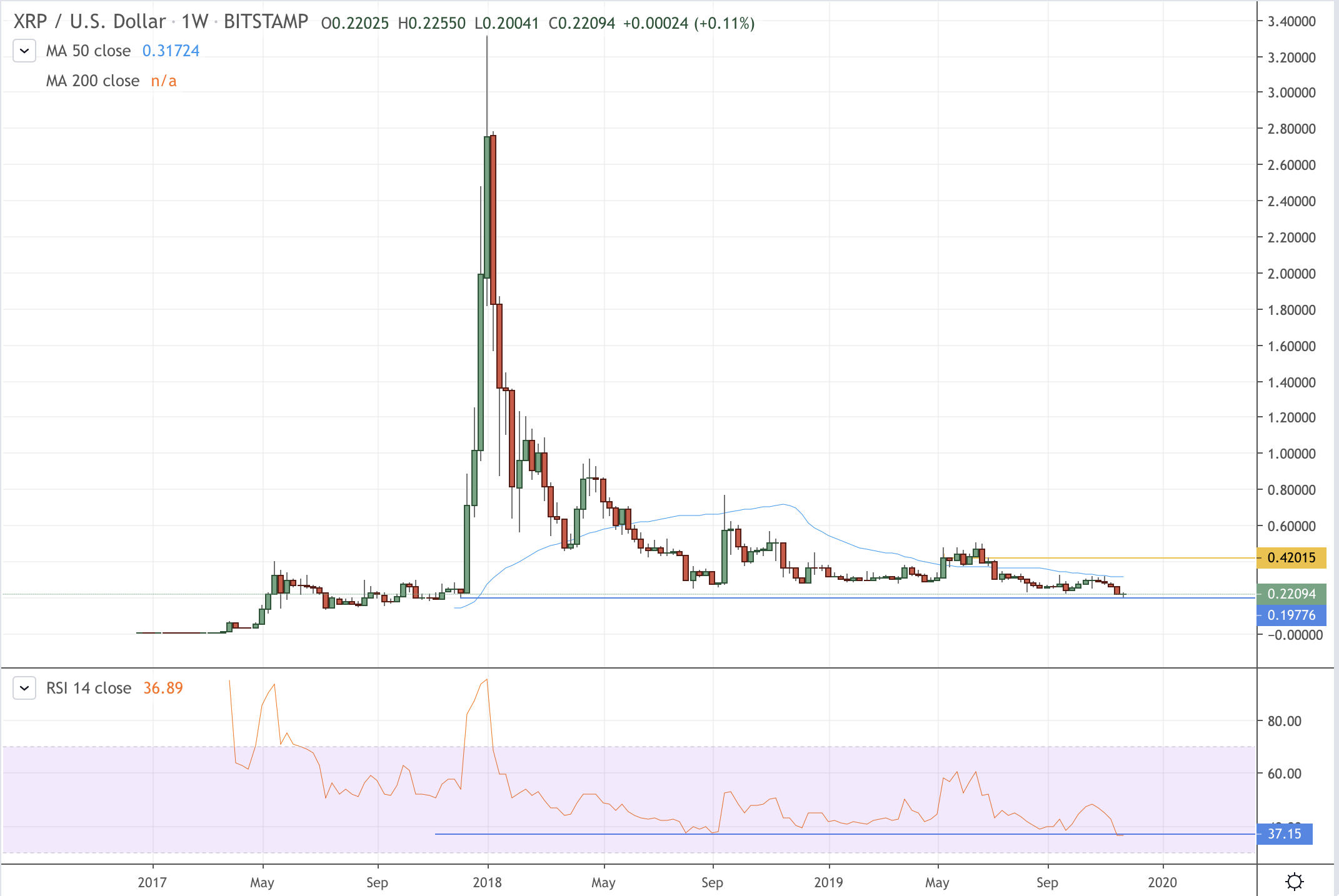
XRP reached its undisputed all-time high on January 7, 2018, when its price soared to approximately $3.84 per token. This remarkable surge represented an exponential growth from its earlier trading values, capturing the attention of both crypto enthusiasts and mainstream financial media. To put this into perspective, XRP was trading well below $0.01 for much of its early life and had only crossed the $0.20 mark a few months prior.
Factors Contributing to the 2018 Surge
Several confluence factors propelled XRP to its stratospheric valuation in early 2018:
- The 2017-2018 Crypto Bull Run: This period was characterized by a broad market frenzy, often dubbed “the ICO boom,” where virtually all cryptocurrencies experienced significant price appreciation. Bitcoin’s surge to nearly $20,000 acted as a magnet, drawing in unprecedented levels of retail investment into the altcoin market.
- Increased Visibility and Media Attention: As crypto became a mainstream topic, XRP, with its clear institutional use case and connections to existing financial systems via Ripple, gained considerable media coverage. This exposure attracted new investors seeking the “next big thing” after Bitcoin’s rally.
- Rumors and Speculation of Bank Adoption: There was intense speculation, fueled by Ripple’s marketing efforts and partnerships, that numerous major banks and financial institutions were on the verge of adopting XRP for their cross-border payment solutions. While some partnerships were announced, the scale of direct XRP adoption by large banks for liquidity wasn’t as widespread as the market initially anticipated.
- Listing on Major Exchanges: Increased accessibility through listings on popular cryptocurrency exchanges expanded XRP’s trading liquidity and made it easier for a broader audience to purchase the asset.
- Favorable Market Sentiment: The general sentiment was overwhelmingly bullish, with a strong belief in the transformative potential of blockchain technology and cryptocurrencies to revolutionize finance. This sentiment created a “fear of missing out” (FOMO) effect, driving rapid price increases.
Historical Context: The Crypto Bull Run of 2017-2018
The 2017-2018 bull run was a pivotal moment in cryptocurrency history. It marked the first time digital assets truly captured global attention beyond niche tech circles. Driven by a blend of technological optimism, speculative fervor, and increasing liquidity, market capitalizations exploded. XRP’s ATH must be viewed within this broader context. Many altcoins experienced similar, if not more dramatic, percentage gains during this period, often driven by retail enthusiasm and the relatively nascent understanding of market cycles. The subsequent “crypto winter” that followed, characterized by prolonged price declines, served as a harsh but valuable lesson in market volatility and the inherent risks of speculative assets.
Analyzing the Drivers Behind Cryptocurrency ATHs
Understanding what pushes an asset like XRP to its ATH involves looking beyond individual factors and recognizing the interplay of broader market forces. Cryptocurrency markets are unique, combining elements of traditional finance with novel technological and community dynamics.
Market Sentiment and Speculation
Perhaps the most potent short-term driver of any cryptocurrency’s price, and especially its ATH, is market sentiment. Positive news, influential endorsements, or even viral social media trends can create a self-fulfilling prophecy of rising prices. Speculation, the act of buying an asset in the hope that its price will increase, often forms a significant portion of trading volume during bull markets. While utility and fundamentals are important long-term drivers, sentiment and speculative waves can temporarily decouple an asset’s price from its intrinsic value, leading to dramatic peaks. The “fear of missing out” (FOMO) phenomenon is a powerful psychological factor that pushes prices higher as more participants jump in, fearing they will be left behind.
Utility, Adoption, and Partnerships
For an asset to sustain its value and potentially reach new ATHs in the long run, its underlying utility and adoption are paramount. For XRP, this means its effectiveness in facilitating cross-border payments and its integration into financial systems. Partnerships with financial institutions, payment processors, and businesses that leverage the XRP Ledger or XRP itself provide real-world demand and validate its value proposition. Each successful integration or announcement of a pilot program can act as a catalyst, signaling growing utility and strengthening investor confidence, which then translates into price appreciation.
Macroeconomic Factors and Regulatory Landscape
The broader economic environment also plays a crucial role. Periods of low interest rates, high liquidity, and inflation concerns in traditional markets can make alternative assets like cryptocurrencies more attractive as stores of value or speculative investments. Conversely, rising interest rates or economic uncertainty can lead to capital flight from riskier assets.
Crucially, the regulatory landscape is a constant and significant factor for cryptocurrencies. Unclear or unfavorable regulations can stifle innovation, deter institutional investment, and create uncertainty. Conversely, clear and supportive regulatory frameworks can legitimize assets and pave the way for broader adoption. For XRP, the ongoing legal battle with the U.S. Securities and Exchange Commission (SEC) has cast a long shadow over its market performance, illustrating the profound impact of regulatory actions.
The Role of Whales and Institutional Investment
“Whales” – individuals or entities holding a large amount of a particular cryptocurrency – can significantly influence market prices through large buy or sell orders. Their movements can signal shifts in sentiment or trigger cascading effects, especially in markets with lower liquidity.
In recent years, institutional investment has become an increasingly important driver. Large hedge funds, asset managers, and even corporations allocating portions of their treasuries to cryptocurrencies bring substantial capital and a degree of legitimacy to the market. Their entry can dramatically increase an asset’s market capitalization and contribute to new ATHs, as they often operate on different time horizons and with greater capital than retail investors.
XRP’s Journey Post-ATH and Future Outlook
After reaching its peak in early 2018, XRP, like most cryptocurrencies, experienced a significant correction, entering a prolonged bear market. Its journey since then has been marked by both steady development and formidable challenges, particularly on the regulatory front.
The Impact of the SEC Lawsuit
In December 2020, the U.S. Securities and Exchange Commission (SEC) filed a lawsuit against Ripple Labs and two of its executives, alleging that XRP was an unregistered security. This lawsuit sent shockwaves through the crypto market and had an immediate, detrimental impact on XRP’s price and market availability, particularly in the U.S. Many exchanges delisted XRP, and financial institutions became hesitant to engage with it due to regulatory uncertainty. The ongoing legal battle has been a primary determinant of XRP’s price action for years, demonstrating the profound influence of regulatory clarity (or lack thereof) on an asset’s financial performance. While Ripple has seen some favorable rulings, the final outcome remains a critical factor for XRP’s future.
Price Volatility and Market Corrections
Cryptocurrencies are inherently volatile assets, and XRP is no exception. Following its ATH, XRP entered a multi-year bear market, shedding a significant portion of its value. Even during subsequent crypto bull runs (e.g., 2020-2021), while XRP saw impressive gains, it struggled to reclaim its 2018 ATH due in part to the ongoing legal cloud. Market corrections are a natural part of asset cycles, often driven by profit-taking, shifts in sentiment, or broader economic downturns. Understanding that an ATH is often followed by a correction is crucial for realistic investment planning.
Potential Catalysts for Future Growth (or Decline)
Several factors could influence XRP’s future price trajectory:
- Resolution of the SEC Lawsuit: A favorable resolution for Ripple could remove a major overhang, potentially leading to relistings on U.S. exchanges and renewed institutional interest, which could be a significant catalyst for growth.
- Increased Adoption of ODL and XRP Ledger: Continued growth in the use of Ripple’s On-Demand Liquidity (ODL) product and other applications built on the XRP Ledger directly increases demand for XRP.
- Technological Advancements: Further enhancements to the XRP Ledger’s capabilities, scalability, or new use cases could attract more developers and users.
- Overall Crypto Market Sentiment: As a significant altcoin, XRP’s price often correlates with the broader cryptocurrency market’s performance, particularly Bitcoin’s movements.
- Global Regulatory Environment: Clear and supportive regulations in other major jurisdictions could offset some of the U.S. regulatory challenges.
Is a New ATH Possible for XRP?
Whether XRP can achieve a new all-time high is a complex question without a simple answer. The original ATH was set during a unique market frenzy that combined immense retail speculation with nascent institutional interest. For XRP to surpass $3.84, it would likely require:
- A definitive and favorable outcome to the SEC lawsuit.
- Significant and demonstrable widespread adoption by financial institutions leveraging XRP for liquidity, moving beyond pilot programs.
- A strong, sustained bull market across the entire crypto ecosystem, possibly driven by new institutional inflows and broader macroeconomic tailwinds.
- Innovations and new use cases for the XRP Ledger that attract a wider user base.
While historical performance is never an indicator of future results, the potential for these catalysts, combined with XRP’s established infrastructure and utility, means a new ATH is not outside the realm of possibility, though it would likely be driven by more fundamental factors than pure speculation this time around.
Strategic Considerations for Investors
Investing in cryptocurrencies, especially those that have experienced significant volatility like XRP, requires a disciplined and informed approach. Understanding the financial implications of past performance and future potential is paramount.
Understanding Risk and Volatility in Crypto
Cryptocurrencies are high-risk, high-reward assets. Their prices can fluctuate dramatically over short periods, far more than traditional assets like stocks or bonds. Investors must be prepared for potential significant losses and should only invest capital they can afford to lose. The allure of an ATH can be powerful, but it’s crucial to remember that past peaks don’t guarantee future ones, and corrections are an inherent part of the market cycle.
Diversification and Portfolio Management
A fundamental principle of sound financial management is diversification. Spreading investments across different asset classes and within the crypto space (e.g., Bitcoin, Ethereum, and a selection of altcoins with varying use cases) can mitigate risk. Relying too heavily on a single asset like XRP, no matter its potential, exposes an investor to undue concentration risk, especially given the ongoing regulatory uncertainties.
The Importance of Due Diligence and Research
Blindly following hype or social media trends is a recipe for financial disappointment. Before investing in XRP or any cryptocurrency, thorough due diligence is essential. This includes:
- Understanding the technology: What problem does it solve? How does it work?
- Analyzing the team and ecosystem: Who are the key players? What is their track record?
- Evaluating the market and competition: What is its niche? Who are its rivals?
- Monitoring regulatory developments: How might current or future regulations impact the asset?
- Reviewing financial reports and market data: Understanding historical price action, trading volumes, and market capitalization.

Long-Term vs. Short-Term Investment Perspectives
Investors should clearly define their investment horizon. Short-term trading strategies often involve attempting to profit from price fluctuations, which is highly challenging and risky. A long-term investment perspective, often referred to as “hodling” in crypto jargon, involves buying and holding an asset with the belief in its fundamental value and future growth, riding out short-term volatility. For an asset like XRP, with its institutional focus and long-term vision for transforming global payments, a long-term perspective might be more aligned with its core utility, provided one is comfortable with the associated risks and regulatory uncertainties.
In conclusion, XRP’s all-time high of approximately $3.84 on January 7, 2018, stands as a testament to the powerful forces that can drive cryptocurrency valuations. It was a product of a unique market environment characterized by widespread bullish sentiment, speculative fervor, and a burgeoning interest in blockchain technology. While the path since has been fraught with challenges, particularly regulatory ones, XRP continues to evolve. For investors, its history serves as a potent reminder of both the immense potential and inherent risks within the cryptocurrency market, underscoring the enduring importance of informed decision-making, prudent risk management, and a clear understanding of an asset’s fundamental utility and market dynamics.
aViewFromTheCave is a participant in the Amazon Services LLC Associates Program, an affiliate advertising program designed to provide a means for sites to earn advertising fees by advertising and linking to Amazon.com. Amazon, the Amazon logo, AmazonSupply, and the AmazonSupply logo are trademarks of Amazon.com, Inc. or its affiliates. As an Amazon Associate we earn affiliate commissions from qualifying purchases.