
In an era of unprecedented financial accessibility and a myriad of investment options, the question “Where do you invest?” transcends a simple query; it’s an invitation to a strategic conversation about personal financial goals, risk tolerance, and long-term wealth accumulation. For many, investing can seem like a daunting labyrinth of jargon, market volatility, and endless choices. However, with the right understanding and a structured approach, anyone can embark on a successful investment journey. This comprehensive guide aims to demystify the investment landscape, offering insights into various asset classes, strategic considerations, and the tools available to empower your financial future.

Understanding Your Investment Foundation
Before diving into specific investment vehicles, it’s crucial to lay a solid foundation by understanding your personal financial context. This involves introspection and honest assessment of your current situation and future aspirations.
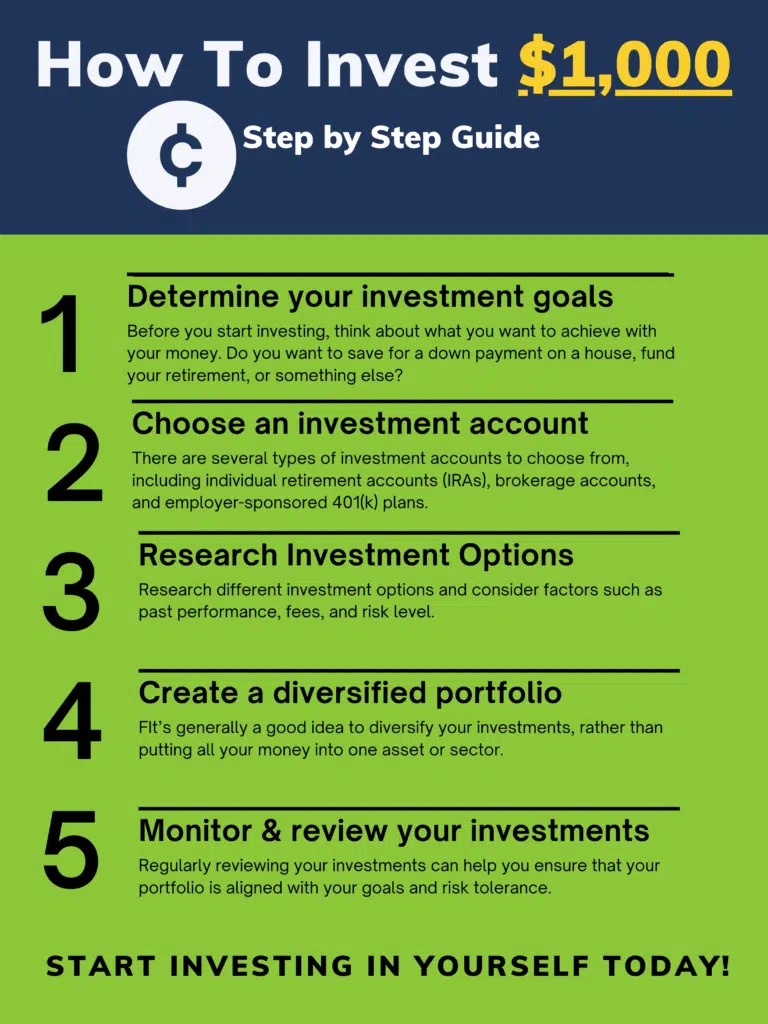
Defining Your Financial Goals
Every investment decision should be tethered to a clear financial goal. These goals typically fall into three categories:
- Short-term Goals (1-3 years): This might include saving for a down payment on a car, a significant vacation, or building an emergency fund. For these goals, liquidity and capital preservation are paramount, often leading to lower-risk investments.
- Mid-term Goals (3-10 years): Saving for a home down payment, funding a child’s education, or starting a business are common mid-term objectives. Here, a moderate balance of growth and stability is often sought.
- Long-term Goals (10+ years): Retirement planning, significant wealth accumulation, or leaving an inheritance are classic long-term aspirations. These goals allow for greater risk tolerance and a focus on compounding returns over extended periods.
Clearly defining these goals helps in selecting appropriate investment strategies and managing expectations regarding returns and volatility.
Assessing Your Risk Tolerance
Your risk tolerance is your psychological comfort level with the potential for losing money in exchange for higher returns. It’s a critical factor that should guide all your investment decisions.
- Conservative Investors: Prioritize capital preservation and are uncomfortable with market fluctuations. They typically favor low-risk assets like savings accounts, certificates of deposit (CDs), and high-quality bonds.
- Moderate Investors: Are willing to accept some level of risk for potentially higher returns, often balancing growth-oriented assets with more stable ones.
- Aggressive Investors: Are comfortable with significant market volatility and potential short-term losses in pursuit of substantial long-term gains. They often allocate a larger portion of their portfolio to equities, alternative investments, or emerging markets.
It’s important to differentiate between your emotional reaction to market swings and your actual capacity for risk, which is determined by factors like your age, income stability, and time horizon. A younger investor with a stable income and decades until retirement generally has a higher capacity for risk, even if their tolerance is moderate.
The Importance of a Diversified Portfolio
Diversification is often called the “only free lunch in investing.” It’s the strategy of spreading your investments across various asset classes, industries, and geographies to minimize risk. The core principle is that not all investments move in the same direction at the same time. When one part of your portfolio is underperforming, another might be outperforming, thereby smoothing out overall returns and protecting against significant losses. A well-diversified portfolio typically includes a mix of stocks, bonds, real estate, and potentially alternative assets, tailored to your goals and risk tolerance.
Traditional Investment Avenues
Once your foundation is solid, you can explore the established pillars of the investment world. These traditional avenues have formed the bedrock of wealth creation for generations.
Stocks: Equities for Growth and Income
Stocks represent ownership shares in a company. Investing in stocks means you become a partial owner, with the potential to profit from the company’s growth and profitability.
- Individual Stocks vs. ETFs/Mutual Funds:
- Individual Stocks: Offer direct ownership in a specific company. While they can provide significant gains if the company performs well, they also carry higher individual risk. Researching individual stocks requires considerable time and expertise.
- Exchange-Traded Funds (ETFs) and Mutual Funds: These are professionally managed portfolios that hold a basket of stocks (or other securities). They offer instant diversification across many companies, industries, or even entire markets (e.g., S&P 500 index funds), making them an excellent choice for most investors. ETFs generally have lower expense ratios and trade like stocks, while mutual funds are typically bought and sold at the end of each trading day based on their Net Asset Value (NAV).
- Growth vs. Value Investing:
- Growth Investing: Focuses on companies expected to grow earnings and revenue at an above-average rate, often regardless of their current valuation. These companies typically reinvest profits for expansion and may not pay dividends.
- Value Investing: Involves identifying companies whose stock prices appear to be trading below their intrinsic value. Value investors look for strong companies that are undervalued by the market, often paying dividends.
Bonds: Fixed Income for Stability
Bonds are essentially loans made by an investor to a borrower (typically a corporation or government). In return for the loan, the borrower promises to pay regular interest payments over a specified period and return the principal amount at maturity.
- Government vs. Corporate Bonds:
- Government Bonds: Issued by national, state, or municipal governments. They are generally considered lower risk, especially those from stable governments (like U.S. Treasury bonds), but offer lower yields.
- Corporate Bonds: Issued by companies to finance their operations. They carry higher risk than government bonds, as companies can default, but offer potentially higher yields to compensate for that risk.
- Yield and Duration Considerations: The bond’s yield is the return an investor receives on the bond. Duration measures a bond’s sensitivity to interest rate changes; longer duration bonds are more sensitive to rising interest rates, which can decrease their market value. Bonds play a crucial role in diversifying a portfolio, providing a stream of income, and acting as a hedge against stock market volatility.
Real Estate: Tangible Assets and Passive Income
Real estate investment involves purchasing property—land or buildings—with the expectation of generating income or appreciation. It’s a tangible asset that can serve as a hedge against inflation.
- Direct Ownership vs. REITs (Real Estate Investment Trusts):
- Direct Ownership: Involves purchasing physical property, such as residential homes, commercial buildings, or undeveloped land. This can offer significant control and potential for capital appreciation and rental income, but requires substantial capital, ongoing management, and can be illiquid.
- REITs: Are companies that own, operate, or finance income-producing real estate. They are publicly traded on exchanges, similar to stocks, providing investors with an accessible and liquid way to invest in diversified real estate portfolios without the burdens of direct ownership.
- Residential vs. Commercial Properties: Residential properties (apartments, houses) are generally more stable but have lower growth potential. Commercial properties (offices, retail, industrial) can offer higher returns but often come with higher vacancy risks and greater capital requirements.
Modern and Alternative Investment Opportunities
Beyond the traditional, the financial landscape has evolved to offer a range of modern and alternative investments, some with higher risk-reward profiles.
Cryptocurrencies: Digital Assets with High Volatility
Cryptocurrencies like Bitcoin and Ethereum are decentralized digital assets built on blockchain technology. They have gained significant attention for their potential to disrupt traditional finance and for their explosive price appreciation.
- Understanding Blockchain Technology: The underlying technology, blockchain, is a distributed public ledger that records all transactions, making them secure and transparent. Understanding this technology is key to appreciating the potential and limitations of crypto.
- Risk Management in Crypto Investing: Cryptocurrencies are highly volatile and speculative. Prices can fluctuate wildly, and regulatory landscapes are still evolving. Investors should only allocate a small portion of their portfolio (typically 1-5%) that they are prepared to lose, and conduct thorough research on individual projects.
Peer-to-Peer Lending: Direct Investment in Loans
Peer-to-peer (P2P) lending platforms connect individual borrowers with individual lenders, bypassing traditional financial institutions. Investors can earn interest by funding portions of personal loans, business loans, or real estate loans.
- Platforms and Risk Assessment: Platforms like LendingClub or Prosper vet borrowers, but investors still bear credit risk. Diversifying across many small loans and understanding the platform’s default rates are crucial risk mitigation strategies.
Precious Metals and Commodities: Hedges Against Inflation
Assets like gold, silver, oil, and agricultural products are known as commodities. Precious metals, in particular, are often considered a safe haven during economic uncertainty and a hedge against inflation.
- Gold, Silver, Oil, Agriculture: Investors can gain exposure through physical holdings, futures contracts, or commodity-focused ETFs. While they can offer diversification and inflation protection, commodity prices can be highly volatile and influenced by global supply and demand dynamics.
Private Equity and Venture Capital: High-Growth Potential
These are typically investments in private companies not traded on public exchanges.
- Private Equity: Involves investing in mature private companies or taking public companies private.
- Venture Capital: Focuses on funding startups and early-stage companies with high growth potential.
Both require significant capital, are illiquid, and typically reserved for accredited investors due to their high risk and long lock-up periods, but offer the potential for substantial returns.
Strategies for Smart Investing
Successful investing isn’t just about choosing the right assets; it’s also about employing smart strategies to manage risk and maximize returns over time.
Dollar-Cost Averaging: Mitigating Market Volatility
Dollar-cost averaging (DCA) is a strategy where you invest a fixed amount of money at regular intervals (e.g., $100 every month), regardless of the asset’s price. When prices are high, your fixed amount buys fewer shares; when prices are low, it buys more shares. This approach automatically reduces your average cost per share over time and removes the emotion of trying to time the market.
Rebalancing Your Portfolio: Maintaining Your Desired Asset Allocation
Over time, the market performance of different asset classes can cause your portfolio’s original asset allocation to drift. Rebalancing involves periodically adjusting your portfolio back to your target allocation by selling assets that have overperformed and buying those that have underperformed. This helps you maintain your desired risk level and can be a disciplined way to “buy low and sell high.”
Tax-Efficient Investing: Utilizing Retirement Accounts and Tax-Loss Harvesting
Understanding tax implications is vital for maximizing net returns.
- Retirement Accounts (IRAs, 401ks): Utilizing tax-advantaged accounts like 401(k)s and Individual Retirement Accounts (IRAs) allows your investments to grow tax-deferred or even tax-free (in the case of Roth accounts), significantly boosting long-term returns.
- Tax-Loss Harvesting: This strategy involves selling investments at a loss to offset capital gains and potentially a limited amount of ordinary income, reducing your overall tax bill.
The Power of Compound Interest: Starting Early and Staying Consistent
Compound interest is often hailed as the “eighth wonder of the world.” It’s the process where the interest you earn also starts earning interest. The earlier you start investing, and the more consistently you contribute, the more time your money has to compound, leading to exponential growth over decades. Even small, regular contributions can grow into substantial wealth over a long time horizon.
Tools and Resources for the Modern Investor
The digital age has democratized investing, offering a wealth of tools and resources previously available only to institutional investors.
Robo-Advisors: Automated and Low-Cost Investing
Robo-advisors are digital platforms that use algorithms to provide automated, low-cost investment management. They typically build and manage diversified portfolios based on your financial goals and risk tolerance, making them an excellent option for beginners or those who prefer a hands-off approach. Examples include Betterment and Wealthfront.
Discount Brokerages: Self-Directed Investing Platforms
For those who prefer to manage their own investments, discount brokerages like Fidelity, Charles Schwab, Vanguard, and E*TRADE offer platforms to buy and sell stocks, ETFs, mutual funds, and bonds with low or even zero commissions. They often provide research tools, educational resources, and customer support.
Financial Advisors: Personalized Guidance for Complex Portfolios
For individuals with complex financial situations, substantial assets, or specific estate planning needs, working with a qualified human financial advisor can be invaluable. They offer personalized advice, comprehensive financial planning, and can help navigate intricate investment strategies and tax considerations. Look for fiduciaries who are legally obligated to act in your best interest.
Continuous Learning: Books, Podcasts, and Reputable Financial News Sources
The world of investing is dynamic, and continuous learning is crucial. Reputable financial news outlets (e.g., The Wall Street Journal, Financial Times, Bloomberg), investment books by renowned experts (e.g., Benjamin Graham, Warren Buffett, John Bogle), and educational podcasts can provide ongoing insights, help you stay informed, and refine your investment philosophy.
Ultimately, where you invest is a deeply personal decision, shaped by your unique financial circumstances, aspirations, and comfort with risk. By understanding the foundational principles, exploring the diverse array of investment avenues, employing smart strategies, and leveraging modern tools, you can confidently navigate the investment landscape and build a robust path toward achieving your financial freedom. The most important step is often the first one: starting your investment journey with a clear plan and a commitment to consistency.
aViewFromTheCave is a participant in the Amazon Services LLC Associates Program, an affiliate advertising program designed to provide a means for sites to earn advertising fees by advertising and linking to Amazon.com. Amazon, the Amazon logo, AmazonSupply, and the AmazonSupply logo are trademarks of Amazon.com, Inc. or its affiliates. As an Amazon Associate we earn affiliate commissions from qualifying purchases.