
Los Angeles is more than just a sprawling metropolis; it’s a meticulously curated collection of brand experiences, each designed to capture the imagination and leave an indelible mark. From the glittering allure of Hollywood to the serene artistic havens and the vibrant coastal stretches, every “place to visit” in LA tells a story, carefully shaped by strategic branding, clever marketing, and thoughtful design. This article delves into the sophisticated world of place branding, exploring how these powerful forces transform mere geographical locations into iconic, globally recognized destinations, defining not just what we see, but how we feel and what we expect when we encounter the City of Angels. We’ll uncover the strategies behind LA’s enduring appeal, examining how its landmarks, cultural institutions, and entertainment hubs leverage brand principles to create unforgettable visitor journeys.
The Art of Place Branding: LA’s Iconic Landmarks as Global Brands
At the heart of Los Angeles’s magnetic pull lies an exceptional mastery of place branding. The city’s most famous landmarks are not just physical locations; they are powerful, multi-sensory brands that evoke specific emotions, aspirations, and cultural narratives. This deliberate cultivation of identity transforms sightseeing into an immersive brand experience, drawing millions annually and cementing LA’s status as a global icon.
Hollywood’s Enduring Legacy: A Masterclass in Mythology and Storytelling
Hollywood is arguably the ultimate case study in place branding, a name synonymous worldwide with dreams, glamour, and the magic of cinema. Its brand identity is built upon a foundation of mythology and storytelling, carefully woven over decades. The Hollywood Walk of Fame, for instance, is a tangible representation of celebrity, aspiration, and achievement, its stars serving as physical touchpoints for a global brand narrative. The TCL Chinese Theatre (formerly Grauman’s Chinese Theatre), with its iconic handprints and footprints of legends, offers visitors a direct, almost sacred, connection to the stars, reinforcing Hollywood’s status as the epicenter of entertainment. Even the distant Hollywood Sign, a simple arrangement of letters on a hillside, functions as a powerful, minimalist logo—a beacon that instantly communicates the city’s aspirations and its connection to the entertainment industry.
The branding strategy for these landmarks leverages nostalgia, aspirational messaging, and the universal human desire for fame and recognition. Marketing efforts consistently tap into this dream-building, utilizing celebrity culture, historical reverence, and the promise of “being where it all happens” to attract visitors. Every photo opportunity, every souvenir, and every guided tour is meticulously crafted to reinforce Hollywood’s enduring brand as the land where stars are made and dreams come true, creating a brand experience that extends far beyond the physical boundaries of the district.
Cultural Institutions: Designing Identity, Value, and Engagement
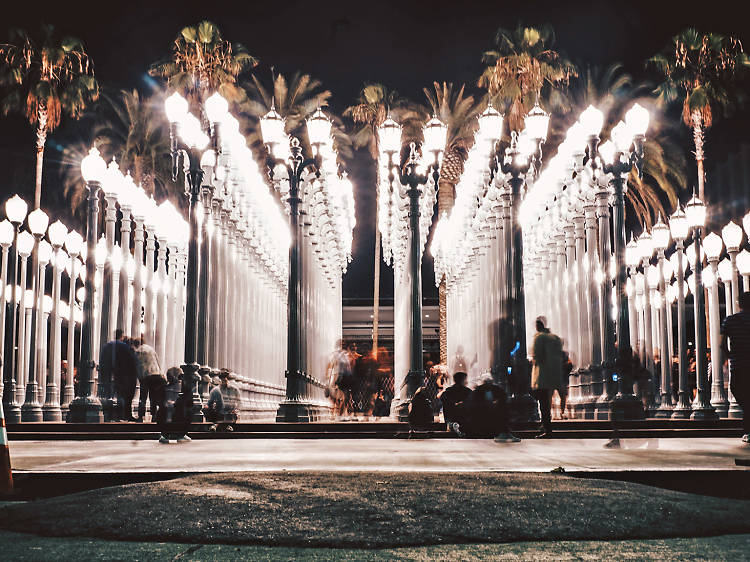
Beyond the glitz, LA boasts a wealth of cultural institutions that exemplify sophisticated brand design and engagement strategies. The Getty Center, for instance, is a masterclass in how architecture can serve as a brand statement. Its pristine white travertine, dramatic setting, and meticulously manicured gardens convey an immediate sense of grandeur, intellectual pursuit, and aesthetic excellence. The institution’s brand identity is built on accessibility to art, conservation, and scholarly research, communicated through its world-class collections and breathtaking views. Similarly, the Los Angeles County Museum of Art (LACMA) utilizes its diverse and expansive collection, coupled with iconic public art installations like Chris Burden’s Urban Light, to brand itself as a dynamic, inclusive hub for art across centuries and cultures. The installations themselves become indelible brand assets, recognizable symbols of the museum’s identity.
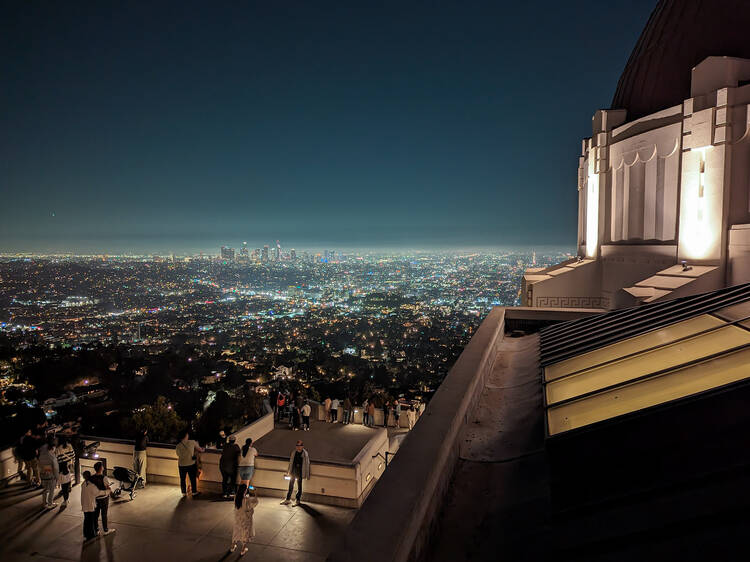
These institutions don’t just display art; they curate entire experiences. Their branding strategies extend to their digital presence, educational programs, and event calendars, all designed to foster community engagement and reinforce their cultural value proposition. From meticulously designed exhibition catalogs to user-friendly websites and active social media channels, every touchpoint is an opportunity to communicate the institution’s mission and attract a broad audience, positioning them as essential pillars of LA’s cultural brand. The Griffith Observatory, while also a scientific landmark, brands itself through its awe-inspiring views of the cosmos and the city, combining education, wonder, and iconic visuals to create a compelling, accessible brand that transcends pure science to touch upon universal human curiosity.
Marketing the LA Lifestyle: From Coastal Charms to Curated Retail Experiences
Los Angeles’s allure is inextricably linked to its diverse lifestyle offerings, each meticulously branded to attract specific demographics and fulfill distinct aspirations. The city’s marketers excel at segmenting its vast landscape into distinct experiential brands, from the laid-back bohemian vibe of its beaches to the exclusive luxury of its shopping districts, ensuring there’s an “LA” for every visitor.
Coastal Charms: Branding Relaxation, Recreation, and Bohemian Rhapsody
LA’s coastal areas present a fascinating study in lifestyle branding, with each beach cultivating a unique identity. Venice Beach, for example, is branded as the epitome of bohemian counter-culture, artistic expression, and quirky individualism. Its brand imagery prominently features street performers, muscle beach bodybuilders, vibrant murals, and the eclectic boardwalk, all conveying a sense of freedom, creativity, and unconventional cool. The marketing materials for Venice often use evocative language and dynamic visuals to highlight its unique, free-spirited energy, appealing to those seeking an unconventional, artistic experience.
In stark contrast, Santa Monica Pier and its surrounding beaches are branded towards a more family-friendly, classic Californian experience. Its iconic ferris wheel, sun-drenched beaches, and array of casual dining options evoke a sense of nostalgia, wholesome fun, and accessible recreation. The visual aesthetics in its promotional materials lean heavily on bright colors, pristine sands, palm trees, and the quintessential “sunset over the Pacific” shot—symbols universally associated with idyllic Californian relaxation. These distinct branding efforts demonstrate how specific visual cues, historical narratives, and targeted messaging allow seemingly similar geographical areas to carve out unique market positions, appealing to different visitor segments seeking varied Californian dream experiences.
Retail & Entertainment Districts: Crafting Curated, Immersive Brand Worlds
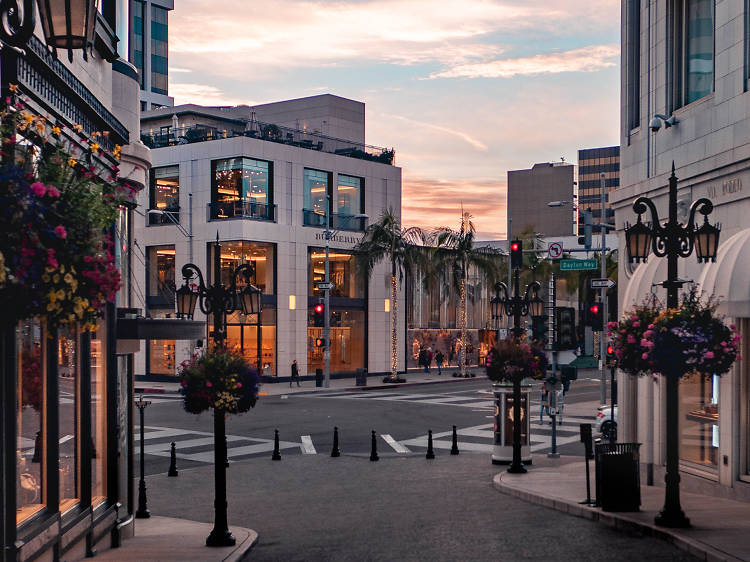
Beyond natural beauty, LA excels in creating entirely artificial, yet immensely compelling, brand worlds within its retail and entertainment districts. Rodeo Drive in Beverly Hills is a prime example of ultra-luxury branding. It is not merely a street with high-end stores; it is branded as an exclusive destination, a symbol of opulence, wealth, and aspirational living. Its pristine sidewalks, meticulously designed window displays, and celebrity sightings contribute to an atmosphere of aspirational exclusivity. The marketing of Rodeo Drive emphasizes its elite status, showcasing it as a place where luxury isn’t just purchased, but experienced.
Similarly, destinations like The Grove and Universal Studios Hollywood are masterclasses in creating immersive, curated brand experiences. The Grove, an outdoor shopping and entertainment complex, is branded as a charming, pedestrian-friendly village, complete with a trolley, fountains, and carefully chosen retail and dining options. Its brand identity centers on creating a pleasant, almost theatrical, environment for leisurely shopping and socializing, making the visit itself as much an attraction as the purchases.
Universal Studios Hollywood, however, takes immersive branding to its zenith. Its success lies not just in rides, but in meticulously themed lands that transport visitors into beloved cinematic universes. The Wizarding World of Harry Potter, for instance, is a powerful brand extension that meticulously recreates the magical world, from the cobblestone streets of Hogsmeade to the Butterbeer, creating a deeply authentic and emotionally resonant experience. Every detail, from the architecture to the merchandise, reinforces the “Harry Potter” brand, allowing visitors to step directly into the story. This level of environmental storytelling turns a theme park into a series of distinct, powerfully branded worlds, offering visitors not just entertainment, but an escape into fantasy.
The Digital Frontier: Personal Branding Through LA Visits and Online Presence
In the age of social media, the act of “visiting” a place has taken on a new dimension, deeply intertwined with personal branding and digital engagement. Los Angeles, with its highly visual and aspirational appeal, has become a fertile ground for this symbiotic relationship between destination branding and individual digital identity.
Instagrammable Moments: Influencer Marketing and Destination Branding Synergy
Many of LA’s most visited spots owe a significant portion of their current popularity to their “Instagrammable” quality. Locations like the iconic Paul Smith Pink Wall on Melrose Avenue, vibrant street murals across the city, or specific scenic viewpoints have become powerful brand assets precisely because they serve as ideal backdrops for social media content. These destinations actively benefit from organic influencer marketing, where visitors, particularly those with a strong online presence, become unwitting brand ambassadors. By posing against these visually striking backdrops and sharing their experiences with their followers, individuals inadvertently promote the destination, enhancing its cool factor and generating massive, authentic reach.
This phenomenon has led to a deliberate design strategy by attractions and businesses to create “photo ops.” From strategically placed art installations to aesthetically pleasing cafes, the goal is to provide visually compelling scenes that encourage user-generated content. This creates a powerful, self-perpetuating loop: the destination’s unique aesthetic attracts visitors, who then leverage the location for their personal brand, which in turn amplifies the destination’s brand presence online, drawing even more visitors. It’s a testament to how modern destination branding must consider not just the physical experience, but also its digital shareability and impact on personal narratives.
Virtual Tours and Online Presence: Extending the LA Brand Beyond Physicality
The digital realm also plays a crucial role in extending the brand of LA’s attractions far beyond their physical boundaries. Websites, sophisticated social media campaigns, and even virtual reality (VR) experiences allow potential visitors to “visit” LA’s hotspots remotely, building anticipation and maintaining engagement. Museums offer virtual tours of their collections, major studios provide behind-the-scenes content, and city tourism boards curate visually stunning online guides.
This digital footprint serves several critical branding functions. Firstly, it allows for global reach, showcasing LA’s diverse offerings to audiences who may not yet be able to travel. Secondly, it pre-frames the visitor experience, managing expectations and highlighting key brand attributes before arrival. Thirdly, it sustains engagement post-visit, allowing travelers to relive memories and share their experiences, further cementing the brand in their minds. Through high-quality photography, engaging video content, interactive maps, and accessible online booking systems, LA’s attractions ensure their brand remains vibrant and accessible in the digital space, demonstrating that a “visit” can begin long before one steps foot in the city and continue long after departure.
Sustaining the Brand: Challenges, Innovation, and Future-Proofing LA’s Appeal
Maintaining a compelling brand identity for a city as dynamic and diverse as Los Angeles presents continuous challenges, requiring constant innovation and strategic adaptation. The world of place branding is not static; it demands vigilance to preserve authenticity, manage reputation, and evolve with changing global trends.
Managing Reputation: Authenticity Versus Hype in a Changing Landscape
One of the significant challenges for LA’s iconic brands is managing their reputation amidst shifting public perception and the ever-present tension between authenticity and hype. Some once-glamorous locations might face issues like overcrowding, gentrification, or even safety concerns, which can dilute their brand appeal. For example, popular spots that become overwhelmed by tourists, partly due to their successful branding, can risk losing the very charm that made them attractive in the first place. The task of place branding then becomes a delicate balance: how to maintain the allure and mystique that defines a location’s brand while also ensuring a positive and sustainable visitor experience.
This requires careful messaging and a commitment to authenticity. Brands must communicate not just their aspirational qualities but also their commitment to local culture, sustainability, and visitor well-being. Proactive public relations, clear communication about operational changes, and fostering a sense of community ownership can help mitigate negative perceptions. Maintaining brand consistency across all touchpoints, from online reviews to physical signage, is paramount to building trust and ensuring the brand lives up to its promise, preventing it from being dismissed as mere “hype.”
Innovation in Visitor Experience: Future-Proofing LA’s Brands
To future-proof their brands, LA’s attractions are constantly innovating, embracing new technologies and adapting to evolving visitor expectations. This includes leveraging augmented reality (AR) and virtual reality (VR) to offer enhanced, interactive experiences that deepen engagement without necessarily requiring extensive physical infrastructure changes. Imagine an AR overlay on the Hollywood Walk of Fame that brings stars to life with historical anecdotes, or a VR experience that transports visitors through the history of a studio lot. Personalized apps that offer curated tours, real-time information, and interactive content are becoming standard, allowing visitors to tailor their experience and reinforce their connection to the brand.
Sustainability initiatives are also emerging as crucial brand values. Attractions that demonstrate a commitment to environmental responsibility, support local communities, and promote ethical tourism practices are increasingly favored by a generation of conscious travelers. Branding efforts that highlight these sustainable practices not only resonate with a growing demographic but also contribute to the long-term viability and positive reputation of the destination. Furthermore, adapting to new demographics and travel trends, such as the rise of experiential travel over traditional sightseeing, forces brands to constantly reassess their offerings, ensuring they remain relevant, exciting, and capable of delivering fresh, memorable experiences that continue to draw global attention to the diverse and ever-evolving landscape of Los Angeles.
Los Angeles’s enduring allure is no accident; it is the product of sophisticated and continuous brand strategy. Each “place to visit” in LA is a carefully constructed brand, meticulously designed to evoke specific emotions, tell compelling stories, and deliver unforgettable experiences. Understanding this intricate web of branding reveals why LA continues to be a global magnet for tourists, dreamers, and experience-seekers alike, constantly reinventing itself while retaining the core essence of its iconic identity.
aViewFromTheCave is a participant in the Amazon Services LLC Associates Program, an affiliate advertising program designed to provide a means for sites to earn advertising fees by advertising and linking to Amazon.com. Amazon, the Amazon logo, AmazonSupply, and the AmazonSupply logo are trademarks of Amazon.com, Inc. or its affiliates. As an Amazon Associate we earn affiliate commissions from qualifying purchases.