
In the modern financial landscape, few events carry as much weight as NVIDIA’s quarterly earnings reports. Once a company primarily known by gamers and computer enthusiasts, NVIDIA has transformed into the ultimate bellwether for the global economy, specifically the burgeoning Artificial Intelligence (AI) sector. For investors, knowing “what time NVIDIA reports earnings” is not merely a matter of curiosity; it is a critical component of a disciplined trading strategy. The timing of the release, the subsequent conference call, and the immediate market reaction create a high-stakes environment where billions of dollars in market capitalization can shift in a matter of seconds.

This guide explores the logistical nuances of NVIDIA’s financial reporting, the strategic implications for your portfolio, and the key financial metrics that dictate the stock’s movement once the clock strikes the reporting hour.
The Logistics of NVIDIA’s Earnings Day
For those tracking NVIDIA (NASDAQ: NVDA), the reporting schedule follows a rigorous and predictable pattern common among large-cap technology firms. Understanding the timeline of earnings day allows investors to prepare for the inevitable volatility that accompanies the data release.
The Standard Reporting Schedule (Post-Market Close)
NVIDIA typically reports its quarterly financial results shortly after the U.S. markets close at 4:00 PM Eastern Time (ET). While the exact minute can vary, the official press release is usually distributed between 4:20 PM and 4:30 PM ET. This “after-hours” timing is intentional; it provides a buffer period for institutional and retail investors to digest the raw data—revenue, earnings per share (EPS), and margin figures—without the immediate chaos of a live trading session, although electronic after-hours trading begins immediately.
Where to Find the Official Announcement
The most reliable source for the earnings report is NVIDIA’s Investor Relations (IR) website. Simultaneously, the company files a Form 8-K with the Securities and Exchange Commission (SEC). Financial news outlets and brokerage platforms will aggregate this data instantly, but serious investors often go straight to the source to avoid the “headline lag” that can occur on social media or secondary news aggregators.
The Conference Call and Q&A Session
Approximately one hour after the press release—usually at 5:00 PM ET—NVIDIA’s executive team, including CEO Jensen Huang and CFO Colette Kress, hosts a live conference call. This is where the narrative is formed. While the press release provides the numbers, the call provides the context. Analysts from major investment banks query the leadership on product cycles, supply chain constraints, and competitive threats. For the astute investor, the tone and specific wording used during this Q&A session are often more impactful on the stock price than the numbers released an hour earlier.
Why NVIDIA’s Earnings Timing Matters for Your Portfolio
In the realm of personal finance and investing, timing is frequently synonymous with risk management. Because NVIDIA sits at the center of the “Magnificent Seven” and the broader S&P 500, its earnings timing triggers a massive liquidity event.
Market Volatility and After-Hours Trading
The period between 4:00 PM and 8:00 PM ET on earnings day is characterized by extreme price swings. Because the “bid-ask spread” (the difference between the price buyers are willing to pay and sellers are willing to accept) widens during after-hours trading, price movements are often exaggerated. Investors who do not understand this timing may find their stop-loss orders triggered by a temporary “wick” in price action before the stock stabilizes. Knowing exactly when the data drops helps investors decide whether to hold through the volatility or adjust their positions beforehand.
The “S&P 500” Bellwether Effect
NVIDIA’s market capitalization has reached a scale where its individual performance can lift or drag the entire stock market. When NVIDIA reports, the “time” is not just important for NVDA shareholders; it is important for anyone holding an S&P 500 index fund (VOO, SPY) or a Nasdaq-100 tracker (QQQ). If NVIDIA reports a beat and raises guidance at 4:20 PM, you will see the entire futures market move upward in sympathy. It is a macro event disguised as a corporate earnings report.
Options Pricing and the IV Crush
For those involved in the options market, the time of the earnings report is the “zero hour.” Prior to the report, the Implied Volatility (IV) of NVIDIA options typically skyrockets as traders hedge against or speculate on a big move. Once the earnings are released and the uncertainty is resolved, IV “crushes,” causing the value of many options to drop even if the stock moved in the predicted direction. Understanding the countdown to the report is vital for managing these complex financial instruments.
Key Financial Metrics to Watch Beyond the Clock
Knowing the time of the report is the first step; knowing what to look for when the clock hits the mark is the second. In the context of business finance, NVIDIA’s report is analyzed through three primary lenses.
Data Center Revenue and AI Growth
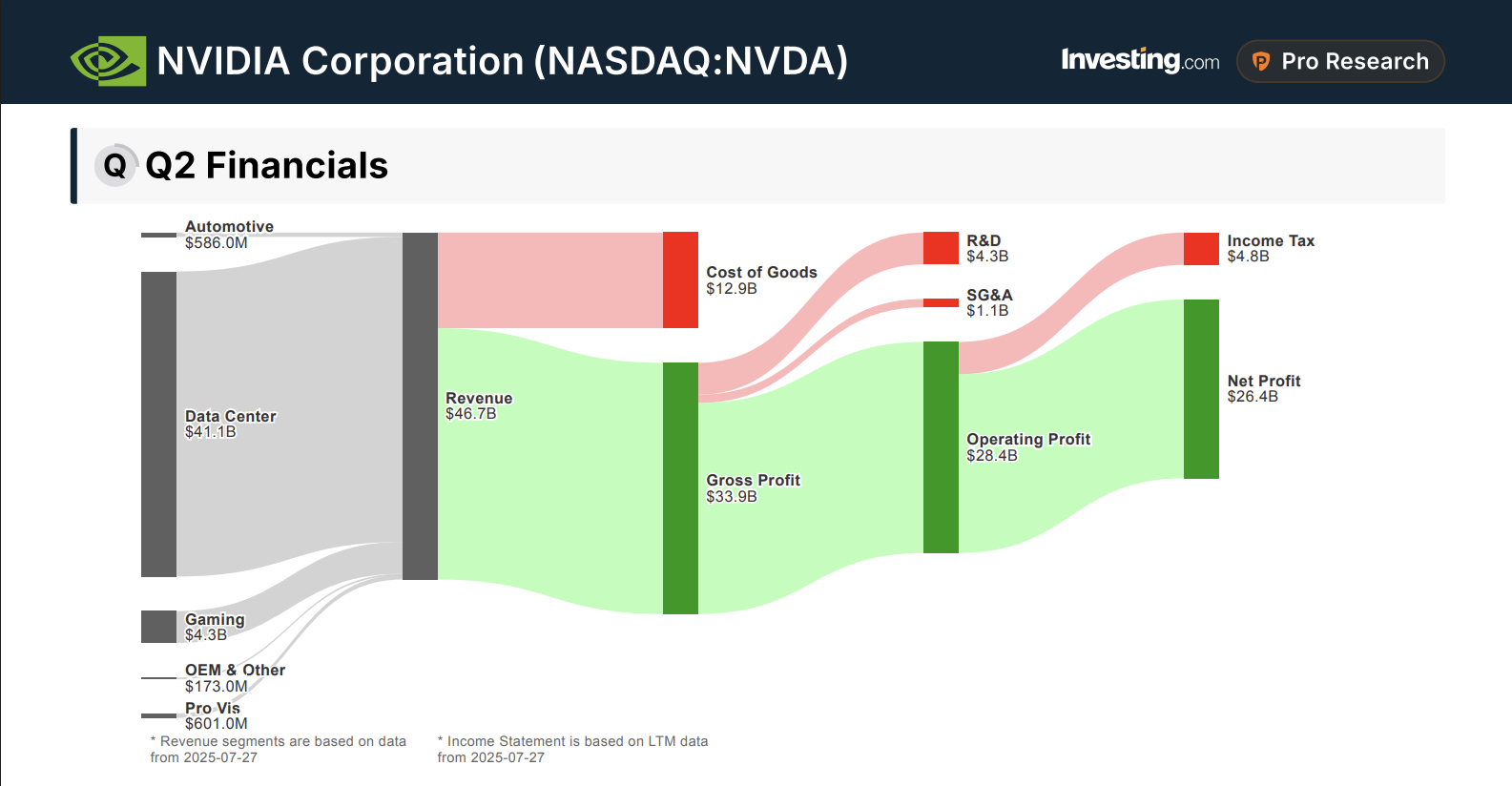
NVIDIA’s gaming roots are now a secondary story. The primary driver of the stock price is Data Center revenue, which encompasses sales of the H100 and Blackwell AI chips. Investors look for consistent quarter-over-quarter growth in this segment. If the reporting time passes and the data shows a slowdown in data center demand, the market often reacts harshly, regardless of how well the other business units performed.
Gross Margins and Supply Chain Efficiency
One of NVIDIA’s most impressive financial feats has been its ability to maintain gross margins above 70%. In the world of hardware, these are software-like margins. When the earnings report is released, analysts immediately scan the “Financial Highlights” section for this percentage. A contraction in margins suggests that competition from rivals like AMD or internal chip development by customers like Google and Amazon might be eating into NVIDIA’s pricing power.
Forward Guidance: The Real Market Mover
Historical data (what happened in the last three months) is rarely what moves a stock after the 4:20 PM release. Instead, the market reacts to “Guidance”—the company’s forecast for the upcoming quarter and fiscal year. If NVIDIA reports record-breaking revenue but offers a cautious outlook for the next quarter, the stock will likely fall. Professional investors prioritize the future earnings potential over past performance.
Strategic Investment Approaches for Earnings Season
Managing your money around a high-volatility event like an NVIDIA earnings call requires a clear philosophy. Investors generally fall into three camps during this time.
Long-term Holding vs. Short-term Speculation
The “Money” niche emphasizes the difference between investing and gambling. Long-term investors often ignore the specific timing of earnings, viewing the quarterly volatility as “noise” in a multi-year growth story. Conversely, short-term speculators look to capitalize on the 4:00 PM to 6:00 PM window. For the average retail investor, the most prudent financial path is usually to maintain a position size that allows them to sleep through the earnings volatility without the fear of a margin call.
Hedging Strategies for Volatility
For those with significant exposure to NVIDIA, earnings day is a time to consider protective strategies. This might include buying “put” options to act as insurance or selling “covered calls” to generate income from the high volatility premiums. These financial tools allow an investor to participate in the upside while mitigating the “gap down” risk that occurs if the earnings report misses expectations.
Post-Earnings Analysis: When to Rebalance
The 24 to 48 hours following the earnings report are crucial for portfolio rebalancing. Once the “dust settles” and the stock finds its new equilibrium, investors should reassess their portfolio weightings. If NVIDIA’s price surges, it may represent a disproportionately large percentage of your total wealth. Professional wealth management suggests trimming the position to lock in gains and diversifying that capital into other sectors to maintain a balanced risk profile.
The Economic Ripple Effect of NVIDIA’s Financial Health
NVIDIA’s earnings report is more than a corporate milestone; it is a signal for the health of the global tech economy and the availability of liquidity in the markets.
Influence on Semi-conductor ETFs
When NVIDIA reports at 4:20 PM, the ripple effect is felt immediately across semiconductor ETFs like the SOXX or SMH. Because NVIDIA is often the largest holding in these funds, its earnings time effectively becomes the earnings time for the entire semiconductor industry. Financial advisors watch these movements to gauge the “risk-on” or “risk-off” sentiment of the market.
Impact on Tech Sector Liquidity
Large-scale institutional investors often wait for the NVIDIA report before making significant moves in other tech stocks. A positive report can trigger a wave of buying across the software and hardware sectors, as it confirms that the “AI Capex” (Capital Expenditure) cycle is still in full swing. If NVIDIA’s earnings indicate a peak in AI spending, it could signal a broader cooling period for the tech-heavy Nasdaq.

Conclusion
Understanding “what time NVIDIA reports earnings” is a fundamental requirement for the modern investor. It is the moment when speculation meets reality, and when the abstract promise of Artificial Intelligence is quantified into dollars and cents. By recognizing the 4:00 PM ET close as the starting gun, monitoring the 4:20 PM press release for margin and guidance data, and listening to the 5:00 PM conference call for strategic context, investors can navigate the volatility with professional poise.
Whether you are a long-term investor focused on compounding wealth or a tactical trader looking for short-term opportunities, NVIDIA’s earnings day remains the most significant event on the financial calendar. In the world of money and investing, knowledge of the clock is just as important as knowledge of the balance sheet. Stay informed, stay disciplined, and use the timing of these reports to your strategic advantage.
aViewFromTheCave is a participant in the Amazon Services LLC Associates Program, an affiliate advertising program designed to provide a means for sites to earn advertising fees by advertising and linking to Amazon.com. Amazon, the Amazon logo, AmazonSupply, and the AmazonSupply logo are trademarks of Amazon.com, Inc. or its affiliates. As an Amazon Associate we earn affiliate commissions from qualifying purchases.