
Los Angeles, California. The very name evokes a tapestry of vivid images: sun-drenched beaches, star-studded boulevards, cinematic dreams, and a relentless pursuit of innovation. For many, “what to do in Los Angeles” conjures thoughts of tourist checklists – the Hollywood Walk of Fame, Universal Studios, Griffith Observatory, or a stroll along Santa Monica Pier. However, to truly understand and engage with this sprawling metropolis, one must look beyond the surface of mere attractions and delve into the intricate world of branding that defines its essence. Los Angeles is not just a city; it is a global brand powerhouse, a collection of micro-brands, and a masterclass in experiential design. Understanding its brand architecture transforms the simple act of “doing Los Angeles” into a profoundly richer, more insightful experience. This article will explore Los Angeles through the lens of branding, uncovering how its identity shapes activities, influences perceptions, and offers unparalleled lessons in brand strategy, marketing, and the cultivation of unique experiences.

The Brand Identity of Los Angeles: More Than Just a Place
The brand of Los Angeles is multifaceted and globally recognized, built on decades of cultural output, economic prowess, and aspirational imagery. It’s a brand that sells dreams, lifestyles, and endless possibilities, meticulously crafted and continuously evolving.
Hollywood’s Enduring Global Narrative: The Dream Factory
At the heart of the Los Angeles brand lies Hollywood, an unparalleled storytelling engine. Hollywood is not merely a district; it’s a potent brand synonymous with entertainment, aspiration, and the creation of global narratives. The act of “doing Hollywood” is an engagement with this brand – from walking the Walk of Fame, where celebrity brands are immortalized, to visiting studio tours that pull back the curtain on the dream-making process. The Universal Studios Hollywood experience, for instance, isn’t just a theme park; it’s an immersive brand extension, allowing visitors to step into the worlds of beloved film franchises. Here, brand loyalty is forged through emotional connection and sensory immersion, demonstrating how a powerful narrative can transcend mediums and create tangible, memorable experiences. The brand of Hollywood promises glamour, ambition, and a touch of the extraordinary, making it a primary magnet for visitors who wish to absorb its iconic essence. It’s a testament to effective brand storytelling that a geographical location has become synonymous with an entire global industry and a universal concept of fame and fantasy.
Diversity in Micro-Brands: From Beach Culture to Artistic Hubs
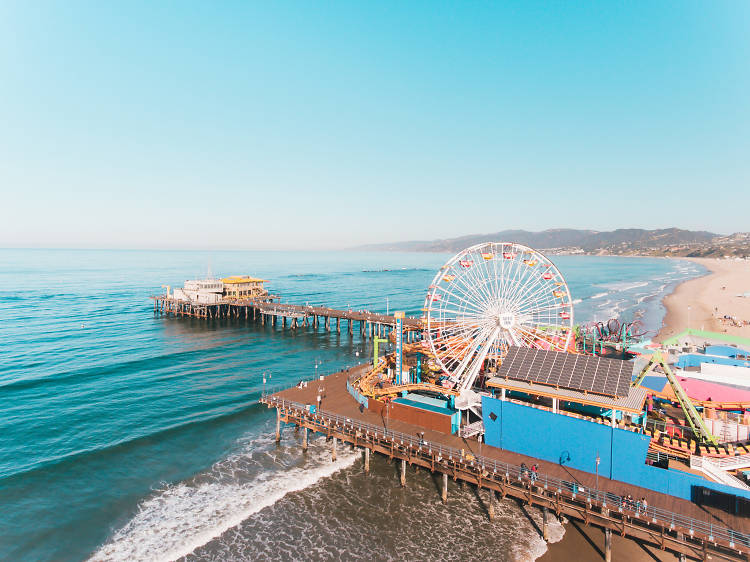
While Hollywood provides a dominant narrative, Los Angeles thrives as a collection of distinct micro-brands, each with its own unique identity and appeal. These smaller, yet powerful, brands contribute to the city’s overall mosaic and offer diverse experiences. Santa Monica, with its iconic pier and laid-back beach vibe, projects a brand of wellness, leisure, and quintessential Californian relaxation. Venice Beach, just south, presents a more bohemian, eccentric brand, celebrated for its vibrant street art, diverse performers, and counter-culture heritage. Downtown LA (DTLA), once merely a business hub, has aggressively rebranded itself as a cultural and gastronomic destination, boasting a sophisticated urban brand with high-end dining, art galleries, and historic architecture. Areas like Beverly Hills embody luxury, exclusivity, and high fashion, serving a clientele attracted to its elite brand identity. Each neighborhood, in effect, manages its own branding strategy, curating specific types of businesses, public spaces, and cultural events to attract a desired demographic. “What to do” in Los Angeles, therefore, becomes a journey through these distinct brand ecosystems, allowing visitors to tailor their experiences to align with their preferred aesthetic and values. This segmentation showcases advanced brand management, where a larger entity successfully fosters unique sub-brands without diluting its overarching identity.
Innovation and Influence: LA’s Role as a Trendsetter
Beyond entertainment and lifestyle, Los Angeles holds a significant brand position as a hub of innovation and influence across various sectors. The city’s brand is increasingly associated with technology, start-ups, and forward-thinking industries, particularly in areas like “Silicon Beach” (Santa Monica, Venice, Playa Vista). This rebrands LA not just as a creative capital but also as a technological one. Furthermore, LA’s influence extends to fashion, wellness, and culinary trends, often setting the pace for the rest of the world. The city’s brand reflects a dynamism that constantly pushes boundaries, from sustainable living initiatives to cutting-edge art installations. Engaging with “what to do” in LA can thus involve exploring innovative retail concepts, dining at restaurants pioneering new culinary techniques, or visiting tech campuses – all experiences that underscore LA’s brand as a trendsetter. This dynamic aspect of its brand ensures that Los Angeles remains relevant and continues to attract talent and investment, further solidifying its image as a place where the future is actively being shaped.
Experiential Branding: Crafting Unforgettable LA Moments
The true genius of Los Angeles’s brand lies in its mastery of experiential branding. It’s not enough to simply exist; every attraction and activity is meticulously designed to create an immersive, memorable experience that reinforces its unique brand promise.
Theme Parks and Immersive Worlds: Storytelling at Scale
Los Angeles is home to some of the world’s most renowned theme parks, including Universal Studios Hollywood and Disneyland Resort in nearby Anaheim. These aren’t just amusement parks; they are grand temples of experiential branding. Every ride, show, and themed zone is a carefully constructed narrative, immersing visitors in specific brand worlds. At Universal Studios, the “Wizarding World of Harry Potter” is a prime example of a brand extension that flawlessly transports guests into a beloved fictional universe. From the architecture to the food, every detail reinforces the Harry Potter brand. Disneyland, the epitome of experiential branding, crafts a narrative of magic, wonder, and fantasy that has endured for decades. “What to do” in these parks is to surrender to their expertly designed brand experiences, becoming a temporary participant in their stories. This level of immersion fosters deep emotional connections, generating powerful brand loyalty and repeat visits – a textbook case study in how to leverage a brand’s narrative for maximum engagement and revenue.
Culinary Journeys and Gastro-Branding: From Street Food to Michelin Stars
Los Angeles’s culinary scene is a vibrant tapestry of diverse flavors and entrepreneurial spirit, where food establishments skillfully craft their own unique brands. From iconic taco trucks with fiercely loyal followings to Michelin-starred restaurants, each eatery develops a distinct identity through its cuisine, ambiance, service, and storytelling. The “taco truck brand” often emphasizes authenticity, accessibility, and a specific regional heritage, fostering a sense of community. High-end restaurants, conversely, build brands around innovation, exclusivity, and a curated sensory journey. “Doing LA food” involves exploring these varied gastro-brands, understanding how each one positions itself within a competitive market. Consider the brand of an organic, farm-to-table café in Silver Lake versus a classic Hollywood steakhouse; their aesthetics, target audiences, and brand promises are vastly different, yet both contribute to the rich, diverse culinary brand of LA itself. This demonstrates how even in the seemingly straightforward act of dining, consumers are engaging with carefully constructed brand identities, making choices based on desired experiences and perceived values.
The Arts, Culture, and Design Ecosystem: Curated Identities
Los Angeles is a vibrant center for arts, culture, and design, and its institutions meticulously brand themselves to attract specific audiences and convey their unique missions. The Getty Center, with its stunning architecture and expansive art collection, projects a brand of intellectual sophistication, aesthetic beauty, and panoramic views. LACMA (Los Angeles County Museum of Art) positions itself as a dynamic, contemporary art hub, famous for its iconic “Urban Light” installation, which itself has become a branded symbol of the city. Smaller galleries in areas like the Arts District or Bergamot Station craft niche brands, focusing on emerging artists, specific mediums, or experimental exhibitions. “What to do” in LA’s cultural landscape means engaging with these carefully curated brand identities. Each institution’s brand influences not only the art it displays but also its educational programs, visitor experience, and community outreach. They use their brands to differentiate themselves, attract funding, and cultivate a sense of belonging among their patrons, proving that even non-profit organizations are adept at strategic branding.

Personal Branding in the City of Dreams: Shaping Your LA Narrative
Los Angeles isn’t just a city where brands thrive; it’s a city where individuals meticulously craft and project their personal brands. In a place synonymous with aspiration and visibility, personal branding is not merely a choice; it’s a way of life, integral to professional success and social navigation.
Networking and Professional Identity in Creative Industries
For those drawn to LA’s creative industries – film, music, fashion, tech, and digital media – personal branding is paramount. “What to do” to advance a career in LA often means strategically building and showcasing one’s professional identity. This involves curating a compelling online presence, mastering the art of the elevator pitch, and networking effectively at industry events. Individuals become their own brands, selling their unique skills, vision, and personality. In a city where opportunities can be highly competitive, a strong personal brand acts as a differentiator, signaling expertise, reliability, and cultural fit. Aspiring actors, screenwriters, designers, and tech entrepreneurs understand that their personal brand can open doors, attract collaborations, and ultimately dictate their trajectory in a highly visible and interconnected professional landscape.
Lifestyle and Self-Expression: Living the LA Brand
Beyond professional aspirations, Los Angeles deeply influences personal lifestyle brands. The city’s emphasis on wellness, fitness, healthy eating, and a distinctive fashion aesthetic often becomes integrated into residents’ personal brands. “Doing LA” in this context can mean embracing its outdoor lifestyle, participating in its fitness trends, or adopting its relaxed yet chic fashion sensibilities. Individuals might brand themselves as “LA fit,” “LA casual,” or “LA artistic,” reflecting how they absorb and project aspects of the city’s broader identity. This form of personal branding is often a conscious choice, reflecting values and aspirations aligned with the perceived Los Angeles ethos. It’s a testament to the city’s brand power that it provides a template for self-expression, allowing individuals to align their personal identities with a globally recognized cultural archetype.
Leveraging Social Media: Influencer Culture and Digital Footprints
Los Angeles is arguably the epicenter of influencer culture, where social media is a primary tool for personal branding. For many, “what to do” in LA involves creating content for platforms like Instagram, TikTok, and YouTube, meticulously curating a digital footprint that reflects their desired brand image. Whether it’s showcasing luxurious lifestyles, artistic endeavors, or everyday adventures, influencers leverage LA’s iconic backdrops and vibrant culture to build their online personas. The city itself becomes a character in their personal brand narrative, offering endless opportunities for visual storytelling. This phenomenon highlights how digital platforms have democratized personal branding, allowing individuals to become media entities in their own right, attracting followers, engagement, and often, significant commercial opportunities. The pervasive nature of social media in LA underscores the city’s role as a hotbed for visual branding and the constant evolution of self-promotion.
Marketing Los Angeles: Strategies for a Global Icon
The overarching brand of Los Angeles doesn’t just happen organically; it is meticulously managed and strategically marketed to maintain its status as a global icon and a premier destination.
Tourism Campaigns: Selling the LA Dream
Destination marketing organizations, such as Los Angeles Tourism & Convention Board, are key players in actively promoting the “LA brand” to a global audience. Their campaigns are designed to entice visitors by highlighting the city’s diverse attractions, vibrant culture, and aspirational lifestyle. These marketing efforts go beyond simply listing places to see; they craft narratives around the “LA dream,” emphasizing unique experiences, cultural diversity, and the promise of discovery. “What to do” becomes an invitation to participate in a carefully constructed brand narrative – whether it’s the glamour of Hollywood, the serenity of its beaches, or the excitement of its culinary scene. These campaigns utilize powerful visuals, emotional storytelling, and targeted messaging to ensure that the Los Angeles brand remains fresh, relevant, and irresistible to potential travelers worldwide.
Event Branding: Festivals, Awards, and Sporting Spectacles
Los Angeles is a city of marquee events, each a brand in itself and a powerful amplifier of the LA brand. The Academy Awards, the Grammys, Coachella (in nearby Indio, but deeply associated with LA culture), and major sporting events like the Super Bowl or the Olympics (when hosted) are meticulously branded spectacles. These events attract global attention, showcasing LA’s capacity for grand-scale production, entertainment, and hospitality. “What to do” during these times involves engaging with these temporary, yet intensely powerful, brand experiences. The branding of these events extends to every touchpoint – from pre-event marketing to the live experience and post-event media coverage – ensuring that the Los Angeles brand is continually associated with excellence, excitement, and cultural significance. This strategy reinforces LA’s position as a world-class city capable of hosting and executing events on the highest global stage.
Digital Engagement and Brand Loyalty in a Connected City
In the digital age, maintaining a strong brand requires continuous online engagement. Los Angeles excels in leveraging digital platforms to foster brand loyalty and provide seamless experiences. Major attractions, hotels, restaurants, and even city services utilize sophisticated websites, mobile apps, and social media channels to connect with their audiences. Apps for public transportation (e.g., Metro Transit App), digital ticketing for museums and theme parks, and comprehensive online guides for dining and entertainment all contribute to a cohesive digital brand experience. “What to do” in LA is often facilitated by these digital tools, allowing visitors and residents to easily navigate, plan, and share their experiences. This focus on digital engagement ensures that the Los Angeles brand remains accessible, user-friendly, and responsive, reinforcing its image as a modern, connected, and forward-thinking metropolis.
Conclusion
“What to do in Los Angeles, California” is far more than a simple query about tourist attractions. It is an invitation to immerse oneself in one of the world’s most complex and compelling brand landscapes. From the overarching brand of the city itself – a beacon of dreams, innovation, and diverse lifestyles – to the countless micro-brands of its neighborhoods, attractions, and culinary scene, Los Angeles offers a masterclass in identity, marketing, and experiential design. Every activity, every visit, every interaction is an engagement with a meticulously crafted brand promise. By viewing Los Angeles through this strategic lens, visitors gain a deeper appreciation for the forces that shape their experiences, while aspiring brand strategists find an unparalleled living laboratory. To truly “do Los Angeles” is to understand its brand, embrace its narratives, and become a participant in its ongoing story of ambition, creativity, and global influence.
aViewFromTheCave is a participant in the Amazon Services LLC Associates Program, an affiliate advertising program designed to provide a means for sites to earn advertising fees by advertising and linking to Amazon.com. Amazon, the Amazon logo, AmazonSupply, and the AmazonSupply logo are trademarks of Amazon.com, Inc. or its affiliates. As an Amazon Associate we earn affiliate commissions from qualifying purchases.