
Indianapolis, a city famed for its vibrant culture, sporting events, and burgeoning culinary scene, presents a dynamic landscape for both visitors and residents. While the question “what is there to do in Indianapolis?” typically elicits answers centered around attractions and experiences, a deeper, more financially astute perspective reveals layers of economic considerations, opportunities, and strategic approaches to engaging with the city. This article will peel back the surface of Indianapolis’s offerings, examining them through the lens of personal finance, investment, and economic strategy, providing a comprehensive guide for the financially savvy explorer, entrepreneur, or resident. We delve into how one can not only enjoy the rich tapestry of Indianapolis but also manage finances wisely, identify economic advantages, and contribute to or benefit from its robust local economy.

Strategic Budgeting for Your Indianapolis Experience
Embarking on any urban exploration, whether for leisure or business, necessitates a well-thought-out financial plan. Indianapolis, with its diverse range of activities, offers opportunities for every budget, provided one approaches it with a strategic mindset. Understanding where your money goes and how to optimize spending is paramount to maximizing your experience without compromising financial health.
Understanding Activity Costs: From Free to Premium
The spectrum of activities in Indianapolis ranges from entirely free to premium experiences requiring significant investment. Free attractions such as strolling along the scenic Canal Walk, exploring White River State Park, or visiting the Indiana Statehouse offer rich cultural and recreational value without any monetary outlay. For those willing to spend, world-class institutions like the Indianapolis Museum of Art at Newfields, the Indianapolis Zoo, or a high-octane race experience at the Indianapolis Motor Speedway come with admission fees. A strategic budgeter identifies a mix that aligns with their financial goals, perhaps allocating funds for one major premium experience while balancing it with several free or low-cost options. Researching bundled passes, such as the Indy Attraction Pass, can also yield significant savings for those planning to visit multiple paid attractions. Furthermore, keeping an eye on free admission days or special community events can transform expensive outings into budget-friendly adventures. Understanding peak seasons and off-peak discounts can also play a crucial role in managing costs, as demand often dictates pricing for popular events and attractions.
Accommodation and Transportation: Maximizing Value
Beyond activities, accommodation and transportation constitute significant portions of any financial outlay in Indianapolis. The city offers a wide array of lodging options, from luxury downtown hotels to budget-friendly motels and a growing selection of Airbnb rentals. Maximizing value means comparing prices across different platforms, considering the trade-off between location convenience and cost, and exploring loyalty programs if you travel frequently. For example, staying slightly outside the immediate downtown core might offer lower rates, provided public transportation or ride-sharing options are efficient enough to justify the distance.
Transportation within Indianapolis also demands financial foresight. While downtown is walkable, exploring beyond requires a plan. Utilizing the IndyGo public bus system, particularly the Red Line, can be a cost-effective alternative to ride-sharing services or rental cars, especially when considering parking fees in congested areas. For longer stays or those planning extensive exploration, analyzing the cost-benefit of a rental car versus a combination of public transit and ride-shares is essential. Cyclists can take advantage of the Pacers Bikeshare program, offering an economical and eco-friendly way to navigate the city’s extensive trail system. Pre-planning routes and understanding fare structures for public transport or dynamic pricing for ride-shares can significantly impact your overall travel budget.
Culinary Adventures on a Budget: Savvy Dining Strategies
Indianapolis boasts a burgeoning food scene, from upscale fine dining to casual eateries and vibrant food trucks. For the financially savvy, navigating this culinary landscape involves more than just picking a restaurant. Exploring local markets like the Indianapolis City Market offers opportunities for affordable, fresh meals and unique local produce. Taking advantage of lunch specials, happy hour deals, or early bird dinners can provide a taste of premium establishments at a fraction of the dinner price. Utilizing apps like Groupon or local deal sites can unveil discounts at various restaurants. Furthermore, considering self-catering for some meals, especially if staying in accommodations with kitchenettes, can lead to substantial savings, allowing for strategic splurges on truly unique dining experiences. Supporting local, independent eateries not only provides authentic experiences but often offers better value compared to national chains. The strategy here is not just about saving money, but about allocating funds intelligently to savor the city’s diverse flavors without overspending.
Unlocking Economic Opportunities within Indianapolis Activities
Beyond being a destination for leisure, Indianapolis’s dynamic environment presents myriad economic opportunities for residents and visitors alike. Understanding these avenues can transform a mere visit into a chance for income generation, strategic investment, or supporting local economic growth.
The Gig Economy: Local Events and Tourism Side Hustles
Indianapolis’s event calendar is packed year-round, from the iconic Indy 500 to major conventions, concerts, and festivals. This constant churn of activity fuels a robust gig economy. For those looking to earn extra income, opportunities abound in roles such as ride-share drivers during peak events, short-term rental hosts leveraging platforms like Airbnb, or even temporary staff for event management, hospitality, or catering. Individuals with specialized skills can offer guided tours, photography services for tourists, or local craft sales at markets. The key is to identify periods of high demand and align your services accordingly. This localized gig economy not only provides income but also fosters entrepreneurial spirit, allowing individuals to capitalize on the city’s vibrant tourism and event sectors. Understanding the tax implications and regulatory requirements for these side hustles is also a crucial financial consideration.
Investing in Local Experiences: Supporting Small Businesses
A truly insightful financial approach to “what is there to do in Indianapolis” extends beyond personal spending to conscious investment in the local economy. Choosing to patronize independent boutiques, local restaurants, and community-driven art galleries means directly supporting small business owners. This not only keeps money circulating within Indianapolis but also fosters a unique local identity that major chains cannot replicate. For investors, this could mean exploring opportunities to support local startups, potentially through crowdfunding platforms or local investment groups focused on urban development and small business growth. Understanding the economic multiplier effect—where every dollar spent locally recirculates several times—highlights the long-term financial benefits of this approach for the entire community. This form of “social investing” aligns personal values with financial impact, contributing to a more resilient and diverse local economy.
Real Estate and Rental Income: Leveraging Indianapolis’s Appeal

Indianapolis’s growing appeal as a desirable place to live, work, and visit also creates opportunities in the real estate market. For long-term investors, the purchase of residential or commercial properties, particularly in revitalizing neighborhoods, can yield significant capital appreciation and rental income. The demand for short-term rentals, fueled by tourism and major events, presents an attractive avenue for passive income for property owners. Analyzing market trends, understanding neighborhood-specific growth patterns, and navigating local zoning laws are critical for successful real estate investment. For those already owning property, leveraging it through short-term rentals during peak seasons can transform an existing asset into a significant income stream, directly tied to the city’s ongoing activities and visitor numbers. This strategy requires careful financial planning, including understanding mortgage implications, insurance, and property management costs.
Financial Tools and Smart Spending for the Savvy Explorer
In today’s digital age, a myriad of financial tools and smart spending strategies can further enhance your economic efficiency while exploring Indianapolis. Leveraging technology and understanding financial mechanisms can lead to significant savings and a more rewarding overall experience.
Leveraging Technology for Cost Savings: Apps and Platforms
Modern technology offers a powerful suite of tools for the financially astute explorer. Navigation apps can help optimize travel routes, saving on fuel or ride-share costs. Budgeting apps allow for real-time tracking of expenses, ensuring you stay within your allocated funds. Dining apps frequently offer exclusive deals, loyalty points, or allow for advance ordering to save time and sometimes money. Platforms that aggregate deals for attractions, events, and accommodations are invaluable for identifying the best prices. Even peer-to-peer payment apps can facilitate splitting costs with travel companions seamlessly. The strategic use of these digital tools transforms the mundane task of financial management into an integrated part of the exploration process, making it easier to identify savings and avoid unnecessary expenditures.
Credit Card Rewards and Loyalty Programs: Travel Hacking in Indy
For those with a disciplined approach to credit, leveraging credit card rewards and loyalty programs can significantly offset travel and leisure costs in Indianapolis. Travel-focused credit cards often offer points or miles that can be redeemed for flights, hotel stays, or even cash back, effectively reducing the net cost of your visit. Many local businesses, from hotels to restaurants, participate in loyalty programs that offer discounts, freebies, or exclusive access after a certain number of visits or purchases. Strategic planning involves choosing cards with benefits aligned with your spending habits and redeeming rewards for maximum value. This “travel hacking” approach, when managed responsibly, turns everyday spending into opportunities for future savings and enhanced experiences in cities like Indianapolis.
Local Discounts and Passes: Maximizing Your Dollar
Beyond national programs, Indianapolis offers its own ecosystem of local discounts and passes. These can range from student or senior discounts at museums to multi-attraction passes that bundle entry fees at a reduced rate. Some local cultural institutions offer memberships that provide unlimited access throughout the year, an excellent investment for residents or frequent visitors. Keeping an eye on community newsletters, local tourism websites, and social media pages can reveal special promotions, free event days, or limited-time offers. Many local businesses also participate in reciprocal discount programs, offering deals to patrons of other nearby establishments. Actively seeking out these localized opportunities ensures that every dollar spent is stretched further, allowing for a broader and richer engagement with Indianapolis’s diverse offerings.
The Broader Economic Impact of Indianapolis’s Vibrant Scene
The question “what is there to do in Indianapolis” also carries significant weight in understanding the city’s overall economic health and development. The collective impact of its attractions, events, and local businesses creates a robust economic engine, affecting everything from job creation to urban development.
Tourism’s Ripple Effect: Job Creation and Local Growth
Tourism is not merely about visitors enjoying a city; it’s a powerful economic driver. Each tourist dollar spent in Indianapolis generates a ripple effect, supporting a vast array of jobs in hospitality, retail, transportation, entertainment, and food services. Beyond direct employment, tourism revenue contributes to city coffers through taxes, which in turn fund public services, infrastructure improvements, and cultural programs. This steady influx of visitors and their spending stimulates demand for local products and services, encouraging the growth of small businesses and fostering an entrepreneurial ecosystem. Understanding this ripple effect highlights how individual spending choices, whether on a hotel room or a local meal, collectively contribute to the city’s economic vitality and job market.
Major Events as Economic Catalysts: Indy 500 and Conventions
Indianapolis has strategically positioned itself as a premier destination for major events, conferences, and conventions. Iconic events like the Indianapolis 500, the NCAA Men’s Basketball Tournament, and a constant stream of large-scale conventions serve as significant economic catalysts. These events draw tens of thousands of visitors, leading to spikes in hotel occupancy, restaurant sales, and retail spending. They also necessitate extensive infrastructure and logistical support, creating temporary and permanent job opportunities. Furthermore, hosting major events elevates Indianapolis’s national and international profile, attracting future investment, talent, and tourism. For the financially minded, understanding the scheduling of these events can inform investment decisions in local businesses, real estate, or even personal side hustles, as economic activity predictably surges during these periods.
Urban Development and Long-Term Financial Health
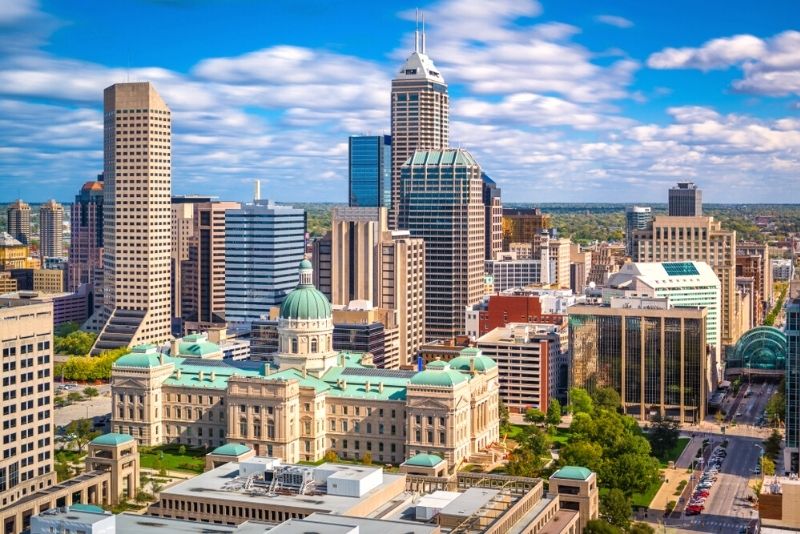
The ongoing attractiveness of “what is there to do in Indianapolis” is directly linked to continuous urban development and strategic investment. Public and private investments in infrastructure, such as the expansion of the convention center, the development of new cultural districts, or improvements to public transit, are crucial for sustaining the city’s appeal. These developments enhance the visitor experience and attract new businesses and residents, all of which contribute to the city’s long-term financial health. A thriving cultural and recreational scene directly translates into higher property values, a stronger tax base, and increased economic resilience. For residents, this means a better quality of life and potentially appreciating assets. For investors, it signals a city committed to growth and a stable environment for future endeavors. The dynamic interplay between the city’s offerings and its financial well-being makes Indianapolis a compelling case study for urban economic strategy.
In conclusion, while the question “what is there to do in Indianapolis” invites exploration of its many attractions, approaching it with a financial lens reveals a deeper layer of strategic planning, economic opportunity, and impactful contributions. From meticulously budgeting for activities and accommodations to leveraging the gig economy, investing in local businesses, and understanding the broader economic ripple effects of tourism and events, Indianapolis offers a rich landscape for the financially astute individual. By integrating financial intelligence into the exploration of this vibrant city, one can not only enjoy its offerings more effectively but also actively participate in and benefit from its dynamic economic ecosystem.
aViewFromTheCave is a participant in the Amazon Services LLC Associates Program, an affiliate advertising program designed to provide a means for sites to earn advertising fees by advertising and linking to Amazon.com. Amazon, the Amazon logo, AmazonSupply, and the AmazonSupply logo are trademarks of Amazon.com, Inc. or its affiliates. As an Amazon Associate we earn affiliate commissions from qualifying purchases.