
Orlando, Florida, synonymous with magic and thrills, beckons millions of visitors annually. But beneath the surface of dazzling theme parks and vibrant attractions lies a crucial financial decision-making landscape. For the savvy traveler, “what to see” isn’t merely a question of preference, but a strategic exercise in maximizing value, optimizing expenditure, and ensuring a significant return on investment for their vacation dollar. This guide approaches Orlando as a complex economic ecosystem, offering insights on how to navigate its myriad offerings with a professional, financial mindset.
Budgeting for the Magic: Strategic Financial Planning for Your Orlando Adventure
Before you even step foot in the Sunshine State, a robust financial strategy is paramount. An Orlando vacation, while unforgettable, can be a significant financial undertaking. Approaching it with careful planning can transform potential financial stress into an empowering journey of value discovery.

Pre-Trip Financial Assessment: Setting Realistic Spending Limits
The first step in any sound financial plan is a thorough assessment of your resources and setting realistic spending limits. Begin by determining your total available budget for the trip. This isn’t just about what you can spend, but what you should spend without compromising other financial goals. Categorize your anticipated expenses: flights, accommodation, theme park tickets, dining, transportation, and miscellaneous activities/souvenirs.
Many financial advisors recommend adhering to a 50/30/20 rule for general budgeting (50% needs, 30% wants, 20% savings/debt repayment). While a vacation falls largely into the “wants” category, understanding its proportion relative to your overall financial health is critical. Prioritize what aspects of the Orlando experience are non-negotiable for you. Is a premium resort experience essential, or can you opt for more budget-friendly lodging? Are you committed to visiting every major theme park, or can you select a few key attractions? Setting these priorities early allows for targeted allocation of funds and prevents overspending on less valued aspects. Utilize spreadsheets or budgeting apps to meticulously track these allocations, creating a transparent financial roadmap for your journey.
Unpacking Hidden Costs: Beyond Ticket Prices
The advertised price of a theme park ticket or a resort stay often represents just the tip of the iceberg. A true financial strategist understands the importance of identifying and accounting for hidden costs. These can include:
- Resort Fees: Many hotels, particularly in tourist-heavy areas like Orlando, impose mandatory daily resort fees that are not always included in the initial quoted room rate. These can range from $20-$50+ per night and cover amenities like Wi-Fi, fitness centers, or shuttle services.
- Parking Fees: If you’re renting a car or driving your own, daily parking at theme parks and even some hotels can add up significantly. Disney World’s theme parks, for instance, charge around $25-$30 per day for standard parking.
- Transportation within Orlando: While some resorts offer complimentary shuttles, these often have limited schedules. Ride-sharing services (Uber/Lyft) or taxis can quickly accumulate costs, especially if traveling long distances or during surge pricing. Consider a rental car with a pre-paid fuel option if daily excursions are planned.
- Premium Experiences & Add-ons: FastPass+ alternatives (like Disney Genie+ or Universal Express Pass), VIP tours, special event tickets (e.g., Halloween Horror Nights, Mickey’s Very Merry Christmas Party), and character dining experiences all come with substantial additional costs that can inflate a budget rapidly.
- Gratuities: Don’t forget to factor in tips for hotel staff, shuttle drivers, tour guides, and restaurant servers, which are standard practice and an expected part of the service industry.
By diligently researching and accounting for these often-overlooked expenses, you can build a more accurate and robust budget, preventing unpleasant financial surprises during your trip.
Investing in Experiences: Navigating Orlando’s Top Attractions with a ROI Mindset
When considering “what to see” in Orlando, a financial strategist views each potential attraction as an investment. The goal isn’t just to spend money, but to gain the maximum possible return on that investment in terms of enjoyment, memories, and unique experiences. This requires a discerning eye for value proposition and a willingness to explore alternatives.
Theme Park Economics: Maximizing Your Per-Dollar Experience
Orlando is globally renowned for its theme parks, each representing a significant financial outlay. To maximize your per-dollar experience, consider these economic principles:
- Multi-Day Tickets & Park Hoppers: While a single-day ticket is expensive, the per-day cost decreases with multi-day passes. Evaluate if a “park hopper” option, allowing entry to multiple parks in one day, aligns with your itinerary and energy levels. For some, the flexibility is worth the extra cost; for others, dedicating full days to individual parks offers a more immersive and less rushed experience, thus better value.
- Peak vs. Off-Peak Pricing: Theme park tickets often employ dynamic pricing, meaning prices fluctuate based on demand. Visiting during off-peak seasons (e.g., late January, September) can result in lower ticket prices, shorter wait times, and a more comfortable experience overall, thus enhancing the perceived value of your expenditure.
- Annual Passes/Seasonal Tickets: For frequent visitors or those planning an extended stay, an annual pass can be a surprisingly cost-effective investment. Analyze the break-even point: how many days of visits justify the annual pass cost compared to individual tickets? Many passes also offer discounts on merchandise, dining, and resort stays, further enhancing their financial appeal.
- Strategic Ride Prioritization: Time is money, especially in a theme park. Utilize mobile apps for real-time wait times and plan your routes efficiently. Investing in skip-the-line services (Disney Genie+, Universal Express Pass) can be a worthwhile expense if your budget allows, transforming time spent waiting into time spent experiencing, thereby increasing your “return on time” investment.
The true value of a theme park visit isn’t just the entry fee, but how effectively you leverage that entry to create memorable moments.
Beyond the Parks: High-Value Alternatives and Free Attractions
While theme parks are the primary draw, Orlando offers a wealth of other attractions, some of which provide exceptional value, and even free experiences that can significantly enhance your trip without draining your budget.
- I-Drive 360 Complex: Home to ICON Park, Madame Tussauds, SEA LIFE Orlando Aquarium, and The Wheel, this area often offers combo tickets that can provide a diverse range of entertainment at a lower per-attraction cost than individual theme park tickets.
- Kennedy Space Center Visitor Complex: A short drive from Orlando, this educational and awe-inspiring attraction offers a unique historical and scientific experience. For those interested in space exploration, its immersive exhibits and rocket gardens offer immense value for its admission price.
- Lake Eola Park: Located in downtown Orlando, this picturesque park is a fantastic free option. Enjoy swan boat rides (small fee), stroll around the lake, or catch a free concert or movie during various events. It provides a refreshing break from the manufactured excitement of the theme parks.
- Disney Springs / Universal CityWalk: While these entertainment districts contain paid attractions and dining, they offer free admission and excellent opportunities for window shopping, people-watching, and enjoying street performances without spending a dime. They are perfect for an evening stroll after a budget-conscious day.
- Nature and Outdoor Activities: Central Florida boasts beautiful natural springs (e.g., Wekiwa Springs State Park, Kelly Park/Rock Springs) where you can swim, kayak, or hike for a minimal entry fee. These provide a stark contrast to the theme park environment and offer a high-value nature experience.
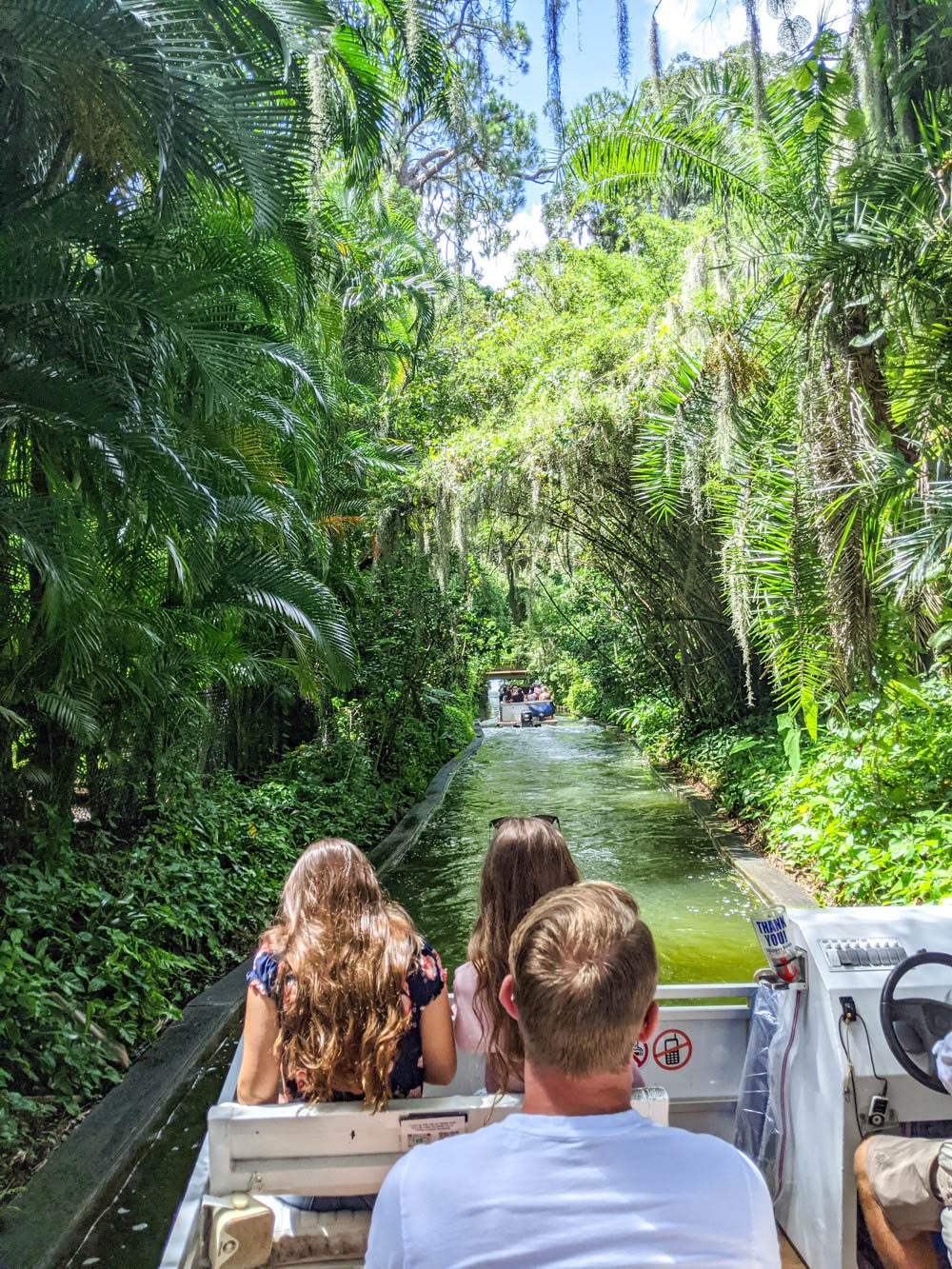
Integrating these high-value alternatives and free attractions into your itinerary can significantly reduce overall expenditure while enriching your Orlando experience with diverse and authentic moments.
Smart Spending Strategies: Optimizing Your Orlando Itinerary for Financial Efficiency
Once in Orlando, continuous vigilance over your spending is crucial. Small, seemingly insignificant purchases can quickly accumulate, eroding your carefully constructed budget. Smart spending strategies ensure your financial efficiency remains high throughout your trip.
Accommodations and Transportation: Where to Save, Where to Spend
Your choices in lodging and getting around Orlando have a massive impact on your total expenditure.
- Strategic Accommodation Selection:
- On-Site vs. Off-Site: Staying at a Disney or Universal resort offers perks like early park access, complimentary transportation, and proximity, which can save on transportation costs and time. However, these often come at a premium.
- Budget-Friendly Hotels: Numerous hotels just outside the resort gates or along International Drive offer competitive rates and often include amenities like free breakfast or shuttle services to parks, representing significant savings.
- Vacation Rentals: For families or groups, a vacation home or condo rental (via Airbnb, VRBO) can be exceptionally cost-effective. These often include kitchens, allowing for significant savings on dining.
- Transportation Optimization:
- Rental Car: A rental car offers ultimate flexibility, especially if visiting multiple parks or off-site attractions. Factor in rental cost, insurance, fuel, and parking fees. Booking in advance and comparing providers is key.
- Ride-Sharing & Taxis: Convenient for short distances or specific park entries but can become expensive for daily use.
- Hotel Shuttles: If staying at a hotel with free shuttle service, meticulously review their schedules. Relying solely on them might limit your flexibility but offers cost savings.
- Public Transport (Limited): Lynx, Orlando’s public bus system, is available but not designed for efficient theme park access for tourists. The I-Ride Trolley on International Drive is a good option for that specific corridor.
Balancing convenience with cost-effectiveness in accommodation and transportation is a cornerstone of a financially savvy Orlando vacation.
Culinary Cashflow: Dining Smart in the Theme Park Capital
Food and beverage expenses are often the biggest unexpected budget busters. With theme park dining notoriously pricey, a strategic approach to eating is essential.
- Breakfast in Room: If staying in a hotel with a mini-fridge or a vacation rental with a kitchen, purchasing breakfast items from a local grocery store (e.g., Publix, Walmart) can save hundreds over the course of a week. Cereal, bagels, fruit, and coffee are quick, easy, and affordable.
- Packed Lunches & Snacks: Most theme parks allow guests to bring in non-alcoholic beverages and small snacks. Packing sandwiches, granola bars, fruit, and refillable water bottles can significantly reduce costs. This not only saves money but also minimizes time spent in lines for food, enhancing your park experience.
- Quick Service vs. Table Service: Opt for quick-service restaurants over table-service options within the parks for lunch to save money and time. Table service can be a worthwhile splurge for dinner, but not for every meal.
- Off-Site Dining: Venture beyond the theme park gates for dinners. Orlando boasts an incredible array of restaurants, many offering better value and variety than in-park options. Utilize apps like Yelp or TripAdvisor to find local favorites that fit your budget.
- Drink Smart: Purchasing individual soft drinks or bottled water within parks can be costly. Consider bringing a reusable water bottle and utilizing free water stations, or purchasing a souvenir refillable mug if available (though analyze the break-even point for these). Alcoholic beverages, especially within parks, carry a substantial premium.
By applying these culinary cashflow strategies, you can enjoy delicious meals without compromising your financial objectives.
The Economic Impact of Your Visit: Understanding Orlando’s Tourism Ecosystem
Beyond personal financial management, a truly insightful visitor understands the broader economic landscape their spending impacts. Your choices “what to see” not only affect your wallet but contribute to the intricate economic engine of Orlando.
Local Business Support: Spreading Your Spending Wisely
While the major theme parks are economic powerhouses, Orlando’s economy is also vibrant with countless local businesses. By consciously directing some of your spending towards these establishments, you contribute to a more diversified and resilient local economy.
- Dining at Independent Restaurants: Seek out local eateries beyond the chains. Not only do these often offer unique flavors and experiences, but your money directly supports local entrepreneurs and their staff.
- Shopping at Boutiques and Markets: Instead of only buying souvenirs from theme park gift shops, explore local boutiques, craft markets, or art galleries. These purchases often carry a more authentic local flavor and directly benefit small businesses and local artisans.
- Engaging with Local Tour Operators: For specialized experiences (e.g., airboat tours, kayaking in natural springs, historical tours), consider booking with smaller, locally-owned operators. They often provide more personalized service and a deeper connection to the local environment.
Spreading your spending beyond the corporate giants helps foster community growth and ensures a more equitable distribution of the tourism dollar.

Long-Term Financial Planning: The Return on a Well-Planned Vacation
A well-executed Orlando vacation, underpinned by sound financial planning, offers more than just immediate gratification. It contributes to your long-term financial well-being in several subtle ways:
- Stress Reduction and Rejuvenation: The mental and emotional benefits of a well-planned, debt-free vacation can translate into increased productivity, better decision-making, and improved overall health upon your return. This “return on well-being” can be invaluable.
- Financial Literacy and Discipline: The process of budgeting, tracking expenses, and making conscious spending choices during a trip reinforces financial discipline that can be applied to everyday life. It’s a practical workshop in personal finance.
- Creating Lasting Memories (Emotional ROI): While intangible, the emotional return on investment from creating cherished memories with family and friends is immeasurable. Knowing you achieved these without incurring debt or financial strain only enhances their value.
By viewing “what to see in Orlando Florida” through a financial lens, you transform a potentially overwhelming travel decision into an empowering exercise in value creation. A professional approach to budgeting, strategic spending, and understanding economic impacts ensures that your magical Orlando adventure is not only unforgettable but also fiscally responsible and ultimately, a smart investment in your overall well-being.
aViewFromTheCave is a participant in the Amazon Services LLC Associates Program, an affiliate advertising program designed to provide a means for sites to earn advertising fees by advertising and linking to Amazon.com. Amazon, the Amazon logo, AmazonSupply, and the AmazonSupply logo are trademarks of Amazon.com, Inc. or its affiliates. As an Amazon Associate we earn affiliate commissions from qualifying purchases.