
In an increasingly complex financial world, the demand for competent and reliable tax preparers remains consistently high. Individuals and businesses alike grapple with ever-changing tax codes, seeking professional guidance to ensure compliance, maximize deductions, and minimize liabilities. For those with a knack for numbers, a meticulous eye for detail, and a desire to help others navigate their financial obligations, a career as a tax preparer offers a rewarding and potentially lucrative path. This comprehensive guide will illuminate the journey to becoming a tax preparer, detailing the necessary steps, qualifications, and the opportunities that await in this essential financial service sector.
Understanding the Role and Market for Tax Preparers
Before embarking on any career path, it’s crucial to understand the landscape and the specific responsibilities involved. Becoming a tax preparer is more than just filling out forms; it’s about providing valuable financial insights and ensuring legal compliance.
The Evolving Landscape of Tax Preparation
The realm of tax preparation is dynamic, influenced by annual legislative changes, technological advancements, and shifting economic conditions. A tax preparer’s primary role is to assist individuals, families, and businesses in preparing and filing their tax returns with various governmental agencies, most notably the Internal Revenue Service (IRS). This includes understanding different income types, eligible deductions, credits, and the nuances of various tax forms (e.g., 1040, 1120, 1065, Schedule C).
While tax software has made basic filing accessible, complex situations, business taxes, multi-state filings, or significant life events (like marriage, divorce, home purchase, or starting a business) often necessitate professional expertise. Furthermore, preparers often provide advisory services, helping clients plan for future tax years, understand their financial obligations, and respond to IRS inquiries. The profession demands continuous learning and adaptation, making it an engaging field for those who enjoy intellectual challenges.
Who Needs a Tax Preparer? (Target Market/Income Opportunity)
The market for tax preparers is vast and diverse, presenting numerous income opportunities.
- Individuals with Complex Finances: High-net-worth individuals, those with investments, rental properties, stock options, or foreign income often require specialized knowledge.
- Small Business Owners & Freelancers: Self-employed individuals, sole proprietors, partnerships, and small corporations face unique tax challenges, from tracking expenses and calculating self-employment taxes to understanding payroll and sales tax obligations. This segment offers significant potential for recurring business.
- Anyone Seeking Convenience or Peace of Mind: Many taxpayers, regardless of financial complexity, prefer to outsource their tax preparation to save time, reduce stress, and gain assurance that their returns are accurate and optimized.
- Specialized Niches: There are opportunities to specialize in areas like expatriate taxes, estate taxes, non-profit organizations, or specific industries, allowing preparers to carve out a niche and command higher fees.
This broad demand ensures a steady stream of potential clients, making tax preparation a viable career or a profitable side hustle, particularly during tax season (January to April 15th), but also throughout the year for extensions, amendments, and planning.
Essential Steps to Become a Qualified Tax Preparer
The path to becoming a tax preparer is structured, requiring a combination of education, certification, and practical experience. While the specific requirements can vary, there are fundamental steps that aspiring professionals must take.
Education and Training Pathways
Unlike some professions, there isn’t a single mandatory degree to become a basic tax preparer. However, a strong foundation is crucial:
- High School Diploma or GED: This is the absolute minimum requirement.
- Formal Education (Recommended): A degree in accounting, finance, business administration, or a related field can provide a robust understanding of financial principles, tax law, and business operations. An associate’s or bachelor’s degree significantly enhances credibility and opens doors to more advanced roles.
- Specialized Tax Courses: Many community colleges, vocational schools, and online platforms offer specific courses in tax preparation. These courses often cover federal tax law, state tax specifics, tax software usage, and ethical guidelines. Programs like those offered by the IRS (e.g., VITA/TCE volunteer programs, which also provide training) or private institutions are excellent starting points. These courses are particularly useful for those without a formal accounting background.
Gaining Necessary Certifications and Credentials
While anyone can prepare a tax return for compensation, certain credentials significantly enhance credibility, expand authority, and often lead to higher earning potential.
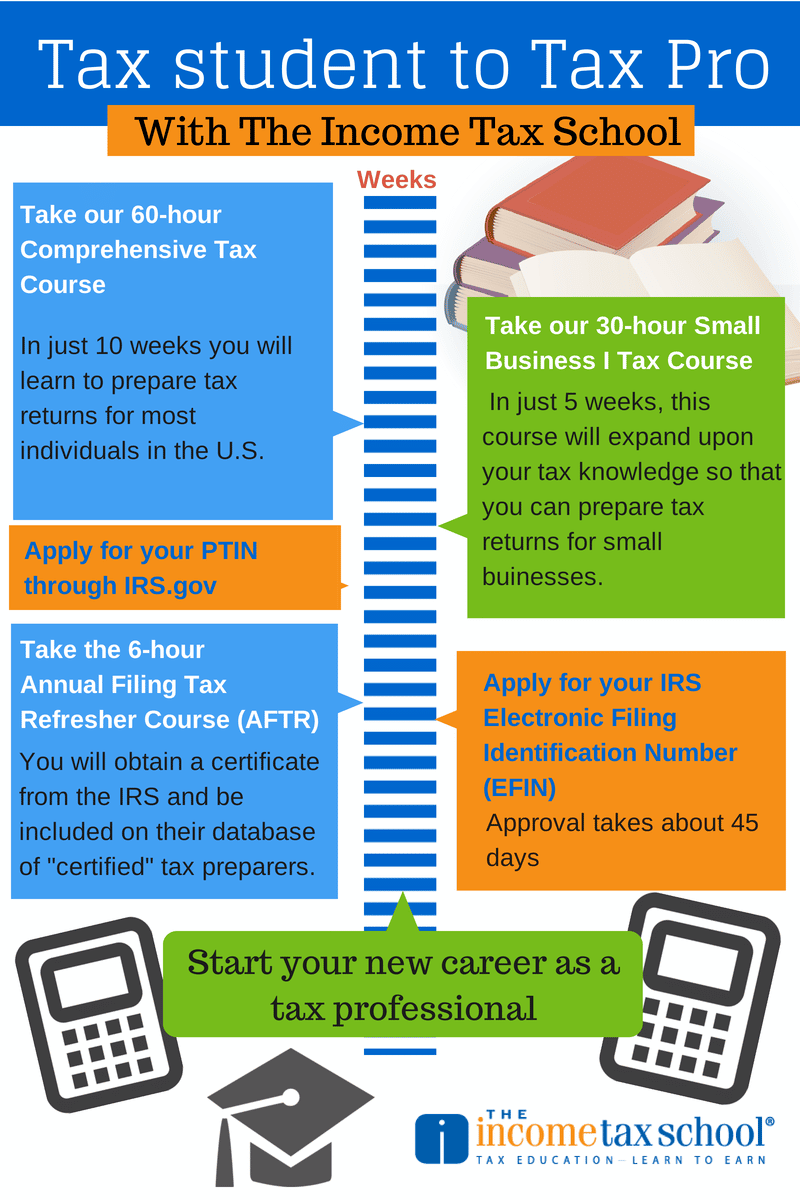
- PTIN (Preparer Tax Identification Number): This is the most basic requirement for anyone who prepares federal tax returns for compensation. The IRS mandates that all paid tax preparers have an active PTIN. It’s relatively easy to obtain and renew annually through the IRS website. This is your entry-level credential.
- AFSP (Annual Filing Season Program): This is a voluntary program offered by the IRS for non-credentialed tax preparers. By completing 18 hours of continuing education (including 6 hours of federal tax law updates, 10 hours of federal tax law topics, and 2 hours of ethics), preparers receive an AFSP Record of Completion. This allows them to represent clients whose returns they prepared before the IRS during an audit, appeals, or collection. It’s a valuable step up from just a PTIN.
- Enrolled Agent (EA): An EA is a federally authorized tax practitioner who has technical expertise in the field of taxation and is empowered by the U.S. Department of the Treasury to represent taxpayers before the IRS. EAs can prepare all types of tax returns (individual, business, estate, trust) and represent clients on any matters before the IRS, anywhere in the U.S. Becoming an EA requires passing a three-part Special Enrollment Examination (SEE) covering all aspects of federal taxation and meeting suitability checks. This is a highly respected credential, often considered the gold standard for non-CPA tax preparers.
- Certified Public Accountant (CPA): While primarily focused on auditing and general accounting, CPAs are also highly qualified to prepare taxes. Becoming a CPA requires a bachelor’s degree (often 150 semester hours of college coursework), passing a rigorous multi-part exam, and meeting state-specific experience requirements. A CPA license offers the broadest scope of financial services, including tax preparation, and carries significant prestige.
Practical Experience and Skill Development
Education and credentials lay the groundwork, but practical experience hones your skills.
- Internships or Entry-Level Positions: Working for an established tax preparation firm (e.g., H&R Block, Jackson Hewitt), an accounting firm, or even volunteering for IRS-sponsored programs like VITA (Volunteer Income Tax Assistance) or TCE (Tax Counseling for the Elderly) can provide invaluable hands-on experience.
- Mentorship: Finding an experienced tax preparer who can guide you through real-world scenarios and provide insights into client management is incredibly beneficial.
- Software Proficiency: Become adept at using professional tax preparation software (e.g., Intuit ProSeries, CCH Axcess Tax, Drake Tax). These tools are essential for efficiency and accuracy.
- Communication Skills: Tax preparers must effectively communicate complex tax concepts to clients in an understandable way. Strong interpersonal skills, empathy, and patience are paramount.
- Attention to Detail: The smallest error on a tax return can lead to significant issues, making meticulousness a non-negotiable trait.

Navigating the Legal and Ethical Framework
The tax preparation profession is heavily regulated to protect taxpayers and maintain the integrity of the tax system. Adherence to legal requirements and a strong ethical compass are non-negotiable.
Compliance and Regulatory Requirements
Beyond obtaining a PTIN and potentially other credentials, tax preparers must be aware of and comply with various regulations:
- IRS Due Diligence Requirements: Preparers are legally obligated to exercise due diligence in preparing returns, particularly concerning refundable credits (e.g., Earned Income Tax Credit, Child Tax Credit). This involves asking probing questions, reviewing client-provided documents, and ensuring all information is accurate and complete. Failure to do so can result in significant penalties.
- Data Security and Privacy: Handling sensitive financial information requires strict adherence to privacy laws (e.g., IRS Publication 4557, Safeguarding Taxpayer Data). Preparers must protect client data from unauthorized access, use, or disclosure, implementing robust cybersecurity measures.
- State-Specific Regulations: Some states have their own licensing or registration requirements for tax preparers. It’s crucial to research and comply with the regulations of any state where you plan to offer services.
- Advertising and Marketing Rules: There are specific rules governing how tax preparers can advertise their services to prevent misleading claims or unethical practices.
Maintaining Professional Ethics and Client Trust
Trust is the cornerstone of the client-preparer relationship. Ethical conduct is not just good practice; it’s a professional imperative.
- Confidentiality: All client information must be kept strictly confidential. Breaching confidentiality can lead to severe penalties, including loss of credentials and legal action.
- Integrity and Objectivity: Preparers must act with integrity, avoiding conflicts of interest and providing unbiased advice. They should never encourage or participate in fraudulent activities.
- Competence: Only accept work for which you are competent. If a client’s situation is beyond your expertise, refer them to a more qualified professional.
- Transparency: Clearly communicate fees, services offered, and any potential outcomes or risks associated with their tax situation.
- Continuing Professional Education (CPE): All credible tax professionals (EAs, CPAs, AFSP participants) are required to complete regular CPE to stay current with tax law changes and maintain their competence. This commitment to ongoing learning is a key ethical responsibility.
Building a Successful Tax Preparation Business or Career
Once you’ve acquired the necessary knowledge and credentials, the next phase involves deciding how you’ll apply your skills and establish yourself in the market.
Exploring Employment vs. Entrepreneurship
- Employment: Many tax preparers begin their careers working for established firms like national tax franchises (e.g., Liberty Tax Service), regional accounting firms, or corporate tax departments. This offers a stable income, benefits, mentorship, and a ready-made client base. It’s an excellent way to gain experience and learn the ropes without the immediate pressures of running a business.
- Entrepreneurship (Starting Your Own Practice): For those with an entrepreneurial spirit, starting a private tax preparation business offers greater autonomy and potentially higher income ceilings. This path requires a solid business plan, initial capital for software, marketing, and office space (physical or virtual), and a proactive approach to client acquisition. It can be started as a side hustle and gradually scaled up.
Marketing Your Services and Attracting Clients
Whether you’re employed or self-employed, understanding how to market yourself is vital for financial success.
- Networking: Join professional organizations (e.g., National Association of Enrolled Agents, American Institute of CPAs, local chambers of commerce). Attend industry events to connect with potential clients and referral sources.
- Online Presence: Create a professional website, optimize it for local search (SEO), and leverage social media (LinkedIn, Facebook) to showcase your expertise and attract clients. Offer valuable content like tax tips or explainer videos.
- Referral Programs: Encourage satisfied clients to refer new business through incentives or simply by providing exceptional service that naturally leads to word-of-mouth recommendations.
- Local Partnerships: Collaborate with financial advisors, real estate agents, insurance brokers, or small business consultants who often need reliable tax professionals for their clients.
- Community Involvement: Volunteer for tax preparation assistance programs or give presentations on tax topics to local community groups or small business associations.
Tools and Resources for Tax Professionals
Leveraging the right tools can significantly enhance efficiency and service quality, directly impacting your financial viability.
- Professional Tax Software: Invest in reliable, industry-standard software that handles various tax forms, e-filing, and compliance checks.
- Secure Client Portals/CRM: Use secure platforms for client communication, document exchange, and client relationship management to streamline workflows and protect sensitive data.
- Research Tools: Access to professional tax research platforms (e.g., Wolters Kluwer, Thomson Reuters Checkpoint) is crucial for staying updated on complex tax laws and finding answers to unique client situations.
- Bookkeeping Software: Familiarity with accounting software like QuickBooks or Xero can be beneficial, especially when working with small business clients who may need help organizing their financial records.
- Continuing Education Providers: Partner with reputable providers to fulfill your CPE requirements and continually expand your knowledge base.
The Financial Rewards and Future Outlook
A career in tax preparation offers a clear path to financial independence and professional growth. The income potential is attractive, and the demand for skilled professionals is enduring.
Income Potential and Seasonal Opportunities
Income for tax preparers varies widely based on credentials, experience, location, client base, and whether one is employed or self-employed.
- Entry-Level/PTIN Holders: Can earn hourly wages or a percentage of fees, potentially $20-$40 per hour or $25,000-$50,000 annually during tax season.
- AFSP Participants/Experienced Preparers: With a few years of experience and a growing client list, earnings can range from $40,000-$70,000 annually, especially with year-round planning services.
- Enrolled Agents (EAs) & CPAs: These highly credentialed professionals command higher fees and have broader service offerings. EAs can typically earn $50,000-$100,000+, while CPAs with tax specializations can earn significantly more, often $70,000 to $150,000+ depending on their role and practice size.
- Seasonal vs. Year-Round Income: While tax season (January-April) is the peak earning period, offering year-round services like tax planning, IRS representation, and quarterly estimated tax preparation can provide a steady income stream outside of the primary filing period, transforming a seasonal hustle into a full-time profession.
Continuous Learning and Growth in the Tax Field
The tax code is constantly evolving, making continuous learning not just a requirement for CPE but a vital component for professional growth and financial success. Staying abreast of new legislation, court rulings, and IRS guidance ensures you remain competent and can offer the most accurate and advantageous advice to clients. This commitment to lifelong learning also opens doors to specialization, allowing you to become an expert in niche areas and further increase your earning potential. The field also allows for diversification into other financial services, such as financial planning or business consulting, providing multiple avenues for career expansion and increased income.
Becoming a tax preparer is a journey that combines education, certification, ethical practice, and strategic business development. For those committed to mastering the intricacies of taxation and dedicated to serving their clients, it represents a stable, intellectually stimulating, and financially rewarding career within the crucial financial services sector.
aViewFromTheCave is a participant in the Amazon Services LLC Associates Program, an affiliate advertising program designed to provide a means for sites to earn advertising fees by advertising and linking to Amazon.com. Amazon, the Amazon logo, AmazonSupply, and the AmazonSupply logo are trademarks of Amazon.com, Inc. or its affiliates. As an Amazon Associate we earn affiliate commissions from qualifying purchases.