
Filing taxes can be a complex affair, and sometimes life intervenes, causing taxpayers to miss the original deadlines. While the primary tax season for 2022 returns officially closed in April 2023, the obligation to file doesn’t disappear. For those who find themselves needing to submit their 2022 federal and state tax returns in 2024, the process shifts slightly, but modern online tools still offer a streamlined and efficient path forward. This guide will walk you through the essential steps, considerations, and available resources to successfully file your 2022 taxes online in 2024, ensuring compliance and peace of mind within the realm of personal finance.

The thought of filing late might be daunting, conjuring images of penalties and intricate paperwork. However, ignoring the obligation is far more detrimental than addressing it head-on. The IRS and state tax authorities provide mechanisms for late filers, and utilizing online financial software can significantly simplify what might otherwise seem like a Herculean task. Our focus here is on empowering you with the knowledge to navigate this process digitally, minimizing stress and maximizing accuracy.
Understanding Your Obligation: Why File Late?
Before diving into the “how,” it’s crucial to understand the “why.” While ideally, everyone files on time, life is unpredictable. Recognizing the reasons for delayed filing and the consequences of inaction provides critical motivation to complete this essential financial task.
Common Reasons for Delayed Filing
Many legitimate and understandable circumstances can lead to a delay in filing taxes. These are not uncommon, and understanding them can alleviate some of the self-blame often associated with late filing:
- Life-Altering Events: Major personal crises such as severe illness, the death of a family member, or natural disasters can understandably push tax filing to the bottom of the priority list. The IRS often offers relief in such circumstances, though communication is key.
- Misunderstanding Deadlines or Extensions: Some taxpayers might genuinely misunderstand extension rules, believing an extension to file is also an extension to pay, or simply misremembering the original deadline.
- Missing or Incorrect Documentation: A delay in receiving crucial tax documents like W-2s, 1099s, or K-1s, or discovering errors in these documents, can hold up the entire filing process.
- Procrastination or Overwhelm: For some, the sheer complexity of their financial situation or a general aversion to paperwork leads to procrastination. While less excusable, it’s a common human tendency that underscores the need for user-friendly online solutions.
Regardless of the reason, the core principle remains: the tax obligation persists. Addressing it as soon as possible is always the best financial strategy.
Consequences of Not Filing or Filing Late
Ignoring your tax responsibilities carries significant financial penalties and potential long-term repercussions. Understanding these consequences is a powerful incentive to get your 2022 taxes filed promptly in 2024.
- Failure-to-File Penalty: This is one of the most immediate and significant penalties. If you don’t file on time, the IRS can charge a penalty of 5% of the unpaid taxes for each month or part of a month that a tax return is late, capped at 25% of your unpaid tax. If you file more than 60 days late, the minimum penalty is $485 (for returns due in 2023) or 100% of the tax owed, whichever is smaller.
- Failure-to-Pay Penalty: Separate from the failure-to-file penalty, if you don’t pay the taxes you owe by the due date, the IRS can charge a penalty of 0.5% of the unpaid taxes for each month or part of a month that taxes remain unpaid, also capped at 25% of your unpaid tax.
- Interest on Underpayments: On top of penalties, the IRS charges interest on underpayments. This interest compounds daily, increasing the total amount you owe over time. The interest rate can change quarterly but is typically a few percentage points above the federal short-term rate.
- Loss of Refunds: If you are owed a refund, there is a strict three-year window from the original due date to claim it. For 2022 taxes, the deadline to claim a refund would typically be April 15, 2026. If you file after this three-year period, any refund due to you will be forfeited to the U.S. Treasury. This is a critical point: if the government owes you money, filing late won’t incur a failure-to-file penalty, but waiting too long will mean you lose your money.
- Impact on Future Financial Activities: Unfiled tax returns can impede your ability to secure loans (mortgages, student loans), affect credit applications, and even interfere with receiving future government benefits or services. Ignoring tax obligations can also lead to more severe actions by the IRS, such as levies on bank accounts or wage garnishments.
Given these potential financial ramifications, taking action to file your 2022 taxes in 2024 is not just about compliance, but about protecting your financial well-being.
Navigating the Online Landscape for Prior-Year Returns
While e-filing directly with the IRS for 2022 returns officially closed in October 2023 for most taxpayers, specialized online tax software still plays a pivotal role. These financial tools allow you to prepare your 2022 return digitally, print it, and then mail it to the IRS. This blend of online convenience and traditional submission is the most common method for prior-year filings in 2024.
Key Considerations for Online Filing Software
Choosing the right online tax preparation software is crucial, especially when dealing with prior-year returns. Not all platforms offer the same features or support for past tax years.
- Availability for Prior Years: This is the most critical factor. Many software providers only support the current tax year for e-filing. For prior years, they typically offer the ability to prepare the return, which you then print and mail. Ensure the software explicitly states it supports 2022 tax year preparation.
- Pricing Models: While some platforms offer free filing for simple current-year returns, prior-year versions almost always come with a fee. Compare costs across different providers, considering both federal and state return charges.
- IRS-Authorized E-file Providers (for current year, but relevant for reputation): While you won’t be e-filing your 2022 return with the IRS directly through software in 2024, opting for a company that is an IRS-authorized e-file provider for current years ensures their software adheres to IRS standards and is generally reliable.
- User Interface and Ease of Use: Look for intuitive interfaces that guide you through the process step-by-step. Complex financial situations might benefit from software with more robust help features and clear explanations.
- Customer Support: Should you encounter issues or have questions, access to reliable customer support (via chat, phone, or email) can be invaluable. This is particularly true for prior-year filings where specific nuances might arise.
Popular Online Tax Software Options for Prior Years
Several leading tax software providers generally offer support for preparing prior-year returns. It’s advisable to visit their respective websites and confirm their current offerings for the 2022 tax year.
- TurboTax: Often considered a market leader, TurboTax generally offers comprehensive support for prior-year returns. Users can typically access past versions of the software (desktop or online options) to prepare and print their 2022 federal and state tax returns. Its guided interview process makes it user-friendly even for complex situations.
- H&R Block: Another highly reputable name in tax preparation, H&R Block’s online software usually provides options for preparing prior-year taxes. They offer various product tiers to accommodate different tax situations, ensuring you can find one that fits your needs for 2022.
- TaxAct: Known for being a more cost-effective option, TaxAct also provides solutions for preparing prior-year returns. It’s a good choice for those seeking a balance between affordability and comprehensive features, often suitable for various income levels and tax complexities.
- FreeTaxUSA: While its name implies “free,” this usually applies to federal returns for the current year. However, FreeTaxUSA often provides very affordable options for prior-year federal and state returns. It’s a solid choice for straightforward returns and budget-conscious filers.
Important Note on E-Filing Prior Years: As mentioned, the IRS’s e-file system for 2022 returns closed in October 2023. This means that while these software providers will help you prepare your 2022 tax forms, you will almost certainly need to print them and mail them to the IRS. The software will guide you on where to mail your completed return.
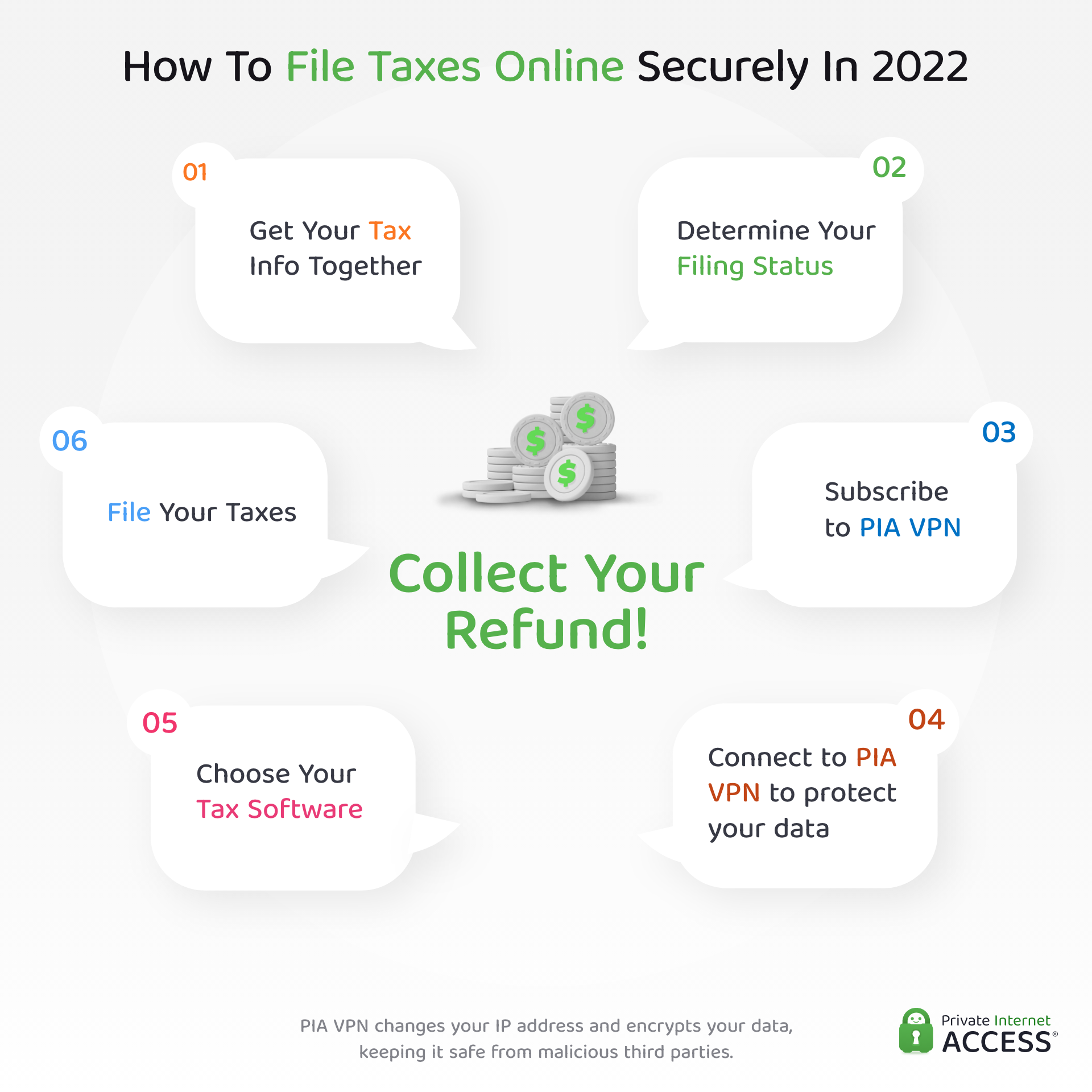
Step-by-Step Guide to Online Filing for 2022 Taxes in 2024
Once you’ve selected your preferred online tax software, the process of preparing your 2022 return digitally is systematic and user-friendly.
Gathering Your Documentation
The first and most critical step is to collect all necessary financial documents for the 2022 tax year. Accuracy here prevents errors and potential issues down the line.
- Income Statements: W-2s (from employers), 1099-NEC (non-employee compensation), 1099-MISC (miscellaneous income), 1099-INT (interest income), 1099-DIV (dividend income), K-1s (from partnerships, S-corps, or trusts), and any other income statements.
- Deduction and Credit Records: This includes Form 1098 (mortgage interest), records of student loan interest, tuition statements (Form 1098-T), charitable contribution receipts, medical expense records, business expenses (if self-employed), and property tax statements.
- Previous Year’s Tax Return (2021): Your 2021 tax return can serve as a valuable reference, providing starting points for certain deductions or carrying over information like capital losses.
- Proof of Estimated Tax Payments: If you made estimated tax payments (Form 1040-ES) for the 2022 tax year, ensure you have records of these payments.
If you are missing a W-2 or 1099, contact the issuer directly. If that fails, the IRS can provide a wage and income transcript which summarizes your reported income.
Choosing and Setting Up Your Software
With documents in hand, you’re ready to engage with your chosen online financial tool.
- Select the Right Software: As discussed, pick a software provider known for supporting prior-year returns.
- Create an Account or Log In: If you’re a returning user, log in. New users will need to create an account, which typically involves setting up a username, password, and security questions.
- Select the Correct Tax Year: Crucially, ensure you select the “2022” tax year when starting your return. This tells the software which tax laws and forms to apply.
Inputting Your Financial Data
This is where the software truly shines, guiding you through a question-and-answer format.
- Follow the Guided Interview: The software will ask you a series of questions about your income, deductions, and credits. Enter information precisely as it appears on your tax documents.
- Import Features (Limited for Prior Years): While some software can import data directly from employers or financial institutions for the current year, this feature is less commonly available or reliable for prior-year returns. Be prepared to manually enter most of your data.
- Review Entries Carefully: After entering each section, take a moment to double-check for typos or incorrect selections. Mistakes here can lead to incorrect calculations and potential IRS scrutiny.
- State Returns: Once your federal return is complete, the software will usually prompt you to prepare your state return(s) if applicable. Much of the federal data will automatically transfer, simplifying the state filing process.
Reviewing and Preparing for Submission
Before printing and mailing, a thorough review is paramount.
- Software Error Checks: Most online tax software includes robust error-checking mechanisms that flag potential issues, missing information, or inconsistencies. Pay close attention to these warnings.
- Final Review: Go through your entire return, line by line, if possible. Compare key figures against your original documents. Ensure your personal information, Social Security number, and dependents’ information are accurate.
- Understand Payment Options (If Tax is Owed): If the software calculates that you owe taxes, it will provide instructions on how to pay. For mailed returns, you’ll often include Form 1040-V (Payment Voucher) with your check or money order.
- Print and Mail: Once you are confident in your return’s accuracy, the software will generate printable versions of all required IRS forms (Form 1040 and relevant schedules) and any state forms. Print these out, sign them in the designated areas, and mail them to the appropriate IRS and state tax addresses. The software will provide the correct mailing addresses. It’s recommended to send them via certified mail with a return receipt for proof of mailing.
Post-Filing Considerations and Penalty Mitigation
Filing your 2022 taxes in 2024 is a significant step, but the process doesn’t end with mailing the envelope. There are important considerations, especially if you owe money or want to address potential penalties.
What to Do If You Owe Taxes
If your 2022 return indicates you owe federal or state taxes, you must pay them as soon as possible to stop the accumulation of penalties and interest.
- Pay Electronically: Although you mailed your return, you can often pay your federal taxes electronically via IRS Direct Pay, Electronic Federal Tax Payment System (EFTPS – requires enrollment), or through a payment option provided by your tax software. State tax agencies also offer similar electronic payment methods.
- Mail a Check or Money Order: If paying by mail, enclose a check or money order payable to the “U.S. Treasury” (for federal taxes) or the respective state treasury, along with Form 1040-V (Payment Voucher) and your mailed tax return. Write your name, address, daytime phone number, Social Security number, the tax year (2022), and “Form 1040” on your payment.
- Payment Plans: If you can’t afford to pay your tax liability in full, contact the IRS (or state tax authority) to discuss payment options. These include short-term payment plans (up to 180 days) or installment agreements (monthly payments for up to 72 months). An Offer in Compromise (OIC) allows certain taxpayers to resolve their tax liability with the IRS for a lower amount than what they originally owe, but it’s typically for those facing severe financial hardship.
What to Do If You’re Due a Refund
If you’re due a refund for your 2022 taxes, rest assured the IRS will still process it. However, the clock is ticking for claiming it.
- Three-Year Refund Window: For 2022 taxes, you generally have until April 15, 2026, to file and claim any refund due. Filing your 2022 return in 2024 falls well within this window, so your refund is safe provided you file.
- Processing Time: Mailed returns, especially prior-year ones, can take longer to process than e-filed returns. Be patient; it could be several weeks or even months before you receive your refund.
- Check Refund Status: Once you’ve mailed your return, you can typically use the IRS “Where’s My Refund?” tool online (or similar state tools) to check the status, although updates for mailed prior-year returns may not be as immediate.
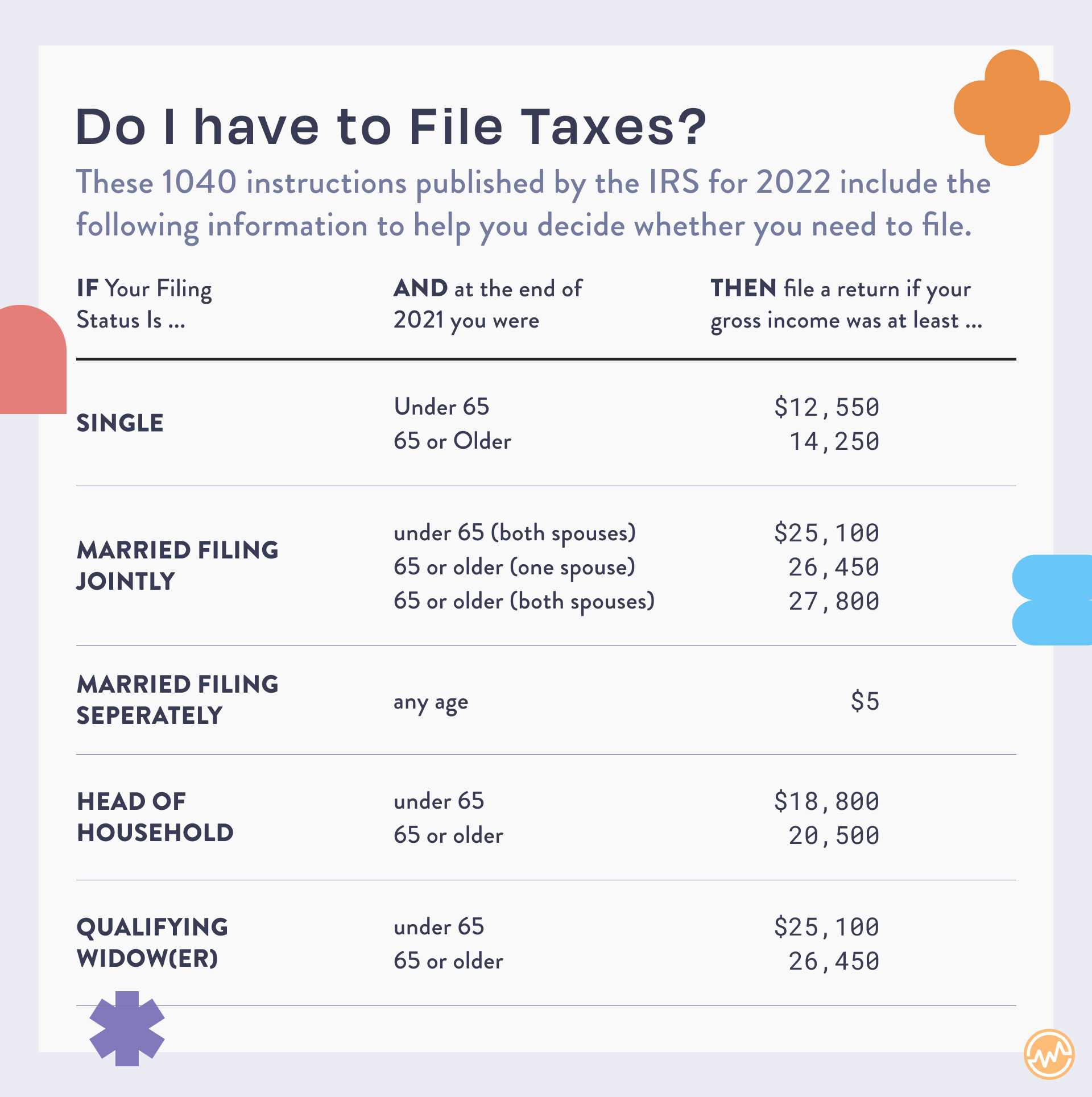
Addressing Penalties and Interest
It’s likely that failure-to-file and failure-to-pay penalties, along with interest, will be assessed when filing late. However, there are avenues for relief.
- Understanding Penalty Notices: The IRS will typically send you a notice detailing any penalties and interest owed. Review this carefully.
- Reasonable Cause: You may be able to have penalties abated if you can demonstrate “reasonable cause” for filing or paying late. This often applies to circumstances beyond your control, such as a serious illness, natural disaster, or erroneous advice from the IRS. You’ll need to write a letter to the IRS explaining your situation and providing supporting documentation.
- First-Time Penalty Abatement (FTA): The IRS offers a First-Time Penalty Abatement waiver for taxpayers who have a clean compliance history for the three tax years preceding the tax year in which the penalty was assessed. This waiver applies to failure-to-file, failure-to-pay, and failure-to-deposit penalties.
- Contact the IRS: If you believe a penalty is unwarranted or want to request abatement, contact the IRS directly. Be prepared to explain your situation clearly and provide any necessary documentation.
Filing your 2022 taxes in 2024 online, though involving a manual mailing step, is an achievable and financially responsible action. By leveraging intuitive online financial tools, diligently gathering your documents, and understanding the post-filing landscape, you can navigate this process effectively. Taking control of your tax obligations, even when delayed, is a fundamental aspect of sound personal finance and ensures you remain in good standing with tax authorities. Don’t let the passage of time deter you; the tools and guidance are available to get your financial house in order.
aViewFromTheCave is a participant in the Amazon Services LLC Associates Program, an affiliate advertising program designed to provide a means for sites to earn advertising fees by advertising and linking to Amazon.com. Amazon, the Amazon logo, AmazonSupply, and the AmazonSupply logo are trademarks of Amazon.com, Inc. or its affiliates. As an Amazon Associate we earn affiliate commissions from qualifying purchases.