
For many, the name “Tesla” evokes images of cutting-edge technology, sleek design, and a future-forward driving experience. Yet, beneath the allure of innovation lies a fundamental question for any prospective buyer: “How much does it really cost?” This isn’t just a simple query about a sticker price; it’s an intricate exploration into a unique financial ecosystem encompassing initial outlay, long-term operational expenses, and potential savings. Understanding the true financial commitment of owning a Tesla requires a deep dive into its diverse model lineup, the nuances of its optional features, the often-overlooked total cost of ownership, and the landscape of incentives and financing. This article will demystify the financial implications of stepping into the world of Tesla, providing a professional and insightful guide for those considering this significant investment.
Decoding Tesla’s Pricing Structure: Initial Investment
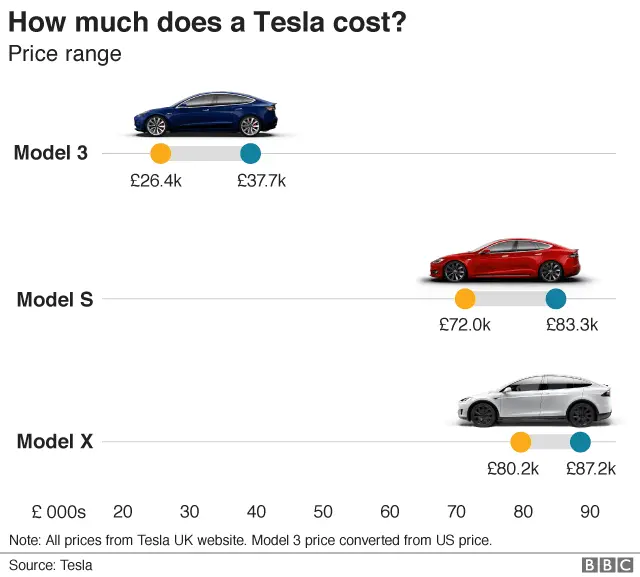
The journey to understanding a Tesla’s cost begins with its base price, which varies significantly across its model range. Tesla has strategically positioned its vehicles to cater to different segments of the electric vehicle (EV) market, from more accessible sedans to luxury SUVs and the revolutionary Cybertruck. However, the initial price tag is merely the entry point, as numerous factors can quickly escalate the total purchase amount.
Model Lineup and Base Prices
Tesla’s portfolio currently includes the Model 3, Model Y, Model S, Model X, and the recently launched Cybertruck.
- Model 3: Often considered Tesla’s “entry-level” sedan, the Model 3 typically offers the most accessible starting price. It’s available in various configurations, impacting its cost significantly.
- Model Y: A compact SUV, the Model Y builds on the Model 3 platform but offers more cargo space and a higher driving position, resulting in a slightly higher base price. It’s a popular choice for families and those seeking versatility.
- Model S: As Tesla’s flagship luxury sedan, the Model S commands a premium price reflective of its advanced performance, range, and opulent interior features.
- Model X: The luxury SUV counterpart to the Model S, the Model X is known for its distinctive Falcon Wing doors and spacious interior. Its advanced engineering and size place it at the higher end of Tesla’s pricing spectrum.
- Cybertruck: The electric pickup truck represents a new frontier for Tesla, with a unique design and robust capabilities. Its pricing varies significantly based on powertrain configurations (Rear-Wheel Drive, All-Wheel Drive, Cyberbeast).
It’s important to note that Tesla’s pricing strategy can be dynamic, with adjustments made in response to production efficiencies, market demand, and raw material costs. Therefore, prospective buyers should always consult Tesla’s official website for the most current base pricing.
Navigating Trim Levels and Powertrain Options
Within each model, Tesla offers different trim levels, primarily distinguished by their powertrain configurations: Standard Range, Long Range, and Performance. These choices directly correlate with battery size, motor configuration, and, consequently, range and acceleration capabilities.
- Standard Range: These variants typically offer the lowest entry price but also the shortest driving range. They are ideal for city dwellers or those with shorter commutes who prioritize affordability.
- Long Range: These models strike a balance between price and capability, offering significantly extended range, making them suitable for longer journeys and reducing “range anxiety.” This usually comes with a higher battery capacity and often a dual-motor all-wheel-drive system.
- Performance: At the pinnacle of each model line, Performance variants boast enhanced acceleration, higher top speeds, and often upgraded brakes and suspension. These come with the highest price tag, catering to enthusiasts who prioritize exhilarating driving dynamics.
The choice of trim level is arguably the most impactful decision on the initial purchase price, often representing a difference of tens of thousands of dollars between the base and top-tier configurations.
Optional Features and Customizations
Beyond the core model and trim, Tesla offers a suite of optional features and aesthetic customizations that can further increase the final cost. These include:
- Full Self-Driving (FSD) Capability: This controversial yet technologically advanced package is by far the most expensive software upgrade. While it promises future autonomous driving features, its current capabilities are a debated topic, and its high cost represents a significant investment. Buyers can choose to purchase FSD outright or subscribe to it monthly.
- Paint Colors: While a standard color (typically Pearl White Multi-Coat) is included, other premium metallic or multi-coat colors come with an additional charge.
- Wheel Upgrades: Larger or uniquely designed wheels are often offered as an upgrade, impacting both aesthetics and, marginally, driving range and cost.
- Interior Upgrades: While interior options are fewer than traditional luxury brands, specific choices like a white interior often carry an additional cost compared to the standard black.
- Home Charging Equipment: While not strictly part of the vehicle, the installation of a Wall Connector at home (recommended for optimal charging) is an additional cost that should be factored into the overall investment.
These optional extras allow for personalization but also require careful budgeting, as they can quickly add thousands to the vehicle’s final purchase price.
Beyond the Sticker Price: Understanding Total Cost of Ownership (TCO)
While the initial purchase price is a significant hurdle, savvy buyers understand that the true cost of a vehicle extends far beyond its showroom tag. The Total Cost of Ownership (TCO) for a Tesla, or any vehicle, encompasses ongoing expenses that accrue over its lifetime. Here, Tesla’s unique nature as an EV often presents a different financial profile compared to internal combustion engine (ICE) cars, with both potential savings and new considerations.
Insurance Premiums: Factors Influencing Cost
One of the more variable and often surprising costs for Tesla owners is insurance. Premiums for Teslas can be higher than for comparable ICE vehicles for several reasons:
- Advanced Technology: While beneficial, complex sensors and sophisticated computer systems are expensive to repair or replace after an accident.
- Performance: Many Tesla models offer high performance, which insurers often associate with a higher risk of accidents.
- Repair Costs: Limited certified repair shops and specialized parts can lead to higher labor and material costs for bodywork and mechanical repairs.
- Theft Risk: In some regions, certain Tesla models have been identified as targets for theft, influencing premium rates.
Insurance costs vary wildly based on location, driver’s history, chosen coverage, and the specific Tesla model. It’s crucial for prospective buyers to obtain insurance quotes before purchase to avoid sticker shock later.
Charging Infrastructure and Electricity Costs
Fueling an EV differs significantly from filling up a gasoline tank, and so do the associated costs.
- Home Charging: The most economical way to “fuel” a Tesla is usually at home, utilizing off-peak electricity rates. The cost per mile will depend on local electricity prices. Installing a Level 2 Wall Connector provides faster charging but is an upfront installation cost (equipment + electrician).
- Supercharging: Tesla’s proprietary Supercharger network offers rapid charging on the go, essential for long-distance travel. While convenient, Supercharging costs more per kilowatt-hour than home charging, akin to paying premium gas prices. The rates can vary by location and time of day.
- Public Chargers: Third-party public charging networks offer various speeds and pricing structures, which can range from free (rare) to comparable to Supercharger rates.
Calculating average monthly charging costs requires estimating typical mileage, a mix of home vs. public/Supercharging, and local electricity rates.
Maintenance and Servicing: A Different Paradigm
One area where Teslas generally offer significant savings compared to ICE vehicles is maintenance. EVs have fewer moving parts than traditional cars, eliminating the need for oil changes, spark plug replacements, and complex exhaust system maintenance.
- Reduced Regular Maintenance: Owners typically save on routine services like fluid checks and filter replacements common in ICE vehicles.
- Brake Wear: Regenerative braking significantly reduces wear on physical brake pads and rotors, extending their lifespan considerably.
- Software Updates: Tesla vehicles receive over-the-air software updates, improving functionality, adding features, and sometimes even boosting performance, often without needing a service center visit.
However, Teslas are not entirely maintenance-free. Owners still need to consider tire rotations and replacements, windshield wiper fluid, cabin air filter replacements, and occasional diagnostic checks. Specialized repairs, if needed, might still require Tesla-certified technicians, potentially at higher labor rates.
Registration, Taxes, and Fees
Like any vehicle, a Tesla incurs various government-mandated fees:
- Sales Tax: This is often the largest additional upfront cost, calculated as a percentage of the purchase price and varying by state or province.
- Registration Fees: Annual or biannual fees are required to keep the vehicle legally registered, often varying by vehicle weight or value.
- EV-Specific Fees: Some states or countries impose additional registration fees on EVs to offset lost revenue from gasoline taxes, as EVs don’t contribute to road maintenance through fuel taxes.
- Dealership/Documentation Fees: While Tesla operates a direct-sales model, there can still be administrative fees associated with processing paperwork.
These expenses, while standard for all vehicles, should be factored into the overall financial picture, especially the sales tax on a high-value purchase.
Financial Incentives and Savings Opportunities
Beyond the operational cost savings, governments and manufacturers often provide incentives that can significantly reduce the effective purchase price and long-term expenses of owning an electric vehicle like a Tesla. These opportunities are a critical part of the financial equation.
Federal Tax Credits and State Rebates
One of the most impactful financial incentives is the potential for government tax credits and rebates.
- Federal Tax Credits: In the United States, the federal government offers tax credits for eligible new clean vehicles. The amount and eligibility criteria (such as battery sourcing, manufacturing location, and vehicle MSRP limits) can change frequently. Historically, Tesla vehicles have qualified for these credits, though their eligibility can fluctuate based on evolving legislation and the company’s production milestones. It’s crucial to verify the current status of these credits at the time of purchase, as they can represent thousands of dollars in savings.
- State and Local Rebates: Many states, cities, and even local utility companies offer additional incentives for EV purchases or charging infrastructure installation. These can range from direct rebates, grants, or even preferential access to HOV lanes. These programs are highly localized and vary significantly.
These incentives can effectively lower the net purchase price, making a Tesla more attainable. However, they often require specific income levels, vehicle types, and can be subject to fund availability, so thorough research is essential.
Fuel Savings vs. Gasoline Vehicles
The most straightforward and consistent long-term saving with a Tesla comes from the significant reduction in “fuel” costs.
- Electricity vs. Gasoline: Electricity is generally much cheaper per mile than gasoline. While exact savings depend on local electricity and gas prices, and driving habits, EV owners typically report substantial savings on what would otherwise be a significant recurring expense.
- Lower Volatility: Electricity prices tend to be more stable than gasoline prices, offering more predictable budgeting for transportation costs.
- Peak vs. Off-Peak Charging: Strategic home charging during off-peak hours can maximize these savings, further widening the gap between EV and ICE running costs.
Over the lifespan of the vehicle, these fuel savings can amount to thousands of dollars, partially offsetting the higher initial purchase price.
Potential for Lower Depreciation
While depreciation is a fact of life for any vehicle, Teslas have historically demonstrated strong resale values compared to many other luxury or performance vehicles.
- High Demand: The strong demand for used Teslas, fueled by brand loyalty and the appeal of EV technology, helps sustain their value.
- Software Updates: Over-the-air software updates mean that even older Teslas can gain new features and improvements, helping them feel less “dated” than ICE cars that receive no such post-purchase upgrades.
- Battery Longevity: Advances in battery technology and Tesla’s robust battery management systems contribute to confidence in battery longevity, a key factor in used EV values.
While market conditions can change, the historically robust resale market for Teslas means owners might recoup a larger percentage of their initial investment when they eventually sell or trade in their vehicle.
Financing Your Tesla: Purchase and Lease Options
Once the total cost is understood, the next financial step is determining how to pay for it. Tesla, like traditional auto manufacturers, offers various financing avenues, each with its own benefits and considerations.
Traditional Auto Loans: Interest Rates and Terms
The most common method for purchasing a vehicle is through a traditional auto loan. Buyers can secure financing from:
- Banks and Credit Unions: These institutions often offer competitive interest rates based on the borrower’s creditworthiness, loan term, and current market conditions. Pre-approval from your bank or credit union can give you leverage and clarity before finalizing your purchase.
- Third-Party Lenders: Various online lenders specialize in auto financing and can offer quick approvals and flexible terms.
The interest rate and loan term (e.g., 60, 72, or 84 months) will significantly impact the total amount paid over the life of the loan and the monthly payment. A larger down payment can reduce the loan principal, leading to lower monthly payments and less interest paid overall.
Tesla’s Financing Programs
Tesla also offers direct financing options to qualified buyers through its network of lending partners.
- Convenience: Applying for financing directly through Tesla’s website or sales advisors streamlines the purchase process.
- Competitive Rates: Tesla often provides competitive interest rates, though these can vary based on credit score, down payment, and the specific model being financed.
- Loan Calculator: Tesla’s online configurator includes a loan calculator, allowing prospective buyers to estimate monthly payments based on different loan terms and down payments directly within their purchasing journey.
It’s always advisable to compare Tesla’s financing offers with those from external lenders to ensure you’re getting the best possible terms.
Leasing: Benefits and Considerations
For some, leasing a Tesla presents a more appealing financial arrangement than outright purchase.
- Lower Monthly Payments: Lease payments are typically lower than loan payments for the same vehicle because you are essentially paying for the vehicle’s depreciation during the lease term, not its full purchase price.
- New Vehicle Every Few Years: Leasing allows drivers to upgrade to a new Tesla model every two to four years, enjoying the latest technology and features without the hassle of selling a used car.
- Warranty Coverage: Leased vehicles are almost always covered by the manufacturer’s warranty for the entire lease term, reducing unexpected repair costs.
However, leasing also comes with considerations:
- Mileage Limits: Leases include strict annual mileage allowances. Exceeding these limits results in per-mile penalties, which can be substantial.
- No Ownership Equity: At the end of the lease, you don’t own the vehicle and have no equity in it, unless you opt to purchase it for the residual value.
- Wear and Tear: Excess wear and tear beyond what’s considered normal can incur additional charges at lease end.
- Customization Restrictions: Major modifications are generally prohibited in a leased vehicle.
Leasing can be an excellent option for those who prefer predictable monthly costs, enjoy driving new cars frequently, and typically drive within mileage limits.
Making the Decision: Is a Tesla a Worthwhile Investment?
Deciding whether a Tesla is a worthwhile investment is a highly personal financial calculation, influenced by individual priorities, budget constraints, and long-term goals. It’s not just about the numbers, but how those numbers align with one’s lifestyle and values.
Balancing Initial Outlay with Long-Term Value
The upfront cost of a Tesla can be substantial, often higher than many comparable ICE vehicles. However, this initial outlay must be weighed against the potential for significant long-term savings.
- Fuel Savings: Over years of ownership, the savings on gasoline alone can amount to thousands of dollars.
- Reduced Maintenance: The simpler mechanics of an EV translate to fewer routine service requirements and potentially lower maintenance bills.
- Incentives: Federal and state incentives can effectively reduce the initial purchase price, making the investment more palatable.
- Resale Value: Historically strong resale values mean a Tesla might retain more of its value compared to other vehicles, offering a better return upon sale or trade-in.
Considering the TCO over 5-10 years often paints a more favorable financial picture for Tesla ownership than just looking at the sticker price.
The Environmental and Social Returns
For many Tesla buyers, the investment extends beyond purely financial metrics to include environmental and social returns.
- Reduced Carbon Footprint: Driving an EV significantly lowers individual carbon emissions, contributing to cleaner air and combating climate change. This aligns with environmental consciousness and can be a powerful motivator.
- Quiet and Smooth Ride: The driving experience of an EV is inherently quieter and smoother, which many owners consider a significant quality-of-life improvement.
- Technological Advancement: Owning a Tesla places drivers at the forefront of automotive technology, from advanced driver-assistance systems to over-the-air software updates that continuously improve the vehicle.
While not quantifiable in dollars, these benefits represent a significant “return” on investment for those who value sustainability, innovation, and a superior driving experience.

Personal Financial Planning and Budgeting
Ultimately, the decision to purchase a Tesla should be firmly rooted in sound personal financial planning and budgeting.
- Affordability: Can you comfortably afford the monthly payments (whether loan or lease), insurance premiums, and estimated charging costs without straining your budget?
- Emergency Fund: Ensure you have an adequate emergency fund separate from your car payment, as unexpected expenses can always arise, regardless of the vehicle type.
- Opportunity Cost: Consider what other financial goals this investment might defer. Could the money be better used for retirement savings, a down payment on a house, or other significant life goals?
While a Tesla can be a financially astute decision for many, it’s essential to ensure it aligns with your overall financial health and objectives. By thoroughly evaluating all aspects of its cost—from initial price and options to TCO, incentives, and financing—you can make an informed decision that harmonizes your aspirations with your financial reality. A Tesla is more than just a car; it’s an investment in a future, and understanding its full financial scope is the first step towards embracing that future responsibly.
aViewFromTheCave is a participant in the Amazon Services LLC Associates Program, an affiliate advertising program designed to provide a means for sites to earn advertising fees by advertising and linking to Amazon.com. Amazon, the Amazon logo, AmazonSupply, and the AmazonSupply logo are trademarks of Amazon.com, Inc. or its affiliates. As an Amazon Associate we earn affiliate commissions from qualifying purchases.