
For many, the name Tesla evokes images of sleek design, cutting-edge technology, and a vision of a sustainable future. But beyond the allure of innovation, a fundamental question often arises: “How much are Teslas?” This seemingly simple query unravels into a complex tapestry of financial considerations, extending far beyond the initial sticker price. From the nuanced costs of ownership and the impact of government incentives to the intricacies of financing and the investment potential of the company itself, understanding the true financial footprint of a Tesla requires a thorough exploration of various monetary dimensions. This article aims to demystify these financial layers, providing a comprehensive, insightful, and exclusively money-focused analysis for prospective owners and curious investors alike.
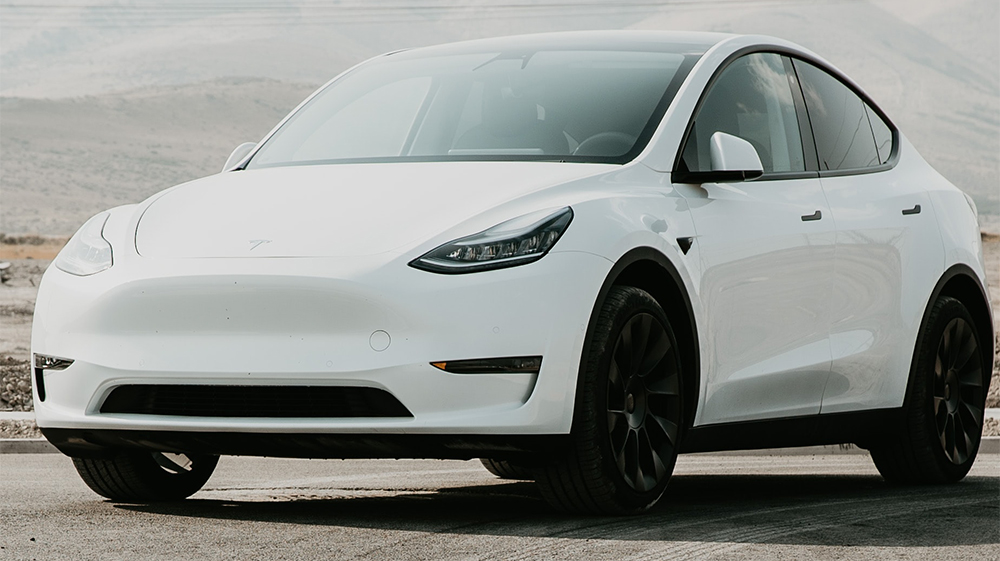
The Sticker Shock: Understanding Tesla’s Initial Purchase Price
The first, and often most impactful, financial consideration for any Tesla enthusiast is the initial purchase price. Tesla’s direct-to-consumer sales model means prices are generally non-negotiable, and they fluctuate based on market demand, supply chain dynamics, and strategic company adjustments. What you see listed on their website is largely what you pay, before taxes and fees.
Model Range and Pricing Tiers
Tesla offers a diversified portfolio of vehicles, each catering to different segments of the market with distinct price points. The Model 3, often considered Tesla’s mass-market sedan, typically represents the most accessible entry point, with various trims (Rear-Wheel Drive, Long Range, Performance) affecting its base price. The Model Y, a compact SUV, follows closely, offering more utility and space at a higher premium. For those seeking luxury and extended range, the Model S sedan and Model X SUV sit at the top of the pricing hierarchy, featuring advanced performance and premium features. More recently, the Cybertruck has introduced another unique pricing tier with its futuristic design and heavy-duty capabilities. It’s crucial to note that Tesla frequently adjusts these base prices, sometimes multiple times a year, in response to production efficiencies, material costs, and competitive pressures, making it essential to check the official Tesla website for the most current figures.
Customization, Upgrades, and Optional Features
While the base models offer significant value, the final price of a Tesla can quickly escalate with the selection of various upgrades and optional features. These aren’t merely cosmetic choices; many significantly enhance performance, functionality, or aesthetic appeal. Key optional features include upgraded paint colors (beyond the standard white), larger wheel options, and premium interior packages. Performance upgrades, such as the “Acceleration Boost,” can shave seconds off 0-60 mph times, while also adding thousands to the total cost.
However, perhaps the most significant financial decision for many is the inclusion of Full Self-Driving (FSD) capability. This advanced driver-assistance system, while continuously evolving, represents a substantial upfront investment, often priced at five figures. Alternatively, FSD is available as a monthly subscription, allowing owners to access the features without the hefty initial outlay, but committing them to an ongoing expense. Understanding the financial implications of each customization option is vital for accurately budgeting the total vehicle cost.
Government Incentives and Tax Credits
One of the most appealing aspects of purchasing an electric vehicle (EV) is the potential for government incentives, which can significantly offset the initial cost. These incentives primarily come in the form of federal, state, and sometimes local tax credits or rebates. In the United States, the federal EV tax credit, governed by the Inflation Reduction Act (IRA), can offer up to $7,500. However, eligibility is strict and depends on several factors, including the vehicle’s manufacturing location, battery component sourcing, and the buyer’s adjusted gross income. Critically, not all Tesla models or configurations qualify, and eligibility can change based on evolving regulations and supply chain adjustments.
Beyond federal incentives, many states offer their own rebates, tax credits, or non-monetary perks like HOV lane access. Local utilities might also provide incentives for installing home charging equipment. Navigating these various programs requires careful research, as the rules are complex and constantly updated. Prospective buyers should consult official government and energy department websites to determine current eligibility and maximize potential savings, as these incentives can dramatically alter the effective purchase price of a Tesla.
Beyond the Price Tag: The True Cost of Tesla Ownership
The financial journey with a Tesla doesn’t end after the purchase. The “true cost of ownership” encompasses all expenses incurred throughout the vehicle’s lifespan, from fueling and insurance to maintenance and depreciation. Understanding these ongoing costs is crucial for a realistic financial assessment.
Fueling the Future: Charging Costs and Supercharger Network
One of the most significant advantages of an EV is the elimination of gasoline costs. However, electricity isn’t free. The cost of “fueling” a Tesla varies considerably depending on how and where you charge. Home charging, especially during off-peak hours (if your utility offers time-of-use rates), is typically the most economical option. Installing a Level 2 home charger, while an initial investment, provides convenience and cost efficiency.
When on the road, Tesla’s proprietary Supercharger network offers rapid charging capabilities. Supercharging costs are generally higher than home charging and can vary by location and time of day. Some older Teslas received free Supercharging for life, a significant perk that has since been discontinued. Newer owners pay per kWh or per minute, making it essential to factor these costs into long-distance travel budgets. While still often cheaper than gasoline for an equivalent range, Supercharger expenses can accumulate, especially for drivers without consistent access to home charging.
Insurance Premiums for Electric Vehicles
Insuring a Tesla can often be more expensive than insuring a comparable internal combustion engine (ICE) vehicle. Several factors contribute to this: the higher initial purchase price, the advanced technology involved (making repairs more specialized and costly), and Teslas’ generally high performance capabilities. Accident data, which insurers rely on to assess risk, also plays a role; early EV models, including Teslas, sometimes had higher repair costs due to integrated battery packs and specialized components.
Tesla has sought to mitigate this with “Tesla Insurance,” offered in select states. This unique insurance product leverages real-time driving data from the vehicle to provide personalized premiums, potentially rewarding safer drivers with lower rates. While it can offer competitive pricing for some, drivers should still obtain quotes from multiple providers to find the most suitable and cost-effective coverage for their specific driving habits and location.
Maintenance, Repairs, and Warranty Coverage
Electric vehicles are renowned for their lower maintenance requirements compared to ICE cars. Owners can say goodbye to oil changes, spark plug replacements, and complex exhaust system checks. EVs have fewer moving parts, reducing wear and tear on components like brakes (due to regenerative braking). Routine maintenance typically involves tire rotations, cabin air filter replacements, and checking fluid levels.
However, while routine maintenance is less frequent, potential repairs, especially for specialized EV components like the battery pack or electric motors, can be expensive. Tesla’s comprehensive warranty coverage typically includes a basic vehicle limited warranty (e.g., 4 years or 50,000 miles, whichever comes first) and a separate, longer warranty for the battery and drive unit (e.g., 8 years or 100,000-150,000 miles, depending on the model and battery configuration). Understanding the specifics of these warranties is crucial for managing unexpected repair costs over the long term.
Depreciation and Resale Value
Depreciation is an often-overlooked cost of vehicle ownership. It represents the loss in value of an asset over time. Historically, Teslas have demonstrated relatively strong resale values compared to many traditional luxury vehicles, partially due to high demand, continuous over-the-air software updates that keep older models feeling fresh, and the relatively new and growing EV market.
However, several factors can influence a Tesla’s depreciation. Tesla’s frequent price adjustments for new vehicles can impact the value of used models. Additionally, rapid advancements in battery technology and charging infrastructure could potentially affect the desirability and value of older models with less range or slower charging speeds. The condition of the battery, the vehicle’s mileage, and the presence of features like FSD (which may or may not transfer its full value to a new owner) all play a role in determining resale value. While Teslas generally hold their value well, it’s not immune to market forces and technological obsolescence.
Tesla as an Investment: More Than Just a Car
Beyond the personal finance of owning a Tesla vehicle, the company itself, Tesla, Inc. (TSLA), represents a significant and often discussed investment opportunity. For many, investing in Tesla stock is a direct way to participate in the electric vehicle revolution and the broader shift towards sustainable energy.

Investing in TSLA Stock: A Volatile but Potentially Rewarding Play
Tesla stock is legendary for its volatility. It has seen exponential growth over the past decade, creating immense wealth for early investors, but also experiencing significant pullbacks and fluctuations that underscore its high-risk, high-reward profile. The company’s market capitalization has soared, often eclipsing that of established automotive giants combined, despite lower production volumes. This valuation is less about current production numbers and more about future growth potential, technological leadership, and brand strength.
Investors in TSLA are betting not just on vehicle sales, but on Tesla’s role as an energy company, an AI and robotics innovator, and a leader in sustainable technology. However, this speculative nature means the stock is highly sensitive to news, CEO Elon Musk’s public statements, regulatory changes, and broader market sentiment. Prospective investors must conduct thorough due diligence, understand the company’s financial statements, and be prepared for significant price swings characteristic of growth stocks.
The Ecosystem Play: FSD, Energy, and Future Revenue Streams
Tesla’s financial narrative extends far beyond selling cars. The company is actively building a comprehensive ecosystem designed to generate recurring revenue streams. Full Self-Driving (FSD) software, whether purchased outright or subscribed to, represents a high-margin revenue source that can continue to grow as the technology matures and expands its user base.
Furthermore, Tesla Energy is a crucial, albeit often underestimated, part of the company’s long-term financial strategy. Products like Powerwall (home battery storage), Solar Roof, and Megapack (utility-scale battery storage) are positioning Tesla as a significant player in the renewable energy and grid stabilization markets. These ventures not only diversify revenue but also align with Tesla’s mission, potentially unlocking massive new markets. Upcoming projects, such as the humanoid robot Optimus, could also introduce entirely new revenue streams, further broadening Tesla’s investment thesis and financial outlook.
Understanding Market Valuation and Growth Potential
Tesla’s market valuation often sparks debate among financial analysts. Traditional valuation metrics, like the price-to-earnings (P/E) ratio, often appear extremely high when compared to established automakers. This discrepancy is largely attributed to the market’s perception of Tesla as a technology company with exponential growth potential, rather than just a cyclical car manufacturer.
Analysts and investors evaluating Tesla’s future financial prospects often consider several key growth drivers: the expansion of manufacturing capabilities (Gigafactories), entry into new geographical markets, the introduction of new vehicle models (e.g., a rumored smaller, more affordable EV), advancements in battery technology that reduce costs and increase range, and the monetization of its AI and software capabilities. Understanding these growth vectors is critical to assessing whether Tesla’s current valuation is justified and what its financial trajectory might look like in the years to come.
Financing Your Tesla: Smart Money Strategies
Acquiring a Tesla often involves a significant financial commitment, making smart financing strategies paramount. Whether through a loan, lease, or leveraging Tesla’s own financing services, understanding the monetary implications of each option is key to making an informed decision.
Loan vs. Lease: Which Option is Right for You?
The choice between buying (via a loan) and leasing a Tesla carries distinct financial implications.
Loans typically lead to full ownership of the vehicle once paid off. This means you build equity, have no mileage restrictions, and can customize the car as you wish. However, monthly payments are usually higher, you bear the full risk of depreciation, and you are responsible for selling or trading in the car at the end of the term. From a financial perspective, a loan is often preferred if you plan to keep the vehicle for an extended period (beyond the loan term) or if you drive a high number of miles annually.
Leasing, on the other hand, allows for lower monthly payments and typically covers the car for a shorter term (e.g., 2-3 years). It offers flexibility to upgrade to a new model frequently and generally avoids the hassle of selling a used car. However, you never own the vehicle, are subject to mileage limits (with penalties for exceeding them), and customization options are restricted. Leasing is often financially attractive for those who prefer lower monthly costs, enjoy driving new cars regularly, or use the vehicle for business purposes where tax deductions for lease payments may apply.
Exploring Third-Party Financing and Tesla’s Own Services
Tesla offers its own financing and leasing options directly through its website, partnering with various financial institutions. This streamlined process is convenient and can sometimes offer competitive rates. However, it’s always financially prudent to shop around.
Third-party lenders, including banks, credit unions, and online loan providers, can often present alternative interest rates and loan terms that might be more favorable depending on your credit score and current market conditions. It’s advisable to get pre-approved for financing from several sources before finalizing your purchase, allowing you to compare offers and secure the best possible terms. Factors like Annual Percentage Rate (APR), loan duration, and any associated fees should be carefully evaluated to minimize the overall financial cost of your Tesla.
Budgeting for an EV: A Holistic Financial Plan
Integrating a Tesla into your personal finance requires a holistic budgeting approach. Beyond the monthly loan or lease payment, several other costs must be factored in. These include:
- Charging infrastructure: The initial cost of installing a Level 2 charger at home (if desired) can range from a few hundred to over a thousand dollars, plus electrical work.
- Electricity costs: While lower than gasoline, these are ongoing monthly expenses that will fluctuate based on driving habits and utility rates.
- Insurance premiums: As discussed, these can be higher for Teslas.
- Registration and taxes: Vary by state and vehicle value.
- Maintenance: Although generally lower, budget for tire replacements and other routine services.
- Depreciation: While not a direct cash outflow, it’s a financial reality that impacts your net worth and future trade-in value.
Creating a detailed financial plan that accounts for all these aspects ensures that owning a Tesla is a sustainable and enjoyable experience without unexpected financial strain.
The Long-Term Financial Outlook: Is a Tesla a Sound Investment?
The question of whether a Tesla represents a sound financial investment is multifaceted, depending on whether one views it as a vehicle purchase or an equity investment in the company. From an ownership perspective, the total cost of ownership over its lifespan is a key metric.
Total Cost of Ownership (TCO) Comparison
When considering the Total Cost of Ownership (TCO) over a 5-10 year period, Teslas often present a compelling financial case compared to many luxury ICE vehicles, and sometimes even against more mainstream options. While the initial purchase price might be higher, the savings accumulate through:
- Lower “fuel” costs: Electricity is generally cheaper per mile than gasoline.
- Reduced maintenance: Fewer moving parts mean fewer scheduled services and less wear and tear.
- Potential incentives: Tax credits and rebates significantly reduce the upfront cost.
- Strong resale value: Teslas tend to depreciate slower than many competitors.
When all these factors are aggregated, a Tesla’s TCO can frequently outperform that of its internal combustion engine counterparts, representing a significant long-term financial advantage for owners.
Environmental vs. Economic Returns
While the primary focus of this analysis is financial, it’s worth noting the interplay between environmental and economic returns. Investing in an EV like a Tesla contributes to reduced carbon emissions, aligning with personal values for sustainability. From an economic standpoint, this environmental benefit can translate into tangible financial returns through government incentives for clean energy vehicles and potential future regulations that might favor EVs (e.g., carbon taxes on gasoline cars, higher tolls for polluting vehicles in certain zones). While difficult to quantify precisely, the societal shift towards sustainability may further enhance the financial attractiveness of EVs over time, both for individual owners and for investors in sustainable technology companies like Tesla.

Future Value Proposition in an Evolving Market
The long-term financial value proposition of Tesla, both as a vehicle and as an investment, is dynamically shaped by an evolving market. On the vehicle front, advancements in battery technology promise even longer ranges and faster charging, potentially lowering costs further. However, increasing competition from traditional automakers and new EV startups could put downward pressure on prices and affect resale values. Regulatory landscapes, especially regarding autonomous driving and environmental mandates, will also play a crucial role.
For investors in TSLA stock, the future value hinges on Tesla’s ability to maintain its innovation lead, scale its manufacturing efficiently, successfully monetize its FSD and energy ventures, and navigate the increasing competitive pressures. The company’s capacity to continue expanding into new markets and deliver on ambitious projects (like Optimus) will be critical to sustaining its growth narrative and justifying its high market valuation. Ultimately, whether a Tesla represents a sound financial decision – be it a car purchase or a stock investment – depends on individual financial goals, risk tolerance, and a careful consideration of these complex, interconnected monetary factors.
aViewFromTheCave is a participant in the Amazon Services LLC Associates Program, an affiliate advertising program designed to provide a means for sites to earn advertising fees by advertising and linking to Amazon.com. Amazon, the Amazon logo, AmazonSupply, and the AmazonSupply logo are trademarks of Amazon.com, Inc. or its affiliates. As an Amazon Associate we earn affiliate commissions from qualifying purchases.