
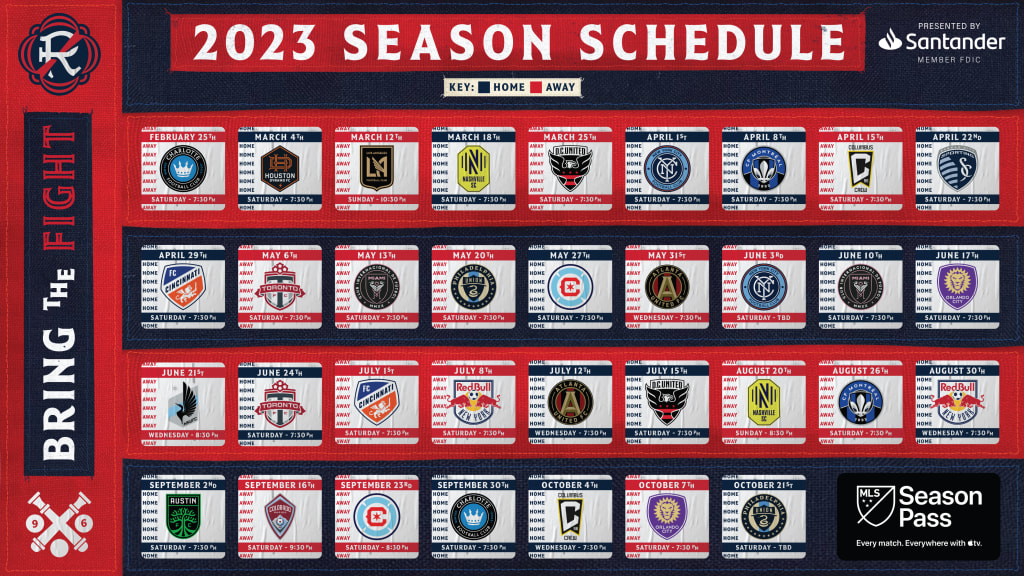
The Major League Soccer (MLS) regular season schedule is far more than just a calendar of matches; it represents a meticulously crafted financial blueprint underpinning the entire league’s ecosystem. For anyone looking to understand the economic engine of MLS – from club owners and potential investors to fantasy sports enthusiasts and local businesses – grasping the structure and implications of its game count is crucial. At its core, the MLS regular season comprises 34 games for each team, a number that profoundly influences revenue generation, operational costs, player valuations, and investment returns across the North American soccer landscape. This seemingly simple figure is, in fact, a cornerstone of the league’s financial strategy, balancing competitive integrity with commercial viability and growth aspirations.
The MLS Regular Season Structure and Its Economic Foundation
The 34-game schedule is the bedrock upon which the league’s financial health is built. Each match is a revenue-generating event, a marketing opportunity, and a data point for future investment decisions. Understanding how this structure works reveals the intricate financial planning behind one of the fastest-growing sports leagues in the world.
Understanding the 34-Game Format: A Revenue-Generating Cycle
Every MLS team plays 34 regular season matches: 17 at home and 17 away. This balanced home-and-away format is designed not just for fairness but also for consistent revenue generation. Each home game is a direct source of income through ticket sales, concessions, merchandise, and local sponsorship activations. These 17 opportunities are critical for a club’s annual operating budget, funding everything from player salaries to stadium maintenance and youth academies. The away games, while not generating direct gate revenue for the visiting club, contribute to the league’s overall broadcast packages and sponsorship deals, which are shared across all teams. The predictability of 34 games allows for long-term financial planning, enabling clubs to project revenue streams and manage expenses with greater certainty.
Revenue Streams Directly Tied to Game Count
The sheer number of games directly impacts a multitude of revenue streams. Ticket sales are the most obvious, but each match also drives significant income from food and beverage sales, parking fees, and in-stadium merchandise. Beyond the direct matchday income, the volume of games makes MLS an attractive proposition for broadcasters. National and international media rights deals are valued based on the amount of content the league provides. A 34-game season, multiplied by the number of teams, offers hundreds of hours of live sports content, making it a valuable asset for networks. Similarly, league-wide sponsorships are often tied to the number of eyeballs and impressions generated throughout the season, directly correlating with the total number of games played. The consistent schedule provides a reliable platform for brands to engage with a dedicated and growing audience, offering a quantifiable return on their marketing investment.
Operational Costs and Resource Allocation: Managing the Financial Outflow
While the game count drives revenue, it also dictates significant operational costs. Running an MLS club for a 34-game season involves substantial outlays. Stadium operations, for instance, incur costs for security, cleaning, utilities, and event staff for 17 home games. Team travel for 17 away games involves flights, accommodations, and ground transportation for dozens of players and staff, representing a major expenditure. Furthermore, the longer the season and the more games played, the higher the demands on sports medicine, training facilities, and player recovery protocols, all of which require financial investment to maintain peak performance and minimize injury risk. Club front offices also scale with the demands of a 34-game season, requiring robust sales, marketing, and administrative teams to manage ticketing, promotions, and fan engagement for an extended period. Balancing these extensive costs against projected revenues is a constant financial challenge and a key indicator of a club’s fiscal management prowess.
Player Compensation, Performance, and Investment Value
The number of regular season games profoundly impacts the financial landscape for MLS players, influencing everything from their contract negotiations to their long-term career earnings and market value. For investors, understanding these dynamics is crucial for valuing human capital within a team’s balance sheet.
Salary Structures and Performance Bonuses: Quantifying Player Value
A 34-game season is the canvas upon which player performance is measured and compensated. Base salaries are negotiated with the understanding of this workload, but many player contracts include performance-based bonuses directly tied to individual and team achievements over the course of the season. Goals scored, assists, clean sheets, and playoff berths all translate into additional income for players. For Designated Players (DPs) and high-value international signings, the expectation is that they will consistently perform over these 34 games to justify their substantial salaries. For clubs, managing the salary cap (or roster budget) across 34 games requires strategic financial planning to ensure competitive balance while maximizing player output and return on investment in talent. Each game provides data points for agents and clubs to evaluate a player’s market value, influencing future contract negotiations and potential transfer fees.
Injury Risk vs. Earning Potential: A Delicate Financial Balance
More games inherently mean more opportunities for exposure and performance, which can lead to higher earning potential. However, a longer, more demanding schedule also increases the risk of injury. An injury can have significant financial repercussions for a player, potentially impacting performance bonuses, future contract offers, and even their long-term career trajectory. From a club’s perspective, player injuries represent a direct financial loss, as a highly paid asset may be sidelined without contributing to matchday revenue or on-field success. Clubs invest heavily in sports science, medical staff, and player welfare programs to mitigate these risks, understanding that player health is directly tied to financial performance. Insurance policies for high-value players are another financial instrument used to hedge against the economic impact of long-term injuries.
Player Transfers and Market Value: The Global Investment Landscape
The 34-game season provides an extensive catalog of performance data, which is invaluable in the global player transfer market. Scouts, sporting directors, and data analysts rigorously assess player statistics, consistency, and impact over a full season when considering potential acquisitions or sales. A strong performance across a significant number of MLS games can elevate a player’s market value, attracting interest from wealthier leagues abroad and commanding higher transfer fees. Conversely, a player struggling over an extended period might see their value diminish. For MLS clubs, developing and selling talent (often referred to as the “sell-on model”) is an increasingly important revenue stream, and the 34-game season provides the necessary platform to showcase these assets to potential buyers. The liquidity of the player market, driven by consistent performance data, is a critical component of the league’s broader financial strategy.
The Investor’s Perspective: Valuing MLS Clubs and the League
For institutional investors, venture capitalists, and high-net-worth individuals, the MLS game count is a fundamental metric in assessing the financial health, growth potential, and overall valuation of individual clubs and the league as a whole. It dictates the predictable revenue streams and operational scale that underpin investment decisions.
Club Valuation Multiples: Beyond the Ballpark
When valuing an MLS club, financial analysts look at various metrics, and the 34-game season is an implicit factor in most. Revenue multiples, EBITDA (Earnings Before Interest, Taxes, Depreciation, and Amortization), and enterprise value are all significantly influenced by the consistent stream of income generated from match days, broadcast rights, and sponsorships over a standard season. A predictable schedule allows for more accurate financial forecasting, which in turn reduces investment risk and enhances attractiveness. The stability provided by a fixed game count assures investors of a consistent operational cycle, allowing them to project cash flows and potential returns on equity with greater confidence. This structured environment is a key reason why MLS club valuations have seen significant appreciation over the past decade.

Broadcast and Sponsorship Deals: Maximizing Exposure and Returns
The number of games directly correlates with the amount of content available for broadcast partners and the level of exposure offered to sponsors. For national and international broadcast deals, a 34-game season across multiple teams offers an extensive content library, justifying higher rights fees. These fees are a major revenue source for the league, distributed among clubs, and are crucial for the league’s financial sustainability and growth. Similarly, major corporate sponsors, whether league-wide or club-specific, base their investments on impressions, reach, and engagement over the entire season. A longer, consistent season provides more opportunities for brand visibility through stadium signage, jersey sponsorships, digital content, and in-game activations, offering a more compelling return on investment for their marketing budgets. The value derived from these partnerships is directly proportional to the “airtime” and “eyeball count” provided by the regular season schedule.
Return on Investment for Franchise Owners: Long-Term Growth and Profitability
For MLS franchise owners, the 34-game regular season is the engine driving their long-term investment strategy. The predictability of the schedule allows them to build robust business plans, project revenue growth, and manage expenses over several years. Owners invest hundreds of millions in expansion fees, stadium development, and club operations with the expectation of significant returns. These returns are realized through increased club valuations, appreciation of the franchise asset, and potential profitability derived from matchday revenues, broadcast shares, and sponsorship deals. The steady, consistent stream of games ensures that the brand remains active and engaging for a significant portion of the year, fostering fan loyalty and generating consistent economic activity. The financial stability offered by a well-structured season is critical for attracting and retaining high-caliber ownership groups committed to the league’s long-term success.
Maximizing Income Opportunities for Fans and Businesses
Beyond the direct financial implications for clubs and investors, the MLS regular season creates a significant ripple effect, generating income and opportunities for a wide array of ancillary businesses and even individual fans. The 34-game schedule provides a consistent platform for economic activity that extends far beyond the stadium walls.
Fantasy Sports and Betting Markets: Engaging the Financial Fan
The 34-game MLS season offers a fertile ground for the rapidly growing fantasy sports and sports betting industries. For fans, these platforms provide an engaging way to connect with the league, offering opportunities to win real money based on player performance and match outcomes. For the platforms themselves, each game represents a fresh opportunity for user engagement, transaction fees, and advertising revenue. The volume of games ensures a consistent flow of data, odds, and contests, keeping users active throughout the season. The economics of these markets are substantial, with millions of dollars wagered and transacted, directly benefiting from the extensive and predictable MLS schedule. For many fans, participating in fantasy leagues or placing bets adds an extra layer of financial incentive and entertainment to their MLS viewing experience.
Local Business Impact: The Game Day Economy
Each of the 17 home games played by an MLS team generates a significant economic boost for the local community. Restaurants, bars, and retail stores in the vicinity of the stadium see increased foot traffic and sales before and after matches. Hotels benefit from visiting teams, away fans, and even local residents attending games. Transportation services, from ride-sharing to public transit, experience heightened demand on match days. These are direct financial benefits that contribute to local economies, creating jobs and supporting small businesses. The consistency of 17 home games over several months ensures a reliable influx of customers, allowing these businesses to plan staffing and inventory accordingly. The collective impact of hundreds of MLS games across North America each season represents a substantial contribution to regional economic activity.
Merchandising and Licensing: Capitalizing on Fan Loyalty
A 34-game season provides an extended period for fan engagement, directly correlating with sales of official club merchandise and licensed products. Jerseys, scarves, apparel, and other fan gear are purchased by supporters eager to represent their team. The more games played, the more opportunities for fans to attend matches, visit team stores, and interact with club branding, driving sales. Merchandising revenue is a significant stream for both the individual clubs and the league through licensing agreements. The consistent exposure of team brands and player identities over a long season strengthens fan loyalty and encourages purchases, turning emotional attachment into tangible financial gain. These sales contribute not only to club revenues but also to the broader sports apparel and retail industries.
Strategic Financial Planning: Balancing Growth and Sustainability
The 34-game regular season is a dynamic element in MLS’s strategic financial planning, constantly evaluated for its role in balancing ambitious growth with long-term sustainability. It is a key factor in decisions ranging from expansion to competitive integrity and future revenue optimization.
Expansion Considerations: Scaling the Financial Model
As MLS continues to expand, adding new teams to the league, the 34-game schedule remains a critical factor in the financial viability of new franchises. Potential expansion owners must demonstrate a robust financial plan that accounts for the revenue and cost structures associated with a full regular season. The established schedule provides a template for projecting profitability and return on investment for new clubs entering the league. Changes to the number of games would necessitate a recalculation of these projections, impacting the attractiveness and feasibility of expansion bids. The current structure provides a proven financial model that new markets can leverage, ensuring they integrate seamlessly into the league’s economic framework.
Competitive Balance and Financial Fair Play: An Economic Equalizer
The revenue generated from a consistent 34-game schedule helps fund initiatives aimed at maintaining competitive balance across the league, such as the salary cap and allocation money mechanisms. These financial tools are designed to prevent excessive spending by a few wealthy clubs from dominating the competition, ensuring a more level playing field and greater unpredictability in results – which ultimately enhances fan engagement and the overall product value. The predictable revenue streams derived from the game count are crucial for supporting these financial fair play initiatives, ensuring that even smaller market teams can remain competitive and financially stable. This strategic financial allocation is vital for the long-term health and appeal of the league.
Future Revenue Growth Strategies: Adapting to Market Demands
Looking ahead, MLS constantly evaluates its schedule and format to optimize revenue growth. While the 34-game season has proven effective, discussions may arise regarding potential adjustments – perhaps adding more games, integrating more robust cup competitions, or altering playoff formats – all with significant financial implications. Any such changes would require careful analysis of their impact on player welfare, fan engagement, broadcast value, and operational costs. The league’s financial leadership continuously seeks innovative ways to maximize revenue streams, whether through new media partnerships, international expansion, or enhanced fan experiences, all while considering how the core 34-game structure can best support these ambitions. The ongoing challenge is to evolve the financial model to meet market demands without compromising the integrity or sustainability of the league.

Conclusion
The question of “how many regular season games in MLS” transcends a simple numerical answer; it unveils the intricate financial scaffolding that supports one of North America’s most dynamic sports leagues. The 34-game schedule is not arbitrary but a carefully calculated component of MLS’s financial strategy, impacting everything from club valuations and player salaries to broadcast deals, local economies, and fan engagement. For investors, it offers predictable revenue streams and operational stability. For players, it defines their earning potential and career trajectory. For communities, it sparks economic activity. And for fans, it provides a consistent, engaging product that fuels a growing passion for soccer. Understanding the financial implications of this seemingly straightforward number is key to appreciating the complex economic engine driving Major League Soccer’s continued growth and success.
aViewFromTheCave is a participant in the Amazon Services LLC Associates Program, an affiliate advertising program designed to provide a means for sites to earn advertising fees by advertising and linking to Amazon.com. Amazon, the Amazon logo, AmazonSupply, and the AmazonSupply logo are trademarks of Amazon.com, Inc. or its affiliates. As an Amazon Associate we earn affiliate commissions from qualifying purchases.