
Major League Soccer (MLS) stands as a testament to strategic brand development and relentless market expansion in North American sports. Far from being a simple count, the number of teams within the league tells a compelling story of an evolving brand, calculated growth, and the successful cultivation of a vibrant corporate identity. As of the 2024 season, Major League Soccer comprises 29 teams, with San Diego FC slated to join as the 30th franchise in 2025. This steady proliferation isn’t merely an organic increase; it’s a meticulously executed brand strategy designed to capture diverse markets, engage new fan bases, and solidify soccer’s position in the highly competitive North American sports landscape.
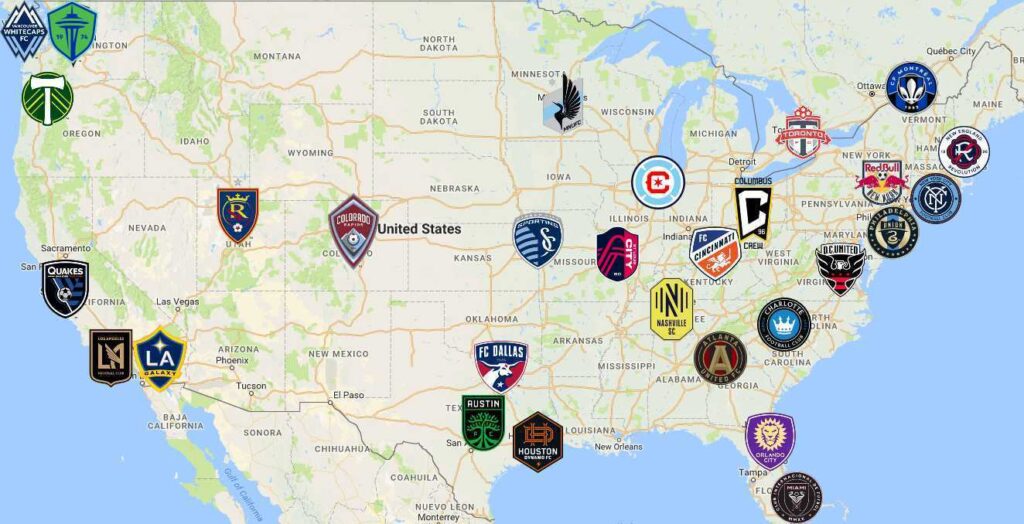
The journey from a nascent league with ten teams in 1996 to its current robust structure has been a masterclass in brand building. Each expansion not only adds a new city to the MLS map but also represents a deliberate investment in extending the league’s brand footprint, deepening its cultural penetration, and strengthening its overall market appeal. This article delves into the strategic branding implications behind the league’s growth, exploring how the number of teams reflects a sophisticated approach to corporate identity, marketing, and fan engagement.
The Evolving Landscape of MLS Branding: From Niche to Mainstream
The brand narrative of Major League Soccer has undergone a dramatic transformation over the past three decades. Initially conceived in the wake of the 1994 FIFA World Cup hosted by the United States, the league faced the formidable challenge of establishing soccer as a major professional sport in a market saturated by established giants like the NFL, NBA, MLB, and NHL. The original brand identity was somewhat experimental, even featuring quirky team names and logos, reflecting an uncertainty about the optimal approach for the American audience.
Early Brand Challenges and Adaptation
In its formative years, MLS grappled with finding a cohesive brand voice. The initial branding efforts, while enthusiastic, lacked a unified aesthetic and often veered into territories that alienated traditional soccer fans or failed to resonate with mainstream sports enthusiasts. The early design choices, such as brightly colored logos and sometimes unconventional team names (e.g., Tampa Bay Mutiny, San Jose Clash), reflected a league trying to define itself. This period was crucial, however, as it allowed the league to gather market intelligence and understand the nuances of its target demographic. It learned that authenticity, combined with a modern American sensibility, would be key to long-term success.
Rebranding for a Stronger Identity
A pivotal moment in the MLS brand journey came with a series of rebrands and a more standardized approach to team identity. The league gradually shed some of its initial experimental trappings, moving towards more classic, aspirational, and often European-influenced design principles. This strategic pivot involved:
- Elevated Aesthetics: Adopting sophisticated crests, cleaner typography, and more cohesive color palettes that conveyed professionalism and tradition while retaining modern flair.
- Localized Identity: Encouraging teams to embrace city-specific names and iconography, fostering a stronger sense of local pride and ownership. This moved away from generic or purely conceptual team names to those that resonated directly with the communities they represented.
- Unified League Brand: While empowering individual team brands, the league also developed a stronger, more consistent overarching brand identity for MLS itself, exemplified by its distinctive crest and slogan. This provided a common thread across all franchises, signaling a unified and professional league.
This evolution in branding directly correlates with the league’s expansion. As MLS refined its brand architecture, it became more attractive to potential investors and cities, laying the groundwork for the impressive growth in team numbers we see today. Each new team joining the league now operates within a more defined and elevated brand framework, benefiting from the collective strength of the MLS identity.
Franchise Expansion as a Deliberate Brand Strategy
The decision to add a new team to Major League Soccer is never arbitrary; it is a highly calculated move with significant brand implications. Each expansion slot represents a strategic opportunity to extend the MLS brand into new geographic markets, tap into untouched fan bases, and enhance the league’s overall commercial viability and cultural presence.
Market Penetration and Reach
With 29 teams, and 30 on the horizon, MLS has achieved an impressive level of market penetration across the United States and Canada. This widespread presence is a critical component of its brand strategy. By establishing teams in major metropolitan areas, the league:
- Increases Media Visibility: More teams mean more local television deals, greater print and digital media coverage, and increased mindshare among sports fans. This expanded media footprint amplifies the MLS brand message to a broader audience.
- Expands Fan Base: Each new franchise brings soccer directly to a new set of local fans, converting casual observers into passionate supporters. This grassroots approach is essential for building long-term loyalty and cultural relevance.
- Diversifies Demographics: MLS has been particularly adept at tapping into diverse demographic segments, including the growing Hispanic population and younger generations who have a strong affinity for soccer. Expansion into cities with rich cultural diversity further reinforces this strategic branding move.
Cultivating a Modern, Urban Brand Identity
Many MLS expansion teams have been positioned as modern, urban brands, often located in revitalized downtown areas or purpose-built stadiums designed to be community hubs. This deliberate urban integration reinforces a contemporary, sophisticated image for the league. Think of teams like Atlanta United FC, Seattle Sounders FC, or St. Louis City SC – their identities are deeply intertwined with their respective city’s urban fabric and progressive spirit. This contributes to a cohesive league brand that is seen as forward-thinking, inclusive, and deeply connected to metropolitan culture.
Elevating League Prestige and Narrative

Every successful expansion team contributes to the overall prestige and compelling narrative of Major League Soccer. A growing, thriving league with enthusiastic fan bases in numerous cities tells a powerful story of success and momentum. This narrative is a crucial asset for brand perception, attracting higher-caliber players, securing more lucrative sponsorship deals, and ultimately, challenging the dominance of traditional sports leagues. The collective brand power of 29 (soon 30) strong franchises creates a perception of an ascendant league that is constantly innovating and expanding its influence.
Crafting Individual Identities: The Brand of Each MLS Team
While the league has a unified brand, a critical aspect of MLS’s success lies in empowering each franchise to develop a distinct and powerful local identity. This dual approach—a strong central brand supporting a vibrant ecosystem of individual team brands—is a hallmark of effective brand management in a multi-entity organization.
Local Resonance and Community Connection
Each MLS team brand is meticulously crafted to resonate deeply with its local community. This involves:
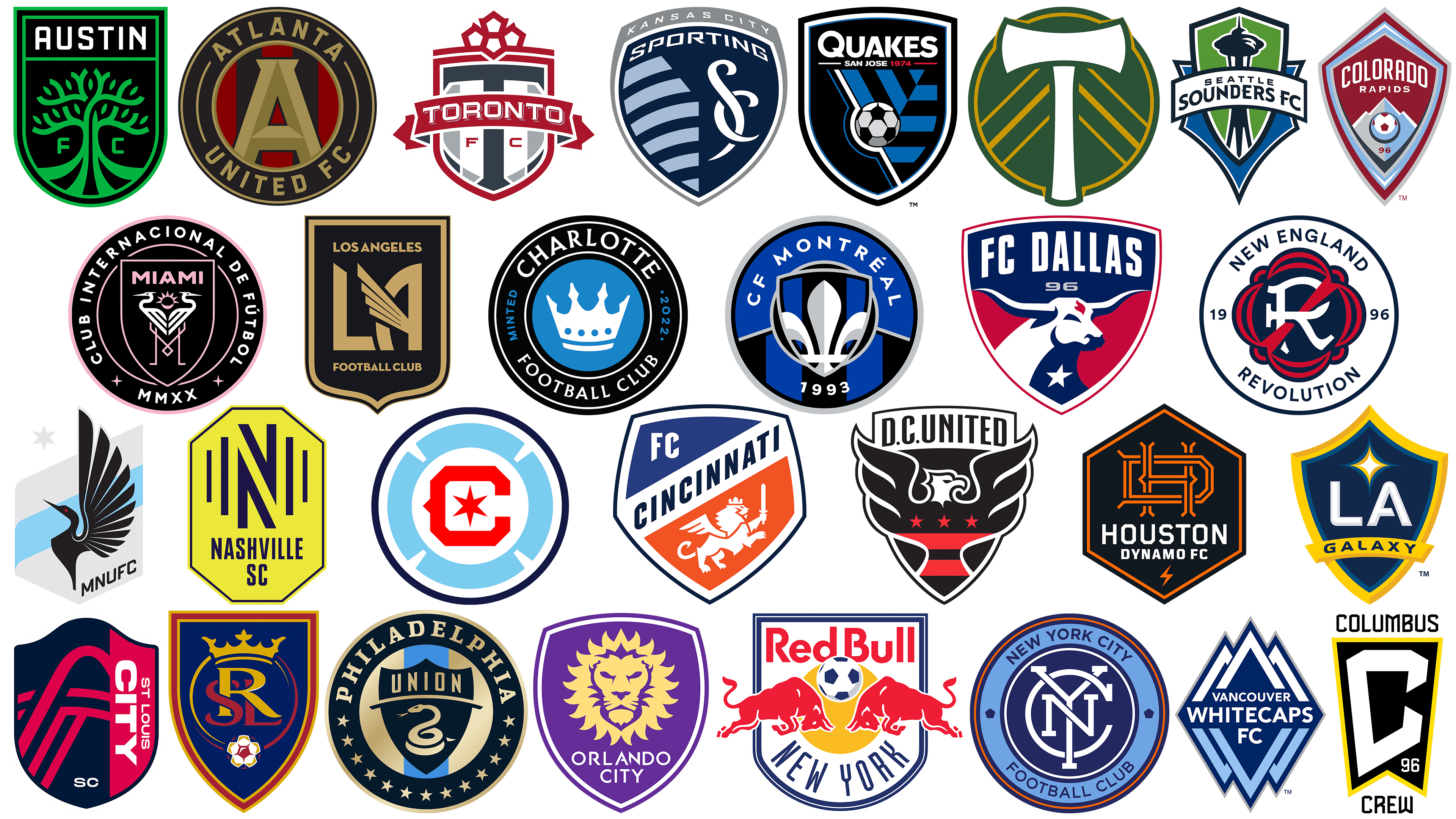
- Localized Nomenclature and Symbolism: Team names often reflect local heritage, geography, or cultural elements (e.g., Sporting Kansas City, Columbus Crew, Orlando City SC). The crests and logos frequently incorporate local landmarks, symbols, or historical references, creating an immediate visual connection with the city.
- Color Palettes Reflecting Local Pride: Color schemes are chosen not just for aesthetic appeal but often to evoke local pride or to differentiate the team from rivals.
- Engagement with Local Culture: Teams often partner with local businesses, charities, and cultural organizations, embedding themselves within the community fabric. This builds authenticity and a sense of shared ownership, crucial for fostering brand loyalty.
Consider the brand strength of teams like Atlanta United FC, whose gold and black evoke a sense of Southern swagger and ambition, or the Seattle Sounders FC, whose emerald green pays homage to the Pacific Northwest’s lush landscape. These aren’t just soccer clubs; they are integral parts of their city’s corporate identity and public image.
Differentiating Within a Unified League
In a league with nearly three dozen teams, strong individual branding is essential for differentiation. Each team strives to carve out a unique niche, not just through on-field performance but through its off-field identity and marketing efforts. This includes:
- Distinct Marketing Campaigns: Teams develop localized marketing strategies that speak directly to their specific fan base, using regional dialects, cultural references, and local heroes.
- Merchandise and Apparel Design: Beyond standard league-wide jerseys, teams create unique apparel lines and fan gear that reflect their specific brand aesthetic, serving as wearable extensions of their identity.
- Fan Culture and Supporter Groups: The unique brand of each team is often most vividly expressed through its passionate supporter groups, who develop distinct chants, traditions, and visual displays that reinforce the team’s identity. These groups are powerful, organic brand ambassadors.
The success of MLS’s expansion is intrinsically linked to the ability of each new franchise to quickly establish a compelling and authentic local brand that can stand shoulder-to-shoulder with established sports entities in their market.
The Future Brand Trajectory: Beyond the Current Count
With 29 teams and a 30th on the way, MLS has clearly demonstrated its viability and growth potential. However, the question of “how many Major League Soccer teams are there” is dynamic, pointing to an ongoing brand strategy that looks well beyond the current count. The league continues to evaluate further expansion, meticulously assessing market potential, ownership groups, and stadium plans – all through a lens of brand reinforcement and strategic growth.
Strategic Expansion and Brand Saturation
While expansion has been a boon for the MLS brand, the league also faces the challenge of potential brand saturation. Future expansion decisions will need to be even more strategic, focusing on markets that offer:
- Untapped Fan Bases: Cities with a strong soccer culture but without an MLS presence.
- Robust Corporate Support: Strong local economies and a willingness from corporations to invest in sponsorships.
- Dedicated Ownership Groups: Groups committed to building a winning team and a strong community brand.
- State-of-the-Art Facilities: Modern stadiums that enhance the fan experience and contribute to the team’s brand prestige.
Each new market must not only add value to the league financially but also enhance its overall brand equity without diluting its existing strength. The “right” number of teams is not just a numerical target, but a strategic balance that optimizes brand reach and impact.
Leveraging Global and Digital Brands
MLS is also increasingly focused on leveraging its global and digital brand presence. Partnerships with international leagues, collaborations with global soccer brands, and an aggressive digital content strategy are all part of extending the league’s influence beyond North American borders and into the digital realm. The individual brands of its teams, with their diverse fan bases, contribute significantly to this global digital tapestry, allowing MLS to connect with soccer enthusiasts worldwide.
The number of Major League Soccer teams is more than a statistic; it’s a living indicator of a sophisticated and successful brand strategy. From its humble beginnings to its current status as a major player in the global sports landscape, MLS has demonstrated an unparalleled ability to evolve its corporate identity, strategically expand its market reach, and cultivate a vibrant ecosystem of individual team brands. Each new team not only adds to the league’s roster but also reinforces its overarching narrative of growth, innovation, and an unwavering commitment to bringing the beautiful game to North America with a distinct and compelling brand identity. As MLS continues its journey, the brand strategy behind its numerical growth will undoubtedly remain a key driver of its continued success.
aViewFromTheCave is a participant in the Amazon Services LLC Associates Program, an affiliate advertising program designed to provide a means for sites to earn advertising fees by advertising and linking to Amazon.com. Amazon, the Amazon logo, AmazonSupply, and the AmazonSupply logo are trademarks of Amazon.com, Inc. or its affiliates. As an Amazon Associate we earn affiliate commissions from qualifying purchases.