
For investors, analysts, and market watchers alike, the earnings report of a company like Meta Platforms (NASDAQ: META) is far more than just a routine financial disclosure. It’s a high-stakes event that can dictate market sentiment, trigger significant stock price movements, and offer a crucial glimpse into the health and strategic direction of one of the world’s most influential technology companies. Understanding when Meta’s earnings are released, and more importantly, how to interpret them, is fundamental to making informed financial decisions.
At its core, the question “When is Meta earnings?” signals an interest in a specific financial event that typically occurs four times a year. While the precise date varies each quarter, Meta, like most publicly traded companies, adheres to a predictable rhythm. These reports usually drop a few weeks after the close of each fiscal quarter. For the first quarter (ending March 31), results typically come out in late April; for Q2 (ending June 30), it’s late July; Q3 (ending September 30) sees reports in late October; and Q4 (ending December 31) results, which include the full annual figures, are generally released in late January or early February. The exact dates are announced by the company’s investor relations department, typically several weeks in advance, and are eagerly awaited by the financial community.

The anticipation surrounding Meta’s earnings stems from its massive market capitalization, its pervasive influence across social media, advertising, and increasingly, the metaverse, and its significant weight within major stock indices. Each earnings call provides a fresh narrative for the company, painting a picture of its operational efficiency, revenue generation capabilities, user engagement trends, and the progress of its ambitious long-term projects. For anyone engaged in personal finance, investment management, or business finance analysis, grasping the nuances of these reports is indispensable.
Understanding the Significance of Earnings Reports for Investors
Earnings reports are the bedrock of fundamental analysis, providing a transparent, regulated snapshot of a company’s financial performance over a specific period. For Meta, these reports are particularly critical due to its dual identity as an advertising behemoth and a pioneering, yet capital-intensive, metaverse developer.
What Constitutes an Earnings Report?
An earnings report, often presented as a press release followed by an investor conference call, typically includes several key financial statements: the income statement, balance sheet, and statement of cash flows.
- Income Statement: This shows revenues, expenses, and profit (or loss) over the quarter, culminating in earnings per share (EPS). For Meta, this highlights advertising revenue, which remains its primary cash cow, and the expenses associated with its vast operations, research and development (R&D), and particularly, the Reality Labs division.
- Balance Sheet: A snapshot of assets, liabilities, and shareholders’ equity at a specific point in time. This reveals Meta’s financial health, its cash reserves, and its debt levels. Given Meta’s significant investments in the metaverse, monitoring its cash position and capital expenditures here is vital.
- Statement of Cash Flows: Details how cash is generated and used by the company across operating, investing, and financing activities. This can provide insights into how effectively Meta is converting profits into cash, funding its growth, and returning capital to shareholders.
Beyond these statements, the report often includes non-GAAP (Generally Accepted Accounting Principles) metrics, operational statistics like daily active users (DAU) and monthly active users (MAU) across its Family of Apps (Facebook, Instagram, WhatsApp, Messenger), average revenue per user (ARPU), and crucially, management’s “guidance” for future performance. This forward guidance, outlining revenue and expense expectations for the upcoming quarter or year, often carries more weight for the stock price than past results, as it shapes future expectations.
Why Investors Closely Monitor Earnings
Investors monitor earnings reports for a multitude of reasons, spanning short-term trading decisions to long-term portfolio adjustments. For individual investors managing their personal finances and institutional investors overseeing vast sums, Meta’s earnings provide direct evidence of its business model’s efficacy and future potential.
Firstly, earnings help validate or challenge an investor’s initial thesis. If an investor bought Meta shares believing in its long-term growth in digital advertising or the metaverse, the earnings report provides data points to confirm or contradict this belief. Strong revenue growth, expanding user bases, or profitable progress in new ventures affirm the thesis, while declines or unexpected costs raise red flags.
Secondly, earnings reports are a primary driver of stock price volatility. Surprises, whether positive or negative relative to analyst expectations, often lead to significant price swings in after-hours trading and the subsequent trading day. These movements can present opportunities for traders but also risks for long-term holders if the underlying fundamentals have genuinely shifted.
Thirdly, these reports offer competitive insights. By comparing Meta’s performance against industry peers like Alphabet (Google), Snap, or TikTok, investors can gauge its relative strength and market positioning. This comparative analysis is crucial for understanding broader industry trends and Meta’s ability to adapt and innovate within a competitive landscape.
The Impact on Stock Price and Market Sentiment
The release of Meta’s earnings is almost always accompanied by heightened market activity. The stock price’s reaction is typically a complex interplay of reported numbers versus consensus estimates, the tone of management’s commentary, and the forward guidance provided.
If Meta beats revenue and EPS estimates, and provides strong guidance, the stock often rallies. Conversely, a miss on key metrics, especially accompanied by weak guidance or concerns expressed by management, can lead to a sharp decline. However, the market’s reaction isn’t always straightforward. Sometimes, a “sell the news” event occurs, where a strong report leads to a temporary dip as investors who bought in anticipation of good news take profits. Other times, a “buy the dip” mentality prevails if a weak report is perceived as an overreaction to temporary headwinds.
Beyond the immediate price reaction, earnings reports significantly influence broader market sentiment. Given Meta’s size and influence, its performance can act as a bellwether for the digital advertising industry, the broader tech sector, and even the health of the consumer economy. A strong Meta report can instill confidence across the market, while a disappointing one can trigger broader concerns about economic slowdowns or shifts in tech spending. For those involved in online income strategies, understanding these ripple effects can inform decisions on platform monetization or digital business investments.
Decoding Meta Platforms’ Financial Disclosures
Analyzing Meta’s earnings requires more than just glancing at the headline numbers. A deeper dive into specific metrics and the qualitative discussions can unlock richer insights into the company’s operational execution and strategic trajectory.
Key Metrics to Watch in Meta’s Reports
While EPS and total revenue are critical, several Meta-specific metrics offer a more granular view of its performance:
- Family of Apps (FoA) Revenue: This segment includes Facebook, Instagram, Messenger, and WhatsApp, generating the vast majority of Meta’s advertising revenue. Tracking its growth, advertising impression volume, and average price per ad provides insight into the core business’s health.
- Reality Labs (RL) Revenue and Operating Loss: This segment encompasses Meta’s metaverse-related hardware and software, including Oculus/Meta Quest VR headsets. While RL revenue is still relatively small, its operating loss is substantial. Investors closely monitor this loss as it represents the investment Meta is making in its long-term metaverse vision. A narrowing loss could signal efficiency, while a widening loss without commensurate future growth prospects might raise concerns.
- Daily Active Users (DAU) and Monthly Active Users (MAU): These figures reflect user engagement across Meta’s platforms. Stagnation or decline in these numbers, especially in core demographics or key regions, can signal user fatigue or increased competition, impacting future ad revenue potential.
- Average Revenue Per User (ARPU): This metric indicates how effectively Meta is monetizing its user base. Growth in ARPU signifies successful ad targeting, pricing power, or increased ad load.
- Operating Margin: A measure of profitability after accounting for operating expenses. This is particularly relevant given Meta’s significant investments in R&D and capital expenditures.
- Capital Expenditures (CapEx): Meta’s CapEx figures are huge, reflecting its spending on data centers, servers, network infrastructure, and metaverse development. Understanding where this capital is being deployed and its expected returns is crucial for assessing long-term growth.
Navigating Forward Guidance and Conference Calls
Management’s forward guidance is arguably as important as the historical numbers. It provides the company’s outlook on future revenue, expenses, and sometimes CapEx, for the upcoming quarter or year. Investors and analysts scrutinize this guidance, as it directly informs future earnings estimates and market expectations. A company that consistently beats its own guidance is often rewarded, while one that frequently lowers it can suffer a credibility hit.
The earnings conference call, which usually follows the report, is an equally critical component. During this call, Meta’s CEO, Mark Zuckerberg, CFO, and other executives discuss the results, provide context, elaborate on strategic priorities, and answer questions from analysts. These calls are invaluable for understanding the qualitative aspects of the business – management’s confidence, strategic pivots, competitive landscape assessments, and macroeconomic commentary. Listening for subtle shifts in tone, specific language choices, and the depth of responses to challenging questions can provide insights beyond the raw data.
The Role of Analysts’ Expectations
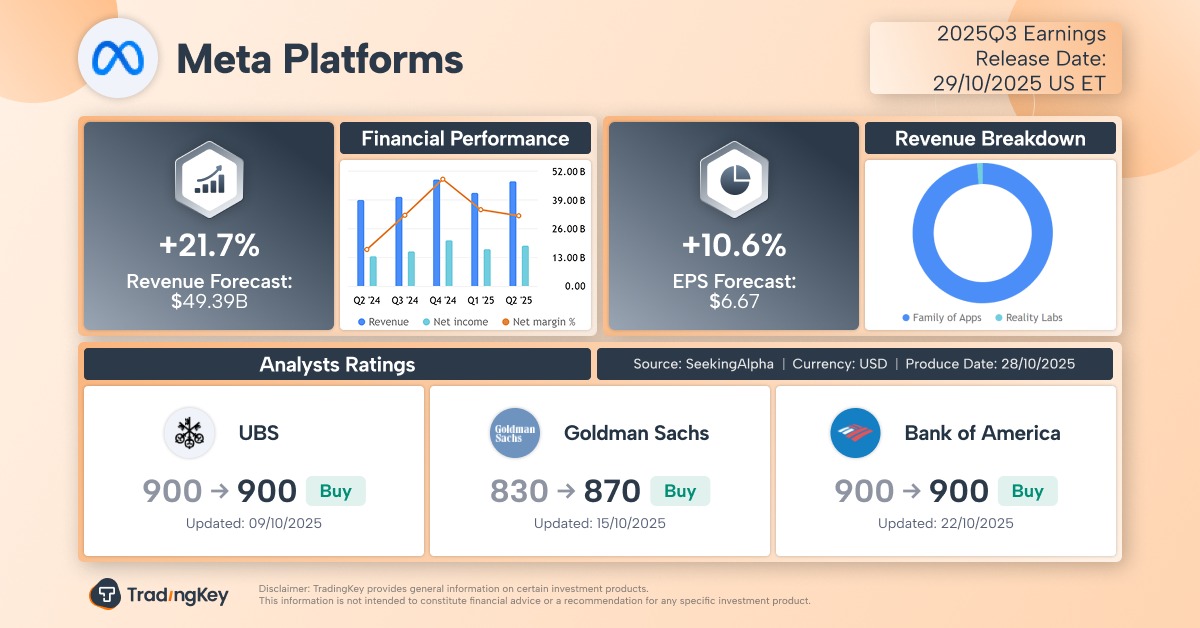
Prior to the earnings release, financial analysts publish their own estimates for Meta’s revenue, EPS, and other key metrics. These consensus estimates are aggregated and widely followed. The “beat or miss” narrative often hinges on how Meta’s actual results compare to these analyst predictions.
Analysts’ expectations serve as a benchmark. While a beat is generally positive, the magnitude of the beat also matters. A significant beat might indicate that analysts were too conservative, or that Meta’s performance genuinely exceeded expectations. Conversely, a miss, particularly a large one, can signal underlying problems or unexpected headwinds that analysts failed to account for. Investors often factor in their own estimates against these consensus figures, and the differential can inform trading strategies. Financial tools and platforms often provide easy access to these consensus estimates, allowing personal finance managers to quickly compare actuals to expectations.
The Cadence of Quarterly Reporting and How to Find Dates
Knowing when Meta’s earnings are is a practical necessity for planning investment activities, understanding market volatility, and staying ahead of news cycles.
General Timelines for Tech Giants
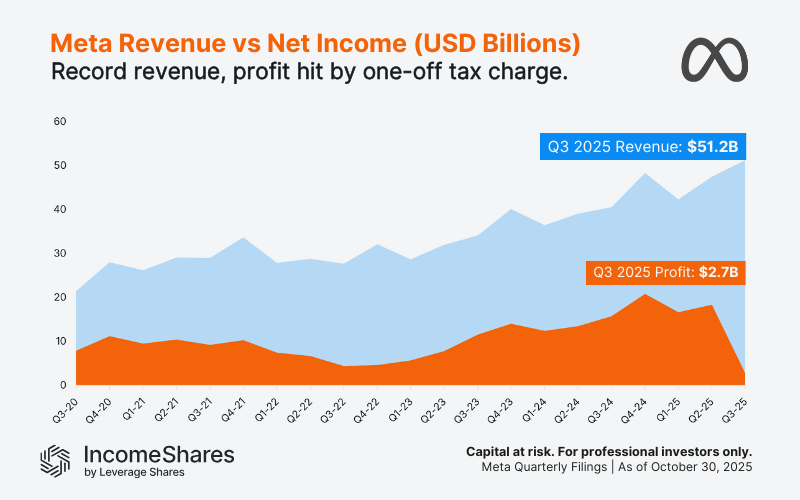
Most large tech companies, including Meta, follow a relatively consistent quarterly reporting schedule. They typically release earnings within three to six weeks after the close of their fiscal quarter. This allows enough time for internal financial consolidation, auditing, and preparation of the detailed reports. For example, a quarter ending on March 31st will likely see its report in late April or early May. This pattern holds true for Q2 (late July/early August), Q3 (late October/early November), and Q4 (late January/early February of the following year). The Q4 report is often the most comprehensive, as it also includes the full fiscal year results.
Official Sources for Meta’s Earnings Calendar
The most reliable and accurate source for Meta’s upcoming earnings dates is its official Investor Relations (IR) website. Companies are legally obligated to provide timely and transparent information to their shareholders.
- Meta’s Investor Relations Website: Navigate to investor.fb.com (or investor.meta.com). Look for sections like “Events & Presentations,” “Financial Calendar,” or “News Releases.” Here, Meta will publish a press release announcing the date and time of the upcoming earnings report and conference call several weeks in advance.
- SEC Filings (EDGAR): The U.S. Securities and Exchange Commission (SEC) requires public companies to file their financial reports (10-Q for quarterly, 10-K for annual). While these filings come out after the initial press release and call, they contain the most detailed, legally binding financial information. Searching the SEC’s EDGAR database for Meta Platforms will yield all its official filings.
- Reputable Financial News Outlets: Major financial news services like Bloomberg, Reuters, The Wall Street Journal, CNBC, and specialized financial websites like Yahoo Finance or Google Finance will widely report Meta’s earnings dates as soon as they are announced. These platforms also often provide transcripts of conference calls and analyst coverage.
Setting Up Alerts and Notifications
For active investors or those closely tracking Meta, setting up alerts is a highly effective financial tool.
- Financial News Services: Many financial news apps and websites allow users to set up custom alerts for specific stocks, including earnings release notifications.
- Brokerage Platforms: Most online brokerage accounts offer features to track earnings calendars for stocks in your portfolio or watchlist, often with email or mobile push notifications.
- Calendar Integration: Some investor relations websites or financial tools allow you to add earnings dates directly to your personal digital calendar (Google Calendar, Outlook Calendar, etc.).
By leveraging these resources, investors can ensure they are well-prepared for the “when” of Meta’s earnings, allowing them to focus on the “what” and “why” of the financial results.
Beyond the Numbers: Strategic Implications for Investors
While the financial figures provide the tangible data, understanding the strategic implications of Meta’s earnings is crucial for long-term investing and effective business finance analysis.
Connecting Earnings to Long-Term Investment Thesis
For long-term investors, each earnings report should be viewed through the lens of their initial investment thesis. Is Meta still executing on its core advertising business effectively? Are its investments in the metaverse showing signs of future viability, even if not immediate profitability? A strong earnings report might confirm a thesis that Meta’s dominant advertising position provides ample cash flow to fund its ambitious future. Conversely, sustained declines in user engagement or worsening profitability in core segments, despite heavy spending on new ventures, could challenge that thesis.
Consider Meta’s ongoing narrative: the cash cow of social media advertising funding the future of the metaverse. Earnings reports allow investors to assess the health of the cash cow and the burn rate and nascent progress of the metaverse bet. The balance between these two becomes a critical strategic consideration. For example, if advertising revenue slows dramatically, the sustainability of the metaverse investment comes into question, impacting Meta’s financial health and stock valuation.
Risks and Opportunities Highlighted by Earnings
Earnings reports often bring to light specific risks and opportunities that warrant attention.
Risks:
- Regulatory Headwinds: Discussions around data privacy, antitrust, and content moderation can impact Meta’s business model and operations. Commentary on new regulations or potential fines is a significant risk factor.
- Competitive Pressure: Insights into user growth, engagement, and advertising spending can highlight the impact of competitors like TikTok, YouTube, or Apple’s privacy changes.
- Macroeconomic Environment: Advertising spending is highly sensitive to economic cycles. Management commentary on broader economic trends, inflation, or consumer spending habits can reveal macro risks.
- Metaverse Development Challenges: Updates on Reality Labs’ losses, adoption rates of VR hardware, or technological hurdles can indicate the long and uncertain path to metaverse profitability.
Opportunities:
- Innovation and New Products: Mentions of new ad formats, AI advancements for better targeting, or new features on Instagram or WhatsApp can signal future revenue growth.
- Geographic Expansion: Growth in emerging markets for users or advertisers can present significant untapped potential.
- Operational Efficiency: Efforts to streamline costs, improve data center efficiency, or optimize R&D spending can boost profitability.
- Strategic Partnerships: Announcements of collaborations or acquisitions can open new avenues for growth or market penetration.
The Metaverse Bet and Its Financial Impact
The metaverse is arguably Meta’s most significant strategic bet, and its financial impact is a constant theme in earnings discussions. Investors need to differentiate between the short-term costs and the long-term potential. While Reality Labs consistently reports substantial operating losses, these are investments in a future vision.
Earnings calls provide updates on the scale of these investments, the progress of hardware development (e.g., new Quest headsets), software platforms, and developer engagement. For a truly insightful analysis, investors must ask: Is the burn rate sustainable given the core business’s profitability? Are there tangible signs of progress (even if not profit) that justify the investment? What are the key performance indicators (KPIs) for the metaverse that management is tracking? The answers to these questions, often gleaned from the detailed disclosures and management Q&A, are vital for assessing the long-term viability of this audacious strategic pivot. The financial health of Meta hinges on its ability to manage this transition while maintaining its cash-generating engines.
Strategies for Investors Post-Earnings Release
Once Meta’s earnings are released, investors face the task of processing the information and deciding on their next steps. This involves balancing short-term market reactions with a long-term investment perspective.
Short-Term Volatility vs. Long-Term Value
Immediately following an earnings report, Meta’s stock price can experience significant volatility. This is often driven by algorithmic trading, short-term speculation, and rapid reactions to headline numbers that may not reflect the full picture.
- Avoid Hasty Decisions: For long-term investors, it’s crucial to resist the urge to make impulsive decisions based on immediate price swings. A sudden drop or spike doesn’t always reflect a fundamental shift in the company’s value.
- Analyze the Full Report: Take the time to digest the entire earnings report, listen to the conference call, and review analyst commentary. Understand why the market reacted as it did. Was it a fundamental issue, or an overreaction to a minor miss on a less critical metric?
- Look for Discrepancies: Sometimes, a stock might drop despite good numbers because of weak guidance, or it might rise despite a miss because of an optimistic outlook from management on a new product. Understanding these nuances is key.
For day traders or those engaged in short-term options strategies, this volatility is the primary opportunity. However, for most personal finance practitioners focused on wealth building, the focus should remain on the underlying business health and long-term prospects.
Re-evaluating Investment Decisions
Post-earnings, it’s an opportune time to revisit your investment thesis for Meta.
- Confirm or Adjust Thesis: Did the report confirm your reasons for investing in Meta? Or did it present new information that requires you to adjust your outlook? For example, if your thesis was based on advertising dominance, and advertising revenue is consistently underperforming, it might be time to reconsider.
- Update Valuation Models: If you use valuation models (like discounted cash flow or relative valuation), incorporate the new financial data and management guidance. This will give you an updated intrinsic value estimate for Meta’s shares.
- Consider Peer Performance: How did Meta perform relative to its competitors? Is it gaining or losing market share? This comparative analysis provides context for Meta’s individual results.
- Review Risk Factors: Have any new significant risks emerged, or have existing ones intensified? For instance, regulatory pressure or competitive threats might be highlighted more strongly in the earnings call.
Based on this re-evaluation, an investor might decide to hold, buy more, or trim their position. The decision should be rational, based on data and updated analysis, rather than emotional responses to market fluctuations.
Diversification and Risk Management
Finally, the focus on a single stock’s earnings, even one as significant as Meta, underscores the importance of broader financial principles: diversification and risk management.
- Diversify Your Portfolio: While Meta may be an important holding, no single stock should dominate a well-diversified portfolio. Over-reliance on any one company, even a strong one, exposes an investor to undue risk specific to that company. A balanced portfolio mitigates the impact of any single earnings disappointment.
- Set Stop-Loss Orders (with caution): For active traders, stop-loss orders can limit potential losses from unexpected post-earnings drops. However, these can be triggered by irrational short-term volatility, so careful consideration and understanding of their implications are essential.
- Align with Financial Goals: Ensure your investment in Meta, and your reaction to its earnings, aligns with your overall financial goals, risk tolerance, and investment horizon. For instance, a retirement investor will react very differently to a quarterly miss than a growth investor focusing on aggressive expansion.
In conclusion, knowing “when is Meta earnings” is merely the starting point. The real value for anyone involved in money management comes from understanding the depth of the reports, analyzing the underlying business trends, anticipating strategic shifts, and integrating this knowledge into a coherent and diversified investment strategy. These quarterly disclosures are not just numbers; they are narratives of innovation, challenges, and the relentless pursuit of market leadership in the dynamic world of technology and finance.
aViewFromTheCave is a participant in the Amazon Services LLC Associates Program, an affiliate advertising program designed to provide a means for sites to earn advertising fees by advertising and linking to Amazon.com. Amazon, the Amazon logo, AmazonSupply, and the AmazonSupply logo are trademarks of Amazon.com, Inc. or its affiliates. As an Amazon Associate we earn affiliate commissions from qualifying purchases.