
The name “Lululemon” is instantly recognizable, synonymous with high-performance athletic apparel, a distinct lifestyle, and a global community of wellness enthusiasts. Yet, for many, the origins of this peculiar and memorable moniker remain an intriguing mystery. Far from being a random assortment of syllables, the story behind “Lululemon” offers a fascinating case study in brand strategy, intentional identity creation, and the enduring power of a name to shape perception, drive market presence, and foster a unique corporate legacy. Delving into its etymology reveals not just a founder’s quirky rationale, but a deeper understanding of how a brand name can become an indelible part of its market narrative and competitive advantage.

The Genesis of a Global Brand: From Yoga Pants to a Lifestyle Empire
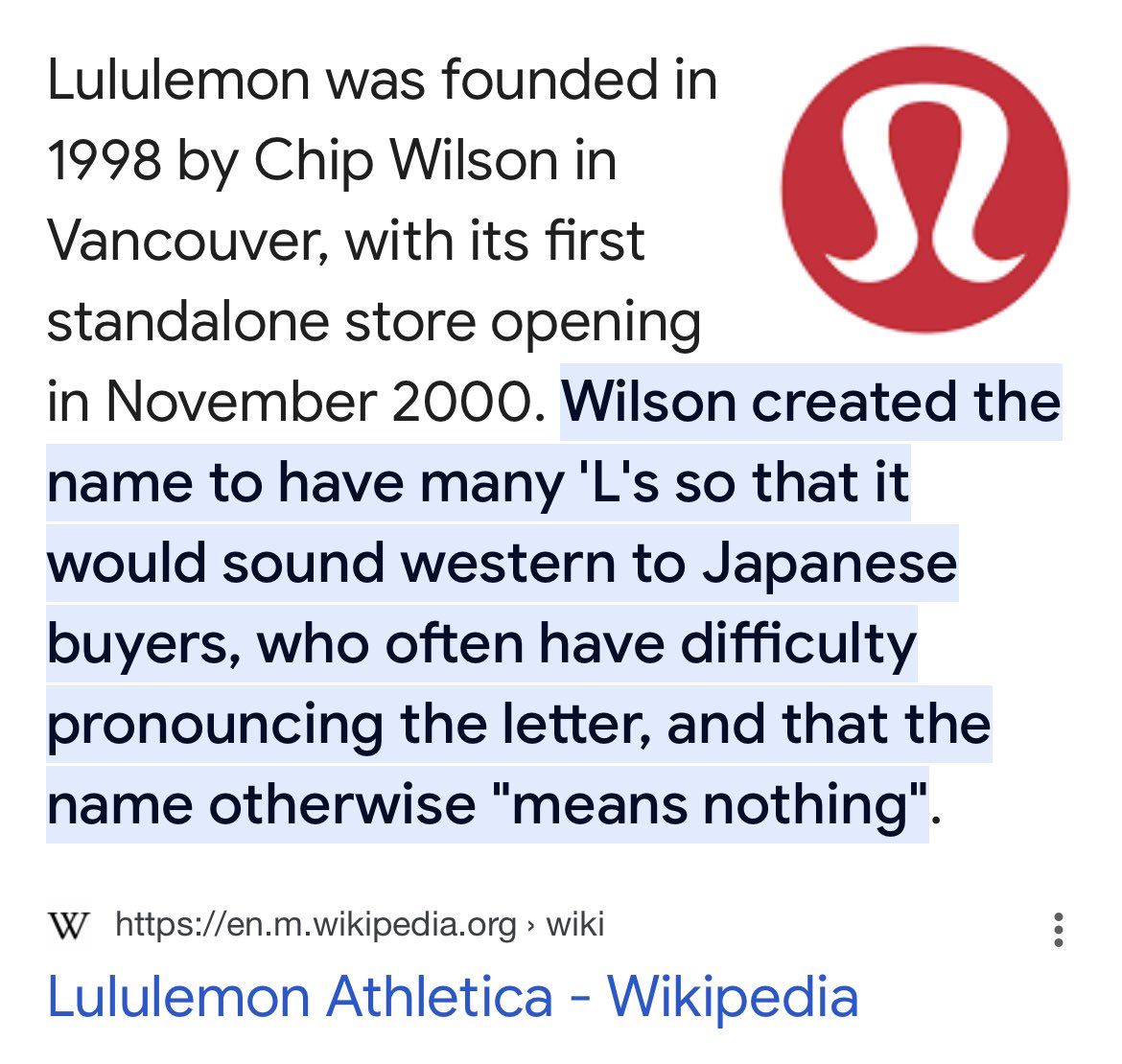
Every iconic brand starts with a vision, and Lululemon Athletica was no exception. Founded in 1998 by Chip Wilson in Vancouver, Canada, the company emerged from a specific need and a burgeoning cultural movement: yoga. Wilson, a seasoned entrepreneur with a background in surf, skate, and snowboard apparel, noticed a gap in the market for high-quality, comfortable, and stylish athletic wear designed specifically for women practicing yoga. This initial focus on a niche market allowed Lululemon to cultivate a strong core identity rooted in performance, community, and well-being.
The Founding Vision and Early Days
Chip Wilson’s initial vision for Lululemon extended beyond just selling yoga pants; he aimed to create a lifestyle brand that celebrated health, mindfulness, and personal growth. The first Lululemon store, opened in 2000 in Kitsilano, Vancouver, doubled as a design studio by day and a yoga studio by night, fostering a direct connection with its target demographic. This innovative approach allowed the brand to gather immediate feedback, refine its products, and build a dedicated community from the ground up. This grassroots engagement was a cornerstone of its early brand strategy, distinguishing it from traditional retail giants. The quality of its proprietary fabrics, innovative designs like luon, and the immersive in-store experience quickly garnered a loyal following, setting the stage for national and then international expansion.
The Challenge of Naming a Disruptive Brand
As with any startup looking to make a significant impact, the choice of a brand name was paramount. A good name needed to be distinctive, memorable, pronounceable, and ideally, convey something about the brand’s essence, even if subtly. For a brand aiming to disrupt the athletic wear market and establish a new category of “athleisure,” the name had to stand out. It couldn’t sound generic or simply functional. It needed to evoke a certain feeling or aspiration. Wilson sought a name that would be unique enough to avoid immediate competitors and intriguing enough to spark curiosity, ensuring that the brand wouldn’t just be another fleeting trend but a lasting presence. This quest for a name that could carry the weight of an ambitious brand vision led to “Lululemon,” a choice that would become as distinctive as its signature yoga pants.
Unpacking the “Lululemon” Moniker: Intentionality and Mythology
The origins of the Lululemon name are often discussed with a mix of intrigue and amusement, largely due to the founder’s own explanations, which have sometimes stirred debate. However, when viewed through a branding lens, these explanations reveal a calculated strategy designed to achieve specific objectives: distinctiveness, memorability, and a unique brand story.
The Founder’s Perspective: Chip Wilson’s Controversial Rationale
The most widely circulated explanation for the name comes directly from Chip Wilson. In an interview, he once stated that he intentionally chose a name with three “L”s because he found it amusing that Japanese people had difficulty pronouncing the “L” sound. He believed that a name with “L”s would inherently be foreign and therefore perceived as “authentic” and “Western” by Japanese consumers, a strategic play for brand positioning in the Asian market. He further elaborated that “Lulu” was selected simply because it sounded pleasant and that “Lemon” was added to ensure the name didn’t sound too soft or feminine, possibly even as a playful nod to a perceived flaw, turning a potential negative into a memorable attribute.
This rationale, while certainly controversial and widely criticized for its perceived insensitivity, nevertheless highlights a deliberate, albeit unconventional, thought process rooted in market differentiation. From a purely brand strategy standpoint, Wilson aimed for a name that was not only unique but also had a specific, if quirky, global marketing angle. He wanted a name that would be difficult to imitate, easy to remember once heard, and possess an inherent story – however controversial – that would contribute to its distinctiveness.
The Phonetic Allure and Global Appeal
Beyond the founder’s specific intent, the name “Lululemon” possesses an inherent phonetic quality that contributes to its brand appeal. The repetition of the “L” sound (alliteration) and the rhythmic cadence make it catchy and pleasing to the ear. It rolls off the tongue, despite its unusual structure. This phonetic allure contributes significantly to its memorability. In the crowded retail landscape, a name that is easy to recall has a distinct advantage, reducing the cognitive load on consumers and improving brand recognition.
Furthermore, the name is largely divorced from any specific English word meaning, rendering it an arbitrary or “empty vessel” name. This isn’t a weakness; it’s a strategic strength. An empty vessel name allows the brand to imbue it with meaning over time, shaping consumer perception through its products, marketing, and brand experience rather than being constrained by pre-existing connotations. This freedom enabled Lululemon to build an aspirational brand identity around wellness, community, and performance, rather than being pigeonholed by a literal name. Its global appeal stems partly from this ambiguity; it doesn’t carry heavy cultural baggage from one specific language, making it more adaptable across diverse markets.

Beyond Etymology: Crafting a Unique Identity
The narrative around Lululemon’s naming, regardless of its controversial undertones, became part of its brand mythology. In branding, the story behind the name can be just as important as the name itself. It contributes to the brand’s mystique and provides content for discussion, which in turn enhances recognition and engagement. “Lululemon” isn’t just a label; it’s a conversation starter. It makes people stop and ask, “Why that name?” This inherent curiosity is a powerful branding tool, drawing consumers deeper into the brand’s orbit. The uniqueness of the name also signals the brand’s unconventional approach and its desire to stand apart, mirroring its innovative product design and distinctive retail experience.
The Strategic Impact of an Unconventional Name
The choice of “Lululemon” was not merely a linguistic exercise; it was a deliberate strategic move that contributed significantly to the brand’s market position, consumer perception, and overall success. An effective brand name is an asset that works tirelessly, shaping how a brand is perceived, remembered, and ultimately, valued.
Memorability and Distinctiveness in a Crowded Market
In the highly competitive apparel industry, standing out is critical. “Lululemon” achieves this with remarkable effectiveness. It doesn’t sound like Nike, Adidas, Under Armour, or any other traditional athletic wear brand. Its distinctiveness makes it inherently memorable. When consumers recall a unique name, it strengthens brand recall and recognition, which are vital for marketing effectiveness. This distinctiveness also allowed Lululemon to carve out a new niche. Instead of competing directly with established sports brands on traditional athletic performance, it defined its own space around “athleisure” and wellness, with its unique name underscoring its unique proposition. The name itself became a marker of its difference, helping it to avoid being just another sportswear company.
Shaping Brand Perception and Community
The arbitrary nature of the name “Lululemon” allowed the brand to build its identity from the ground up, infusing it with values of aspiration, community, and personal transformation. Rather than being tied to a literal meaning, the name became associated with the brand’s premium quality, its vibrant in-store experiences, and its commitment to community building through yoga classes and events. The name became a vessel for the positive attributes and lifestyle connotations that Lululemon meticulously cultivated. This ability to shape perception unconstrained by a literal name is a powerful branding advantage. The community that formed around Lululemon didn’t just wear its products; they adopted the brand’s ethos, and the name became a shorthand for belonging to this aspirational group.
From Naming Strategy to Brand Longevity
A strong, distinctive name contributes significantly to a brand’s longevity. It provides a consistent identifier around which all marketing, product development, and brand storytelling can coalesce. For Lululemon, “Lululemon” is more than just a name; it’s the foundation of its corporate identity. It’s a testament to how a well-chosen name, even one with a controversial origin story, can become an indelible part of a brand’s DNA, capable of sustaining growth and relevance over decades. The very fact that the name continues to spark conversation years after its inception is a testament to its effectiveness as a branding tool. It ensures the brand remains relevant and debated, keeping it top-of-mind.
Evolving Brand Identity: The Name’s Enduring Legacy
As Lululemon has grown from a niche yoga apparel company into a global lifestyle brand offering products for various activities, including running, training, and even self-care, its name has proven remarkably adaptable. The “Lululemon” moniker, devoid of literal constraints, has facilitated this brand evolution, allowing for diversification without diluting its core identity.
Adapting to Market Shifts and Consumer Expectations
The flexibility of an abstract brand name like “Lululemon” is a significant asset in a dynamic market. Unlike a name that might explicitly reference “yoga” or “athletic wear,” “Lululemon” is not constrained by its initial product category. This has allowed the company to seamlessly expand into new product lines for men, accessories, and even broader wellness offerings without having to rebrand or feel incongruous. The name remains aspirational and high-end, adaptable to different interpretations as the brand’s portfolio grows. As consumer expectations shift towards holistic well-being, Lululemon’s name continues to resonate, embodying a lifestyle rather than merely a product function.
The Power of a Name in Brand Extension and Diversification
The enduring power of the Lululemon name is evident in its successful brand extensions. Whether it’s the Mirror home fitness device or its foray into personal care products, the Lululemon name provides a recognizable and trusted umbrella. Consumers associate the quality, design, and aspirational lifestyle of the core brand with these new ventures. This leverage is a direct benefit of having built a strong, distinctive brand around an open-ended name. The name itself, having become synonymous with a certain standard of quality and a particular lifestyle, makes these extensions feel like natural progressions rather than disparate efforts. It solidifies the brand’s position as a leader in the broader wellness industry, proving that a unique name, when backed by a powerful brand strategy and consistent execution, can transcend its origins to support vast corporate ambition.
In conclusion, the story of “Lululemon” is a compelling narrative in brand strategy. Far from a whimsical choice, the name, with its controversial origins and unique phonetic qualities, was a deliberate, if unconventional, act of brand building. It enabled the brand to differentiate itself, foster memorability, shape a distinct perception, and ultimately support its remarkable growth into a global lifestyle empire. It stands as a testament to the profound impact a well-conceived, even if debated, name can have on a brand’s identity, market presence, and enduring legacy.
aViewFromTheCave is a participant in the Amazon Services LLC Associates Program, an affiliate advertising program designed to provide a means for sites to earn advertising fees by advertising and linking to Amazon.com. Amazon, the Amazon logo, AmazonSupply, and the AmazonSupply logo are trademarks of Amazon.com, Inc. or its affiliates. As an Amazon Associate we earn affiliate commissions from qualifying purchases.