
Understanding the true financial value of your truck isn’t just a matter of curiosity; it’s a critical component of sound personal finance. Whether you’re contemplating a trade-in, planning a private sale, negotiating an insurance claim, or simply want to assess your personal assets, an accurate valuation provides invaluable leverage and insight. A truck, for many, represents a significant investment, often second only to a home, and its value is constantly in flux due to a myriad of factors. Delving into “what my truck is worth” moves beyond a simple Google search; it requires a strategic approach that combines market knowledge, an honest appraisal of your vehicle’s condition, and an understanding of the financial landscape.
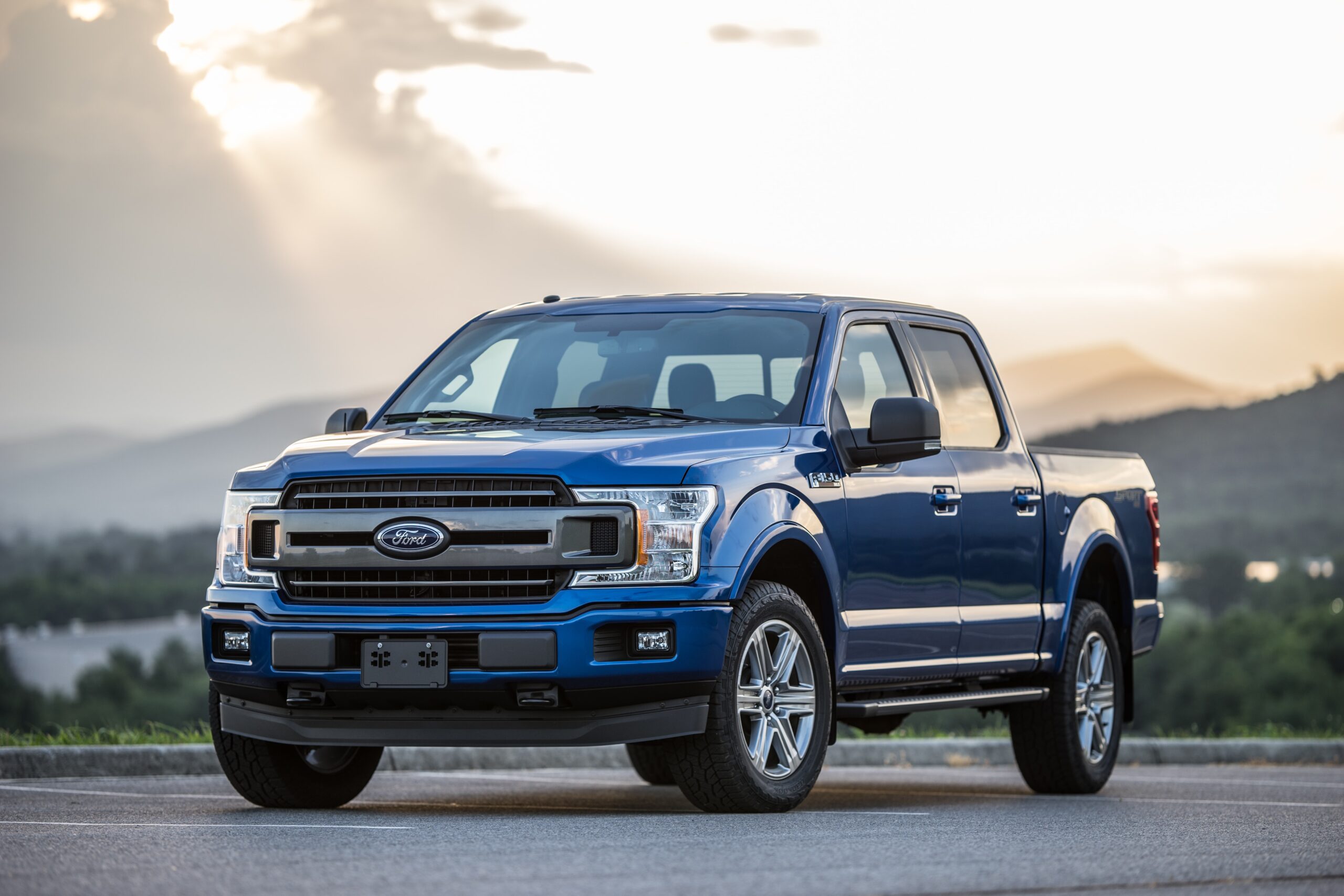
In the realm of personal finance, your truck isn’t merely a mode of transportation; it’s a tangible asset with a fluctuating monetary worth that impacts your net worth, insurance premiums, and potential future liquidity. This comprehensive guide will equip you with the knowledge and tools to accurately assess your truck’s financial standing, empowering you to make informed decisions that safeguard and even enhance its value.
The Core Determinants of Truck Value
The value of your truck is not static; it’s a dynamic figure influenced by a complex interplay of internal and external factors. Dissecting these determinants is the first step towards an accurate financial appraisal.
Make, Model, and Year
The foundational elements of your truck’s worth are its make, model, and year of manufacture. Certain brands, such as Ford (F-Series), Chevrolet (Silverado), and Ram (Ram Pickup), consistently command higher resale values due to their established reputation for reliability, towing capacity, and robust build quality. Niche or less popular brands might see quicker depreciation. Within a brand, specific models can also differentiate themselves; a highly sought-after off-road variant like a Ford Raptor or a heavy-duty work truck like a Ram 3500 will likely retain value better than a base model with fewer features. The year of manufacture is crucial as well, dictating its age and, consequently, its exposure to depreciation. Newer trucks generally hold more value, but there are sweet spots where depreciation slows, making certain model years particularly attractive in the used market.
Mileage and Condition
Perhaps the most universally understood factors influencing a truck’s value are its mileage and overall condition. Mileage directly correlates with wear and tear on mechanical components. While modern trucks are built to last, a lower odometer reading almost always translates to a higher valuation, as it implies less stress on the engine, transmission, and other critical systems. A general rule of thumb often places the average annual mileage at around 12,000-15,000 miles, and exceeding this can lead to accelerated depreciation.
Beyond the numbers, the physical and mechanical condition of the truck is paramount. This encompasses everything from the engine’s health and transmission’s smoothness to the integrity of the suspension and brakes. Cosmetically, dents, scratches, rust, faded paint, torn upholstery, and lingering odors can significantly detract from value. Conversely, a truck that has been meticulously maintained, both mechanically and aesthetically, will always command a premium. Buyers are willing to pay more for a vehicle that looks and feels well-cared for, signaling that it likely has a clean bill of health beneath the surface too.
Trim Level, Features, and Modifications
The specific trim level of your truck, along with its factory-installed features, plays a substantial role in its valuation. Higher trim levels often include premium interiors, advanced infotainment systems, safety features, and specialized capabilities (e.g., advanced towing packages, off-road capabilities) that add significant value. Features like four-wheel drive (4WD), a robust towing package, sunroof, leather seats, navigation, and advanced driver-assist systems are highly desirable and can increase a truck’s market appeal and price.
Modifications, however, are a double-edged sword. Well-executed, desirable aftermarket additions, such as high-quality lift kits from reputable brands, premium off-road tires, or certain utility bed setups, can sometimes enhance value for a specific buyer niche. Conversely, poorly installed modifications, highly personalized aesthetic changes, or performance upgrades that might compromise reliability can significantly diminish your truck’s appeal and, therefore, its financial worth to a broader market. It’s crucial to consider whether modifications broaden or narrow your potential buyer pool.
Vehicle History and Documentation
A truck’s history, transparently documented, is a powerful determinant of its value. A clean vehicle history report (e.g., from CarFax or AutoCheck) indicating no accidents, flood damage, or salvage titles is almost non-negotiable for most buyers and lenders. Even minor accidents, if reported, can reduce value, though the impact depends on the severity and quality of repairs.
Beyond a clean history, comprehensive service records are gold. Documented proof of regular oil changes, tire rotations, brake services, and major component replacements (e.g., timing belt, transmission fluid flush) provides immense peace of mind to potential buyers and validates the truck’s mechanical integrity. This transparency builds trust and can justify a higher asking price. A truck with a complete paper trail demonstrating diligent maintenance will almost always outperform one with a mysterious past.
Methods for Accurately Assessing Your Truck’s Worth
Once you understand the factors that shape your truck’s value, the next step is to employ reliable methods to arrive at a concrete financial figure. Various tools and strategies are available, each offering a slightly different perspective.
Online Valuation Tools (KBB, Edmunds, NADA)
The most popular and accessible tools for estimating vehicle value are online valuation websites like Kelley Blue Book (KBB.com), Edmunds.com, and the National Automobile Dealers Association (NADAguides.com). These platforms collect vast amounts of sales data, factor in market trends, and allow you to input your truck’s specific details—make, model, year, trim, mileage, condition, and features—to generate an estimated value.
It’s important to understand the different values these sites provide:
- Trade-In Value: This is typically the lowest estimate, representing what a dealership might offer you if you’re trading in your truck towards a new purchase. It accounts for the dealer’s need to recondition the vehicle and make a profit.
- Private Party Value: This is the estimated price you could expect to receive if you sell your truck directly to another individual. It’s generally higher than the trade-in value but requires more effort on your part (marketing, showing the vehicle, handling paperwork).
- Retail Value: This is the highest estimate, representing what you might pay if you were to buy a similar truck from a dealership. It includes the dealer’s overhead, reconditioning costs, and profit margin.
Using multiple valuation tools can give you a more rounded perspective, as their algorithms and data sources may vary slightly. Be honest and accurate when assessing your truck’s condition, as overestimating can lead to unrealistic expectations.
Dealer Appraisals and Trade-In Estimates
Visiting local dealerships can provide a quick and convenient way to get a professional appraisal, especially if you’re considering a trade-in. Dealers have an incentive to give you a figure, and their appraisers are well-versed in local market conditions and what specific models are currently in demand. However, be aware that a dealer’s trade-in offer is often conservative. Their primary goal is to acquire your vehicle at a price that allows them sufficient room for reconditioning, marketing, and profit when they resell it. While useful for establishing a baseline, don’t necessarily view a trade-in offer as your truck’s absolute maximum financial worth. It can, however, be a useful negotiation starting point.
Private Market Research
One of the most revealing ways to gauge your truck’s financial worth is to conduct your own private market research. Browse online marketplaces such as AutoTrader, CarGurus, Craigslist, Facebook Marketplace, and even local classifieds or specialty forums. Search for trucks identical or highly similar to yours in make, model, year, trim, mileage, and condition that are currently listed for sale in your geographical area.

Pay close attention to:
- Asking Prices vs. Selling Prices: Understand that listed prices are often negotiable. If possible, look for indications of what similar trucks have actually sold for.
- Time on Market: If similar trucks are sitting for months, it might indicate overpricing or low demand.
- Detailed Descriptions and Photos: Analyze how other sellers present their vehicles. What features are they highlighting? What flaws are they disclosing? This can help you refine your own listing strategy if you choose to sell privately.
This hands-on research gives you a real-time snapshot of what buyers are currently willing to pay, offering a more nuanced and geographically specific valuation than national online tools alone.
Professional Appraisals
For most standard used trucks, online tools and private market research suffice. However, for specialized situations, a professional appraisal by a certified independent automotive appraiser might be warranted. This is often the case for classic or antique trucks, highly customized vehicles where standard valuations fall short, or in scenarios involving insurance disputes, legal matters, or significant estate planning. Professional appraisers conduct a thorough inspection, factor in unique attributes, and provide a legally recognized document of value, which can be invaluable in complex financial situations. This service comes at a cost but can be crucial for an accurate, unbiased, and defensible valuation.
Maximizing Your Truck’s Resale Value
Knowing your truck’s worth is one thing; actively working to enhance it is another. Proactive steps can significantly impact the financial return you receive, whether through a private sale or a trade-in.
Proactive Maintenance and Service Records
The single most impactful action you can take to preserve and boost your truck’s resale value is diligent, proactive maintenance. Adhering to the manufacturer’s recommended service schedule isn’t just about keeping your truck running smoothly; it’s about building a robust financial history for the vehicle. Every oil change, tire rotation, fluid flush, and major component service should be documented. Keep meticulous records, including receipts for parts and labor, dates, and mileage. A complete, organized folder of service records demonstrates to potential buyers that the truck has been cared for, mitigating concerns about hidden mechanical issues and validating its long-term reliability. This transparency instills confidence and often justifies a higher asking price.
Cosmetic Improvements and Detailing
While mechanical health is paramount, first impressions matter immensely in the used vehicle market. A truck that looks clean and well-maintained signals a higher perceived value. Investing in a professional detailing service or undertaking a thorough DIY cleaning can yield significant returns. This includes a deep cleaning of the interior, addressing stains on upholstery, cleaning carpets, wiping down all surfaces, and ensuring all controls and gauges are sparkling. On the exterior, a good wash, wax, and tire dressing can make a world of difference. Consider touching up minor paint chips, buffing out light scratches, and ensuring headlights are clear, not hazy. These cosmetic improvements create an immediate positive impression, making your truck stand out from the competition and often allowing you to command a better price.
Addressing Minor Issues
Before listing your truck for sale or taking it for an appraisal, take the time to address any minor, easily fixable issues. That “Check Engine” light, a burnt-out headlight, a rattling exhaust shield, or a minor fluid leak can all raise red flags for potential buyers and give them ammunition to negotiate down your price. These small repairs, while seemingly insignificant, can disproportionately impact perceived value. For instance, fixing a warning light might cost a few hundred dollars, but leaving it active could lead to a buyer deducting a thousand or more from your offer, fearing a major underlying problem. Investing a little upfront to resolve these minor imperfections makes your truck appear more reliable and ready for its next owner, translating into a better financial outcome for you.
Strategic Timing for Sale
The timing of your truck’s sale can also subtly influence its financial worth. For instance, the demand for 4WD trucks or those suitable for towing recreational vehicles often peaks in the spring and summer months as people plan outdoor adventures. Convertibles or sports cars might see increased interest in warmer weather, while smaller, fuel-efficient vehicles might be more attractive during periods of high gas prices. While the impact of seasonality is generally less pronounced for trucks compared to other vehicle types, being aware of these trends can help you optimize your listing period. Selling when demand is naturally higher can lead to quicker sales and potentially firmer prices, whereas selling during an off-season might require more patience or a more competitive price.
Financial Implications Beyond Resale
The financial understanding of “what my truck is worth” extends far beyond its potential resale or trade-in value. It plays a critical role in several other aspects of your personal financial landscape.
Insurance Considerations
Your truck’s financial value directly impacts your auto insurance policy, particularly for comprehensive and collision coverage. Insurers use various valuation models to determine the Actual Cash Value (ACV) of your vehicle. In the event of a total loss (e.g., severe accident or theft), the payout you receive will typically be based on this ACV, less your deductible. Knowing your truck’s current market value allows you to ensure you have adequate coverage and are not overpaying for a policy that would undercompensate you. If your truck has depreciated significantly, you might be able to adjust your coverage to save on premiums. Conversely, if you’ve made significant value-adding modifications or your truck is a classic appreciating asset, you might need specialized agreed-value coverage to protect your investment fully.
Depreciation as a Financial Factor
Depreciation is the often-overlooked financial reality that your truck’s value declines over time. This loss of value is primarily due to age, mileage, wear and tear, and the introduction of newer models with advanced features. Understanding your truck’s depreciation rate is crucial for long-term financial planning. It helps you assess the true cost of ownership beyond just fuel and maintenance. For example, if you plan to upgrade every few years, understanding depreciation will help you budget for the equity loss on your current vehicle. From an accounting perspective, depreciation affects your net worth. Recognizing how quickly your truck loses value can influence decisions like how long to keep a vehicle, whether to buy new or used, and when it might be financially prudent to sell before significant value erosion occurs.
Equity and Loan Management
If you financed your truck, its current financial worth is paramount to understanding your equity position. Equity is the difference between your truck’s market value and the outstanding balance on your loan. Positive equity means your truck is worth more than what you owe, giving you a financial asset. Negative equity (also known as being “upside down” or “underwater”) means you owe more than the truck is worth, creating a financial liability.
Understanding your equity position is vital for:
- Refinancing: If you have positive equity, you might be able to refinance your loan for better terms.
- Trade-in Decisions: Trading in a truck with negative equity means you’ll likely have to roll that deficit into your new loan, increasing its principal and interest.
- Total Loss Scenarios: If your truck is totaled and you have negative equity, your insurance payout might not cover the full loan amount, leaving you to pay the difference out-of-pocket unless you have Gap Insurance.
Regularly assessing your truck’s value against your loan balance is a critical exercise in managing debt and ensuring your vehicle remains a controllable part of your personal financial portfolio.
Conclusion
Determining “what my truck is worth” is far more than a casual inquiry; it’s a fundamental aspect of sound personal financial management. From negotiating the best price for a sale or trade-in to ensuring adequate insurance coverage and strategically managing your assets and debts, an accurate valuation empowers you to make informed decisions. By understanding the intricate factors that influence value – from make and mileage to condition and history – and utilizing the various tools and methods available for assessment, you gain a clear financial picture. Furthermore, by proactively maintaining your truck and addressing minor issues, you can actively safeguard and even enhance its financial appeal. In a world where every asset counts towards your overall financial health, knowing the true worth of your truck is a powerful, indispensable piece of knowledge.
aViewFromTheCave is a participant in the Amazon Services LLC Associates Program, an affiliate advertising program designed to provide a means for sites to earn advertising fees by advertising and linking to Amazon.com. Amazon, the Amazon logo, AmazonSupply, and the AmazonSupply logo are trademarks of Amazon.com, Inc. or its affiliates. As an Amazon Associate we earn affiliate commissions from qualifying purchases.