
For most individuals, a car is one of the most substantial assets they own, second only to a home. When the time comes to upgrade, downsize, or simply change vehicles, understanding its true financial value in a trade is paramount. This isn’t just about getting a good deal; it’s about making a financially astute decision that impacts your overall personal wealth and the cost of your next vehicle. Without a clear grasp of your car’s trade-in worth, you risk leaving thousands of dollars on the table, effectively overpaying for your new purchase or liquidating your asset at a suboptimal price. This article will delve into the intricacies of car valuation, providing a professional, insightful, and engaging guide to help you maximize your financial outcome when trading in your vehicle.

Understanding the Core Elements of Car Valuation
The value of your car is not a static figure; it’s a dynamic assessment influenced by a multitude of factors, some within your control, and many dictated by market forces. A savvy financial approach requires understanding these elements.
Age and Mileage: The Primary Determinants
Undeniably, age and mileage are the most significant depreciation drivers for any vehicle. As a car accumulates years and miles, its components wear down, technology becomes outdated, and the likelihood of future maintenance increases. Newer cars with lower mileage command higher trade-in values because they offer more years of reliable service and often come with more modern features and potentially remaining manufacturer warranties. The average driver puts about 12,000 to 15,000 miles on their car annually, so vehicles significantly above this benchmark for their age will see a steeper depreciation curve. Financial planning for car ownership should always factor in this inevitable depreciation, viewing a car not as an appreciating asset but as a declining one whose value needs careful management.
Condition, Features, and Trim Level
Beyond age and mileage, the physical and mechanical condition of your vehicle plays a crucial role. A well-maintained car with a clean interior and exterior, fresh tires, and no obvious dents or scratches will naturally fetch a higher trade-in value. This is where your financial investment in regular maintenance pays dividends. Furthermore, the car’s original trim level and installed features significantly impact its worth. A base model will always be less valuable than a fully loaded version with premium sound systems, advanced driver-assistance features, leather seats, or a sunroof. These desirable features enhance the car’s marketability and, consequently, its financial appeal to a dealership looking to resell it. Even the color can subtly influence demand and value in certain markets.
Market Demand and Regional Factors
The automotive market is a complex ecosystem, and your car’s value is also subject to the whims of supply and demand. Certain makes, models, or types of vehicles (e.g., SUVs vs. sedans, fuel-efficient vs. high-performance) are more popular at different times, driven by economic trends, fuel prices, and consumer preferences. A car that is highly sought after will naturally command a better trade-in value. Regional factors also come into play; a four-wheel-drive SUV might be more valuable in a snowy climate than in a sunny, flat region. Economic conditions, such as interest rates and overall consumer confidence, can also sway purchasing decisions and, by extension, trade-in values. Keeping an eye on these broader financial and market trends can give you an edge in understanding your car’s current worth.
The Difference Between Trade-In, Private Sale, and Retail Value
When discussing car values, it’s critical to understand that there isn’t one universal “worth.” Instead, there are distinct valuation categories, each with its own financial implications. Differentiating between these helps you make an informed decision on how to best monetize your existing vehicle.
Trade-In Value: The Dealer’s Perspective
The trade-in value is the amount a dealership is willing to give you for your car when you’re purchasing another vehicle from them. This figure is almost always lower than what you could get through a private sale. From a dealer’s perspective, the trade-in represents an acquisition cost for a used car that they must then recondition, market, and sell for a profit. Their offer needs to cover these expenses, overheads, and still ensure a healthy profit margin. The convenience factor for the consumer — avoiding the hassle of selling privately — is also a “cost” that’s factored into this lower offer. Financially, accepting a trade-in offer is often a compromise between maximum profit and minimal effort.
Private Sale Value: Maximizing Your Return (with effort)
Selling your car privately typically yields the highest financial return. By cutting out the dealership middleman, you absorb the profit margin they would have taken. However, this increased profit comes with significant responsibilities and efforts: preparing the car for sale, advertising, screening potential buyers, arranging test drives, negotiating prices, and handling all the paperwork. It requires an investment of your time, resources, and often entails some risk, such as dealing with unreliable buyers or security concerns. For those with the time and inclination, the financial benefit of a private sale can be substantial, making it a viable strategy for maximizing the value of your asset.
Retail Value: What a Dealership Sells For
The retail value is what a dealership aims to sell your car for once they’ve acquired it (either through trade-in or auction), reconditioned it, and prepared it for their lot. This is the highest of the three values, as it encompasses all the dealer’s costs – reconditioning, administrative fees, sales commissions, marketing, and their desired profit. Understanding the retail value is crucial for your negotiation strategy. If you know what a similar car is selling for on a dealer’s lot, you can better understand the dealer’s margin and assess the fairness of their trade-in offer. It helps you ground your expectations and approach negotiations from an informed financial position, ensuring you don’t undervalue your car in their eyes.
Leveraging Financial Tools for Accurate Appraisal
In today’s digital age, numerous resources are available to help you pinpoint your car’s financial worth. Utilizing these tools diligently is a cornerstone of intelligent personal finance when trading a vehicle.
Online Valuation Tools (e.g., Kelley Blue Book, Edmunds, NADAguides)
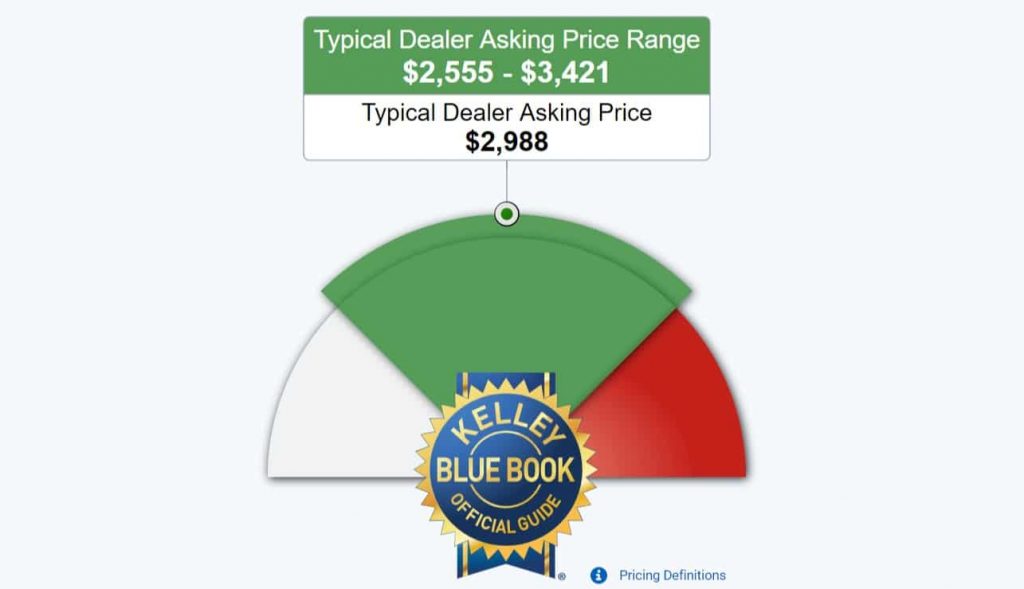
These online platforms are indispensable for obtaining preliminary valuations. Websites like Kelley Blue Book (KBB.com), Edmunds.com, and NADAguides.com (now JD Power Values) compile vast amounts of data from sales, auctions, and listings to provide estimated values for trade-in, private sale, and retail. To get the most accurate estimate, you must provide precise details about your vehicle: year, make, model, trim level, mileage, condition, and any specific options or features. While these tools provide excellent starting points, remember they are estimates. They may not fully account for unique regional market fluctuations or the precise nuances of your car’s condition, so view them as guiding financial metrics, not absolute figures.

Dealer Appraisals: Getting Multiple Offers
After doing your online research, the next practical step is to get actual offers from multiple dealerships. Visit several different dealerships – even those you might not intend to buy from – and ask for a trade-in appraisal. Each dealership will assess your car based on their own criteria, inventory needs, and current market outlook. Collecting multiple written offers allows you to compare and contrast, giving you leverage during negotiation. This competitive bidding process is a fundamental financial strategy for any major transaction, ensuring you receive a fair market price and don’t settle for the first, potentially low, offer.
Professional Inspections and Their Value
For cars with unique features, high value, or significant aftermarket modifications, a professional, independent inspection can be a wise financial investment. An independent mechanic or appraiser can provide an unbiased assessment of your car’s mechanical soundness and overall condition. This report can serve as powerful documentation during negotiations, especially if you believe a dealer is undervaluing your vehicle due to perceived issues. While there’s a cost involved, the added credibility and potential for a higher trade-in value can often offset this expense, making it a sound financial decision in specific circumstances.
Strategies to Maximize Your Trade-In Value
Preparing your vehicle strategically can significantly improve its perceived and actual value, translating directly into a better financial outcome for you.
Pre-Sale Preparation: Minor Repairs and Detailing
Before presenting your car for trade-in, consider a cost-benefit analysis of minor repairs and professional detailing. Fixing small mechanical issues (like a check engine light for a minor sensor issue) that might otherwise raise red flags for a dealer can often be done for less than the deduction they would apply to your trade-in offer. Similarly, a thorough interior and exterior cleaning, addressing minor dents or scratches, and ensuring the car smells fresh, creates a positive first impression. Dealers are looking for cars that require minimal reconditioning to resell quickly. A well-presented car suggests it has been cared for, increasing its perceived value and making it more attractive for immediate resale. This small financial investment in preparation often yields a positive return on investment.
Gather Your Documentation: Service Records and Title
Having a complete and organized set of documentation is vital. Your car’s service records are tangible proof of its maintenance history, indicating that you’ve invested in its longevity and reliability. This documentation can significantly boost a dealer’s confidence in the car’s condition, potentially leading to a better offer. Likewise, ensure your car’s title is clear, in your name, and readily available. Any liens or missing paperwork can complicate and delay the trade-in process, potentially impacting the deal or forcing you to accept a lower offer due to time constraints. From a financial perspective, a smooth and transparent transaction is always the most desirable.
Negotiation Tactics: Separating Trade-In from Purchase Price
A common dealership tactic is to bundle the trade-in value with the new car’s purchase price, making it difficult to assess the fairness of either component. To ensure you’re getting the best financial deal, negotiate each transaction separately. First, agree on the lowest possible purchase price for the new vehicle. Once that price is firm, then bring up your trade-in. This strategy prevents the dealership from manipulating figures – for instance, giving you a seemingly high trade-in value while inflating the new car’s price. By keeping these two financial transactions distinct, you maintain clarity and control, ultimately leading to a more favorable overall financial outcome.
The Financial Decision: When to Trade In vs. Sell Privately
The choice between trading in your car and selling it privately is a pivotal financial decision, balancing convenience against potential profit and considering unique financial circumstances.
Analyzing Convenience vs. Profit
This is the central financial trade-off. Trading in offers unparalleled convenience: you drive your old car to the dealership, sign some papers, and drive away in your new one, all in a single transaction. There are no advertisements to place, no strangers to meet, and no DMV paperwork beyond the new purchase. However, this convenience almost always comes at the cost of a lower overall financial return. Selling privately, while more effort-intensive, typically yields more money. Your decision should factor in the value of your time, your comfort level with private sales, and the financial spread between the trade-in offer and your estimated private sale value. Quantify the difference and decide if the extra effort is worth the additional financial gain for your personal situation.
Tax Advantages of a Trade-In
One significant, often overlooked, financial benefit of trading in your vehicle is the potential sales tax savings. In many states, when you trade in a car, you only pay sales tax on the difference between the new car’s price and your trade-in value. For example, if you buy a $30,000 car and trade in your old car for $10,000, you would only pay sales tax on $20,000. If you sold your old car privately and then bought the new car, you would pay sales tax on the full $30,000. This tax savings can be substantial, often making the effective financial difference between a trade-in and a private sale much smaller than it initially appears. Always research your state’s specific sales tax laws related to vehicle trade-ins to fully appreciate this financial advantage.
Assessing Your Personal Financial Situation
Ultimately, the best approach hinges on your personal financial situation. Do you need immediate cash, or can you afford to wait for a private sale? Are you comfortable with the sales process, or does the thought of it cause undue stress? Do you have time to field calls and show the car, or are you on a tight schedule? If time is money for you, the convenience of a trade-in might outweigh a modest financial gain from a private sale. If maximizing every dollar is your priority, and you have the resources and patience, a private sale might be the better financial move. Align your decision with your broader personal finance goals and comfort levels.
Conclusion
Understanding “what is my car worth in trade” is far more than a simple inquiry; it’s a critical component of sound personal finance. By dissecting the various factors that influence valuation – from age and condition to market dynamics – and leveraging available financial tools, you empower yourself with knowledge. Differentiating between trade-in, private sale, and retail values clarifies your options, while strategic preparation and negotiation tactics can directly translate into thousands of dollars saved or gained. Finally, carefully weighing the financial convenience of a trade-in against the potential profit of a private sale, inclusive of significant tax advantages, ensures your decision is not only practical but also optimally aligned with your financial well-being. Approaching your car trade-in with this comprehensive financial perspective ensures you make a confident and financially rewarding move.
aViewFromTheCave is a participant in the Amazon Services LLC Associates Program, an affiliate advertising program designed to provide a means for sites to earn advertising fees by advertising and linking to Amazon.com. Amazon, the Amazon logo, AmazonSupply, and the AmazonSupply logo are trademarks of Amazon.com, Inc. or its affiliates. As an Amazon Associate we earn affiliate commissions from qualifying purchases.