
Navigating the complexities of tax season can often feel like deciphering a cryptic puzzle. For many, the annual obligation to file a tax return is met with a mix of apprehension and procrastination. However, understanding how to accurately calculate your tax return is not just about fulfilling a legal requirement; it’s a fundamental aspect of sound personal financial management. A precise calculation ensures you pay what you owe, no more and no less, potentially unlocking valuable refunds or avoiding costly penalties.
This article aims to demystify the process, providing a comprehensive guide to understanding, preparing for, and executing your tax return calculation. We’ll explore the essential components, necessary documentation, various calculation methods, and key considerations to empower you with the knowledge needed to approach tax season with confidence and clarity. Whether you prefer a manual approach or leverage modern financial tools, mastering your tax return calculation is a skill that pays dividends.

Understanding the Fundamentals of Your Tax Return
Before diving into the numbers, it’s crucial to grasp the basic concepts underpinning your tax return. This foundational knowledge will provide context and clarity for every step of the calculation process.
What is a Tax Return?
At its core, a tax return is an annual report submitted to a tax authority (like the IRS in the United States) detailing your income, expenses, and other relevant financial information. Its primary purpose is to allow the government to determine your tax liability for the year. This liability is the total amount of tax you owe based on your earnings and financial activities. By comparing this liability with the taxes you’ve already paid throughout the year (e.g., through paycheck withholdings or estimated tax payments), the tax authority determines if you are due a refund or if you owe additional taxes. It’s a reconciliation process that ensures fairness and compliance within the tax system.
Key Components of a Tax Return
A tax return isn’t just one big number; it’s a culmination of several critical components that interact to determine your final tax outcome.
- Income: This is the starting point. It includes all earnings from various sources such as wages, salaries, self-employment income, interest, dividends, rental income, capital gains, and more. Understanding and accurately reporting all income is paramount.
- Deductions: Deductions are amounts that can be subtracted from your gross income, thereby reducing your taxable income. They come in two main forms: “above-the-line” deductions (which reduce your Gross Income to Adjusted Gross Income, or AGI) and “below-the-line” deductions (which are either the standard deduction or itemized deductions, reducing AGI to taxable income). Examples include student loan interest, IRA contributions, health savings account (HSA) contributions, mortgage interest, and state and local taxes.
- Credits: Tax credits are even more powerful than deductions because they directly reduce your tax liability dollar-for-dollar. Unlike deductions, which reduce the amount of income subject to tax, credits reduce the actual amount of tax you owe. Examples include the Child Tax Credit, Earned Income Tax Credit, education credits, and various clean energy credits.
- Taxable Income: After subtracting all applicable deductions from your gross income, you arrive at your taxable income. This is the amount upon which your tax liability is calculated using the progressive tax bracket system.
Who Needs to File?
Not everyone is required to file a tax return. The obligation typically depends on your gross income, filing status (e.g., single, married filing jointly), age, and whether you are a dependent of someone else. For instance, if your income falls below a certain threshold, you might not need to file. However, even if not required, filing can sometimes be beneficial, especially if you had taxes withheld from your pay or qualify for refundable tax credits (like the Earned Income Tax Credit), as you might be due a refund. It’s always wise to check the IRS guidelines for the current tax year to confirm your filing obligation.
Gathering Your Essential Documents and Information
The accuracy of your tax return hinges entirely on the quality and completeness of the information you provide. The calculation process begins long before you touch a calculator or open tax software; it starts with meticulous record-keeping throughout the year and diligent document gathering during tax season.
Income Documentation
Your income is the foundation of your tax return, and various forms document it.
- W-2 Forms: If you are an employee, your employer will provide you with a W-2 form by January 31st each year. This form reports your annual wages, tips, other compensation, and the amount of federal, state, and local taxes withheld from your pay.
- 1099 Forms: These forms report various types of non-employee income. Examples include:
- 1099-NEC (Nonemployee Compensation): For independent contractors or self-employed individuals.
- 1099-INT (Interest Income): From banks, credit unions, and investment accounts.
- 1099-DIV (Dividend Income): From stock investments.
- 1099-B (Proceeds from Broker and Barter Exchange Transactions): For capital gains or losses from selling stocks, bonds, or other property.
- 1099-R (Distributions from Pensions, Annuities, Retirement or Profit-Sharing Plans, IRAs, Insurance Contracts, etc.): For retirement plan withdrawals.
- 1099-G (Certain Government Payments): Such as unemployment compensation or state tax refunds.
- K-1 Forms: If you have an ownership interest in a partnership, S corporation, or certain trusts, you will receive a Schedule K-1 detailing your share of the entity’s income, losses, deductions, and credits.
- Other Income Records: Don’t forget any other income not reported on a formal form, such as cash income from side hustles, alimony received (for pre-2019 divorce agreements), or gambling winnings.
Deduction and Credit Documentation
Claiming eligible deductions and credits can significantly reduce your tax burden. You’ll need proof for each.
- Mortgage Interest Statement (Form 1098): Reports the interest you paid on your home mortgage.
- Student Loan Interest Statement (Form 1098-E): Reports interest paid on qualified student loans.
- Medical Expense Records: Receipts and statements for unreimbursed medical and dental expenses.
- Charitable Contribution Records: Receipts, acknowledgment letters, or bank statements for donations to qualified charities.
- Child Care Expenses: Records from daycare providers, including their Employer Identification Number (EIN) or Social Security Number (SSN).
- Education Expenses: Forms 1098-T for tuition and fees statements, and records for other qualified educational expenses.
- Retirement Contributions: Records of contributions to IRAs, 401(k)s, or other retirement plans.
- State and Local Tax (SALT) Payments: Records of property taxes paid, state income tax paid through withholding or estimated payments, and vehicle registration fees (if deductible in your state).
Previous Year’s Tax Return
Your prior year’s tax return is an invaluable reference. It can remind you of recurring deductions or credits, provide information on carryovers (like capital loss carryovers or net operating loss carryovers), and serve as a baseline for comparison. It also contains your Adjusted Gross Income (AGI), which is sometimes needed for certain calculations or identity verification purposes when filing electronically.
The Step-by-Step Manual Calculation Process
While most people use software or a professional, understanding the manual calculation process provides invaluable insight into how your tax liability is determined. This section breaks down the core steps.
Determine Your Gross Income
Start by summing up all sources of taxable income for the year. This includes wages (from W-2s), self-employment income (from 1099-NECs and your own records), interest (1099-INT), dividends (1099-DIV), capital gains (1099-B), retirement distributions (1099-R), rental income, and any other taxable earnings. Be thorough; underreporting income is a common audit trigger.
Calculate Your Adjusted Gross Income (AGI)
Once you have your gross income, subtract any “above-the-line” deductions. These deductions directly reduce your gross income to arrive at your Adjusted Gross Income (AGI). Common above-the-line deductions include:
- Traditional IRA contributions
- Student loan interest
- Health Savings Account (HSA) contributions
- Self-employment tax (one-half)
- Self-employed health insurance premiums
- Alimony paid (for divorce decrees finalized before 2019)
Your AGI is a crucial number used for various calculations and limitations on other deductions and credits.
Choose Between Standard vs. Itemized Deductions
After calculating your AGI, you must decide whether to take the standard deduction or itemize your deductions.
- Standard Deduction: This is a fixed dollar amount determined by the IRS based on your filing status. It’s designed to simplify filing for many taxpayers.
- Itemized Deductions: If your eligible deductible expenses exceed the standard deduction amount for your filing status, you can choose to “itemize.” Common itemized deductions include:
- State and local taxes (SALT, capped at $10,000 per household)
- Mortgage interest
- Medical and dental expenses (exceeding 7.5% of AGI)
- Charitable contributions
- Certain casualty and theft losses
You should choose whichever option results in a larger deduction, thereby lowering your taxable income more.
Calculate Your Taxable Income
Subtract your chosen deduction (standard or itemized) from your AGI. The resulting figure is your taxable income. This is the amount that will be subject to federal income tax.
Apply Tax Credits
With your taxable income determined, you can now apply any eligible tax credits. Remember, credits directly reduce your tax liability dollar-for-dollar. Identify all credits you qualify for, such as the Child Tax Credit, Credit for Other Dependents, Earned Income Tax Credit (EITC), American Opportunity Tax Credit (AOTC), Lifetime Learning Credit, Saver’s Credit, and many others. Some credits are non-refundable (can reduce your tax liability to zero but no lower), while others are refundable (can result in a refund even if your tax liability is zero).
Determine Your Tax Liability
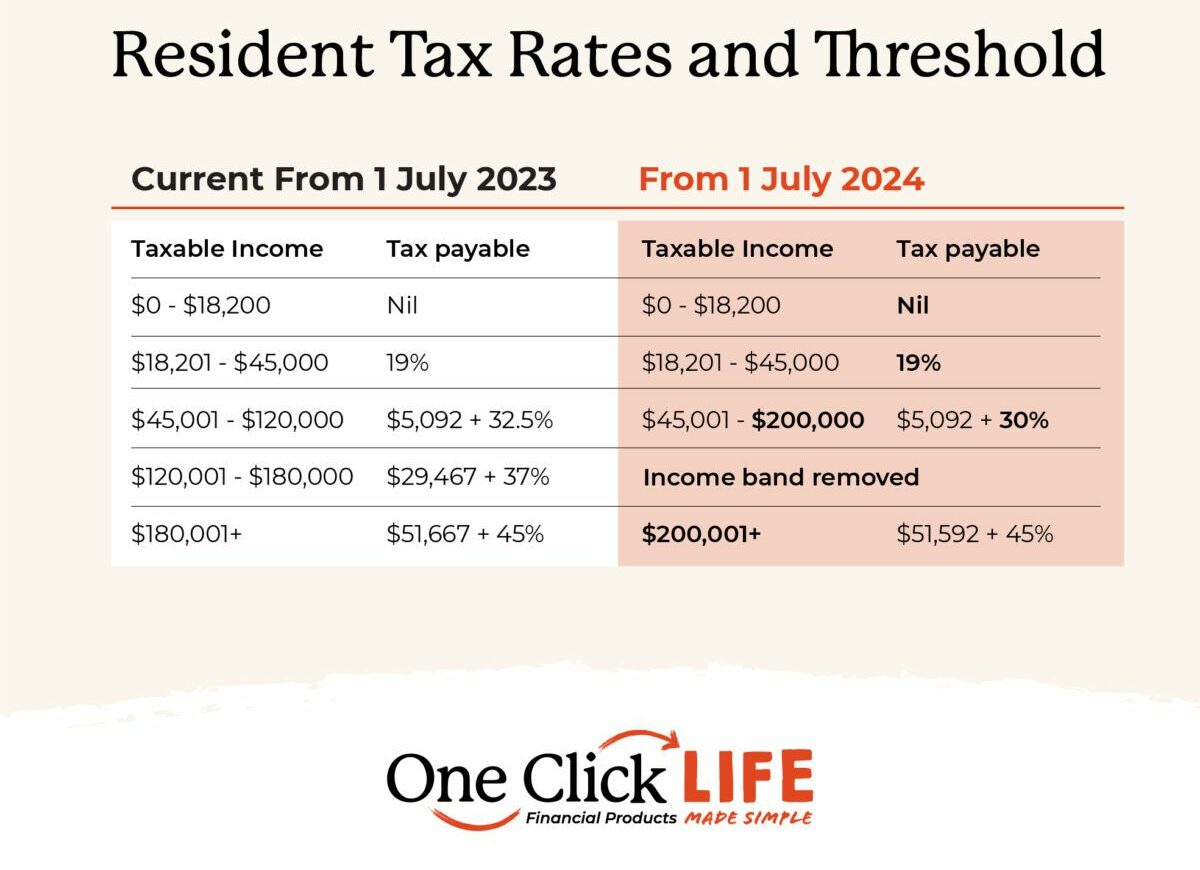
Now, use the appropriate tax brackets for your filing status to calculate your initial tax liability on your taxable income. The U.S. has a progressive tax system, meaning different portions of your taxable income are taxed at different rates. For example, the first X dollars might be taxed at 10%, the next Y dollars at 12%, and so on. Sum these amounts to get your total tax before credits. Then, subtract your non-refundable tax credits from this amount.
Account for Payments and Refunds/Balance Due
Finally, compare your calculated tax liability (after non-refundable credits) with the total amount of taxes you’ve already paid throughout the year. This includes federal income tax withheld from your paychecks (as shown on your W-2) and any estimated tax payments you made. Add any refundable tax credits to your total payments.
- If your total payments and refundable credits exceed your tax liability, you are due a tax refund.
- If your tax liability exceeds your total payments and refundable credits, you owe additional taxes.
Leveraging Technology for Accurate Tax Calculations
While understanding the manual process is valuable, technology offers efficient and reliable solutions for calculating your tax return, especially as your financial situation grows more complex.
Tax Software Solutions
Tax preparation software has revolutionized how many individuals and small businesses approach tax season. Programs like TurboTax, H&R Block Tax Software, TaxAct, and FreeTaxUSA guide you through the process with a user-friendly interface, asking pertinent questions and performing calculations automatically.
- Pros: Ease of use, accuracy (if data is entered correctly), direct e-filing capabilities, built-in checks for errors, and identification of potential deductions and credits. Many offer free versions for simple returns.
- Cons: Cost for more complex returns, potential for user error if information is misinterpreted, and limited personalized advice.
These tools are particularly effective for those with common income and deduction scenarios.
Professional Tax Preparers
For individuals with complex tax situations (e.g., extensive investments, self-employment income, foreign income, multiple properties, or significant life changes), or those who simply prefer to outsource the task, a professional tax preparer can be an invaluable resource. This includes Certified Public Accountants (CPAs), Enrolled Agents (EAs), or other tax professionals.
- Benefits: Expert knowledge of the latest tax laws, ability to identify obscure deductions and credits, representation in case of an audit, and peace of mind. They can also offer year-round tax planning advice.
- Considerations: Cost (which can vary significantly based on complexity and location) and the need to find a reputable, qualified professional.
Online Calculators and Resources
For quick estimates or specific calculations, various online resources can be helpful. The IRS website itself offers useful tools, such as the Tax Withholding Estimator, which can help you adjust your W-4 to avoid under- or over-withholding. Numerous financial planning websites and independent tax portals also provide free tax calculators that can give you a preliminary idea of your potential refund or liability. These are excellent for planning purposes but should not replace comprehensive tax preparation for filing.
Key Considerations and Best Practices for Tax Season
Beyond the calculation itself, several overarching principles and best practices can simplify your tax season and ensure a positive outcome.
The Importance of Accuracy and Record-Keeping
The cornerstone of a successful tax return is accurate information supported by meticulous record-keeping. Keep all financial documents – W-2s, 1099s, receipts for deductions, charitable donation acknowledgments, medical bills, and bank statements – organized throughout the year. Digital copies are often as acceptable as physical ones, provided they are legible and stored securely. Inaccurate reporting, whether intentional or accidental, can lead to audits, penalties, and interest charges.
Understanding Deadlines and Penalties
Tax season operates on strict deadlines. For most individuals, the federal income tax filing deadline is April 15th (or the next business day if April 15th falls on a weekend or holiday). If you cannot file on time, you can request an extension, which typically grants you an additional six months to file (until October 15th). However, an extension to file is not an extension to pay. If you expect to owe taxes, you should still pay an estimated amount by the original deadline to avoid failure-to-pay penalties and interest. Familiarize yourself with these dates to avoid unnecessary financial repercussions.
Planning for Next Year
Tax planning isn’t a one-time annual event; it’s an ongoing process. Throughout the year, consider strategies that could optimize your tax situation.
- Adjusting Withholding: Use the IRS Tax Withholding Estimator to ensure your employer is withholding the correct amount of federal income tax from your paychecks. This can help you avoid a large balance due or an excessively large refund (which essentially means you’ve given the government an interest-free loan).
- Estimated Taxes: If you have significant income not subject to withholding (e.g., self-employment income, rental income, substantial investment income), you may need to pay estimated taxes quarterly.
- Maximizing Deductions and Credits: Proactively contribute to retirement accounts (IRAs, 401(k)s), HSAs, or 529 plans. Keep track of eligible expenses for itemized deductions.
- Tax Loss Harvesting: Consider selling investments at a loss to offset capital gains and a limited amount of ordinary income.
Seeking Professional Advice
While this guide provides a solid foundation, tax laws are complex and constantly evolving. If your financial situation is unique, involves significant assets, multiple income streams, or international components, seeking advice from a qualified tax professional is always a wise investment. They can offer personalized strategies, ensure compliance, and potentially uncover tax-saving opportunities you might overlook.
Calculating your tax return, while seemingly daunting, is a manageable process when approached systematically. By understanding the fundamentals, diligently gathering your documents, employing reliable calculation methods (manual or technological), and practicing smart tax planning throughout the year, you can confidently fulfill your obligations and optimize your financial outcome. Take control of your taxes, and empower your personal financial journey.
aViewFromTheCave is a participant in the Amazon Services LLC Associates Program, an affiliate advertising program designed to provide a means for sites to earn advertising fees by advertising and linking to Amazon.com. Amazon, the Amazon logo, AmazonSupply, and the AmazonSupply logo are trademarks of Amazon.com, Inc. or its affiliates. As an Amazon Associate we earn affiliate commissions from qualifying purchases.