
The question “who is Google owner?” might seem straightforward at first glance, but delving into its answer reveals a sophisticated corporate structure, strategic brand management, and a fascinating journey of evolution for one of the world’s most influential companies. While many might instinctively name Larry Page and Sergey Brin, the reality is far more intricate, involving a parent company, a distinct dual-class stock structure, and a vast ecosystem of stakeholders. Understanding this ownership tapestry is crucial to grasping Google’s corporate identity, its strategic direction, and its enduring global brand presence.

Google, the search engine that became synonymous with information, has transcended its initial product to become a ubiquitous part of daily life. Its ownership structure reflects not just its past successes but also its ambitious future, carefully orchestrated to maintain its innovative edge while managing an increasingly diverse portfolio of ventures. This article will explore the layers of Google’s ownership, revealing how its corporate identity has been meticulously crafted and sustained through strategic decisions at the highest levels.
The Evolution from Google to Alphabet: A Strategic Rebranding
The most significant event impacting Google’s corporate identity and ownership structure was the creation of Alphabet Inc. in 2015. This strategic move was far more than a simple corporate reshuffle; it was a profound rebranding exercise designed to redefine the boundaries and ambitions of the entire organization.
Consolidating an Empire: The Genesis of Alphabet Inc.
Before Alphabet, Google Inc. had become a sprawling conglomerate. Beyond its core search engine, it encompassed Android, YouTube, Chrome, Google Maps, and an increasing number of “other bets” – ventures like Waymo (self-driving cars), Verily (life sciences), and Nest (smart home devices). This broad portfolio, while indicative of innovation, began to dilute the clarity of the Google brand and presented challenges for financial reporting and investor communication.
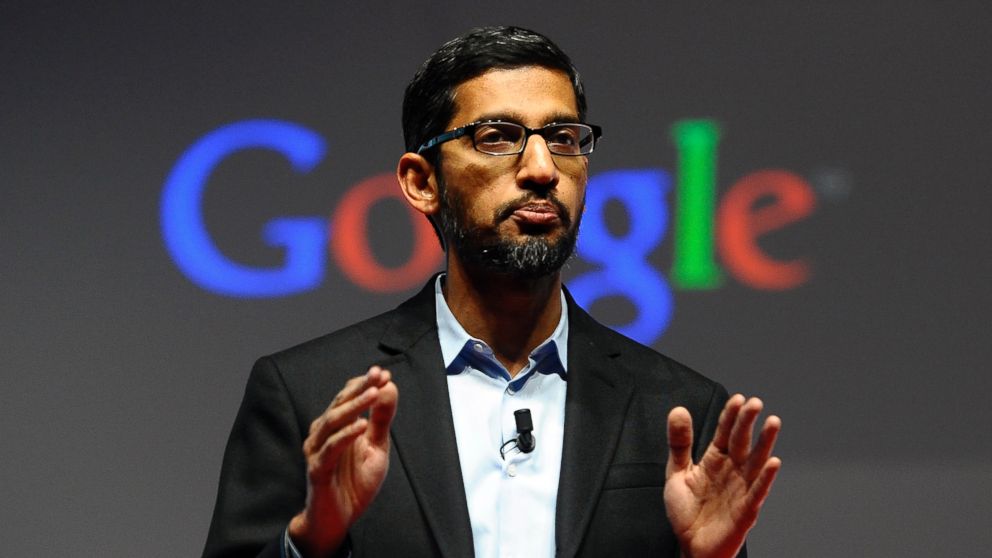
The formation of Alphabet Inc. positioned Google as a wholly-owned subsidiary of this new holding company. Larry Page, Google’s co-founder and then-CEO, became CEO of Alphabet, while Sundar Pichai, a long-time Google executive, took the helm as CEO of Google. This clear separation allowed each entity to operate with greater autonomy while remaining under the strategic umbrella of Alphabet. The motivation was clear: structure the disparate entities under a new, overarching corporate identity that could encompass diverse and often unrelated businesses.
Strategic Intent: Diversification and Focus
The core strategic intent behind Alphabet was twofold: diversification and focus. By creating a parent company, Alphabet could house its various ventures, or “other bets,” as distinct entities (“other bets” became “other companies” or “segments” within Alphabet). This allowed each segment to develop its own corporate identity, strategy, and even potential external funding without being strictly tied to the Google brand. For instance, Waymo, a self-driving car company, could now forge partnerships and pursue its vision as a distinct entity, rather than being perceived merely as a “Google project.”
This separation also brought a sharpened focus to the Google core business. With its experimental ventures moved to Alphabet’s other companies, Google could double down on its primary mission: organizing the world’s information and making it universally accessible and useful. This strategic clarity aimed to improve operational efficiency, foster innovation within each distinct business unit, and provide greater transparency for investors who could now more easily distinguish between Google’s profitable core and Alphabet’s often long-term, capital-intensive speculative projects.
The Impact on Google’s Brand Identity
The formation of Alphabet significantly refined Google’s brand identity. No longer was “Google” expected to be everything from a search engine to a biotech firm. The brand could now concentrate on its core competencies in search, advertising, Android, Chrome, YouTube, and its related consumer products. This refocusing allowed the Google brand to reinforce its strengths, becoming more distinct and less diluted by ventures that didn’t directly align with its primary mission.
For consumers, the change was subtle but impactful. The Google brand became more defined, associated primarily with the internet services and devices they interact with daily. For investors, it provided a clearer picture of the value drivers within the organization, allowing them to better assess the performance and potential of the highly profitable Google segment versus the more speculative “other bets” under Alphabet. Alphabet, in turn, established a corporate identity as an incubator for cutting-edge technology and a bold visionary in multiple industries, rather than just an internet company.
The Architects of Innovation: Larry Page, Sergey Brin, and the Founders’ Influence
While Alphabet is a publicly traded company, the influence of its co-founders, Larry Page and Sergey Brin, remains paramount. Their vision, values, and carefully constructed ownership mechanism continue to shape the corporate identity and strategic direction of both Alphabet and Google.
The Entrepreneurial Visionaries: Shaping Google’s Core Values
Larry Page and Sergey Brin founded Google in 1998 with a mission to “organize the world’s information and make it universally accessible and useful.” This mission wasn’t just a corporate slogan; it permeated the company’s culture and its brand identity from day one. Their engineering-first approach, emphasis on innovation, and commitment to long-term thinking became foundational pillars of the Google brand. Even as Google grew into a massive corporation, these core values—often encapsulated by informal mottos like “Don’t be evil” (later refined to “Do the right thing”)—were consistently articulated and reinforced, shaping public perception and employee culture.
Their early decisions, from creating a unique search algorithm to fostering a workplace that encouraged creativity and experimentation, built Google’s reputation as a groundbreaking, user-centric technology company. This legacy is not merely historical; it continues to inform Alphabet’s strategic priorities, from investments in AI to its commitment to open internet principles, all of which contribute to the perception and reality of its corporate identity.
Founders’ Control: The Dual-Class Stock Structure
A critical aspect of understanding Google/Alphabet’s ownership and the founders’ enduring influence lies in its unique dual-class stock structure. Alphabet issues two primary classes of common stock: Class A (GOOGL) and Class C (GOOG). Class A shares carry one vote per share, while Class C shares carry no voting rights. However, a third class, Class B shares, is not publicly traded and is predominantly held by Larry Page, Sergey Brin, and early executives. These Class B shares come with ten votes per share.
This super-voting Class B stock structure grants Page and Brin disproportionate voting control over Alphabet, despite owning a minority of the company’s total equity. This mechanism ensures that they, along with select insiders, retain significant power over strategic decisions, board appointments, and the overall direction of the company. This ownership structure is a deliberate choice, designed to insulate the company from short-term market pressures and allow the founders to pursue their long-term vision without fear of activist investors or hostile takeovers. It ensures that the core brand identity and strategic path, initially forged by the founders, can continue to be steered by their influence.
Legacy and Leadership Transition: Maintaining Brand Continuity
While Larry Page and Sergey Brin stepped down from their executive roles at Alphabet in 2019, transitioning leadership to Sundar Pichai, their influence through the dual-class stock structure remains. Page and Brin continue to serve on Alphabet’s board of directors and are actively involved as shareholders, ensuring their vision and values remain embedded in the company’s DNA.
This carefully managed transition highlights a key aspect of corporate identity management: how to evolve leadership without disrupting core values or brand perception. By elevating a seasoned Google veteran like Sundar Pichai, who deeply understood the company’s culture and strategic objectives, Alphabet aimed to ensure continuity. The brand’s identity, built on innovation, user focus, and a long-term outlook, could thus persist even as the daily operational reins changed hands. This thoughtful succession planning reinforces stability and maintains investor confidence in the brand’s future trajectory.
Alphabet’s Corporate Identity: A House of Brands
Alphabet functions as a “house of brands,” a corporate identity strategy where the parent company maintains a distinct brand while allowing its subsidiary brands to flourish independently. This strategy is particularly effective for managing a diverse portfolio of offerings.
Google as the Flagship: Maintaining Core Brand Equity

Within the Alphabet ecosystem, Google remains the undisputed flagship brand. It encompasses the most widely used products—Search, Android, YouTube, Chrome, Google Cloud, and Google Ads—and generates the vast majority of Alphabet’s revenue and profit. For the public, “Google” is still the name they associate with the corporation’s primary activities.
Alphabet’s strategy ensures that the Google brand continues to benefit from focused investment, marketing, and talent. Its corporate identity is carefully nurtured to maintain its reputation for reliability, innovation, and user-friendliness. While Alphabet explores futuristic ventures, Google keeps its brand grounded in its core mission, continuously refining its services and expanding its reach, thus preserving its immense brand equity. The strength of the Google brand lends credibility and recognition to the entire Alphabet portfolio, acting as a powerful anchor.
The Diverse Portfolio: Cultivating New Brand Ventures
Beyond Google, Alphabet fosters a vibrant portfolio of “other companies” (formerly “other bets”), each designed to operate with its own distinct brand identity. Brands like Waymo (autonomous driving), Verily (life sciences), Calico (biotechnology), and DeepMind (AI research) are given the space to develop their unique corporate cultures, marketing strategies, and product development cycles.
This approach allows Alphabet to venture into diverse, often high-risk, high-reward sectors without diluting or confusing the core Google brand. Each subsidiary brand can cultivate its own niche, target specific markets, and develop a specialized identity. For example, Waymo can present itself as a leader in autonomous vehicle technology, forming partnerships and raising capital as a distinct entity, rather than being seen as merely a department within a vast internet company. This differentiation is crucial for attracting specialized talent, investors, and customers in highly competitive and specialized fields.
Synergies and Autonomy: Balancing Innovation with Brand Cohesion
One of the challenges of a house of brands strategy is balancing autonomy with potential synergies. Alphabet strikes this balance by providing its subsidiary brands with significant operational independence while leveraging shared resources, technological expertise, and a unified strategic vision at the Alphabet level. For instance, technologies developed by DeepMind might be integrated into Google products, or learnings from Waymo could inform other AI initiatives.
The overarching Alphabet brand provides a coherent narrative for its diverse ventures: a company dedicated to solving “big problems” through technology. This meta-narrative helps to tie the disparate brands together under a common identity of ambitious, forward-thinking innovation, even as each brand maintains its unique focus. This intelligent corporate structure allows for both specialized brand development and strategic leverage across the entire ecosystem.
The Broader Ownership Landscape: Shareholders and Governance
While founders retain significant control, Alphabet, being a publicly traded company, is ultimately owned by its shareholders. Understanding this broader ownership landscape is essential for a complete picture of its corporate identity, governance, and market perception.
Public Ownership: The Role of Institutional and Retail Investors
Alphabet’s Class A and Class C shares are widely held by millions of institutional and retail investors globally. Major institutional investors—such as mutual funds, pension funds, and hedge funds—own significant blocks of shares, making them crucial stakeholders. These investors are drawn to Alphabet for its strong financial performance, its consistent innovation, and its dominant market position across multiple industries.
While institutional investors typically advocate for good corporate governance and strong financial returns, their influence is tempered by the founders’ super-voting shares. This unique arrangement means that while the public market provides capital and liquidity, the ultimate strategic direction remains largely within the control of a select few, reflecting a deliberate choice in Alphabet’s corporate identity to prioritize long-term vision over short-term market pressures.
Governance and Accountability: Safeguarding the Brand
Alphabet’s corporate governance structure is designed to balance the founders’ control with the need for accountability to its broader shareholder base. The board of directors, while influenced by the founders, includes independent directors who bring diverse perspectives and provide oversight. Committees focusing on audit, compensation, and nominating play crucial roles in ensuring transparency, ethical conduct, and strategic alignment.
These governance mechanisms are vital for safeguarding Alphabet’s brand identity. A strong governance framework helps prevent scandals, ensures regulatory compliance, and promotes responsible corporate behavior—all factors that directly impact public trust and brand reputation. In an era where corporate ethics are under increasing scrutiny, sound governance is not just a legal requirement but a fundamental pillar of brand strength.
Market Perception and Brand Trust: The Investor’s View
For investors, Alphabet’s ownership structure and corporate identity translate into market perception and trust. The stability provided by the founders’ control can be seen as a positive, ensuring a consistent long-term vision. Conversely, some investors might view the dual-class structure as limiting shareholder democracy.
Ultimately, the market’s assessment of Alphabet’s corporate identity is a reflection of its performance, its innovation pipeline, its ethical practices, and its leadership. The company’s ability to consistently deliver groundbreaking products, maintain strong financial results, and articulate a clear future vision under its distinct “house of brands” structure reinforces investor confidence and contributes to a robust and highly valued brand in the global financial markets.
The Enduring Brand: How Ownership Shapes Google’s Future
The intricate ownership structure of Alphabet, with Google as its crown jewel, is not merely a historical artifact but a living framework that actively shapes the future of one of the world’s most influential companies. It dictates strategic priorities, fosters a unique culture of innovation, and defines the enduring corporate identity.
Innovation Mandate: Driving Future Brand Relevance
The founders’ long-term vision, protected by the dual-class stock structure, has embedded an “innovation mandate” deep within Alphabet’s corporate identity. This allows the company to invest heavily in research and development, pursue ambitious “moonshot” projects through its “other companies,” and take risks that might not be palatable to a company driven purely by quarterly earnings. This commitment to pushing technological boundaries, evident in areas like AI, quantum computing, and sustainable energy, is a core component of both Alphabet’s and Google’s brand appeal. It positions them as pioneers and thought leaders, ensuring future brand relevance in a rapidly changing technological landscape.
Navigating Challenges: Brand Resilience in a Dynamic Market
Alphabet’s corporate identity and ownership structure also play a critical role in its ability to navigate complex challenges. From intense regulatory scrutiny over market dominance to growing public concerns about privacy and data ethics, the company faces an array of external pressures. The strategic separation of brands under Alphabet allows Google to address issues specific to its core services, while the broader organization can tackle systemic challenges. The stability of leadership, backed by founder influence, provides a steady hand in articulating the company’s responses, managing its public image, and maintaining brand resilience in the face of criticism. This structure enables a coherent and controlled narrative, which is crucial for protecting brand value during turbulent times.
The Human Element: People, Culture, and the Google Brand
Ultimately, the “owner” of Google, in a broader sense, extends beyond shareholders and founders to include its employees, who are the lifeblood of its brand. The culture fostered by the founders—emphasizing intellectual curiosity, a data-driven approach, and a mission-oriented outlook—has attracted some of the world’s brightest minds. This human element is integral to the Google brand, which is often perceived as a hub of innovation and a desirable workplace.
Alphabet’s ownership structure allows for continued investment in this culture, enabling competitive compensation, extensive R&D, and an environment that empowers creative problem-solving. This indirect ownership by its talent pool ensures that the brand remains vibrant, driven by human ingenuity and a collective commitment to its mission.
In conclusion, “who is Google owner” is a multifaceted question. While Alphabet Inc. is the legal owner of Google, and its shares are publicly traded, the ultimate strategic control and enduring corporate identity are heavily shaped by its co-founders, Larry Page and Sergey Brin, through a carefully engineered stock structure. This framework allows for a “house of brands” strategy, safeguarding Google’s core identity while fostering diverse innovations under the broader Alphabet umbrella, ensuring that this global titan remains at the forefront of technology and continues to define what it means to be a leading corporate brand in the 21st century.
aViewFromTheCave is a participant in the Amazon Services LLC Associates Program, an affiliate advertising program designed to provide a means for sites to earn advertising fees by advertising and linking to Amazon.com. Amazon, the Amazon logo, AmazonSupply, and the AmazonSupply logo are trademarks of Amazon.com, Inc. or its affiliates. As an Amazon Associate we earn affiliate commissions from qualifying purchases.