
In the dynamic world of travel, the quest to secure the most affordable plane tickets is a perennial pursuit for budget-conscious travelers and financial planners alike. The promise of unlocking significant savings simply by choosing the “right day” to click “purchase” has fueled countless myths, endless debates, and a multi-billion dollar industry dedicated to deciphering airline pricing algorithms. While a definitive, universally applicable “best day” remains elusive due to the sheer complexity of modern pricing models, understanding the underlying financial mechanics and strategic approaches can empower consumers to make more informed and economically sound decisions. This article delves into the intricacies of airline pricing, debunks common misconceptions, and provides actionable financial strategies to minimize the cost of air travel.
The Elusive “Magic Day”: Debunking Common Myths
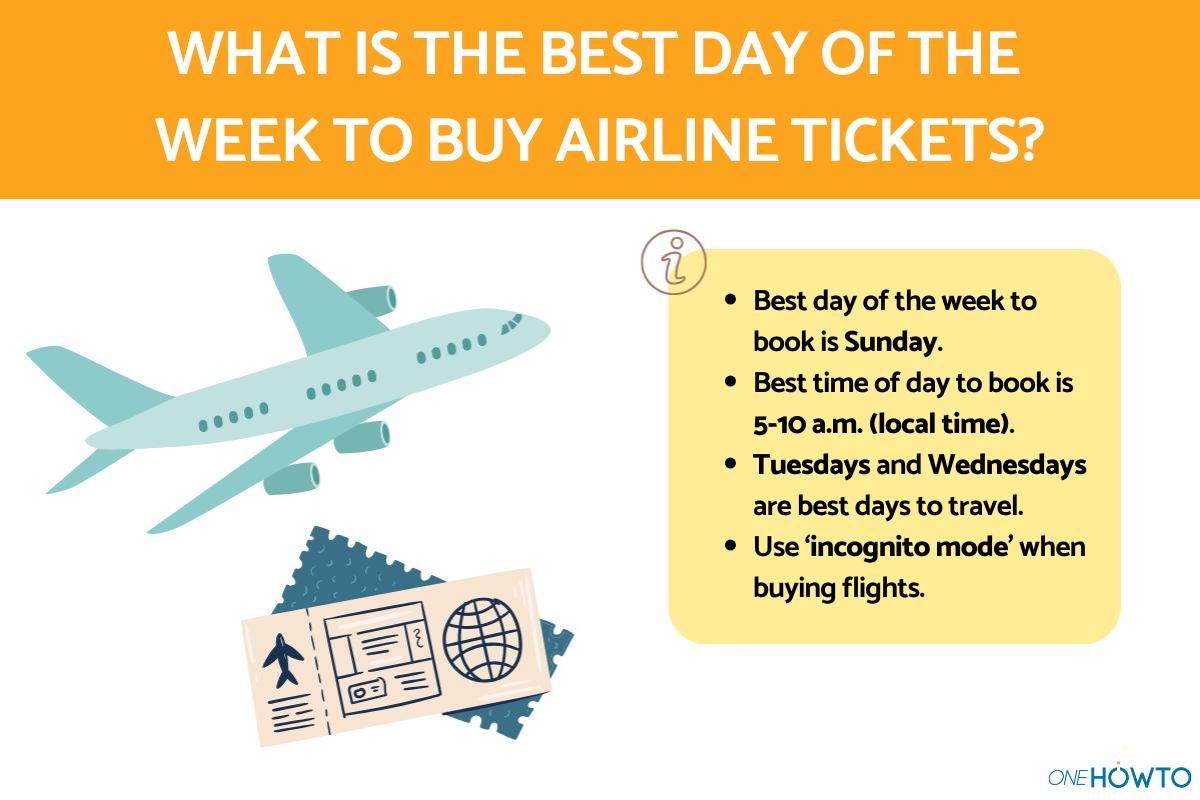
For years, travelers have clung to the belief that certain days of the week – typically Tuesday or Wednesday – offer a secret window to cheaper airfares. This notion often stemmed from historical pricing practices and the timing of fare updates by airlines. However, in today’s highly sophisticated and algorithm-driven market, the concept of a single “best day” for purchasing tickets is largely an oversimplification.
Why Tuesday (and Other Days) Became Popular
The myth of Tuesday being the cheapest day to buy tickets originated in an era when airlines manually updated their fare databases. If an airline released a sale on Monday, competitor airlines would often respond by Tuesday morning, leading to a temporary dip in prices as they matched or undercut each other. Travel agencies and online travel agents (OTAs) would then update their systems, making Tuesday appear to be the sweet spot. Similarly, weekends were often considered more expensive due to higher demand from leisure travelers.
The Reality of Dynamic Pricing
Modern airline pricing is far more complex than a weekly manual update. It operates on a dynamic pricing model, which means fares fluctuate constantly based on a myriad of real-time factors. These algorithms consider:
- Demand: How many people are searching for or booking tickets on a particular route for specific dates.
- Availability: The number of seats remaining on a flight.
- Competitor Pricing: What rival airlines are charging for similar routes.
- Time Until Departure: Generally, prices increase as the departure date approaches.
- Historical Data: Past booking patterns for similar flights and routes.
- Fuel Costs: Though less directly impacting daily price changes, underlying operational costs influence base fares.
This sophisticated system means that a fare can change multiple times within a single day, or even within minutes, rendering the idea of a fixed “best day to purchase” largely obsolete. The critical factor is no longer when airlines update fares, but rather when demand shifts and availability changes.
Key Financial Factors Influencing Ticket Prices
Beyond the mythical “best day,” several concrete financial and market factors exert a significant influence on the price you pay for a plane ticket. Understanding these elements is crucial for a financially savvy approach to travel planning.
Supply and Demand Dynamics
This fundamental economic principle is perhaps the most powerful determinant of airfare. High demand coupled with limited supply inevitably leads to higher prices.
- Seasonality: Travel during peak seasons (summer holidays, Christmas, New Year, spring break) is inherently more expensive due to increased demand. Conversely, the “shoulder seasons” (e.g., late spring/early autumn for many destinations) or off-peak periods often present better value.
- Special Events: Major festivals, sporting events, conferences, or national holidays at a destination will drive up demand and, consequently, ticket prices.
- Route Popularity: Highly popular routes with limited competition tend to be more expensive than less frequented routes or those served by multiple airlines, fostering competitive pricing.
The Advance Purchase Window: The “Golden Zone”
While there’s no magic day, there is often a “golden window” for booking in advance that yields optimal prices. Booking too early (e.g., 10-12 months out) can sometimes mean higher prices because airlines haven’t yet fine-tuned their fare structures, or they initially price for premium early bookers. Booking too late, on the other hand, almost guarantees exorbitant prices as fewer seats remain and demand becomes inelastic for last-minute travelers.
- Domestic Flights: For flights within the same country, the optimal booking window is generally considered to be 1 to 4 months (or 30 to 120 days) before departure.
- International Flights: For overseas travel, this window extends to 2 to 8 months (or 60 to 240 days) in advance. Longer lead times allow for better planning, visa arrangements, and typically lower introductory fares.
Airline Sales, Promotions, and Flash Deals
Airlines frequently offer sales and promotions to stimulate demand or fill seats during off-peak times. These can significantly impact prices. Subscribing to airline newsletters and following their social media channels can alert you to these limited-time offers. Flash sales, though less predictable, can offer substantial discounts and are often a response to lower-than-expected bookings or competitor moves. Staying informed about these financially advantageous opportunities is a key part of smart ticket purchasing.
Smart Financial Strategies for Purchasing Tickets

Since relying on a specific day to buy tickets is largely ineffective, adopting a set of strategic financial behaviors is paramount to securing the best possible airfare.
Flexibility as a Financial Superpower
One of the most potent tools in a traveler’s arsenal for saving money is flexibility.
- Flexible Dates: Being open to flying a day or two earlier or later can yield significant savings. Mid-week flights (Tuesday, Wednesday, Thursday) are often cheaper than weekend travel due to lower business and leisure demand. Early morning or late-night flights also frequently offer better value.
- Flexible Airports: If your destination or origin has multiple airports (e.g., London Heathrow vs. Gatwick vs. Stansted), checking fares to/from all of them can uncover cheaper options. The slight inconvenience of a different airport might be well worth the financial saving.
- Consider Layovers: Direct flights are convenient but often more expensive. Opting for flights with layovers, especially longer ones, can sometimes reduce the fare significantly.
Leverage Price Comparison and Tracking Tools
In the digital age, a wealth of online tools exists to help travelers navigate the complex world of airfare pricing.
- Meta-Search Engines: Websites like Google Flights, Skyscanner, Kayak, and Momondo aggregate prices from numerous airlines and online travel agencies, allowing for easy comparison. Google Flights, in particular, offers features like calendar views showing price fluctuations over a month and price prediction tools.
- Price Alerts: Most meta-search engines and dedicated apps (like Hopper) offer price alert services. You can set up alerts for specific routes and dates, receiving notifications when the price drops or is predicted to rise. This automates the vigilance required to catch optimal buying times.
- Predictive Analytics: Tools like Hopper use vast amounts of historical data to predict whether a fare is likely to go up or down, offering recommendations on whether to “buy now” or “wait.” While not foolproof, these can be valuable financial guidance tools.
The Incognito Mode and VPN Debate
A persistent myth suggests that airlines track your browsing history and increase prices if you repeatedly search for the same flight. The advice to use incognito mode or a VPN (Virtual Private Network) stems from this belief.
- Incognito Mode: While incognito mode prevents your browser from storing cookies and site data, it doesn’t mask your IP address. Airlines and OTAs primarily use cookies to recognize users and potentially tailor offers, not necessarily to dynamically increase prices based on your repeated searches. Its main benefit is ensuring you see the “cleanest” current price without any potential personalization.
- VPN: A VPN changes your apparent geographic location by routing your internet connection through a server in another country. Some travelers report finding cheaper fares by searching from a country with a lower cost of living or one where the airline has specific promotions. While this strategy can occasionally work for very specific routes or airlines, it’s not a universal solution and can sometimes complicate booking or payment. The financial gain from a VPN is often marginal compared to other strategies.
Loyalty Programs and Credit Card Benefits
For frequent flyers, loyalty programs can translate into significant financial advantages.
- Airline Loyalty Programs: Accumulating miles or points can lead to free flights, upgrades, or discounts. Even if you don’t fly one airline exclusively, consolidating points within an airline alliance (e.g., Star Alliance, SkyTeam, Oneworld) can accelerate rewards.
- Travel Credit Cards: Many credit cards offer substantial sign-up bonuses in travel points/miles, accelerated earning rates on travel purchases, and perks like free checked bags, lounge access, or travel insurance. Strategically using these cards can effectively reduce your overall travel costs and offer financial protection.
When to Book: The Optimal Timing for Different Travel Scenarios
While the “best day” is a myth, the “best time window” to book remains a crucial financial consideration, varying based on the nature of your trip.
Domestic Travel
For flights within your own country or region, the optimal booking window is generally 1 to 4 months (30-120 days) prior to departure. This period often offers the best balance between early bird discounts and the upward creep of demand-driven pricing. Prices tend to surge significantly in the last month before departure.
International Travel
International routes, with their higher complexity and longer planning horizons, demand an earlier booking strategy. Aim to purchase international tickets 2 to 8 months (60-240 days) in advance. This extended window allows you to capture initial lower fares before they are adjusted upward as flights start filling up. For highly popular routes or peak seasons, pushing towards the earlier end of this spectrum is advisable.
Holiday and Peak Season Travel
Booking during major holidays (Christmas, New Year, Thanksgiving, Easter) or peak travel seasons requires an even more aggressive, proactive approach. For these periods, it’s often wise to book 6 to 12 months in advance, or as soon as your travel dates are firm. Demand is incredibly high, and prices will only escalate as the dates approach. Any “deals” will be snapped up quickly, making early commitment a financially prudent choice.
Last-Minute Deals: A Risky Bet
While the allure of a last-minute bargain is strong, relying on them is a financially risky strategy. Airlines rarely drop prices for undersold flights just before departure. Instead, last-minute fares are usually the highest, catering to business travelers or those with urgent, inflexible needs. Very occasionally, a specific route might have a rare “distressed inventory” sale, but these are exceptions rather than the rule. For budget-conscious travelers, consistent early booking is a far more reliable financial strategy than hoping for a last-minute miracle.

Conclusion
The pursuit of the “best day to purchase plane tickets” is a relic of a bygone era in airline pricing. In today’s hyper-dynamic market, the focus must shift from a singular “magic day” to a comprehensive financial strategy encompassing flexibility, informed timing, and leveraging modern price tracking tools. By understanding the true drivers of airline costs – demand, supply, booking windows, and strategic airline initiatives – travelers can make fiscally responsible choices. Prioritizing early booking, especially for international and peak-season travel, maintaining flexibility with dates and airports, and diligently utilizing price alerts are the true hallmarks of a financially astute traveler, ensuring that you optimize your budget and embark on your journeys without breaking the bank.
aViewFromTheCave is a participant in the Amazon Services LLC Associates Program, an affiliate advertising program designed to provide a means for sites to earn advertising fees by advertising and linking to Amazon.com. Amazon, the Amazon logo, AmazonSupply, and the AmazonSupply logo are trademarks of Amazon.com, Inc. or its affiliates. As an Amazon Associate we earn affiliate commissions from qualifying purchases.