
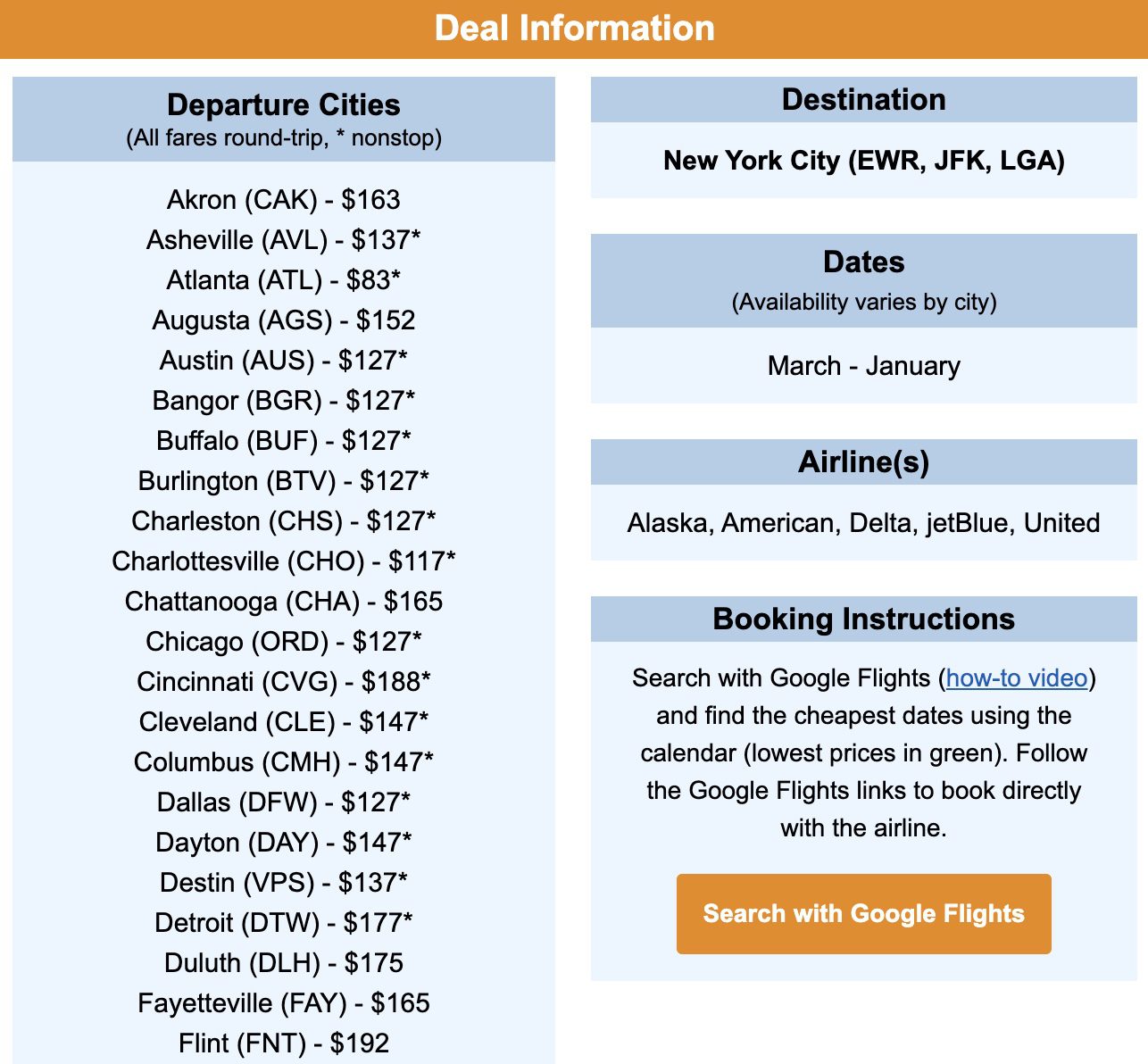
New York City, the concrete jungle where dreams are made of, is a perennial magnet for tourists, business travelers, and those simply seeking a taste of its unparalleled vibrancy. Whether it’s the bright lights of Times Square, the historical significance of the Statue of Liberty, the cultural treasures of its museums, or the bustling financial districts, the allure is undeniable. However, before you can wander through Central Park or gaze up at the Empire State Building, there’s a fundamental financial hurdle to clear: the cost of getting there. The question “how much is a flight to New York?” is far from straightforward; it’s a dynamic inquiry influenced by a myriad of economic factors, booking strategies, and personal preferences. Understanding these variables is key to not only securing a ticket but doing so in a financially intelligent manner. This article delves into the intricate financial landscape of air travel to New York, equipping you with the insights needed to budget effectively and make informed decisions.
Understanding the Core Variables of Flight Pricing
The price you pay for a flight to New York isn’t arbitrary; it’s the culmination of complex algorithms, market forces, and operational costs. Deconstructing these core variables is the first step towards demystifying airfare.
Demand and Supply Dynamics
At its heart, airline pricing is a classic example of demand and supply economics. When demand is high, prices soar. This is most evident during peak travel seasons like holidays (Thanksgiving, Christmas, New Year’s), summer months, and major events (e.g., Fashion Week, marathons, large conventions). Conversely, flying during the off-peak season—typically January, February, and parts of September and October (excluding holidays)—can yield significantly lower fares as airlines compete to fill seats. Even within a week, flying mid-week (Tuesday, Wednesday) is often cheaper than flying on weekends due to lower business travel demand.
Booking Window Strategy
There’s an often-debated “sweet spot” for booking flights. While it varies, common wisdom suggests that booking too early (e.g., 6-12 months out) can mean paying a premium because airlines haven’t yet fine-tuned their pricing based on projected demand. Booking too late (within a few weeks of departure) almost guarantees higher prices as seats become scarcer and airlines capitalize on last-minute necessity. For domestic flights to New York, the general consensus points to 1-3 months out as the optimal window, while international flights might require 3-6 months. However, this is not a hard-and-fast rule, and continuous monitoring is advised.
Airline Business Models
Not all airlines are created equal, and neither are their pricing structures. Full-service carriers (e.g., American, Delta, United) typically include amenities like checked baggage, in-flight meals, and seat selection in their base fare, offering a more comfortable but often pricier experience. Budget airlines (e.g., Spirit, Frontier, JetBlue’s basic economy), on the other hand, unbundle everything. Their advertised fares might be incredibly low, but by the time you add baggage, seat selection, and any other “extras,” the final cost can sometimes rival that of a full-service carrier. Understanding these models is crucial for comparing “apples to apples” when evaluating ticket prices against your personal travel needs and budget.
Origin City & Route Popularity
Where you’re flying from significantly impacts the cost. Major hubs with high competition and frequent flights (e.g., Los Angeles, Chicago, Miami, London, Paris) often have more competitive pricing due to the sheer volume of routes and airlines vying for passengers. Conversely, flying from smaller regional airports or routes with limited direct flights can be disproportionately expensive, as airlines face less competition and thus have more pricing power. The popularity of a specific route to New York also plays a role; routes with consistently high demand will naturally command higher prices, especially for non-stop options.
Unveiling Hidden Costs and Potential Savings
The sticker price of a flight ticket is rarely the final expenditure. Astute financial planning for travel to New York requires an awareness of these additional costs and, more importantly, strategies to mitigate them.
Baggage Fees and Seat Selection
As mentioned, budget airlines are notorious for unbundling services. Checked bags, carry-on bags (beyond a small personal item), and even selecting a seat can incur substantial fees. These can add tens or even hundreds of dollars to your trip, transforming a seemingly cheap flight into a costly endeavor. Always factor these potential fees into your budget when comparing airlines. Savvy travelers often aim to travel light with just a personal item or share a checked bag among companions to reduce these ancillary costs.
In-flight Services and Extras
While less prevalent on shorter domestic flights, long-haul international flights to New York might offer paid Wi-Fi, premium entertainment, or special meals. For those prioritizing a strict budget, packing your own snacks, downloading movies beforehand, and foregoing Wi-Fi can lead to small but cumulative savings. For travelers on tighter budgets, these “nice-to-haves” are easy sacrifices.
Airport Transfers and Accommodation
The cost of getting to New York isn’t just the flight itself. Once you land at JFK, LaGuardia, or Newark, you’ll need to factor in transportation to your accommodation. Taxis, ride-shares, shuttles, and public transport (subway, LIRR, NJ Transit) all have varying price points. Similarly, accommodation costs within New York City can dwarf flight expenses, especially in Manhattan. Comprehensive financial planning for your New York trip must encompass these ground costs, not just the airfare. Researching public transport options in advance can lead to significant savings compared to private car services.
The Power of Flexibility
Flexibility is arguably the most potent financial tool in a traveler’s arsenal. Being open to slightly different departure or arrival dates (even by a day or two), flying into a less convenient but cheaper airport (e.g., Newark instead of JFK for parts of Manhattan), or opting for a connecting flight instead of a direct one can unlock substantial savings. Flight search engines often show “flexible date” calendars that highlight the cheapest days to fly within a given month, providing immediate visual cues for budget-conscious adjustments.
Leveraging Financial Tools and Strategies for Optimal Fares

In the digital age, a plethora of tools and strategies are available to help consumers navigate the volatile world of flight pricing and secure the best deals.
Flight Comparison Websites and Aggregators
Websites like Google Flights, Skyscanner, Kayak, Expedia, and Priceline are invaluable resources. They aggregate data from hundreds of airlines and online travel agencies, allowing you to compare prices across different providers with ease. Many offer features to track prices, explore flexible dates, and even suggest alternative airports. Remember to check multiple sites, as sometimes one might have an exclusive deal or a slightly different inventory. Always consider checking the airline’s direct website too, as they occasionally offer better prices or benefits.
Price Alerts and Tracking
Most major flight comparison sites offer a price alert feature. By setting up an alert for your desired route and dates, you’ll receive email notifications when the price drops or changes. This passive monitoring allows you to “set it and forget it” until a favorable price appears, preventing the need for constant manual checking and helping you pounce on deals. Some tools even predict price fluctuations, offering a data-driven insight into whether to book now or wait.
Loyalty Programs and Credit Card Benefits
For frequent flyers, loyalty programs (airline mileage programs) and travel-focused credit cards can significantly reduce travel costs over time. Earning miles or points through flights, credit card spending, or partner promotions can lead to free flights, upgrades, or discounts. Many travel credit cards also offer sign-up bonuses equivalent to several free domestic flights, annual travel credits, or benefits like free checked bags, offsetting some of those hidden fees. Diligent use of these financial instruments can turn travel into a compounding investment in experiences.
Budgeting for Your New York Trip
Beyond just the flight, a holistic financial plan for your New York trip is essential. This includes allocating funds for accommodation, food, transportation within the city, activities, and a contingency fund for unexpected expenses. Understanding the full scope of your potential spending allows you to adjust elements, like the flight cost, to fit your overall budget. Using budgeting apps or spreadsheets can provide a clear overview of your financial commitments and help prioritize spending.
Case Study: Sample Flight Scenarios to New York (Illustrative Examples)
Let’s put these concepts into practice with hypothetical scenarios for a round-trip flight to New York from a major US city, assuming a non-peak travel period (e.g., mid-February, mid-week).
The Budget Traveler (e.g., Boston to NYC)
A traveler from Boston looking for the absolute cheapest option might find flights for as low as $50-$100 round-trip on a budget airline like Spirit or Frontier. This price typically assumes no checked bags, no seat selection, and potentially inconvenient flight times. They might opt for a bus or train which can be even cheaper. The focus here is solely on minimizing the airfare, with all other costs pared down.
The Mid-Range Explorer (e.g., Chicago to NYC)
A traveler from Chicago seeking a balance of cost and convenience might look for fares between $150-$250 round-trip on a full-service carrier like American or Delta, perhaps with one checked bag included (depending on their loyalty status or credit card). They might be willing to take a connecting flight if it offers a significant saving (e.g., $50-$100) or fly into a slightly less central airport like Newark (EWR) if it’s more cost-effective than JFK or LaGuardia.
The Premium Experience (e.g., San Francisco to NYC)
For a traveler from San Francisco prioritizing comfort and flexibility, business or first-class fares could range from $600 to upwards of $2000+. Even in economy, a direct flight on a premium carrier with preferred seat selection and included amenities might be $300-$500+. This traveler is willing to pay a premium for convenience, better service, and direct flights, valuing time and comfort over strict cost minimization.
These examples illustrate that “how much is a flight to New York” has no single answer, but rather a spectrum of possibilities determined by individual financial goals and travel priorities.
The Financial Wisdom of Smart Flight Booking
Ultimately, booking a flight to New York is more than just a transaction; it’s a financial decision that impacts your overall travel budget and experience. Approaching it with a strategic, informed mindset can lead to significant savings and a more enjoyable trip.
Long-Term Savings Through Strategic Planning
By consistently applying these financial strategies—being flexible, utilizing comparison tools, leveraging loyalty programs, and understanding airline business models—travelers can cultivate a habit of smart booking. This isn’t just about saving money on one trip; it’s about building long-term financial wisdom that makes travel more accessible and sustainable over time. Each dollar saved on airfare can be reallocated to experiences in New York, better accommodation, or even saved for future adventures.
Avoiding Common Pitfalls
The biggest pitfall is often booking blindly, without research or consideration for the variables discussed. Overpaying for last-minute flights, incurring unexpected baggage fees, or missing out on loyalty points are common mistakes that erode a travel budget. Awareness and proactive planning are your best defenses against these financial traps.

Empowering Your Travel Budget
Understanding the financial nuances of air travel empowers you. It shifts the dynamic from passively accepting whatever price appears to actively seeking out value. With the right knowledge and tools, the answer to “how much is a flight to New York?” becomes not just a number, but a testament to your ability to master your personal finance for the sake of unforgettable experiences. So, start planning, start tracking, and prepare to embark on your New York adventure, knowing you’ve made financially sound choices along the way.
aViewFromTheCave is a participant in the Amazon Services LLC Associates Program, an affiliate advertising program designed to provide a means for sites to earn advertising fees by advertising and linking to Amazon.com. Amazon, the Amazon logo, AmazonSupply, and the AmazonSupply logo are trademarks of Amazon.com, Inc. or its affiliates. As an Amazon Associate we earn affiliate commissions from qualifying purchases.