
For the modern traveler, the allure of distant lands or the necessity of professional journeys often comes with a significant financial consideration: the cost of flights. It’s a common dilemma – book too early, and you might miss out on a future price drop; wait too long, and you risk exorbitant fares. Deciphering the optimal time to purchase airfare isn’t merely about convenience; it’s a critical component of personal finance, impacting budgets, travel feasibility, and overall financial well-being. This article delves into the financial science behind flight pricing, offering strategic insights and tools to help you navigate the complex world of airline fares, ensuring you secure the best possible value for your travel investment.

Understanding the Dynamics of Flight Pricing: A Financial Perspective
At its core, flight pricing is a sophisticated interplay of economic principles, technological algorithms, and market psychology. Airlines are in the business of maximizing revenue, and their pricing models are engineered to achieve this through dynamic adjustments that respond in real-time to a myriad of factors. To effectively strategize your flight booking, it’s imperative to grasp these underlying financial mechanics.
The Algorithmic Game: Supply, Demand, and Dynamic Pricing
Airlines employ highly advanced revenue management systems that utilize complex algorithms to set and continually adjust ticket prices. These algorithms consider a vast array of data points: historical booking patterns for specific routes, competitor pricing, seat availability, anticipated demand for various fare classes, fuel costs, and even external events like holidays or major conferences. This is known as dynamic pricing, a financial strategy designed to sell the right seat to the right customer at the right price, at the right time. When demand is high and supply is limited, prices surge. Conversely, during periods of lower demand or excess capacity, prices tend to drop. Your goal as a savvy traveler is to position yourself to exploit these fluctuations.
Fuel Costs, Competition, and Operational Overheads
Beyond the immediate supply-demand equation, a significant portion of a flight ticket’s price is dictated by the airline’s operational costs. Fuel is a major variable, and fluctuations in global oil prices can directly impact airfares. Airport landing fees, maintenance, crew salaries, administrative costs, and regulatory compliance all contribute to the base fare. Moreover, competition on a particular route plays a crucial role. If multiple airlines operate flights between two destinations, the competitive pressure often leads to more aggressive pricing strategies, potentially benefiting consumers. On routes with limited competition, airlines have greater pricing power, which can translate into higher fares. Understanding these cost drivers helps you appreciate the airline’s financial imperative and why prices can seem arbitrary.
The Illusion of “Last-Minute Deals” vs. Early Bird Savings
A common misconception is that waiting until the last minute can yield significant discounts. While extremely rare exceptions exist, particularly for distressed inventory on certain routes, this is generally a financially perilous strategy. As departure dates approach, airlines typically raise prices for the remaining seats, especially in desirable fare classes. This is because they cater to business travelers or those with urgent needs, who are often less price-sensitive and willing to pay a premium for convenience. The true “early bird” advantage, when observed correctly, usually offers the best financial savings, allowing airlines to secure early revenue and fill a baseline of seats before dynamic pricing fully takes hold closer to departure.
Identifying the Optimal Booking Window for Domestic and International Travel
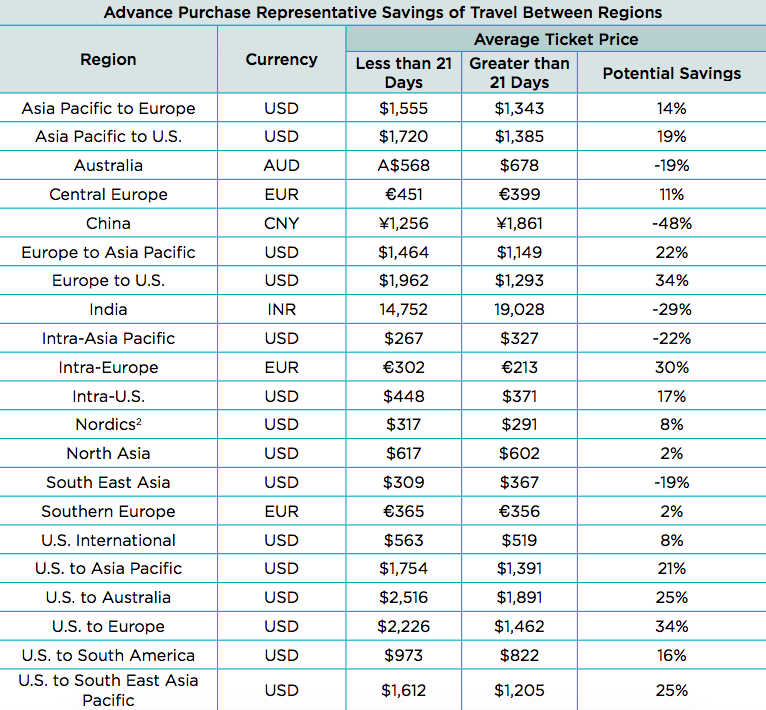
While there’s no single, universally guaranteed “cheapest day” or “cheapest time” to book, extensive data analysis across countless routes and airlines has revealed general optimal booking windows that can serve as a strong financial guide. These windows are primarily influenced by the length of the journey and the lead time required for airlines to gauge demand and adjust pricing.
The Domestic “Sweet Spot”: Averages and Variances
For domestic flights, data consistently suggests that the “sweet spot” for booking often falls between 1 to 3 months (approximately 28 to 100 days) before departure. Within this window, airlines are typically balancing the need to fill seats with the desire to maximize revenue. Prices tend to stabilize, and you’re likely to find a good range of options without the last-minute premium or the potential for significant early booking price drops.
However, this is an average, and variances exist:
- Short-haul vs. Long-haul Domestic: Shorter domestic flights might see their sweet spot closer to the 1-month mark, while longer cross-country flights might benefit from booking closer to 2-3 months out.
- Regional Differences: Highly competitive routes in dense travel corridors might offer more flexibility, while flights to less popular or remote destinations might require booking closer to the earlier end of the window.
International Journeys: The Longer Lead Time Advantage
Booking international flights generally requires a more extended lead time due to several factors: higher demand for specific routes, complex logistics, and the need for airlines to secure a significant portion of their capacity further in advance. The optimal booking window for international travel typically ranges from 3 to 8 months (approximately 90 to 240 days) before departure.
Within this longer window:
- Peak International Travel: For popular destinations or during peak travel seasons (e.g., summer in Europe, winter holidays), pushing towards the 6-8 month mark can yield substantial savings.
- Off-Peak Travel: If your international travel is during the shoulder season or off-peak, you might have a bit more flexibility, potentially finding good deals closer to the 3-4 month mark.
- Long-Haul vs. Medium-Haul: Ultra long-haul flights (e.g., across continents) often benefit most from booking at the earlier end of this spectrum, giving you access to better fares before they are snapped up.
When to Break the Rules: Peak Seasons, Holidays, and Special Events

The general “sweet spots” are based on average demand. However, certain periods and events significantly skew the pricing dynamics, requiring a departure from the standard advice.
- Major Holidays: Thanksgiving, Christmas, New Year’s, Easter, and major national holidays see universal surges in demand. For these periods, it is almost always financially prudent to book as early as possible – ideally 6 to 12 months out for international, and 3 to 6 months out for domestic. Waiting is a gamble that rarely pays off, leading to substantially higher fares.
- Peak Travel Seasons: Summer breaks, spring break, and other popular vacation periods for specific destinations (e.g., ski season, tropical resort seasons) also warrant earlier booking. Aim for 4-6 months out for peak domestic, and 6-9 months for peak international.
- Special Events: If you’re traveling for a major concert, sports event (Olympics, World Cup), conference, or festival, demand will be hyper-localized and intense. Book flights and accommodation simultaneously, as soon as your dates are confirmed, often 6 to 12+ months in advance.
Strategies for Financial Optimization Beyond the “Sweet Spot”
While understanding the booking window is crucial, securing the best flight deal involves a broader financial strategy that incorporates flexibility, smart tools, and a keen eye for value.
Leveraging Price Prediction Tools and Alerts
Modern financial technology offers powerful tools that can help you monitor and predict flight prices, taking some guesswork out of the equation.
- Flight Comparison Websites: Sites like Google Flights, Skyscanner, Kayak, and Expedia allow you to compare prices across multiple airlines and online travel agencies (OTAs). These are essential for initial research.
- Price Alert Features: Most comparison sites offer the ability to set up price alerts. You enter your desired route and dates, and the system notifies you via email when the price drops or significantly changes. This is a passive yet effective way to track fares and jump on a deal when it hits your budget.
- Price Prediction Tools: Some platforms, like Google Flights, offer insights into whether current prices are high, low, or typical, and may even suggest if prices are likely to increase or decrease, providing valuable forward-looking financial guidance.
The Flexibility Factor: Mid-Week Travel and Alternative Airports
Flexibility is a powerful currency in the world of flight booking.
- Travel Dates: Flying on Tuesdays, Wednesdays, and Saturdays is often financially cheaper than flying on peak days like Fridays or Sundays. Adjusting your departure or return by even a day or two can lead to significant savings. Early morning flights or late-night flights can also sometimes be more economical due to lower demand.
- Departure/Arrival Airports: Don’t limit your search to just the primary airport in a metropolitan area. Exploring alternative, smaller airports within a reasonable driving distance can sometimes unlock substantially cheaper fares, particularly for budget airlines. Always factor in the cost and time of ground transportation when evaluating these options.
Budget Airlines vs. Full-Service Carriers: A Cost-Benefit Analysis
The rise of budget airlines has democratized air travel but requires a careful financial calculation. While their base fares are often significantly lower, they typically charge extra for everything from checked bags and carry-on luggage to seat selection, in-flight meals, and even printing your boarding pass at the airport.
- Financial Scrutiny: Always add up all potential ancillary fees when comparing a budget airline’s fare to a full-service carrier’s fare. A seemingly cheap budget ticket can quickly become more expensive if you require several add-ons.
- Travel Style: If you’re a minimalist packer, don’t need in-flight entertainment, and prioritize saving money above all else, budget airlines can be a fantastic financial choice. For those who value comfort, amenities, and fewer hidden costs, a full-service carrier might offer better overall value.
The Art of Multi-City Bookings and Stopovers
Sometimes, the most direct route isn’t the most economical.
- Multi-City Flights: Instead of booking a round-trip ticket, consider booking a multi-city itinerary (e.g., flying from A to B, then B to C, then C back to A). This can sometimes be cheaper than two separate round trips, especially if you’re exploring multiple destinations.
- Strategic Stopovers: For long-haul international flights, a layover or stopover in a hub city can significantly reduce the ticket price compared to a direct flight. While it adds travel time, the financial savings can be substantial. Some airlines even offer “free stopovers” in their hub cities, allowing you to explore an additional destination at no extra airfare cost.
Mitigating Financial Risks: Cancellations, Changes, and Travel Insurance
Even with the best booking strategy, unforeseen circumstances can disrupt travel plans. Protecting your financial investment in flights is as important as securing a good deal.
Understanding Airline Change Fees and Refund Policies
Before clicking “book,” meticulously review the airline’s change and cancellation policies. Many non-refundable economy tickets come with hefty change fees, sometimes exceeding the cost of a new ticket.
- Flexibility vs. Cost: Some airlines offer “flexible fare” options that allow changes or cancellations without a fee, albeit at a higher initial price. Weigh the financial benefit of a cheaper non-refundable ticket against the potential cost of unforeseen changes.
- Pandemic-Era Changes: While many airlines relaxed change fees during the pandemic, these policies are evolving. Always check the current terms specific to your chosen fare class and airline.
- Credit Card Protections: Certain premium credit cards offer built-in trip delay or cancellation insurance. This is a valuable financial perk often overlooked.
The Value Proposition of Travel Insurance: Protecting Your Investment
For significant travel investments, particularly international trips, travel insurance can be a wise financial safeguard.
- Coverage Options: Policies can cover trip cancellation/interruption, emergency medical expenses, lost luggage, and more. Understand what’s covered and what’s excluded.
- Cost vs. Risk: Evaluate the cost of the insurance against the potential financial loss if your trip is derailed. For a multi-thousand-dollar international journey, a few hundred dollars for comprehensive insurance can provide immense peace of mind.
- “Cancel for Any Reason” (CFAR) Policies: While more expensive, CFAR policies offer the ultimate flexibility, allowing you to cancel your trip for virtually any reason and recoup a percentage (typically 50-75%) of your non-refundable costs. This is a powerful financial tool for those with highly unpredictable schedules or concerns.
Credit Card Travel Protections: An Often-Overlooked Benefit
Many premium travel credit cards offer a suite of travel insurance benefits that can duplicate or even exceed basic travel insurance policies.
- Automatic Coverage: By simply paying for your flight with the card, you might automatically receive coverage for trip delays, cancellations, baggage loss, and even rental car insurance.
- Financial Savings: Leveraging these existing benefits means you might not need to purchase a separate travel insurance policy, saving you money.
- Read the Fine Print: Always review your specific credit card’s guide to benefits to understand the coverage limits, eligibility requirements, and claims process. This ensures you’re fully aware of the financial safety net you possess.
In conclusion, navigating the question of “how far out to book flights” is a journey through personal finance strategy. By understanding the economic forces at play, leveraging optimal booking windows, employing smart financial tools, embracing flexibility, and protecting your investment with insurance and credit card benefits, you can transform the often-stressful task of flight booking into an empowering exercise in financial savvy. With careful planning and a strategic approach, your travel dreams can become a reality without breaking the bank.
aViewFromTheCave is a participant in the Amazon Services LLC Associates Program, an affiliate advertising program designed to provide a means for sites to earn advertising fees by advertising and linking to Amazon.com. Amazon, the Amazon logo, AmazonSupply, and the AmazonSupply logo are trademarks of Amazon.com, Inc. or its affiliates. As an Amazon Associate we earn affiliate commissions from qualifying purchases.