
The allure of global exploration is undeniable, but often, the perceived high cost of airfare can clip the wings of even the most adventurous spirits. For many, the dream of visiting distant lands or reuniting with loved ones hinges on one crucial factor: finding affordable flight tickets. This isn’t merely about getting lucky; it’s about mastering a strategic approach to financial planning and smart purchasing in the travel sector. In an era where travel budgets are often tight, understanding the mechanisms behind airline pricing and deploying effective money-saving tactics is paramount. This guide aims to demystify the process, offering actionable financial strategies and insights that empower you to secure the best possible deals, transforming travel aspirations into tangible realities without breaking the bank.
Mastering the Art of Flight Search: Strategic Tools and Timing
The journey to cheap flights begins with an intelligent and systematic approach to searching. The market is dynamic, with prices fluctuating based on demand, seasonality, and even the time of day you search. Becoming adept at using the right tools at the right moments is your first line of defense against overpriced tickets.
Leveraging Flight Comparison Websites
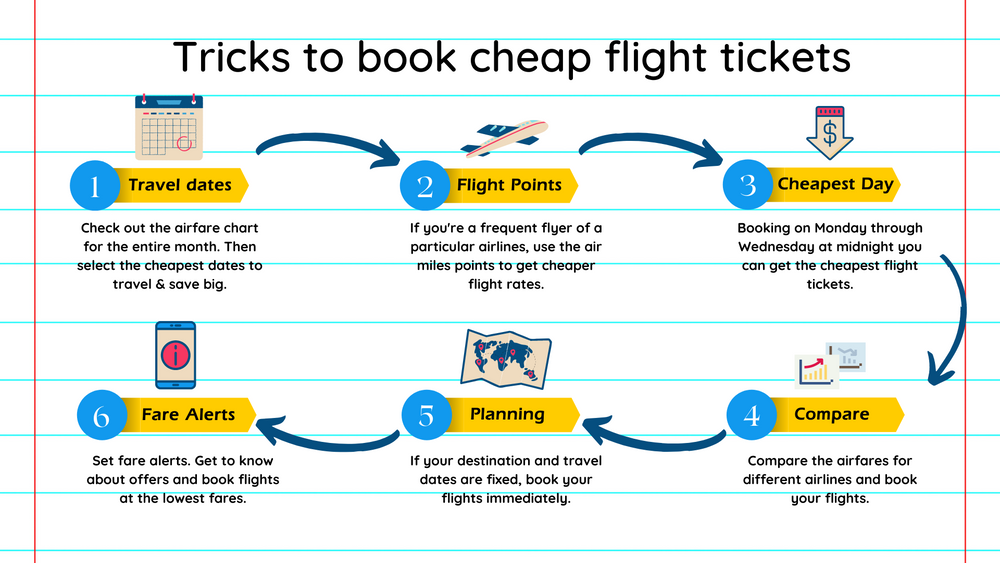
Flight comparison websites are your primary financial aggregators in the travel market, acting as indispensable tools for identifying the most cost-effective routes. Platforms like Skyscanner, Google Flights, Kayak, Momondo, and Expedia scour thousands of airline and online travel agency (OTA) deals, presenting them in an easily digestible format. Their value extends beyond mere comparison; many offer features critical for budget travelers. Price alerts, for instance, notify you when fares drop for a specific route, allowing you to “buy low.” Flexible date searches help pinpoint the cheapest days to fly within a given month or even across an entire year, effectively turning your travel calendar into a financial asset. Moreover, options like Google Flights’ “Explore” feature or Skyscanner’s “Everywhere” search allow you to identify the cheapest destinations from your departure point, opening up possibilities you might not have considered, purely based on financial viability. Remember, it’s often wise to cross-reference prices across 2-3 different aggregators, as their data sources and commission structures can sometimes lead to slight price discrepancies.
The Power of Incognito Mode and VPNs
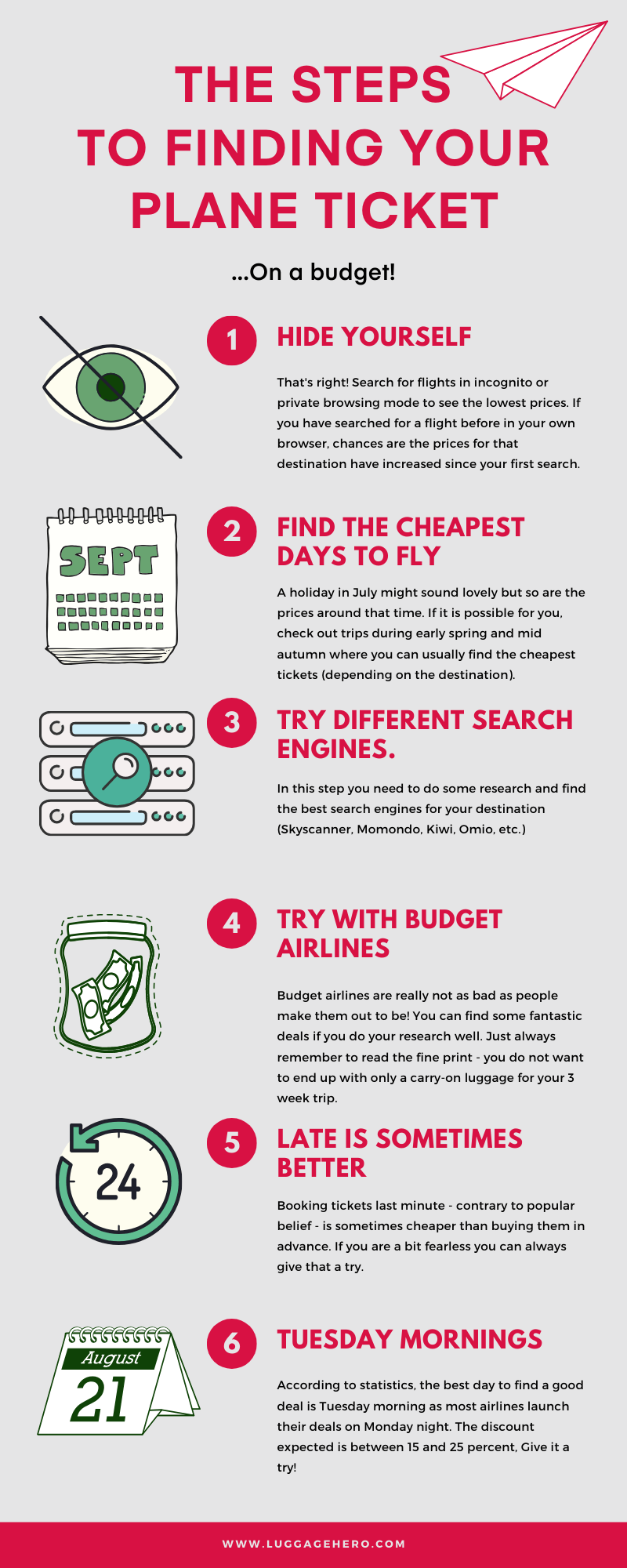
Airline and OTA websites often employ sophisticated dynamic pricing algorithms. These systems can track your browsing behavior through cookies, potentially leading to increased prices if they detect repeated searches for the same route. To counteract this, using your browser’s incognito or private browsing mode is a simple yet effective financial precaution. This prevents websites from storing cookies that might signal your high interest in a particular flight, potentially saving you from artificially inflated prices. Furthermore, some airlines vary prices based on the user’s geographic location or IP address, a practice that can result in significant price differences for the same flight. While more advanced, using a Virtual Private Network (VPN) allows you to mask your true location and test prices from different countries. For instance, a flight originating in Europe but booked through a U.S. IP address might be more expensive than if booked through an IP address in the country of origin. This strategy taps into global pricing disparities, offering another layer of financial arbitrage for the astute traveler.
Optimal Booking Windows and Days
Timing is a critical financial factor in flight booking. Contrary to popular belief, last-minute deals are rare and often lead to significantly higher costs, especially for popular routes. The “sweet spot” for booking typically falls between 2 to 8 months in advance for international flights, and 1 to 3 months for domestic travel. During these windows, airlines are calibrating demand and supply, offering more competitive rates before demand solidifies. Equally important are the specific days you choose to fly and book. Mid-week departures, particularly Tuesdays, Wednesdays, and Thursdays, are generally cheaper than weekend flights due to lower business and leisure travel demand. Similarly, booking your flight on a Tuesday afternoon is often cited as the prime time, as airlines tend to release new sales or match competitors’ prices after analyzing weekend booking data. Understanding these demand-driven price cycles allows you to make financially informed decisions, timing your purchase for when prices are naturally lower.
Beyond Direct Booking: Exploring Alternative Money-Saving Avenues
While direct flights offer convenience, they often come at a premium. Savvy travelers understand that flexibility and a willingness to explore less conventional routes can unlock substantial financial savings. This involves a strategic re-evaluation of your travel parameters beyond just the destination.
Embracing Flexibility: Dates, Airports, and Destinations
Flexibility is perhaps the most powerful financial lever you can pull when searching for cheap flights. If your travel dates are not rigidly fixed, exploring shoulder seasons (the periods just before or after peak season) can yield dramatically lower fares, as demand is lower but the weather is often still pleasant. Flying on weekdays, particularly Tuesday through Thursday, almost invariably offers better value than weekend travel, when business and leisure demand spikes. Furthermore, consider expanding your airport search. Larger, primary airports often have higher fees and taxes that are passed on to the consumer. Investigating smaller, regional airports near your desired destination or departure point can sometimes unearth cheaper flights, even after factoring in ground transportation costs to your final destination. Finally, if your primary goal is to travel and experience something new, but you’re open about where, tools like Skyscanner’s “Everywhere” feature allow you to search for the cheapest places to fly to from your current location, turning financial practicality into an exciting discovery.
The Strategic Use of Budget Airlines
Budget airlines have revolutionized air travel by unbundling services and offering extremely low base fares. Carriers like Ryanair, EasyJet, Spirit Airlines, and Frontier Airlines specialize in point-to-point travel with minimal frills. For the financially conscious traveler, these airlines can present significant savings. However, it’s crucial to understand their business model. Their low base fares are often complemented by a myriad of ancillary fees for services that are standard on full-service carriers: checked baggage, carry-on bags (beyond a small personal item), seat selection, in-flight meals, priority boarding, and even printing your boarding pass at the airport. The key to successful budget airline travel is to calculate the true total cost of your trip. If you can travel light, forgo seat selection, and bring your own snacks, budget airlines can be incredibly economical. However, if your needs require many of these add-ons, a full-service carrier’s bundled fare might end up being more financially advantageous. Always compare the all-in price before committing.
Considering Layovers and Connecting Flights
Direct flights are undoubtedly the most convenient, but that convenience often carries a premium price. Opting for flights with one or more layovers can frequently lead to significant cost reductions. Airlines price direct routes higher due to their desirability and demand for efficiency. A connecting flight, especially one with a longer layover or involving a less popular connection hub, can act as a financial buffer. The trade-off is time and potential inconvenience, but for budget-conscious travelers, the monetary savings can be substantial enough to warrant the extra travel time. When considering connecting flights, ensure you have sufficient layover time to comfortably make your connection, especially if transferring between terminals or airlines. This strategy is a direct application of valuing time versus money, where the financial gain outweighs the minor temporal sacrifice.
Leveraging Financial Tools and Programs for Deeper Discounts
Beyond strategic searching, several financial instruments and loyalty programs offer powerful avenues for reducing flight costs, transforming everyday spending or specific travel choices into future flight savings.
Credit Card Travel Rewards and Sign-up Bonuses
Travel-focused credit cards are powerful financial tools for accruing points or miles that can be redeemed for flights. Many offer generous sign-up bonuses, often enough for a round-trip domestic flight or a significant discount on international travel, simply for meeting a minimum spending requirement within the first few months. These cards often come with additional travel perks like free checked bags, lounge access, travel insurance, and statement credits for travel expenses, all of which contribute to the overall financial value of your trip. When choosing a card, consider your spending habits, the annual fee, and the redemption value of the points. A strategic approach involves using these cards for your regular expenses to maximize point accumulation, always paying off the balance in full to avoid interest charges that would negate any travel savings. Responsible credit card use can effectively turn your everyday expenditures into a pathway to discounted or even free flights.
Airline Loyalty Programs and Frequent Flyer Miles
Joining airline loyalty programs is a no-brainer, even if you don’t consider yourself a “frequent” flyer. These programs, which are free to join, allow you to earn miles or points for every flight you take with that airline or its alliance partners. While it may take time to accumulate enough for a free flight, these miles can also be used for upgrades, discounted fares, or even in conjunction with cash payments to reduce the overall ticket cost. Major airline alliances like Star Alliance, SkyTeam, and Oneworld enable you to earn and redeem miles across a vast network of partner airlines, significantly broadening your earning potential. Furthermore, many airlines offer co-branded credit cards that accelerate mile earning, providing bonus miles for purchases made with that airline or within specific categories. Regularly tracking your miles and understanding their redemption value can turn seemingly small gains into substantial financial advantages over time.
Package Deals and Bundling Services
While this article primarily focuses on flight tickets, a holistic approach to travel finances often reveals that bundling services can lead to significant overall savings. Many online travel agencies and even airlines offer package deals that combine flights with hotels, car rentals, or even activities. The financial logic here is that providers offer discounts when you purchase multiple services from them, effectively passing on bulk savings to the consumer. Before booking individual components, always check the price of a bundled package. Sometimes, a flight and hotel package can be cheaper than booking the flight alone, with the hotel essentially coming at a heavily discounted rate. However, diligence is key: always compare the package price against the cost of booking each component separately to ensure you are indeed getting a deal. This strategy requires a comprehensive financial evaluation of your travel needs but can often result in substantial budgetary relief.
Avoiding Common Pitfalls and Maximizing Value
To truly master the art of finding cheap flight tickets, one must also be aware of common financial traps and employ strategies to maximize the value received for every dollar spent.
Understanding Ancillary Fees
One of the most significant financial pitfalls in air travel lies in ancillary fees. What initially appears to be a cheap base fare can quickly escalate once various add-ons are included. Baggage fees (both checked and increasingly for larger carry-ons), seat selection charges, priority boarding costs, in-flight meal purchases, and even specific booking fees can add a considerable sum to your total outlay. Budget airlines are notorious for these, but even full-service carriers charge for many extras. To avoid unpleasant surprises, read the fine print before booking. Budget for these potential costs and seek ways to minimize them: pack light to avoid checked bag fees, consider bringing your own snacks and water for the flight, and evaluate whether a specific seat selection is truly worth the added expense. Being financially prepared for and strategically navigating these fees is crucial for maintaining a truly cheap flight budget.
The Risk of Last-Minute Bookings vs. Price Drops
The myth of the last-minute deal persists, often leading travelers to procrastinate booking in hopes of a sudden price drop. For popular routes, this is rarely a financially sound strategy. Airlines typically increase prices significantly in the weeks leading up to departure as business travelers, who are less price-sensitive, book their tickets. While extremely rare “error fares” or last-minute distress sales can occur, they are anomalies and not a reliable strategy. Instead, focus on booking within the optimal window. For managing the risk of price drops after booking, some booking sites or credit cards offer price drop protection. If the fare drops after you’ve purchased, they might refund the difference. This provides a safeguard, ensuring you benefit from any unexpected post-purchase price reductions without gambling on last-minute availability.
Subscribing to Deal Alerts and Newsletters
Staying informed about flash sales, error fares, and limited-time promotions is a passive yet highly effective financial strategy. Subscribing to newsletters from flight deal aggregators like Scott’s Cheap Flights, FareDrop, or simply your preferred airlines can notify you of exceptional deals as soon as they emerge. These services act as a vigilant financial watch, alerting you to opportunities that often last only a few hours or days. Many of these deals target specific routes or dates, but if you have flexibility, they can unlock incredible savings. By leveraging these alerts, you position yourself to act swiftly on unexpected bargains, transforming them into significant financial wins for your travel budget.

Conclusion
The pursuit of cheap flight tickets is not a quest for elusive luck but a systematic application of financial intelligence and strategic planning. By mastering the art of the search through comparison websites and incognito browsing, understanding optimal booking windows, and embracing flexibility in dates and destinations, you lay a robust foundation for savings. Further empowering your budget involves leveraging financial tools like travel rewards credit cards and airline loyalty programs, and prudently evaluating package deals. Crucially, avoiding common pitfalls such as hidden ancillary fees and the misconception of last-minute deals ensures that your initial savings are not eroded.
Ultimately, finding affordable airfare is a skill honed through consistent application of these principles. It’s about making financially astute decisions at every stage of the booking process, transforming the often-daunting task of securing flights into an empowering exercise in smart spending. By adopting these strategies, you equip yourself to unlock the world, making travel dreams a more financially accessible reality, and ensuring your budget stretches further to create invaluable experiences.
aViewFromTheCave is a participant in the Amazon Services LLC Associates Program, an affiliate advertising program designed to provide a means for sites to earn advertising fees by advertising and linking to Amazon.com. Amazon, the Amazon logo, AmazonSupply, and the AmazonSupply logo are trademarks of Amazon.com, Inc. or its affiliates. As an Amazon Associate we earn affiliate commissions from qualifying purchases.