
In an era defined by global connectivity and swift travel, the ability to know precisely where a flight is at any given moment has transformed from a luxury into a fundamental necessity. Whether you’re a frequent flyer aiming to minimize airport wait times, a family member eagerly anticipating a loved one’s arrival, or a business professional managing a critical itinerary, real-time flight tracking is an indispensable tool. It strips away the anxiety of the unknown, empowering travelers and their contacts with accurate, up-to-the-minute information about departures, delays, gate changes, and arrivals. This comprehensive guide delves into the technological landscape of flight tracking, exploring the tools, techniques, and future innovations that make air travel monitoring an effortless and insightful experience.
The Indispensable Role of Flight Tracking in Modern Travel
The complexities of modern air travel, from ever-changing weather patterns to unforeseen operational challenges, mean that flight schedules are rarely set in stone. This inherent unpredictability underscores the critical importance of effective flight tracking, offering a safety net of information that benefits everyone involved in the journey.
Enhancing Peace of Mind for Travelers
For passengers, the journey often begins long before they step onto the plane. The lingering uncertainty about potential delays or cancellations can cast a shadow over travel plans. Flight tracking dispels this apprehension by providing proactive updates. Imagine knowing about a gate change minutes after it happens, or receiving an alert about a delay before leaving for the airport, allowing you to adjust your schedule accordingly. This real-time visibility is a potent antidote to travel stress, enabling travelers to navigate airports with confidence, make informed decisions about their time, and even enjoy the pre-flight experience without constant worry. It’s about more than just knowing a flight’s status; it’s about reclaiming control over your travel experience and ensuring a smoother, more predictable journey from start to finish.
Streamlining Coordination for Pick-ups and Drop-offs
The stress of coordinating airport pick-ups is a universal experience. Misjudging arrival times can lead to frustrating waits, expensive parking fees, or even missed connections. Flight tracking revolutionizes this aspect of travel logistics by providing precise, dynamic arrival estimates. Friends, family, or professional chauffeurs can monitor a flight’s progress in real-time, knowing exactly when to leave for the airport to meet the passenger curbside. This eliminates the guesswork, reducing unproductive waiting times and ensuring a seamless transition from air to ground. For those arranging taxi or ride-share services, accurate tracking also allows for timely booking, preventing unnecessary charges for drivers waiting during unforeseen delays.
Proactive Planning for Potential Disruptions
One of the most valuable aspects of flight tracking is its capacity for proactive problem-solving. Airlines, despite their best efforts, sometimes face operational challenges that lead to significant disruptions. Being aware of a substantial delay or cancellation well in advance can be a game-changer. It provides the crucial window of opportunity to explore alternative flights, rebook connections, or adjust hotel reservations before the masses descend upon customer service desks. For passengers with connecting flights, early notification of a delay can mean the difference between smoothly re-routing and being stranded. This foresight, powered by real-time data, transforms potential chaos into manageable adjustments, significantly mitigating the negative impact of travel disruptions.
Top Technologies and Tools for Real-time Flight Monitoring
The market for flight tracking solutions is robust, offering a spectrum of tools ranging from sophisticated, data-rich applications to simple, user-friendly aggregators. Understanding the capabilities of each can help you choose the best fit for your specific needs.
Dedicated Flight Tracking Applications
These standalone applications are the powerhouses of flight monitoring, leveraging vast databases and sophisticated algorithms to provide granular detail.
- FlightAware: Renowned for its comprehensive global coverage and historical flight data, FlightAware offers live tracking of commercial and private flights worldwide. Users can track flights by aircraft registration, route, airline, flight number, or airport code. Its features include push notifications for status changes, weather overlays, and even the ability to see what types of aircraft are flying over your current location. The premium versions offer advanced features like extended historical data and fewer ads.
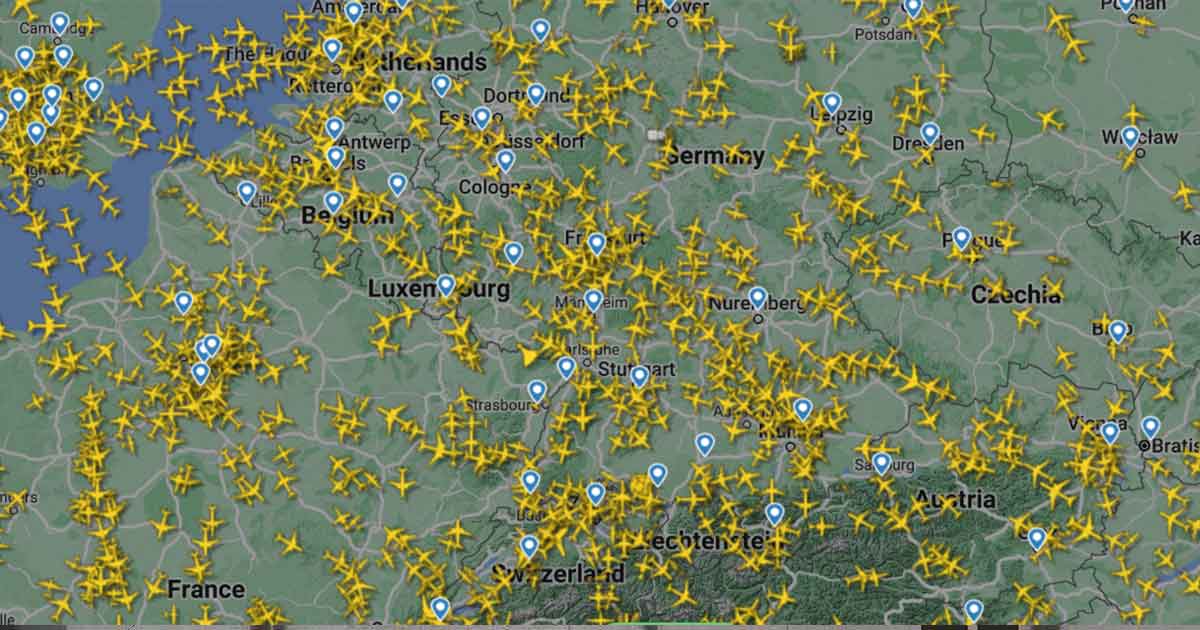
- FlightRadar24: Famous for its visually engaging map interface, FlightRadar24 transforms your screen into a live air traffic control display. It provides real-time information on thousands of aircraft around the world, including aircraft type, origin and destination, flight number, airline, altitude, speed, and even a 3D cockpit view. Its unique strength lies in its ability to show flights on a map powered by ADS-B receivers around the globe, making it incredibly engaging for aviation enthusiasts and casual users alike.
- App in the Air & TripIt: While offering robust flight tracking, these applications are more accurately described as holistic travel companions. App in the Air provides a full itinerary manager alongside tracking, airport guides, and loyalty program integration. TripIt similarly builds a master itinerary from forwarded travel confirmations, automatically tracking flight statuses and offering alternate flight options during delays. These apps are ideal for frequent travelers who want a single hub for all their travel information.
Airline-Specific Apps and Websites
Virtually every major airline now offers a dedicated mobile application and a comprehensive website. These platforms are often the most accurate source for information regarding a specific flight operated by that airline. They provide direct updates from the airline’s operational control, which can sometimes be faster than third-party aggregators, especially during rapidly evolving situations. Beyond tracking, these apps often allow passengers to manage bookings, check in, select seats, access digital boarding passes, and receive personalized notifications directly to their devices. For passengers flying with a particular carrier, downloading their app is an essential step for real-time updates and seamless self-service.
General Travel Aggregators and Search Engines
For quick lookups and integrated travel planning, general travel search engines and even everyday tools like Google are highly effective.
- Google Flights: Leveraging Google’s vast data capabilities, Google Flights offers a simple yet powerful way to track flights. By simply searching for a flight number or airline and route (e.g., “UA123” or “flights from JFK to LAX”), Google provides immediate, real-time status updates, including terminal and gate information, and links to airline websites. Its strength lies in its instant accessibility and integration with other Google services.
- Kayak, Expedia, Skyscanner: These popular travel booking platforms also integrate flight tracking capabilities. If you’ve booked a flight through their site, they often include tracking within your itinerary. Even for flights not booked through them, you can typically search for a flight number to get status updates. They consolidate data from various sources, making them convenient for users who already frequent these sites for travel planning.
SMS, Email, and Airline Notifications
While perhaps less visually engaging than dedicated apps, traditional notification methods remain incredibly effective and accessible, especially for those who prefer not to download multiple applications. Many airlines and third-party tracking services offer the option to sign up for SMS or email alerts. These notifications are pushed directly to your phone or inbox, delivering critical updates such as schedule changes, gate assignments, departure, and arrival notifications without requiring you to actively check an app. Signing up for these alerts, particularly from the operating airline, ensures you receive crucial information directly and promptly, acting as a reliable backup or primary source of updates.
Mastering the Art of Effective Flight Tracking
Simply having access to tracking tools isn’t enough; understanding how to best utilize them and interpret the information they provide is key to maximizing their value.
Understanding Key Flight Information
At the heart of effective flight tracking is the ability to interpret the data presented.
- Flight Number: The unique identifier for your flight (e.g., UA123, BA456). This is the primary piece of information needed for tracking.
- Airline & Route: Knowing the operating airline and the origin/destination airports helps verify you’re tracking the correct flight.
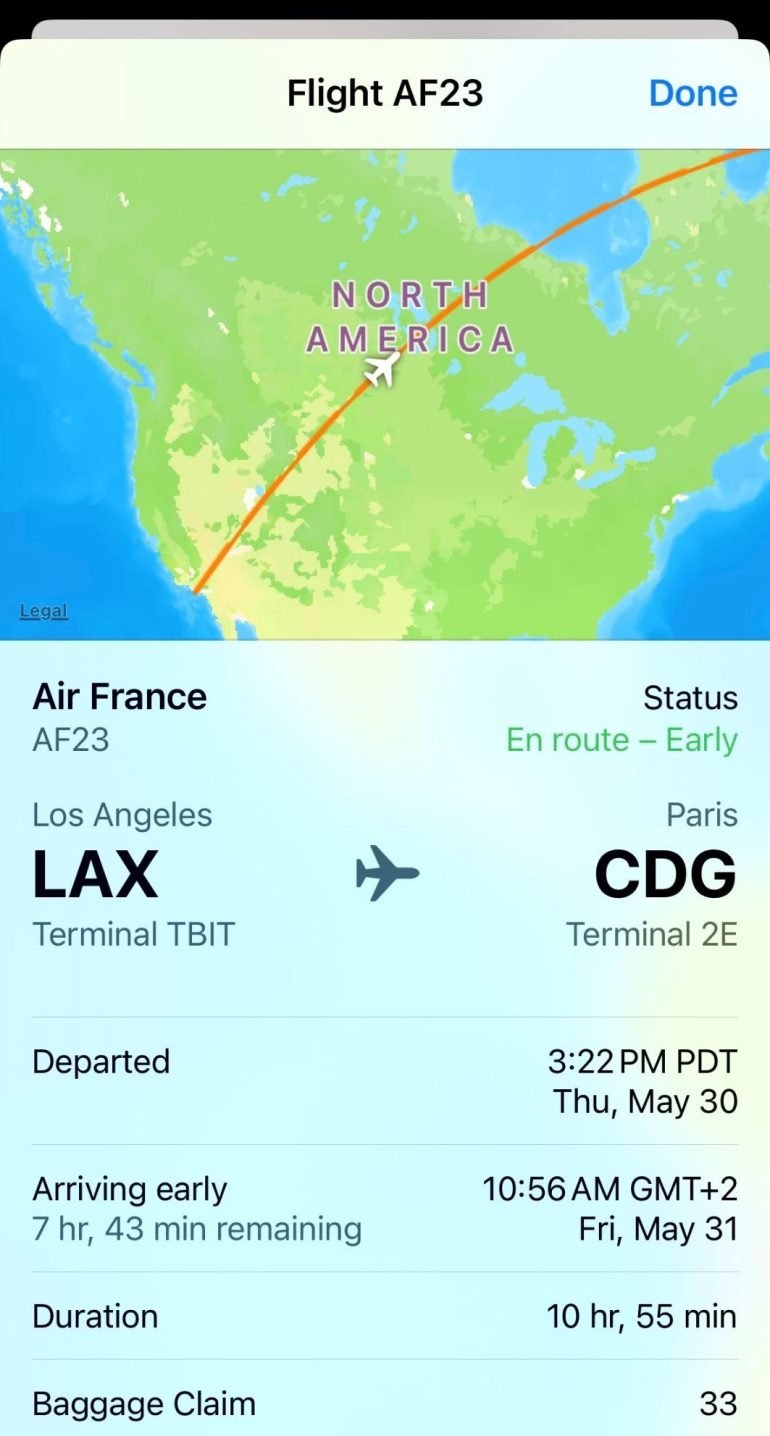
- Status Definitions: Beyond “On Time” or “Delayed,” understanding nuanced statuses like “Departed,” “In Air,” “Landed,” “Arrived,” “Cancelled,” or “Diverted” is crucial. “Landed” means the plane has touched down, while “Arrived” typically means it has reached the gate.
- Gate Information: Crucial for airport navigation, especially during tight connections or last-minute changes.
- Baggage Claim: Often provided post-landing, this helps streamline luggage retrieval.
- Estimated vs. Actual Times: Pay attention to whether a time is “Estimated Departure Time” (ETD), “Actual Departure Time” (ATD), “Estimated Arrival Time” (ETA), or “Actual Arrival Time” (ATA). ETD and ETA are predictions, while ATD and ATA are confirmed events.
Setting Up Personalized Alerts and Notifications
Modern tracking apps excel at proactive communication. Configuring personalized alerts ensures you receive critical updates without constantly checking the app. Most apps allow you to:
- Push Notifications: Receive instant alerts directly to your smartphone for status changes, gate updates, or boarding calls.
- Email/SMS Alerts: Opt for updates via email or text message, a reliable option even when data connectivity is spotty or you’re not actively using the app.
- Customizable Events: Tailor alerts for specific events—e.g., “notify me 2 hours before departure if there’s a delay,” or “alert me when the flight lands.” This level of customization allows you to receive only the information most relevant to your needs.
Leveraging Advanced Features for Deeper Insights
For aviation enthusiasts or those needing granular detail, many tracking platforms offer advanced functionalities.
- Tracking Specific Aircraft (Tail Number): Beyond flight numbers, some apps allow tracking an aircraft by its unique registration (tail number). This is useful if an aircraft is swapped or used for multiple flights, providing a deeper layer of insight into its journey.
- Historical Flight Data: Analyze a flight’s punctuality over time. If a specific flight is historically prone to delays, it can help set realistic expectations or prompt alternative planning.
- Weather Overlays and Air Traffic Control Information: Professional versions of apps like FlightAware and FlightRadar24 offer weather radar overlays, showing how meteorological conditions might impact flight paths. Some even provide insights into air traffic control restrictions or holding patterns, offering a more complete picture of the operational environment.
The Future of Flight Tracking: Innovations on the Horizon
The landscape of flight tracking is continuously evolving, driven by advancements in data science, artificial intelligence, and immersive technologies. The future promises even more predictive, personalized, and integrated monitoring experiences.
AI and Predictive Analytics
The next generation of flight tracking will move beyond reactive updates to proactive predictions. Artificial intelligence, coupled with big data analytics, will process vast quantities of information—including historical flight performance, real-time weather forecasts, air traffic control congestion, airline operational status, and even geopolitical events—to offer highly accurate delay predictions. Imagine an app that not only tells you your flight is delayed but also predicts why and for how long, even before the airline officially announces it. These systems will also become adept at suggesting alternative routes or rebooking options instantaneously, potentially saving travelers hours of frustration.
Augmented Reality (AR) and Virtual Reality (VR)
Immersive technologies are poised to transform how we visualize air travel. AR applications could allow users to point their smartphone at the sky and instantly identify planes flying overhead, complete with their flight numbers, origins, and destinations overlayed in real-time. Within airports, AR could provide intuitive navigation to gates or baggage claim, dynamically updating with flight information. VR, while perhaps less practical for daily tracking, could offer highly immersive experiences, such as a virtual tour of a plane’s journey or a simulated view from the cockpit, enhancing the understanding of air traffic flows.
Seamless Integration with Smart Ecosystems
Flight tracking is set to become an even more embedded component of our smart lives. Imagine asking your voice assistant (like Alexa or Google Assistant) for the status of a flight and receiving an instant, detailed update. Smart home systems could automatically adjust heating or lighting based on a family member’s imminent arrival. Smartwatches will provide glanceable notifications, while connected cars might automatically update navigation systems with airport arrival times. This pervasive integration will make flight information effortlessly accessible across all personal devices and environments, truly making travel monitoring a seamless part of daily life.

Conclusion
From the earliest days of aviation to the ultra-connected present, the desire to know where a flight is has remained constant. What has changed dramatically is our ability to satisfy that desire with unparalleled precision and insight. Modern flight tracking technologies have demystified air travel, replacing uncertainty with real-time data and empowering passengers, airport staff, and anxious loved ones alike. By embracing the sophisticated apps, robust web platforms, and invaluable notification systems available today, travelers can navigate the skies with greater confidence, minimize stress, and make more informed decisions. As we look to the horizon, the ongoing innovations in AI, AR, and smart ecosystem integration promise an even more intuitive and predictive future for flight tracking, further cementing its role as an indispensable companion for the modern traveler.
aViewFromTheCave is a participant in the Amazon Services LLC Associates Program, an affiliate advertising program designed to provide a means for sites to earn advertising fees by advertising and linking to Amazon.com. Amazon, the Amazon logo, AmazonSupply, and the AmazonSupply logo are trademarks of Amazon.com, Inc. or its affiliates. As an Amazon Associate we earn affiliate commissions from qualifying purchases.