
In an increasingly interconnected world, travel has become a cornerstone of both leisure and business. Yet, the cost of airfare frequently stands as a primary deterrent or a significant portion of any travel budget. The quest for the cheapest flights isn’t merely about finding a bargain; it’s a strategic exercise in personal finance, demanding a nuanced understanding of airline pricing algorithms, market dynamics, and savvy booking techniques. For the financially astute traveler, mastering the art of securing affordable airfare can unlock greater travel opportunities, extend trips, or free up capital for other essential expenditures. This guide delves into the strategic financial planning and execution required to consistently land the best flight deals, transforming aspirations of global exploration into tangible, budget-friendly realities.

Understanding the Dynamics of Airfare Pricing
The price of an airline ticket is rarely static; it’s a fluid entity influenced by a complex interplay of economic principles and technological algorithms. Grasping these underlying dynamics is the first step toward strategically navigating the market to your financial advantage.
The Algorithmic Nature of Flight Costs
Airlines employ sophisticated revenue management systems that utilize complex algorithms to dynamically price tickets. These algorithms continuously analyze a multitude of factors, including historical booking data, competitor pricing, current demand for specific routes, remaining seat inventory, time of day, day of the week, and even the type of device or location from which a search is initiated. This means that two individuals searching for the exact same flight at the same time might be presented with different prices based on their digital footprint or perceived willingness to pay. Understanding this dynamic pricing means recognizing that persistence and varying your search methods can yield different financial outcomes.
The Impact of Seasonality and Special Events
Seasonality plays a pivotal role in airfare pricing. Peak travel seasons, typically summer months, major holidays (like Christmas, New Year’s, Easter, Thanksgiving), and school breaks, invariably drive up demand and, consequently, prices. Conversely, traveling during the “shoulder seasons” (just before or after peak) or the “off-season” can result in significant savings. Special events, such as major sporting championships, festivals, or international conferences, also create temporary spikes in demand for flights to specific destinations. Savvy travelers budget for and plan trips around these periods to avoid financial penalties, or conversely, strategically choose destinations where such events are not occurring. Financial planning for travel must incorporate a thorough understanding of these cyclical and event-driven price fluctuations.
Airline Strategies: Bundling vs. Unbundling
Modern airlines often employ divergent strategies that directly impact the final cost to the consumer. Full-service carriers may offer a more inclusive fare that bundles amenities like checked baggage, in-flight meals, and seat selection. Budget airlines, however, have perfected the “unbundling” model, offering an extremely low base fare but charging extra for virtually every amenity. This approach requires travelers to meticulously calculate the total cost, including all potential add-ons (baggage, seat selection, priority boarding, even printing a boarding pass), before determining which airline genuinely offers the cheapest option. A superficial comparison of base fares without considering the full financial outlay can lead to unpleasant surprises and higher-than-anticipated costs.
Mastering the Art of Flight Search and Booking
Beyond understanding market forces, successful budget travel hinges on employing practical and effective search and booking strategies that exploit market inefficiencies and leverage available financial tools.
Leveraging Comparison Websites and Aggregators
Comparison websites and flight aggregators like Google Flights, Skyscanner, Kayak, and Momondo are indispensable tools for identifying cheap flights. These platforms scour thousands of online travel agencies (OTAs) and airline websites simultaneously, presenting a broad spectrum of options. However, their utility extends beyond simple price comparison. Features such as price calendars, flexible date searches (“anywhere” or “cheapest month”), and multi-city search capabilities can uncover routes and dates that might not be immediately obvious, significantly impacting potential savings. Financial prudence dictates using multiple aggregators and then checking the airline’s direct website, as sometimes direct bookings offer better prices or more favorable terms, especially regarding changes or cancellations.
The Power of Incognito Mode and VPNs
A persistent rumor suggests that airlines track your searches through cookies, potentially raising prices on repeated searches for the same route. While definitive proof is elusive, using your browser’s incognito or private browsing mode clears cookies and prevents new ones from being saved, ensuring each search begins with a clean slate. This can, at times, present lower prices by preventing dynamic pricing algorithms from detecting your repeated interest. Similarly, using a Virtual Private Network (VPN) can allow you to appear as if you are searching from a different country. Airfares can vary significantly based on the country of purchase, as airlines tailor prices to local market conditions and purchasing power. Experimenting with different IP locations via a VPN can occasionally uncover cheaper fares, although this strategy requires careful consideration of payment methods and potential international transaction fees.
Dynamic Pricing and When to Book
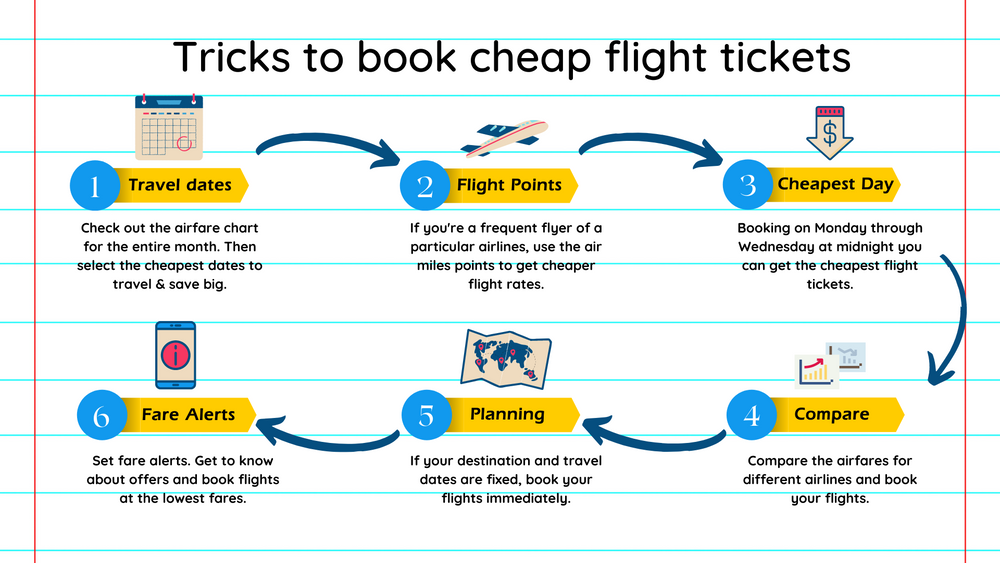
Finding the “sweet spot” for booking is critical. General wisdom suggests booking international flights 2-8 months in advance and domestic flights 1-4 months in advance. However, this is not a hard-and-fast rule. Prices tend to fluctuate wildly, with some studies indicating Tuesdays, Wednesdays, and Saturdays as the cheapest days to book, and early mornings or late evenings often showing better deals. The goal is to monitor price trends using alerts from aggregators and to be ready to book when a favorable price appears. Waiting too long risks higher prices as seats fill up, but booking too early might miss potential sales or new routes introduced later. Patience combined with vigilance is key to navigating dynamic pricing effectively.
Exploring Alternative Airports and Flexible Dates
Flexibility is arguably the most powerful tool in the budget traveler’s arsenal. Being open to flying into or out of alternative, smaller airports near your desired destination can yield substantial savings. These airports often have lower landing fees, attracting budget airlines or less direct competition. Similarly, being flexible with travel dates, even by a day or two on either side of your preferred departure/arrival, can dramatically reduce costs, especially if you can shift your travel to mid-week days (Tuesday-Thursday) which are generally less expensive than weekends. Utilizing flexible date search tools on comparison websites is paramount for identifying these opportunities and optimizing your financial outlay.
Advanced Strategies for Maximizing Savings
Beyond the fundamental search techniques, several advanced strategies can further reduce flight costs, transforming occasional savings into consistent financial wins for the seasoned traveler.
Error Fares and Price Drop Alerts
Occasionally, airlines or online travel agencies make mistakes, leading to “error fares” – tickets priced significantly lower than their actual value. These can be due to currency conversion errors, human input mistakes, or technical glitches. While rare, these fares are legitimate if booked before the airline corrects the error. Financial news outlets and specialized flight deal websites often report these finds. Setting up price drop alerts for your desired routes is another proactive strategy. Services like Google Flights, Skyscanner, and various apps allow you to track prices and receive notifications when fares drop, enabling you to act swiftly when a good deal emerges. Acting quickly is crucial as these fares are often short-lived.
The Advantage of Budget Airlines and Layover Strategies
Budget airlines have revolutionized affordable travel, but understanding their model is key to true savings. While their base fares are attractive, be meticulous about calculating the total cost after adding baggage, seat selection, and other fees. For long-haul flights, strategically planning longer layovers or “self-connecting” flights (booking two separate tickets on different airlines to reach your destination) can also cut costs, though this strategy comes with inherent risks regarding missed connections and baggage transfers, requiring a robust understanding of the financial implications of travel insurance. Sometimes, flying into a major hub with a budget carrier and then taking a separate, cheaper flight or ground transport to your final destination is more economical than a direct flight on a legacy carrier.
Loyalty Programs and Travel Credit Cards
For frequent flyers, leveraging airline loyalty programs and travel-specific credit cards can lead to significant financial benefits. Accumulating miles or points through flights, credit card spending, or sign-up bonuses can result in free flights, upgrades, or discounts. Many travel credit cards offer lucrative perks such as waived baggage fees, lounge access, travel insurance, and accelerated points earning on travel expenditures. A disciplined approach to managing these cards – paying balances in full to avoid interest, strategically timing applications for sign-up bonuses, and understanding transfer partners – can turn everyday spending into future travel savings. This requires careful personal finance management but offers substantial returns for the dedicated traveler.
Open-Jaw and Multi-City Tickets
Traditional round-trip tickets are not always the most economical option, especially for complex itineraries. An “open-jaw” ticket allows you to fly into one city and depart from another, often saving money by avoiding backtracking. Multi-city tickets, which allow you to visit several destinations on one booking, can also be surprisingly cost-effective. These options provide greater flexibility and can optimize travel time and expenditure, particularly when exploring a region rather than a single destination. Financial planning for such trips involves using the multi-city search function on flight aggregators and experimenting with various combinations of cities and dates.
Common Pitfalls and How to Avoid Them
Even with the best intentions, travelers can fall prey to common financial traps that negate savings. Being aware of these pitfalls is crucial for maintaining a healthy travel budget.
Hidden Fees and Ancillary Charges
The most common pitfall is underestimating the impact of hidden fees. Baggage fees (checked and sometimes carry-on), seat selection charges, booking fees, credit card surcharges, and even fees for printing boarding passes can quickly inflate the cost of a seemingly cheap flight. Always read the fine print before booking, especially with budget airlines. Factor in every potential ancillary charge to arrive at a true total cost. A slightly more expensive base fare on a full-service airline might actually be cheaper than a budget fare once all add-ons are included. A meticulous financial comparison is always recommended.
The Perils of Waiting Too Long (or Booking Too Early)
While flexibility is key, there’s a delicate balance between waiting for a better deal and missing out entirely. As mentioned, flight prices are dynamic. Waiting until the last minute typically results in significantly higher fares, as airlines know that last-minute travelers (often business travelers or those facing emergencies) have less price sensitivity. Conversely, booking too far in advance can sometimes mean missing out on sales or new routes. The “sweet spot” for booking, often 1-4 months for domestic and 2-8 months for international, minimizes this risk. Setting price alerts helps you gauge the market and make an informed decision without falling into either extreme.
Overlooking Refund and Change Policies
The initial savings on a non-refundable, non-changeable ticket can be alluring, but the financial risk can be substantial. Life happens, and plans can change unexpectedly. Understanding the refund and change policies of your ticket is crucial. While fully flexible tickets are usually more expensive, knowing the cost of changing or canceling a cheaper ticket (and whether it’s even possible) is vital for financial security. In many cases, the fees for changes can exceed the original ticket price. Consider travel insurance for truly inflexible tickets, especially for high-value trips, as a financial safety net against unforeseen circumstances.
Beyond the Ticket: Holistic Financial Planning for Travel
Securing the cheapest flight is an excellent start, but it’s only one component of a financially sound trip. A holistic approach to travel finance ensures that savings on airfare aren’t immediately eroded by other expenses.
Budgeting for the Entire Trip
A comprehensive travel budget extends far beyond the flight ticket. It must include accommodation, ground transportation (taxis, public transit, car rentals), food and drink, activities, visa costs, travel insurance, and a contingency fund for emergencies. Overlooking any of these elements can lead to budget overruns. Utilize budgeting apps or spreadsheets to track expenses before and during the trip. Allocating specific amounts to each category ensures that savings on flights are preserved and strategically distributed across other experiences, allowing for a richer, stress-free journey.
Travel Insurance as a Financial Safety Net
While an additional upfront cost, travel insurance can be an invaluable financial safety net, particularly for international or expensive trips. It can cover unexpected medical emergencies, trip cancellations or interruptions, lost baggage, and even flight delays. The cost of a medical emergency abroad or a last-minute trip cancellation can far outweigh the cost of an insurance policy. For budget-conscious travelers, travel insurance should be viewed not as an optional luxury but as a vital component of risk management, protecting your financial investment in the trip.
Smart Currency Exchange and Payment Methods
Once abroad, managing your money wisely can prevent unnecessary financial leakage. Avoid exchanging currency at airports, which typically offer the worst exchange rates. Research local banking options and consider using a travel-friendly debit or credit card that offers no foreign transaction fees and favorable exchange rates. Withdraw local currency from ATMs affiliated with major networks for better rates. Be cautious of “dynamic currency conversion” where merchants offer to charge you in your home currency; always opt to pay in the local currency to avoid inflated exchange rates. These small financial decisions accumulate, contributing to overall savings.

Conclusion
The pursuit of the cheapest flights is a dynamic and rewarding endeavor that combines strategic planning, market awareness, and financial discipline. By understanding the intricate forces that govern airfare pricing, leveraging powerful search tools, employing advanced booking strategies, and meticulously avoiding common pitfalls, travelers can significantly reduce their travel expenditures. However, true financial wisdom for travel extends beyond the flight ticket itself. A holistic approach that incorporates comprehensive budgeting, robust travel insurance, and smart money management while abroad ensures that the savings achieved on airfare contribute to an overall more enjoyable, stress-free, and financially sound travel experience. The world is within reach for those who master the art of smart travel savings.
aViewFromTheCave is a participant in the Amazon Services LLC Associates Program, an affiliate advertising program designed to provide a means for sites to earn advertising fees by advertising and linking to Amazon.com. Amazon, the Amazon logo, AmazonSupply, and the AmazonSupply logo are trademarks of Amazon.com, Inc. or its affiliates. As an Amazon Associate we earn affiliate commissions from qualifying purchases.