
In an era defined by global connectivity and an insatiable appetite for exploration, the dream of international travel often collides with the practical realities of a budget. For many, the perceived high cost of airfare is the primary barrier preventing them from visiting distant loved ones, exploring new cultures, or simply enjoying a well-deserved getaway. However, the digital age has democratized travel planning, putting powerful tools at our fingertips to demystify airline pricing and unlock significant savings. Navigating the labyrinthine world of online flight bookings requires a strategic mindset, a keen eye for value, and an understanding of the financial mechanisms at play. This guide delves into the astute financial strategies and online savvy required to consistently secure cheap flight tickets, transforming aspirational journeys into affordable realities.
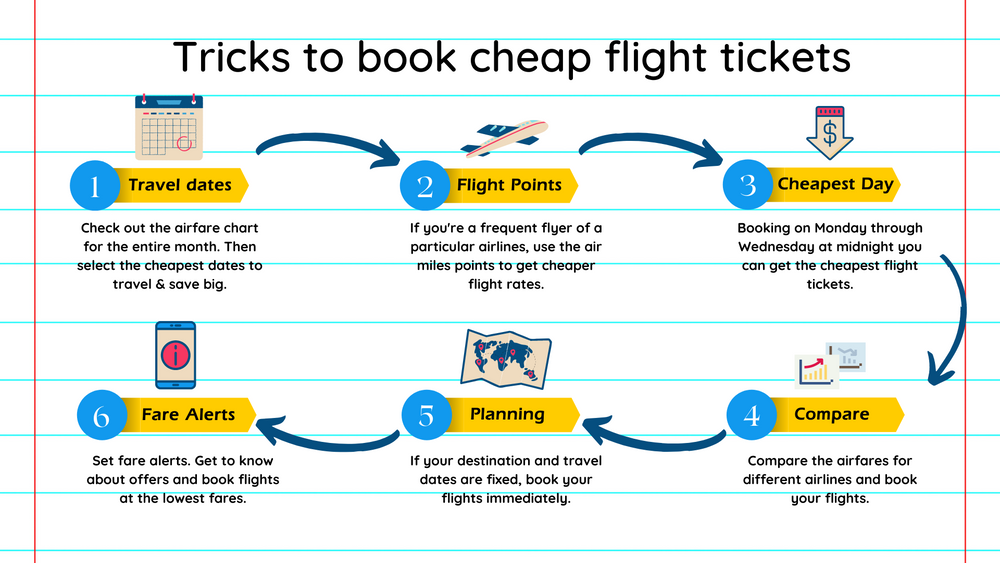
The Financial Leverage of Flexibility and Timing
The cornerstone of securing cheap flight tickets online lies in embracing flexibility and understanding the dynamics of airline pricing. Airlines employ complex algorithms to adjust prices based on demand, capacity, competitor pricing, and historical data. As a financially astute traveler, your ability to adapt to these fluctuations is your greatest asset.
Embrace Dynamic Pricing with Flexible Dates
One of the most significant cost-saving measures involves being flexible with your travel dates. Airline prices can vary dramatically not just from month to month, but from day to day, and even hour to hour. Traveling during peak holiday seasons, school breaks, or major events almost guarantees higher fares. Conversely, opting for mid-week departures (Tuesday, Wednesday) and returns, or flying on less popular days like Saturdays, often yields substantial savings.
Many online search engines and aggregators offer a “flexible dates” option or a calendar view that displays price variations across an entire month or even year. Leveraging these tools allows you to visually identify the cheapest days to fly, sometimes shifting your departure by just 24-48 hours can shave hundreds off the ticket price. This isn’t just about convenience; it’s a direct financial choice that impacts your travel budget.
Strategic Booking Windows: When Money Meets Opportunity
The concept of a “golden window” for booking flights is often discussed, but it’s more nuanced than a single magical timeframe. Generally, domestic flights tend to be cheapest when booked 1-3 months in advance, while international flights often offer the best value when booked 2-8 months out. Booking too early can mean missing out on sales, while booking too late almost guarantees paying a premium due to shrinking availability and increased demand.
The sweet spot often emerges when airlines are trying to fill their planes without resorting to last-minute price gouging. Monitoring historical price trends for your desired route can provide insightful data. Some tools offer “buy now” or “wait” recommendations, but these should be taken as guidance, not gospel. The real financial discipline comes from setting a budget, tracking prices, and being ready to commit when a fare within your comfort zone appears, rather than chasing an elusive “absolute lowest” price. Remember, a dollar saved is a dollar earned, and sometimes, a good deal today is better than waiting for a potentially non-existent perfect deal tomorrow.
Capitalizing on Off-Peak Travel Periods
Beyond specific dates, understanding the broader seasonal patterns of travel can lead to significant financial advantages. Airlines segment their pricing into peak, shoulder, and off-peak seasons. Peak seasons (e.g., summer in Europe, winter holidays) are characterized by high demand and correspondingly high prices. Shoulder seasons (spring and fall for many destinations) offer a balance of good weather and moderate prices. Off-peak seasons, typically when the weather is less ideal or demand is lowest (e.g., hurricane season in the Caribbean, deep winter in Europe), present the steepest discounts.
As a financially savvy traveler, embracing off-peak travel means getting more for your money. Not only are flights cheaper, but accommodation, tours, and local experiences often come at reduced rates. It also means fewer crowds, enhancing the overall travel experience. This strategy requires a shift in perspective from desiring perfect weather to prioritizing financial efficiency and unique experiences that come with quieter seasons.
Mastering Online Platforms for Optimal Savings
The internet provides an unprecedented array of tools and platforms designed to help you find flights. However, simply using these tools isn’t enough; understanding their strengths, weaknesses, and how they interact with airline pricing strategies is crucial for maximizing your financial return.
Decoding Flight Aggregators and Online Travel Agencies (OTAs)
Flight aggregators like Skyscanner, Google Flights, Kayak, and Momondo are indispensable resources. They scour hundreds of airlines and OTAs to present a broad overview of available flights and prices. Their strength lies in their ability to quickly compare fares across multiple providers, helping you identify the cheapest routes and operators. OTAs such as Expedia, Booking.com, and Priceline often offer bundled deals (flight+hotel) that can provide additional savings, though this requires careful calculation to ensure the bundle is genuinely cheaper than booking components separately.
While aggregators are excellent for initial discovery and price comparison, always cross-reference prices. Sometimes, an OTA might offer a slightly lower price than the airline’s direct website, but be mindful of their booking conditions, refund policies, and customer service. A few dollars saved might not be worth the hassle if a flight change or cancellation occurs, which could involve navigating a third-party rather than directly with the airline. The financially prudent approach is to leverage aggregators for initial research but always consider the overall value, not just the lowest numerical price.
Direct Airline Bookings: The Loyalty vs. Price Equation
After identifying potential cheap flights through aggregators, it’s often wise to check the airline’s official website directly. Sometimes, airlines offer exclusive deals, discounts for loyalty program members, or better terms (e.g., free seat selection, flexible change policies) that aren’t available through third-party sites. Furthermore, booking directly can simplify the process of making changes or cancellations, as you only deal with one entity.
For frequent flyers, building loyalty with a specific airline or alliance can lead to significant financial benefits through accumulated miles, elite status perks (free checked bags, lounge access, upgrades), and exclusive promotional offers. While direct booking might occasionally be slightly more expensive upfront, the long-term financial advantages of loyalty can outweigh the immediate savings from an OTA. A balanced approach involves comparing both options and making an informed financial decision based on your travel frequency and priorities.
Utilizing Price Alerts and Prediction Tools for Proactive Savings
Modern flight search platforms offer features that act as your personal financial assistants in the quest for cheap flights. Price alerts allow you to set up notifications for specific routes and dates; you’ll receive an email when the fare drops below a certain threshold or changes significantly. This passive monitoring is invaluable for catching fleeting deals without constantly checking websites manually.
Some tools also incorporate predictive analytics, using historical data and current trends to advise whether prices are likely to go up or down for a particular route. While these predictions aren’t foolproof, they provide an educated guess that can inform your booking strategy. Integrating these tools into your financial planning allows you to act swiftly when a good deal emerges, avoiding the regret of missed opportunities or the cost of paying more later.
Browser Tactics: Incognito Mode and VPNs for Price Anomalies
A widely debated tactic in the pursuit of cheap flights involves using incognito or private browsing modes, or even a Virtual Private Network (VPN). The theory is that airline and OTA websites track your browsing history and cookies, potentially increasing prices on routes you’ve repeatedly searched for, creating a sense of urgency. While there’s no definitive proof that airlines universally practice this, using incognito mode ensures a fresh search without prior browsing history.
A VPN, on the other hand, allows you to mask your IP address and appear as if you are browsing from a different country. Since flight prices can vary by point of sale (i.e., the country from which you are booking), changing your virtual location might reveal cheaper fares. For instance, a flight from London to New York might be cheaper if booked via a VPN server located in a country with a weaker currency relative to the booking currency. This is a more advanced tactic and requires careful experimentation, but it highlights the financial arbitrage opportunities that can arise from global pricing disparities.

Unconventional Strategies for Deeper Discounts
Beyond the standard search methods, truly maximizing your savings often requires a willingness to think outside the box and embrace less conventional booking strategies. These methods tap into different aspects of airline operations and market inefficiencies.
The Value of Indirect Flights and Longer Layover Opportunities
While direct flights offer convenience, they almost invariably come at a premium. Opting for flights with one or more layovers can significantly reduce the ticket price. This is a direct trade-off: your time and convenience for financial savings. The longer the layover, generally the cheaper the flight.
For the adventurous and budget-conscious traveler, “layover hacking” involves strategically choosing flights with extended layovers (8+ hours) to allow for a brief exploration of an intermediate city. This can effectively turn one trip into two, adding immense value to your travel budget without the cost of an additional flight. Always weigh the cost savings against the potential for fatigue, delayed connections, and the need for transit visas in certain countries. From a financial perspective, however, it’s a powerful lever for cutting costs.
The Budget Airline Ecosystem: Navigating Low Fares and Potential Fees
Budget airlines (e.g., Ryanair, Spirit, Southwest, AirAsia) have revolutionized air travel by offering incredibly low base fares. Their business model is built on unbundling services, meaning almost everything beyond the seat itself – checked baggage, carry-on bags, seat selection, in-flight meals, even printing your boarding pass at the airport – comes with an additional charge.
To effectively leverage budget airlines financially, you must understand their fee structure upfront. Travel light with only a personal item that fits under the seat, or carefully calculate the cost of a checked bag against the initial fare saving. Sometimes, a budget airline ticket with all the necessary add-ons can end up being more expensive than a full-service carrier’s base fare that includes baggage. The key is meticulous planning and comparison; never assume the lowest advertised price is the final cost. When used wisely, budget airlines are phenomenal tools for stretching your travel budget.
Exploring Alternative Airports for Significant Price Differences
Major international airports often serve as hubs, attracting higher demand and, consequently, higher prices. However, many large cities are served by multiple airports, including smaller regional ones or those slightly further away from the city center. For example, flying into London Stansted or Luton instead of Heathrow or Gatwick, or Newark instead of JFK, can yield substantial savings.
This strategy requires a cost-benefit analysis. While the flight might be cheaper, consider the additional cost and time of ground transportation from the alternative airport to your final destination. Sometimes, the savings on the flight are negated by expensive train tickets or long taxi rides. However, with good public transport links, or if you plan to rent a car anyway, choosing a secondary airport can be a very effective money-saving tactic. Always factor in the total cost of travel, door-to-door, rather than just the flight segment.
Leveraging Loyalty Programs and Travel Credit Card Rewards
For those who travel frequently or make significant purchases, leveraging loyalty programs and travel-specific credit cards can turn everyday spending into future flight savings. Airline loyalty programs allow you to accrue miles or points that can be redeemed for free flights, upgrades, or other travel perks. Signing up for these programs is a no-brainer, as points accrue whether you book direct or through an OTA (though direct usually offers better accumulation rates).
Travel credit cards often come with generous sign-up bonuses (tens of thousands of miles) that can be enough for a free domestic or even international flight after meeting a minimum spending requirement. They also typically offer accelerated earning rates on travel and everyday categories, travel insurance benefits, and sometimes annual statement credits for travel expenses. Managing these cards responsibly, paying balances in full to avoid interest charges, and strategically using their benefits can significantly reduce your out-of-pocket costs for flights, making them a powerful component of a financially savvy travel strategy.
Safeguarding Your Budget: Avoiding Hidden Costs and Common Traps
Securing a cheap base fare is only half the battle. A truly financially intelligent traveler understands that the final cost of air travel can be inflated by various hidden fees and unforeseen circumstances. Proactive measures are essential to protect your budget.
Decoding Baggage Fees and Ancillary Charges
As mentioned with budget airlines, ancillary fees are a major revenue stream for carriers. These can include charges for checked luggage, carry-on bags (especially on basic economy tickets), seat selection, priority boarding, in-flight meals, Wi-Fi, and even paying with certain credit cards. Always review the airline’s baggage policy before booking, paying particular attention to weight and dimension limits.
For example, a “cheap” flight that forces you to pay $60 each way for a carry-on bag might suddenly become more expensive than a slightly pricier full-service fare that includes baggage. If you plan to check a bag, pre-paying for it online is almost always cheaper than paying at the airport counter. Understanding these charges allows you to compare “all-in” prices rather than being lured by deceptively low base fares.
Currency Conversion and Payment Processing Fees
When booking international flights, especially on foreign airline websites or through OTAs based in other countries, be mindful of currency conversion rates and potential foreign transaction fees. Your bank or credit card provider might charge a percentage for converting currencies, which can add a small but noticeable amount to your total.
When presented with the option to pay in your home currency or the local currency of the airline/OTA, it’s almost always financially advantageous to pay in the local currency. Allow your credit card company (assuming it has no foreign transaction fees) to handle the conversion, as their rates are typically more favorable than those offered by the merchant. Using a credit card without foreign transaction fees is a fundamental financial tool for international travel and online purchases.
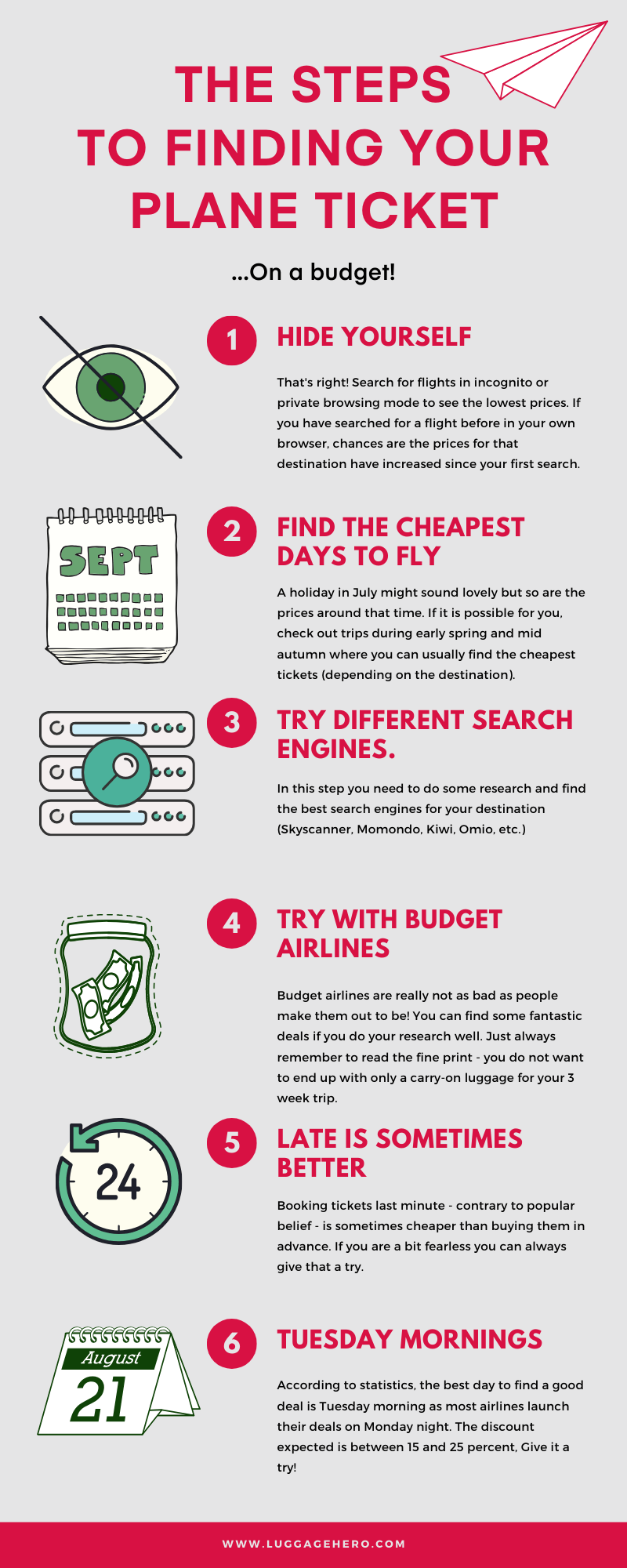
The Pitfalls of Last-Minute Booking Markups
While last-minute deals occasionally surface, particularly for package holidays, they are a rare exception for flight-only bookings. As departure dates approach, airlines typically increase prices as availability dwindles and only those with urgent travel needs remain. Procrastination in booking can be a significant financial drain.
Unless you have extreme flexibility and are prepared to gamble on incredibly specific, limited last-minute sales, avoiding booking within two weeks of departure is a sound financial strategy. The convenience of a spontaneous trip often comes with a hefty price tag that could have been avoided with earlier planning and strategic booking.
In conclusion, securing cheap flight tickets online is less about luck and more about adopting a financially astute and proactive approach. It requires a combination of flexibility in your travel plans, diligent use of online tools, an understanding of airline pricing strategies, and a keen eye for hidden costs. By leveraging the power of data, embracing strategic timing, exploring unconventional routes, and taking advantage of loyalty programs, you can transform the often-daunting task of finding affordable airfare into an empowering exercise in financial savvy. With these insights, the world truly becomes your oyster, accessible without breaking the bank.
aViewFromTheCave is a participant in the Amazon Services LLC Associates Program, an affiliate advertising program designed to provide a means for sites to earn advertising fees by advertising and linking to Amazon.com. Amazon, the Amazon logo, AmazonSupply, and the AmazonSupply logo are trademarks of Amazon.com, Inc. or its affiliates. As an Amazon Associate we earn affiliate commissions from qualifying purchases.