
Travel has become an integral part of modern life, connecting cultures, fostering experiences, and expanding horizons. Yet, for many, the cost of airfare remains a significant barrier, often dictating the feasibility and frequency of their adventures. The pursuit of a “cheap flight” isn’t merely about finding a good deal; it’s a strategic financial endeavor that can unlock new possibilities, allowing individuals to explore more without draining their bank accounts. This article delves into the intricate world of airfare pricing, offering a comprehensive guide rooted in sound financial principles to help you navigate the market and secure the best possible value for your travel budget.
Understanding Airfare Dynamics and Timing Your Purchase
The price of a flight ticket is rarely static. It’s a complex, algorithm-driven calculation influenced by demand, supply, competition, and a myriad of other factors. Understanding these dynamics is the first step toward mastering the art of securing an affordable fare.
The Volatility of Flight Prices: A Market-Driven Reality
Airlines employ sophisticated dynamic pricing models that adjust fares in real-time based on a multitude of variables. These include the number of seats sold, historical booking data, competitor pricing, fuel costs, and even the type of device or location from which a search originates. This constant fluctuation means that the price you see today might be drastically different tomorrow, or even an hour from now. From a financial perspective, this volatility presents both a challenge and an opportunity. The challenge lies in identifying the optimal moment to purchase, while the opportunity rests in leveraging market inefficiencies and timing your booking strategically. Recognizing that airfare is a commodity whose price is dictated by supply and demand, much like stocks or bonds, allows for a more informed and financially disciplined approach to buying.
The “Sweet Spot” for Booking: When to Strike
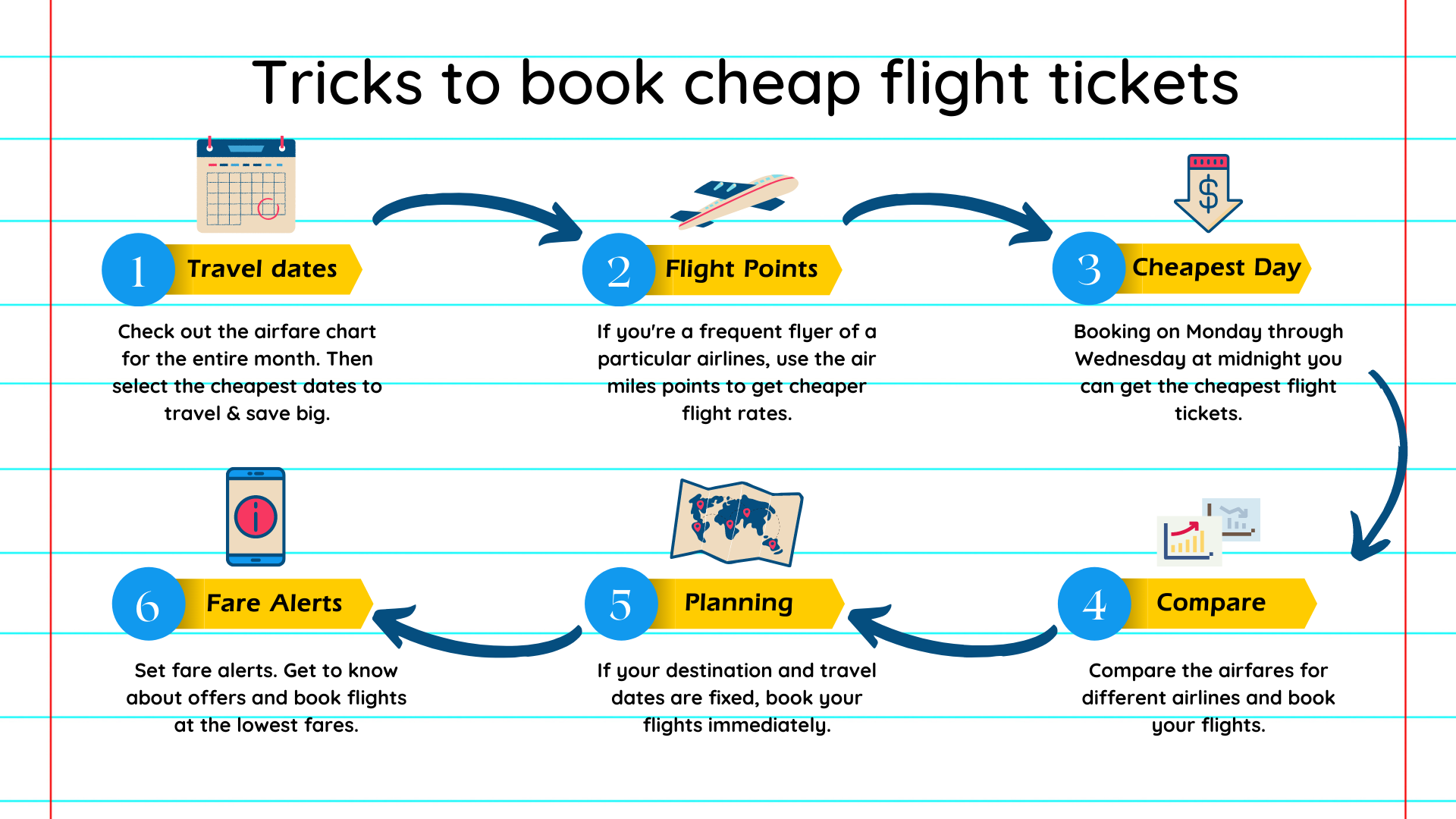
While there’s no single magic formula, extensive data analysis points to a “sweet spot” for booking domestic and international flights. For domestic travel, experts often recommend booking between 1 to 3 months in advance. For international trips, this window expands to 2 to 8 months out. Booking too early often means paying a premium before airlines finalize their schedules and competitor pricing. Booking too late, especially within a few weeks of departure, almost guarantees higher prices as seats become scarcer and demand from last-minute business travelers or urgent leisure travelers drives prices up. This “sweet spot” represents a financial equilibrium where airlines have a good sense of demand but still have enough inventory to offer competitive prices. Deviating from this window, either too early or too late, typically incurs a financial penalty in the form of higher fares.
Impact of Seasonality and Major Holidays
Seasonality profoundly impacts flight prices, much like any other market-driven good or service. Traveling during peak seasons – summer holidays, Christmas, New Year’s, Spring Break, or major festivals – will almost always be more expensive due to heightened demand. Conversely, the shoulder seasons (spring and fall in many regions) or off-peak periods often present the best opportunities for savings. Financial planning for travel must account for these seasonal variations. If your travel dates are flexible, shifting your trip by even a week or two can result in significant financial savings. Similarly, avoiding travel directly on major holidays and instead flying a day or two before or after can dramatically reduce costs, as airlines capitalize on fixed demand during these peak travel windows. This requires a proactive and financially disciplined approach to scheduling your leisure time.
Leveraging Financial Strategies for Savings
Finding cheap flights isn’t just about timing; it’s also about employing clever financial strategies that go beyond the basic search. These strategies empower you to take control of your travel budget and maximize your savings.
Budget Airlines vs. Full-Service Carriers: A Cost-Benefit Analysis
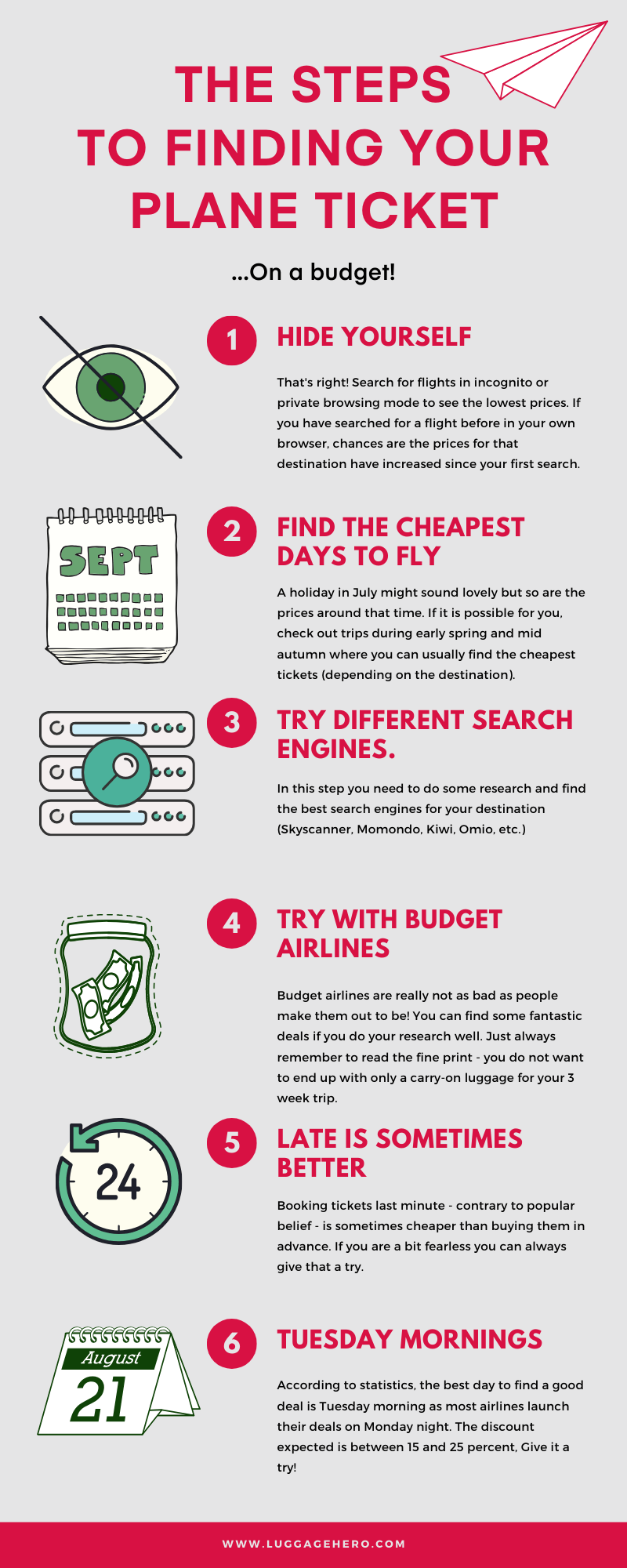
The rise of budget airlines has revolutionized air travel, offering significantly lower base fares than traditional full-service carriers. However, this often comes with trade-offs. Budget airlines typically unbundle services, charging extra for everything from checked baggage and seat selection to in-flight meals and even carry-on bags. A true financial analysis requires looking beyond the sticker price. For a short, direct flight with minimal luggage, a budget airline might indeed be the cheapest option. For longer journeys, flights requiring connections, or travelers with specific needs (e.g., larger luggage, specific seating, in-flight entertainment), a full-service carrier’s bundled price might end up being comparable or even cheaper once all ancillary fees are accounted for. It’s crucial to perform a detailed cost comparison, itemizing every potential expense, to determine which option truly offers the best financial value for your specific travel needs.
The Power of Flexibility: Dates, Airports, and Destinations
Flexibility is perhaps the most powerful financial tool in a traveler’s arsenal. Being open to slightly adjusting your departure or return dates can unlock substantial savings. Flying on Tuesdays, Wednesdays, or Saturdays often yields lower prices than peak travel days like Fridays and Sundays. Similarly, considering alternative airports, even if they’re a bit further away, can lead to significant savings. Major international hubs tend to have more competition and thus lower prices, but sometimes smaller, regional airports might surprise you with a good deal. Furthermore, if your primary goal is simply to “travel somewhere cheap,” rather than a specific destination, using “everywhere” or “explore” search functions on flight aggregators can reveal incredible bargains to unexpected locales. This financial agility—being willing to adapt your plans—directly translates into reduced costs.
Strategic Use of Loyalty Programs and Credit Card Points
For frequent travelers, loyalty programs and travel-focused credit cards are invaluable financial instruments. Accumulating airline miles or credit card points through everyday spending can significantly offset the cost of flights, sometimes even covering them entirely. However, the key is strategic use. It’s essential to understand the redemption value of your points (e.g., how many points for a dollar’s worth of travel) and to seek out bonus point opportunities. Many travel credit cards offer substantial sign-up bonuses that can fund an entire trip. Furthermore, some credit cards offer benefits like free checked bags, lounge access, or travel insurance, which further contribute to overall financial savings and an enhanced travel experience. A disciplined approach to managing these programs, ensuring points don’t expire, and redeeming them for maximum value, can turn regular spending into free flights, a direct benefit to your personal finance.
Smart Searching and Booking Techniques
Beyond understanding market dynamics and financial strategies, the actual process of searching and booking requires savvy techniques to unearth the best deals. These methods leverage digital tools and smart consumer habits to ensure you’re not overpaying.
Incognito Mode and Clearing Cookies: Myth or Money-Saver?
The theory that airlines track your searches via cookies and raise prices on routes you repeatedly check has gained widespread traction. While airlines undeniably use sophisticated algorithms and data, the direct link between an individual’s specific browser cookies and an instant price hike due to repeated searches is largely unsubstantiated by concrete evidence. Airlines typically implement dynamic pricing based on broader demand signals, not necessarily individual re-checks. However, using incognito/private browsing mode or clearing your browser’s cookies can still be a good practice for other reasons. It ensures you’re seeing the freshest possible prices without any cached data influencing the display, and it provides a clean slate, which can psychologically feel reassuring. While perhaps not a definitive money-saver in the way some perceive it, it certainly doesn’t hurt and can ensure you’re always viewing current market rates.
Price Comparison Websites and Metasearch Engines: Your Best Friends
In the digital age, manual searching across individual airline websites is inefficient and often fruitless. Price comparison websites (like Skyscanner, Google Flights, Kayak, Momondo) are indispensable financial tools. These metasearch engines scour hundreds of online travel agencies (OTAs) and airline websites simultaneously, presenting you with a consolidated list of options. They are designed to save you time and, more importantly, money by identifying the lowest fares available across the market. However, a financially savvy traveler knows to check a few different comparison sites, as their results can vary. Always double-check the final price on the airline’s own website after finding a good deal, as sometimes OTAs might have hidden fees or less flexible cancellation policies. This due diligence ensures the “cheap flight” remains cheap and free of unexpected financial surprises.
Setting Price Alerts: Let Technology Do the Work
Given the constant fluctuation of airfare, actively monitoring prices for your desired route can be a full-time job. This is where price alerts become an invaluable financial automation tool. Most major flight comparison websites and even some airlines offer the ability to set up email alerts that notify you when the price for a specific route drops to a certain level or simply changes. This passive approach allows you to “set it and forget it,” letting the technology do the heavy lifting of market surveillance. When an alert hits, you can quickly assess if it’s the right time to buy, often catching flash sales or temporary price drops that you might otherwise miss. This proactive use of technology empowers you to capitalize on fleeting financial opportunities without constant manual effort.
Considering Layovers and Alternative Routes for Savings
Direct flights are convenient, but that convenience often comes at a premium. Opting for flights with layovers, especially those with longer stopovers or even an overnight stay, can significantly reduce the ticket price. While this adds to travel time, the financial savings can be substantial, making it a worthwhile trade-off for budget-conscious travelers. Similarly, exploring alternative routes – for example, flying into a smaller airport nearby your final destination and then taking ground transport, or flying to a major hub and taking a separate, cheaper flight to your final stop on a different airline – can unlock hidden savings. These “self-connecting” flights require more planning and financial risk assessment (e.g., potential for missed connections), but for the financially astute, they represent a viable strategy for cutting costs.
Beyond the Ticket Price: Hidden Costs and Financial Preparedness
Securing a cheap flight is only half the battle. A truly financially savvy traveler considers the entire cost of the journey, including those often-overlooked expenses that can quickly inflate the overall travel budget.
Baggage Fees and Seat Selection: Understanding Ancillary Costs
Airlines, especially budget carriers, have become adept at generating revenue through ancillary fees. What might appear to be a cheap base fare can quickly balloon when factoring in charges for checked luggage, carry-on bags (yes, some airlines charge for these now!), preferred seat selection, priority boarding, and even printing your boarding pass at the airport. Before booking, meticulously review the airline’s fee structure. Factor these potential costs into your total financial calculation. Sometimes, paying a slightly higher base fare with a full-service airline that includes baggage can be cheaper than a budget airline where every add-on is à la carte. Understanding these potential hidden costs allows for accurate financial forecasting and prevents unwelcome surprises at the airport.
Travel Insurance: A Financial Safety Net
While it adds to the upfront cost, travel insurance is a critical financial safeguard, especially for expensive trips or those involving complex itineraries. It can protect you against unexpected expenses arising from trip cancellations, medical emergencies abroad, lost luggage, or flight delays. The cost of comprehensive travel insurance is often a small fraction of the potential financial losses it can cover. Consider it an investment in peace of mind and a crucial component of responsible financial planning for travel. Comparing policies from various providers to find one that offers adequate coverage without unnecessary frills is key to ensuring you’re getting good financial value.
Currency Exchange and International Transaction Fees
For international travel, managing your money wisely is paramount. Banks and credit card companies often charge fees for foreign transactions (typically 1-3% of the transaction value) and offer less favorable exchange rates. Over the course of a trip, these small percentages can add up to a significant sum. A financially smart move is to use a travel-friendly credit card that offers no foreign transaction fees. Additionally, avoid exchanging large sums of cash at airport kiosks, which notoriously offer poor rates. Instead, withdraw local currency from ATMs affiliated with major banking networks, as these often provide closer to the interbank exchange rate, albeit with potential ATM fees. Planning your currency strategy in advance is an essential part of keeping your international travel budget in check.
Long-Term Financial Planning for Savvy Travelers
The quest for cheap flights isn’t just about one-off tactics; it’s about embedding smart travel into a broader, sustainable financial lifestyle. Long-term planning ensures that travel remains an attainable and enjoyable pursuit without compromising overall financial health.
Credit Score and Interest Rates for Travel Financing
While the ideal scenario is to pay for travel outright, sometimes unexpected opportunities arise or larger trips require financing. A strong credit score is invaluable in such situations. It not only grants access to premium travel credit cards with lucrative rewards and benefits but also ensures you can secure favorable interest rates if you need to carry a balance for a short period (though ideally, travel should be paid off quickly to avoid interest charges). Maintaining good credit health is a fundamental aspect of personal finance that indirectly supports travel aspirations by enabling access to the best financial products and terms.
Diversifying Your Income for More Travel Opportunities
For many, increasing travel frequency or budget means finding additional sources of income. Exploring side hustles, investing in income-generating assets, or developing passive income streams can provide the financial buffer needed to fund more ambitious travel plans. Whether it’s freelancing, selling goods online, or investing wisely, diversifying your income allows for dedicated “travel savings” that don’t impinge on your regular living expenses. This strategic financial growth transforms travel from a sporadic luxury into a more consistent part of your lifestyle.

The Mindset of a Frugal Traveler
Ultimately, getting cheap flights consistently is a mindset. It’s about being resourceful, patient, flexible, and always on the lookout for value. It involves treating travel expenses not as an unavoidable cost but as a financial puzzle to be solved. A frugal traveler understands the interplay of market forces, leverages technology, employs strategic booking techniques, and remains mindful of all potential costs. This mindset, combined with disciplined financial habits, ensures that the dream of exploring the world remains accessible and affordable, transforming you from an occasional vacationer into a savvy global explorer.
aViewFromTheCave is a participant in the Amazon Services LLC Associates Program, an affiliate advertising program designed to provide a means for sites to earn advertising fees by advertising and linking to Amazon.com. Amazon, the Amazon logo, AmazonSupply, and the AmazonSupply logo are trademarks of Amazon.com, Inc. or its affiliates. As an Amazon Associate we earn affiliate commissions from qualifying purchases.