
In an increasingly digital financial world, understanding the fundamental components of your bank account remains paramount. While digital wallets and contactless payments simplify daily transactions, behind the scenes, a carefully orchestrated system of numbers ensures your money moves securely and accurately. For many, however, the array of digits found on a check or within online banking can be confusing. “Which number is the checking account number?” is a common question, and one that holds significant weight for everything from setting up direct deposit to paying bills.
This article aims to demystify your bank account information, providing a clear, insightful guide to identifying your checking account number and explaining its crucial role alongside other key banking identifiers. Mastering this knowledge is not just about convenience; it’s a cornerstone of effective personal finance management and digital security in today’s intricate financial landscape.
The Core Numbers: Understanding Your Financial Identity
Navigating your bank account details can feel like deciphering a secret code, but it’s simpler than you think. There are typically three primary sets of numbers you’ll encounter when dealing with a checking account, each serving a distinct and vital purpose. Understanding the function of each will empower you to manage your finances with greater confidence and accuracy.
The Checking Account Number: Your Unique Identifier
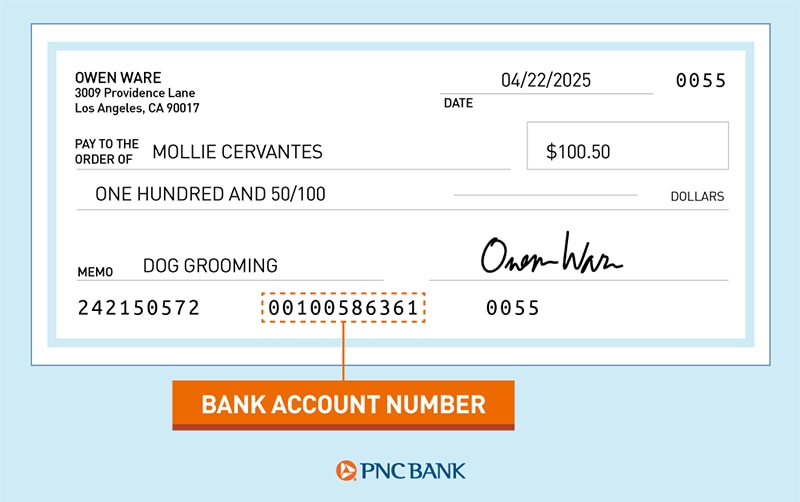
At the heart of your checking account is its unique account number. This sequence of digits is your personal identifier for that specific account at your financial institution. Think of it as your account’s street address within the bank – it tells the system exactly where funds should be deposited or withdrawn.
Typically ranging from 8 to 12 digits, the checking account number is essential for nearly all transactions that involve moving money directly into or out of your account. This includes setting up direct deposits for your paycheck, automating bill payments, initiating wire transfers, or allowing merchants to debit your account via ACH (Automated Clearing House) transfers. Without this number, funds wouldn’t know which of the bank’s many customer accounts they belong to. Its individuality ensures that your money goes to you and only you.
The Bank Routing Number: Your Financial Institution’s Address
While your checking account number identifies your specific account, the bank routing number identifies your specific financial institution. Also known as an ABA (American Bankers Association) routing number, this nine-digit code acts as an electronic address for your bank or credit union. When funds are transferred between different banks, the routing number tells the sending bank exactly which financial institution to send the money to.
Every U.S. financial institution has at least one routing number, though larger banks with multiple branches or different divisions (e.g., for different regions or types of services) might have several. For example, if your employer uses a different bank than you, your employer’s bank uses your routing number to ensure your paycheck arrives at the correct financial institution. The routing number is the first stop in the journey of any interbank transaction, ensuring the funds are delivered to the right “bank branch” before the account number guides them to your specific “account.”
The Check Number: Tracking Your Transactions
Distinct from both the account and routing numbers, the check number is a sequential identifier unique to each physical check within a given checkbook. Typically found in two locations—the top right corner of the check and also in the MICR (Magnetic Ink Character Recognition) line at the bottom—this number serves as a tracking mechanism.
When you write a check, the check number helps you and your bank keep a detailed record of the transaction. It allows for easy reconciliation of your bank statements, enabling you to match specific cleared checks with entries in your check register or online banking history. While not used for directing funds, its importance lies in providing an audit trail, assisting in fraud prevention, and simplifying account management. It’s a critical tool for maintaining accurate personal finance records and ensuring every transaction is accounted for.
Locating Your Account Numbers: A Practical Guide
Knowing what each number means is only half the battle; knowing where to find them is equally crucial. Fortunately, your bank provides multiple convenient and secure ways to access your checking account and routing numbers.
On a Personal Check
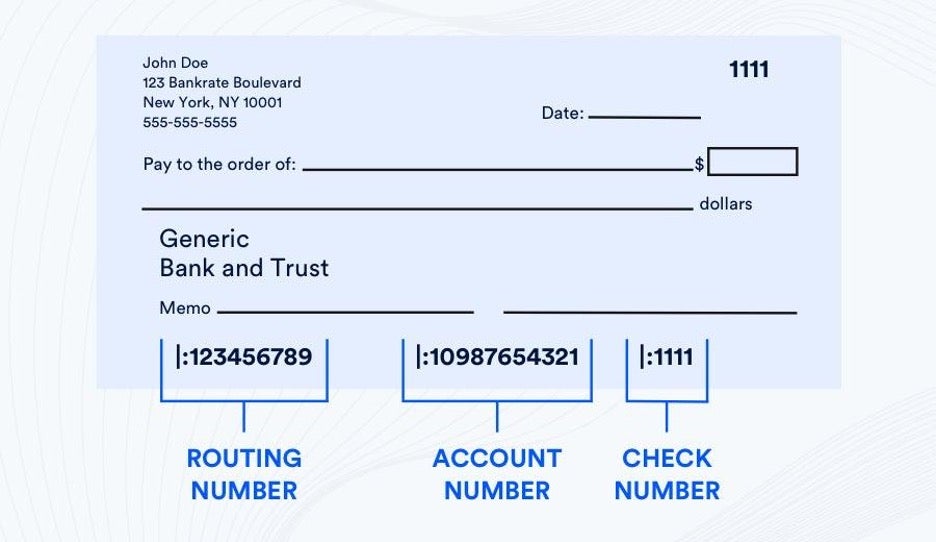
For many, the most common place to find all three key numbers is on a physical check. When you look at the bottom of a standard U.S. personal check, you’ll observe a series of numbers printed in magnetic ink. The order is almost universally standardized, reading from left to right:
- Bank Routing Number: This will be the first 9-digit number on the far left.
- Checking Account Number: This is typically the second set of numbers, often 8 to 12 digits long, located in the middle.
- Check Number: The third set of numbers, usually 3 or 4 digits, on the far right. This matches the check number printed in the top right corner.
This uniform arrangement simplifies the process of identifying each number, particularly when setting up payments or direct deposits where a voided check might be requested.
Through Online Banking or Mobile App
In the age of digital finance, accessing your account information through online banking or your bank’s mobile app is often the quickest and most convenient method. After logging into your secure online portal or mobile application, you’ll typically navigate to your specific checking account dashboard.
Within this section, look for options such as “Account Details,” “Account Information,” “Direct Deposit Info,” or “Statements.” Here, your full checking account number and the associated routing number will usually be displayed. Some banks may initially show only partial numbers for security reasons, requiring an additional click or verification step to reveal the full sequence. This digital access is invaluable for quickly obtaining numbers needed for online payments, linking external accounts, or setting up new services.
On Your Bank Statement
Your monthly bank statement, whether delivered by mail or accessed digitally, is another reliable source for your account numbers. Both paper and e-statements typically include your full checking account number and the bank’s routing number.
You’ll usually find these numbers prominently displayed near the top of the statement, often within the “Account Summary” or “Account Information” section. For security purposes, some statements might truncate or mask a portion of your account number (e.g., showing only the last four digits), but the routing number should always be fully visible. If your statement only shows a partial account number, your online banking portal or a direct call to the bank will be necessary to obtain the full sequence.
Contacting Your Bank Directly
If you’re unable to locate your account numbers using the methods above, or if you prefer direct assistance, calling your bank’s customer service line is always an option. A bank representative will be able to provide you with your checking account and routing numbers after verifying your identity. This typically involves answering security questions, confirming personal details, or providing a password/PIN. This method is particularly useful if you’ve lost your checkbook, are new to online banking, or simply need reassurance about the correct numbers.
Why These Numbers Matter: Everyday Financial Operations
Understanding your checking account and routing numbers isn’t just an exercise in financial literacy; it’s a practical necessity for participating in almost every facet of modern financial life. These numbers are the bedrock upon which seamless money movement is built, enabling a host of essential transactions that simplify daily living and financial planning.
Setting Up Direct Deposit and Direct Debit
Perhaps the most common use for these numbers is setting up automated payments and receipts. Direct deposit, where your employer sends your paycheck directly to your bank account, relies entirely on your bank routing number and checking account number. Similarly, direct debit, used for automated bill payments like utilities, loan installments, or insurance premiums, requires these same details. Accurate input of these numbers ensures your income arrives on time and your bills are paid without manual intervention, preventing late fees and maintaining your credit score. Incorrect numbers can lead to delayed payments or funds being sent to the wrong account, causing significant inconvenience.
Initiating Wire Transfers and ACH Payments
When you need to send or receive funds electronically, especially between different financial institutions, your account and routing numbers are critical. Wire transfers, often used for large, time-sensitive, or international transactions, explicitly require both numbers to ensure the money reaches the correct bank and account quickly. ACH (Automated Clearing House) payments, which encompass direct deposits and debits, are the backbone of electronic funds transfers in the U.S. They are generally slower and less expensive than wire transfers but equally depend on the precise combination of routing and account numbers for successful execution. Whether you’re paying a contractor or receiving a reimbursement, these numbers are indispensable.
Managing Bill Payments and External Transfers
Many individuals manage their bills through their bank’s online bill pay service or by linking external accounts (e.g., from an investment firm or another bank). When you set up a new payee or link an external account, you will invariably be asked for the routing and account numbers. This allows your bank to either push funds to the payee’s bank or pull funds from an external account seamlessly. Moreover, if you use third-party payment apps or services, linking your bank account often requires you to provide these critical identifiers, enabling the app to interact with your primary checking account.
Reconciling Your Bank Statements
While less about active transaction initiation, the check number, in conjunction with your account number, plays a vital role in financial reconciliation. When you review your monthly bank statement, matching the cleared checks with your own records (physical checks written or digital logs) helps you verify that all transactions are legitimate and accurately recorded. If there’s a discrepancy or an unauthorized transaction, the unique check number can be instrumental in identifying and resolving the issue, providing a clear audit trail that links each payment to its source. This practice is key to detecting fraud and maintaining control over your finances.
Security and Best Practices: Protecting Your Financial Information
Just as knowing your numbers empowers you, protecting them is crucial for safeguarding your financial well-being. Your checking account and routing numbers are sensitive pieces of information that, in the wrong hands, could lead to financial fraud or identity theft. Practicing vigilance and implementing security best practices are non-negotiable in today’s digital age.
The Risks of Sharing Your Numbers
While it’s necessary to share your account and routing numbers for legitimate transactions (like direct deposit or bill payments), indiscriminately sharing them carries significant risks. Unauthorized individuals could potentially use these numbers to initiate fraudulent withdrawals from your account. This form of theft, often called “demand draft fraud” or “ACH fraud,” can occur if a scammer obtains your details and creates fake checks or unauthorized electronic debits. While banks often have mechanisms to dispute such transactions, the process can be stressful and time-consuming, highlighting the importance of cautious sharing. Always ensure you are providing your information only to trusted entities for legitimate purposes.
Safeguarding Your Checks and Account Details
Physical checks, bank statements, and any documents containing your account information should be treated with utmost care. Never leave checks lying around in an unsecured location. When disposing of old checks or statements, always shred them to prevent dumpster divers from gleaning sensitive information. Similarly, practice good digital hygiene: use strong, unique passwords for your online banking accounts, enable two-factor authentication whenever possible, and be wary of phishing emails or texts that attempt to trick you into revealing your details. Regularly monitoring your account activity through online banking or mobile apps can also help you spot and report suspicious transactions promptly.
Distinguishing Between Checking and Savings Account Numbers
It’s important to remember that if you have both checking and savings accounts at the same bank, each account will have its own unique account number, even though they likely share the same routing number. Always double-check that you are providing the correct account number for the specific transaction you intend to make. Using a checking account number for a savings transaction (or vice versa) could lead to failed transfers, delays, or funds being misdirected, causing confusion and requiring corrective action. Pay close attention to the account type when setting up any automated payment or deposit.
Common Misconceptions and Troubleshooting
Despite their widespread use, checking account numbers can still be a source of confusion. Addressing some common misconceptions and knowing how to troubleshoot issues can further enhance your financial literacy and confidence.
Credit Card Numbers vs. Checking Account Numbers
A frequent point of confusion is mistaking credit card numbers for checking account numbers. These are entirely different financial instruments with distinct numbering systems and purposes. A credit card number (typically 16 digits) is linked to a line of credit issued by a bank and is used for borrowing funds. A checking account number, on the other hand, is linked to your own deposited funds and is used for direct payments and transfers from your existing balance. Never provide your checking account number when a credit card number is requested, or vice-versa, as this can lead to declined transactions or expose sensitive information unnecessarily.
What if I Have Multiple Accounts?
If you have multiple checking accounts, multiple savings accounts, or a combination of both with the same financial institution, each individual account will have its own unique account number. While they will all share the same bank routing number (assuming they are with the same bank and branch/division), the specific account number distinguishes one from the other. Therefore, it’s crucial to specify which account number corresponds to the specific account you wish to transact with. Always confirm you are using the correct account number for the intended purpose, whether it’s setting up a direct deposit into a particular checking account or transferring funds from a specific savings account.
Handling Errors in Inputting Numbers
Mistakes happen, but inputting incorrect checking account or routing numbers can have tangible consequences. If you enter a wrong routing number, the transaction will typically fail, as the system cannot locate the intended bank. If you enter a wrong account number for a direct deposit or transfer, the funds might be returned to the sender (after a delay), or worse, they could be deposited into another customer’s account if the incorrect number happens to be a valid one.
If you realize you’ve made a mistake, contact your bank immediately. For direct deposits, you’ll also need to inform the sender (e.g., your employer’s payroll department) so they can correct the information for future payments. For erroneous transfers, your bank might be able to recall the funds, especially if caught quickly, but there’s no guarantee if the funds have already been processed into another account. Accuracy is paramount to avoid these inconveniences and potential financial losses.

Conclusion
Understanding “which number is the checking account number” is more than just knowing where to look on a check; it’s a foundational element of sound personal finance management. Your checking account number, alongside your bank’s routing number and the individual check number, forms the triumvirate that facilitates virtually all electronic and paper-based money movement in your financial life.
By clearly identifying these numbers, knowing where to locate them, and understanding their individual purposes, you gain a powerful command over your financial affairs. This knowledge empowers you to confidently set up direct deposits, pay bills, manage external transfers, and reconcile your statements with ease. Moreover, recognizing the importance of these numbers reinforces the critical need for robust security practices, protecting you from fraud and ensuring your hard-earned money remains safe. In a world of evolving financial technology, this core understanding remains an invaluable asset for navigating your financial journey with confidence and clarity.
aViewFromTheCave is a participant in the Amazon Services LLC Associates Program, an affiliate advertising program designed to provide a means for sites to earn advertising fees by advertising and linking to Amazon.com. Amazon, the Amazon logo, AmazonSupply, and the AmazonSupply logo are trademarks of Amazon.com, Inc. or its affiliates. As an Amazon Associate we earn affiliate commissions from qualifying purchases.