
In the intricate world of personal and business finance, account numbers serve as fundamental identifiers, unlocking access to services, facilitating transactions, and linking individuals and entities to their financial resources. Far from being mere arbitrary strings of digits, these numbers are the backbone of our financial interactions, essential for everything from receiving a paycheck to paying bills, managing investments, and even disputing fraudulent charges. Yet, despite their critical role, many find themselves scrambling to locate these crucial identifiers precisely when they need them most.
This comprehensive guide aims to demystify the process of locating your various account numbers, offering clear, actionable steps for different financial products. Beyond just telling you where to look, we’ll delve into the importance of these numbers, differentiate them from other identifiers, and, crucially, discuss the best practices for safeguarding this sensitive information. Whether you’re a seasoned investor, a small business owner, or simply navigating your personal finances, understanding how to efficiently access and protect your account numbers is an indispensable skill in today’s digital economy.
Understanding the Importance of Your Account Number
Before we dive into the “where,” it’s vital to grasp the “why.” An account number is more than just an arbitrary sequence; it’s a unique identifier that distinguishes your specific account from millions of others within a financial institution. Misplacing or misunderstanding its role can lead to significant delays, financial complications, and even security risks.
More Than Just a String of Digits: Why Account Numbers Matter
Your account number is the primary key linking you to your funds, loans, or services. Without it, financial institutions cannot accurately process transactions, verify your identity, or provide you with specific account information. It’s the unique address for your money, ensuring that when you send or receive funds, they go to and from the correct destination. For businesses, this becomes even more critical, as account numbers are essential for payroll, vendor payments, and receiving revenue. Understanding this foundational importance elevates the act of finding and securing your account numbers from a mere chore to a critical financial responsibility.
Common Scenarios Requiring Your Account Number
The instances where you’ll need your account number are pervasive in modern financial life. Here are some of the most common scenarios:
- Setting Up Direct Deposit: To receive your salary, government benefits, or tax refunds directly into your bank account.
- Automated Bill Payments: Establishing recurring payments for utilities, loans, or subscriptions.
- Wire Transfers and ACH Payments: Sending or receiving funds electronically, domestically or internationally.
- Customer Service Inquiries: When contacting your bank or service provider about a specific account issue.
- Filling Out Loan Applications: Providing financial details for mortgages, auto loans, or personal loans.
- Tax Purposes: Reporting certain financial activities or receiving refunds.
- Issuing Checks (for checking accounts): Your account number is pre-printed on checks.
- Disputing Transactions: Providing the specific account reference for investigation.
For businesses, these scenarios multiply, extending to payroll processing, vendor payments, merchant services setup, and maintaining accurate financial records for audits.
Differentiating Account Numbers from Other Identifiers
It’s easy to confuse various financial identifiers, but understanding their distinct purposes is crucial for accuracy and security.
- Account Number vs. Routing Number: A routing number (also known as an ABA routing transit number) identifies your financial institution, like a bank’s address. An account number identifies your specific account within that institution, like your specific apartment number in that building. Both are needed for ACH and wire transfers.
- Account Number vs. Debit/Credit Card Number: Your card number is typically a 16-digit number on the front of your debit or credit card, used for point-of-sale or online purchases. While linked to an account, it is not the primary account number for direct deposits or transfers. Your credit card’s account number is usually shorter and found on statements.
- Account Number vs. PIN/Password: PINs (Personal Identification Numbers) and passwords are for authentication and securing access, not for identifying the account itself. They should never be shared.
- Account Number vs. Customer ID/Member Number: Some institutions provide a general customer ID that links all your accounts with them. While useful for identification, it’s distinct from the specific account number for a checking, savings, or loan product.
Clarity on these distinctions prevents errors and reinforces the importance of using the correct identifier for the correct purpose.
Locating Your Bank Account Numbers (Checking & Savings)
For most individuals and businesses, bank accounts (checking and savings) are the cornerstone of their financial operations. Fortunately, finding these account numbers is relatively straightforward, with multiple reliable sources available.
On Your Checks and Deposit Slips
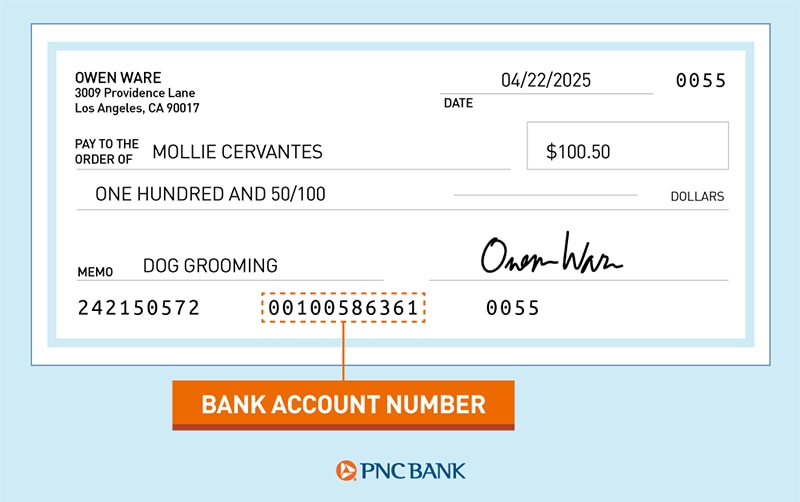
Perhaps the most classic method, your account number is prominently displayed on your personal or business checks and deposit slips.
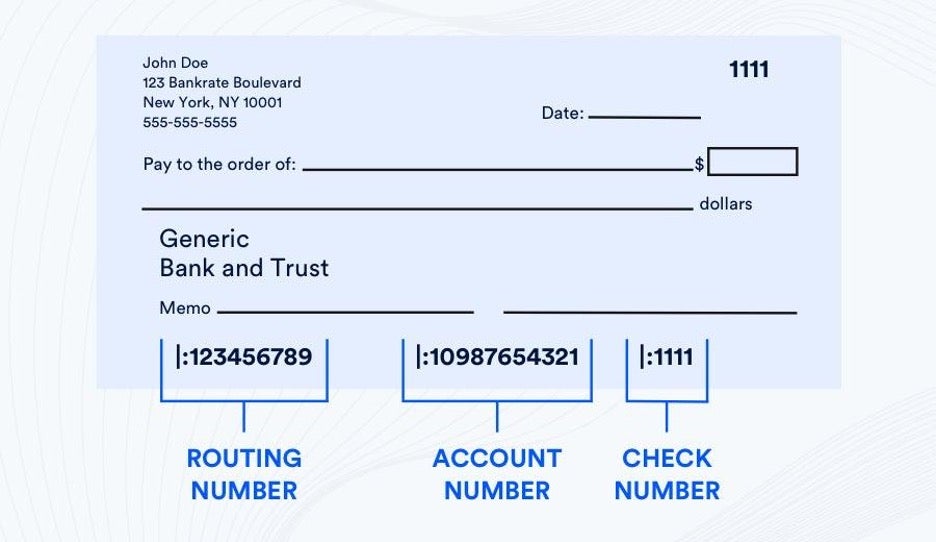
- Checks: Look at the bottom of a check. You’ll typically see three sets of numbers. From left to right:
- The routing number (9 digits).
- Your account number (usually 10-12 digits, but can vary).
- The check number.
The exact order can sometimes vary slightly, but the routing number is usually first, and the check number last.
- Deposit Slips: Similar to checks, deposit slips will have your routing and account numbers printed at the bottom. This is especially useful if you’ve run out of checks.
Keep in mind that if you have multiple checking accounts, each will have a unique account number. Savings accounts typically do not come with checks.
Through Online Banking Portals and Mobile Apps
In the digital age, your online banking portal or mobile app is often the quickest and most convenient way to access your account information.
- Online Banking: Log in to your bank’s website. Navigate to the specific account (checking or savings). Often, there will be an “Account Details,” “Account Information,” or “View Details” section. Your routing and account numbers will usually be displayed there. Some banks might require an extra verification step (like entering a password or a code sent to your phone) to view sensitive details.
- Mobile Apps: Similar to online banking, open your bank’s mobile app, select the desired account, and look for “Account Details” or a similar option. Due to screen size and security considerations, some apps might display these details in a less prominent location or require you to tap to reveal them.
Always ensure you are using a secure internet connection and the official app/website of your bank to avoid phishing scams.
Contacting Your Bank Directly (Phone, Branch Visit)
If digital methods aren’t an option or you prefer direct interaction, your bank can always provide your account number.
- Phone: Call your bank’s customer service line. Be prepared to go through a rigorous identity verification process, which may include providing your full name, address, date of birth, social security number (or business EIN), and answering security questions. Once verified, the representative can provide your account number.
- Branch Visit: Visit any branch of your bank. Bring a valid form of identification (driver’s license, passport) and be prepared for verification. A teller or customer service representative can look up your account details for you. This is often the most secure method if you’re uncomfortable accessing it digitally or over the phone.
Monthly Statements (Paper or Electronic)
Your monthly bank statements are another reliable source of your account information.
- Paper Statements: If you receive paper statements, your account number (and often the routing number) will be clearly printed at the top or bottom of the statement, usually near your name and address.
- Electronic Statements: For those enrolled in e-statements, you can access past statements through your online banking portal. Download a PDF copy of a recent statement, and you’ll find the account number in the same location as a paper statement.
It’s advisable to keep these statements in a secure location, whether physical or digital, as they contain a wealth of personal financial information.
Finding Account Numbers for Other Financial Products
Beyond standard checking and savings, various other financial products also utilize account numbers crucial for their management.
Credit Card Account Numbers (and Statement Access)
While the 16-digit number on the front of your credit card is for purchases, your actual credit card account number (sometimes called a primary account number or PAN, but not to be confused with the 16-digit embossed number) is typically a shorter number used for specific purposes, such as setting up direct payments from a bank account, contacting customer service, or disputing charges.
- Monthly Statements: The most reliable place to find your credit card account number is on your monthly credit card statement (paper or electronic). It’s usually listed near your name and address, or in the account summary section.
- Online Portal/App: Log in to your credit card issuer’s online portal or mobile app. Navigate to your account details. Some issuers will display a partial number for security, and you may need to click “show full account number” or similar for the complete sequence.
- Customer Service: Call the customer service number on the back of your card. After identity verification, they can provide it.
Investment and Brokerage Accounts
Investment accounts, including brokerage accounts, IRAs, 401(k)s, and mutual funds, also have unique account numbers for identification and transaction processing.
- Account Statements: Quarterly or annual statements from your brokerage or investment firm will clearly list your account number.
- Online Portal: Log in to your online investment account. The account number is usually visible on the main dashboard, account summary page, or in the “Account Profile” section.
- Correspondence: Any official letters or trade confirmations from your investment firm will typically include your account number.
- Customer Service: Call your investment firm’s client services.
Loan Accounts (Mortgage, Auto, Personal)
Whether it’s a mortgage, auto loan, student loan, or personal loan, each will have a distinct account number to track payments and outstanding balances.
- Monthly Statements/Payment Coupons: Your loan statements or payment coupons are the primary sources for your loan account number.
- Online Loan Portal: Most lenders provide an online portal where you can view your loan details, make payments, and find your account number.
- Loan Documents: The original loan agreement or closing documents will prominently feature your account number.
- Customer Service: Contact your lender’s customer service department.
Utility and Service Provider Accounts
Even non-financial services like electricity, gas, internet, and phone providers assign account numbers for billing and customer service.
- Bills: Your monthly utility bills are the most common place to find these account numbers.
- Online Portals: Log in to your service provider’s online account management portal.
- Customer Service: Call the provider’s customer service line.
Safeguarding Your Account Numbers: Best Practices
While knowing where to find your account numbers is essential, protecting them from unauthorized access is equally, if not more, critical. These numbers are gateways to your financial life.
Recognizing and Avoiding Phishing Scams
Phishing attacks are a primary threat. Scammers often attempt to trick you into revealing your account numbers (along with other personal information) through fake emails, texts, or websites impersonating legitimate institutions.
- Be Skeptical: Never click on suspicious links in emails or texts.
- Verify Senders: Always check the sender’s email address or phone number.
- Look for Red Flags: Poor grammar, urgent demands, threats, or unsolicited requests for personal information are major warning signs.
- Directly Access Websites: If you suspect an email is legitimate but want to verify, go directly to the official website by typing the URL into your browser, rather than clicking a link.
- Never Share Over Unsecured Channels: Financial institutions will rarely ask for your full account number or PIN via email or text.
Secure Storage Methods for Sensitive Information
How you store your account numbers can significantly impact your security.
- Avoid Writing Them Down Recklessly: Resist the urge to jot down account numbers on sticky notes or easily accessible documents.
- Secure Digital Storage: If you must store them digitally, use encrypted password managers (like LastPass, 1Password, Bitwarden) or secure, encrypted documents with strong, unique passwords. Avoid plain text files on your desktop.
- Physical Security: Keep paper statements, checks, and loan documents in a locked drawer, safe, or secure filing cabinet. Shred documents containing account numbers before discarding them.
- Memorization (Limited): For numbers you use frequently, memorizing them can be the most secure method, but this is impractical for all accounts.
When and How to Share Your Account Number Safely
Sharing your account number is sometimes necessary, but it should always be done with extreme caution.
- Only with Trusted Entities: Share only with legitimate financial institutions, employers for direct deposit, or verified service providers for authorized payments.
- Secure Channels Only: Provide account numbers over encrypted online forms (look for “https” and a padlock icon), secure phone calls (after verifying the caller), or in person at a verified location.
- Avoid Public Wi-Fi: Do not access or share sensitive financial information over unsecured public Wi-Fi networks.
- Limited Information: Provide only the specific account number requested, not extra details like your full Social Security number unless absolutely necessary and requested by a verified entity.
What to Do if Your Account Number is Compromised
If you suspect your account number has fallen into the wrong hands, act immediately.
- Contact Your Financial Institution: Notify your bank, credit card issuer, or lender immediately. They can monitor your account for fraudulent activity, freeze the account, or issue new account numbers.
- Review Your Statements: Scrutinize all your financial statements for any unauthorized transactions.
- Change Passwords: Update passwords for all associated online accounts.
- Report Identity Theft: Consider filing a report with the Federal Trade Commission (FTC) if you suspect broader identity theft.
- Place Fraud Alert: Contact one of the three major credit bureaus (Equifax, Experian, TransUnion) to place a fraud alert on your credit report.
Streamlining Your Financial Information Management
Effectively managing your account numbers and related financial information can save you time, reduce stress, and enhance your financial security.
Centralizing Account Information (with Caution)
While it’s risky to put all your financial eggs in one basket, a secure, centralized system for your financial information can be invaluable.
- Secure Document: Create a password-protected document or spreadsheet (encrypted, if possible) that lists all your financial accounts, their respective institutions, and where to find the account number (e.g., “online banking portal under ‘Account Details'”). Do not directly store the full account numbers in this document unless it is exceptionally secure, like within a dedicated password manager.
- Physical Binder: A physical binder kept in a locked safe or secure location can hold copies of statements, agreements, and a master list of your accounts.
The key is to have a system that is both accessible to you and impenetrable to others.
Leveraging Financial Management Tools
Modern financial technology offers tools that can help you keep tabs on your accounts without necessarily revealing full account numbers.
- Budgeting Apps (e.g., Mint, YNAB): These apps aggregate data from your linked accounts, giving you an overview of your financial landscape. While they connect to your bank accounts, they typically don’t display full account numbers directly in their interface for security reasons.
- Password Managers: As mentioned, these are excellent for storing account numbers, login credentials, and other sensitive notes securely encrypted.
- Bank Features: Many banks offer features within their online portals to nickname accounts, view balances across multiple accounts, and even set up alerts for suspicious activity, helping you manage your financial portfolio more effectively.

Regular Review and Updates of Your Financial Records
Financial life is dynamic. Accounts open, close, and numbers can sometimes change. A proactive approach to your financial records is essential.
- Annual Review: Set aside time annually to review all your financial accounts. Confirm you still need them, that all information is correct, and that you know where to find their respective account numbers.
- Update Information: If you change your name, address, or contact details, ensure all your financial institutions are updated.
- Shred Old Documents: Dispose of old statements and financial documents securely to prevent information leakage.
- Educate Yourself: Stay informed about new security threats and best practices for financial data protection.
Knowing where to find your account number is a foundational aspect of financial literacy and management. From setting up direct deposits to handling investments and ensuring secure transactions, these unique identifiers are indispensable. By understanding their significance, knowing the various locations where they can be found, and adopting rigorous security practices, you can navigate your financial landscape with confidence, efficiency, and peace of mind. Taking the time to organize and secure this critical information now will undoubtedly save you time, stress, and potential financial peril in the future.
aViewFromTheCave is a participant in the Amazon Services LLC Associates Program, an affiliate advertising program designed to provide a means for sites to earn advertising fees by advertising and linking to Amazon.com. Amazon, the Amazon logo, AmazonSupply, and the AmazonSupply logo are trademarks of Amazon.com, Inc. or its affiliates. As an Amazon Associate we earn affiliate commissions from qualifying purchases.