
In an increasingly digital financial landscape, the physical check might seem like a relic of the past for some. However, for countless transactions ranging from setting up direct deposits to making secure payments, the humble check remains a vital instrument. More importantly, it holds some of your most critical financial identifiers. Knowing precisely where to locate your account number, alongside other crucial details, isn’t just about understanding a piece of paper; it’s about empowering yourself with fundamental financial literacy and safeguarding your money.
Your account number is the unique identifier for your specific bank account, much like a social security number identifies an individual. It’s the key to various financial operations, both paper-based and digital. Without this knowledge, you might find yourself unable to set up essential services, reconcile statements, or even perform basic banking tasks. This article will demystify the anatomy of a check, pinpointing exactly where your account number resides and explaining why this information is indispensable for effective personal finance management.

Deconstructing the Anatomy of a Check: Key Identifiers
A check is far more than just a pre-printed slip of paper; it’s a meticulously designed financial instrument embedded with specific codes that facilitate secure and automated transactions. Understanding its layout is the first step in mastering its utility and, crucially, in locating your account number. While elements like the date, payee line, amount boxes, and signature line are self-explanatory to anyone who has ever written a check, the real banking magic happens in the specialized codes at the bottom.
The Magnetic Ink Character Recognition (MICR) Line: Your Check’s DNA
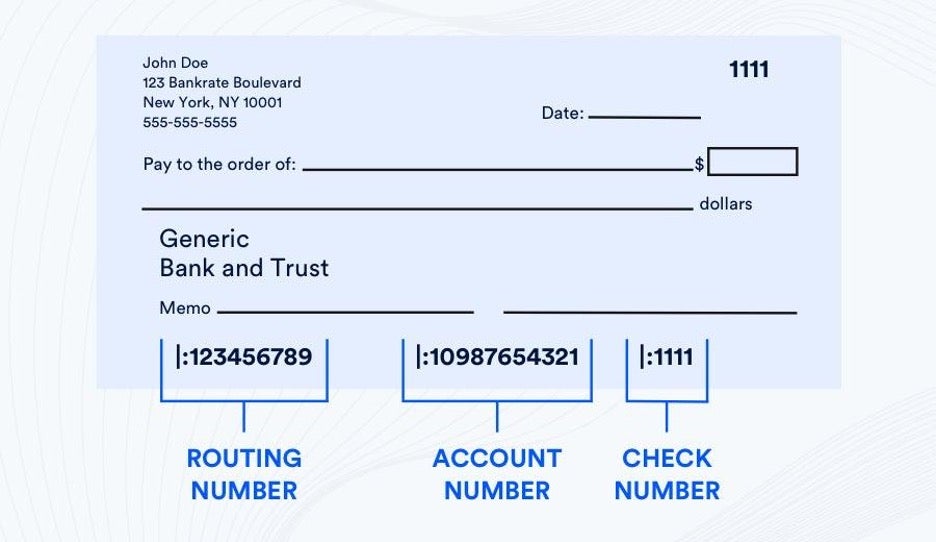
At the very bottom of every check is a distinctive line of numbers printed in a unique font using magnetic ink. This is known as the Magnetic Ink Character Recognition (MICR) line. This special ink allows check-processing machines to quickly and accurately read the information, even if the check is slightly wrinkled or smudged. The MICR line is the backbone of automated check processing, enabling banks to route funds to the correct accounts without manual intervention. It’s where your bank’s address, your specific account, and the check’s identifier are all encoded.
Pinpointing Your Account Number (DDA Number)
Your account number, often referred to as your Demand Deposit Account (DDA) number, is the primary identifier for your specific checking account. On most personal checks in the United States, it is typically the middle set of numbers within the MICR line. It usually appears after the routing number and before the individual check number, though some banks might arrange it differently. This number is unique to your account and distinguishes it from every other account at your financial institution. It’s usually between 9 and 12 digits long.
If you visualize the MICR line, you’ll generally see three distinct groups of numbers. The first group is typically the routing number, the last group is the check number (matching the number in the upper right corner), and the middle group is almost always your account number. For example:
|: 123456789 :|: 9876543210 :|: 0001 :|
In this example, 9876543210 would be the account number. Always confirm with your bank if you are unsure, as layout variations can exist, especially in different countries or for specific account types.
Understanding the Routing Number: Your Bank’s Address
The first set of numbers on the MICR line, preceding your account number, is the routing number. Also known as an ABA (American Bankers Association) routing transit number, this nine-digit code identifies the specific financial institution that holds your account. Think of it as your bank’s address in the vast network of the financial system. When you initiate a transaction, the routing number tells other banks where to send or retrieve the funds. Different types of transactions, such as wire transfers versus ACH payments, might even use different routing numbers for the same bank, so it’s essential to use the correct one for the specific transaction.
The Check Number: Tracking Your Transactions
The final set of numbers on the MICR line, often accompanied by a distinct symbol, is the check number. This number matches the pre-printed check number found in the upper right-hand corner of the check. Its primary purpose is to provide a unique identifier for each individual check within your checkbook. It helps you, and your bank, track and reconcile your transactions, ensuring that every payment is accounted for and that no checks are missing or duplicated. This sequential numbering is crucial for maintaining accurate financial records.
Why Your Account Number Is Crucial for Personal Finance
Beyond simply identifying your account, your account number plays a pivotal role in nearly every significant financial transaction you undertake. Its importance extends far beyond just writing a physical check, making it an indispensable piece of information for modern financial management.
Setting Up Direct Deposits
Perhaps one of the most common and vital uses of your account number is for setting up direct deposits. Whether it’s your employer sending your paycheck, a government agency delivering benefits, or an investment firm disbursing dividends, direct deposit ensures your funds land securely and promptly in your account. You’ll typically provide your bank’s routing number and your specific account number on a direct deposit form, eliminating the need for physical checks and speeding up access to your money. This reduces the risk of lost or stolen checks and offers unparalleled convenience.
Facilitating Automated Payments and Bill Pay
In an era of recurring subscriptions and automated bill payments, your account number is central to managing your outflows. Many utility companies, landlords, mortgage lenders, and service providers offer the option to deduct payments directly from your checking account. Setting these up requires providing both your bank’s routing number and your account number. Furthermore, most online banking platforms offer a “bill pay” service where you can schedule one-time or recurring payments to various vendors, leveraging your account number to ensure the funds are disbursed from the correct source. Accuracy here is paramount to avoid missed payments and potential late fees.
Initiating Wire Transfers and ACH Transactions
For larger, time-sensitive, or specific types of fund transfers, your account number is indispensable. Wire transfers, which are immediate and irreversible, require your bank’s routing number and your account number to send or receive funds, often used for real estate transactions or international transfers. ACH (Automated Clearing House) transactions, on the other hand, are batch-processed electronic payments, used for direct deposits, recurring bill payments, and interbank transfers. Both require your account number to correctly identify the origin or destination of funds, highlighting the importance of accurate data entry for preventing costly errors.
Reconciling Your Bank Statements
Periodically reviewing your bank statements is a critical personal finance habit. Your account number, displayed prominently on these statements, helps you confirm you are reviewing the correct account. More importantly, understanding the flow of funds into and out of your specific account allows you to cross-reference transactions against your personal records, identify any discrepancies, detect unauthorized transactions, and ensure all your financial activities are accurately reflected. This proactive approach is vital for financial security and health.
Safeguarding Your Financial Information: Best Practices
Because your account number is a gateway to your funds, protecting it is as important as knowing where to find it. Financial security isn’t just about strong passwords; it’s about intelligent habits in the physical and digital world.
Handling Physical Checks Responsibly
Despite the rise of digital banking, physical checks still exist and carry your sensitive information. Always store unused checks in a secure place, away from prying eyes. When a check is voided or expired, shred it thoroughly rather than simply tossing it. Be cautious when writing checks in public places, ensuring your account information isn’t visible to others. Similarly, if you receive checks, deposit them promptly and shred any payment stubs that might contain your account details.
Protecting Your Account Number Online
The digital realm presents its own set of challenges. Only share your account number with trusted entities and through secure channels (e.g., your employer’s secure HR portal, your bank’s official website). Be extremely wary of unsolicited emails, texts, or calls asking for your account information; these are common phishing and vishing scams. Always verify the authenticity of a request through official, known contact methods before divulging any sensitive data. Ensure any website where you enter financial details uses HTTPS encryption (indicated by a padlock icon in your browser’s address bar).
The Risks of Unauthorized Access
The consequences of your account number falling into the wrong hands can be severe. It can lead to identity theft, where fraudsters use your information to open new accounts or commit other financial crimes in your name. More directly, unauthorized individuals could attempt to make fraudulent withdrawals or payments from your existing account. If you suspect your account number has been compromised, contact your bank immediately to report the breach and discuss steps to secure your account, which may include closing it and opening a new one. Time is of the essence in these situations.
Beyond the Physical Check: Accessing Your Account Number Digitally
While this article focuses on locating your account number on a physical check, it’s important to recognize that modern banking offers several other convenient and secure ways to access this vital information without needing a checkbook.
Online Banking Portals and Mobile Apps
Your bank’s online banking portal or mobile app is typically the easiest and most secure place to find your account number. After logging in, navigate to your account details or summary page. Most banks will display your full account number there, though some might initially mask certain digits for security, requiring an extra click or verification step to reveal the complete number. You can often download a digital copy of a voided check or a direct deposit form from these platforms, which will clearly list both your routing and account numbers.
Bank Statements and Official Documents
Whether you receive physical mail statements or opt for electronic statements (e-statements), your account number will be prominently displayed on them. This is a reliable source, as statements are official documents from your bank. Similarly, any official documents related to your account, such as account opening agreements, loan documents, or direct deposit confirmation forms, will also contain your full account number. Keep these documents organized and stored securely.
Contacting Your Bank Directly
If you’re unable to find your account number through digital means or on a physical check, your bank is always a resource. You can call their customer service line or visit a local branch. Be prepared to go through rigorous identity verification procedures, which typically involve answering security questions, providing personal details, or presenting identification in person. This ensures that your sensitive financial information is only shared with you.
Common Pitfalls and Troubleshooting
Even with a clear understanding of where to find your account number, certain situations can lead to confusion or require specific actions. Being aware of these common pitfalls can save you time and prevent potential financial headaches.
Mismatched Information
Occasionally, the numbers printed on your checks might not precisely match the account information your bank has on file, especially if there have been account mergers, changes, or if you ordered checks from a third-party vendor without proper verification. If a transaction consistently fails or you receive warnings about incorrect account details, always verify your account number directly with your bank. If the checks are indeed outdated or incorrect, you will need to order new ones.
Voided Checks for Verification
Many employers or service providers will request a “voided check” when setting up direct deposits or recurring payments. The purpose of a voided check is not for them to cash it, but rather to obtain your correct routing and account numbers visually and prevent data entry errors. To void a check, simply write “VOID” in large letters across the front of the check, ensuring it doesn’t obscure the MICR line. This renders the check unusable for payment but still serves its verification purpose.
When to Order New Checks
You should order new checks not just when you’re running low, but also if there are any changes to your account number, bank merger, or if you suspect your current checks have been compromised. Using outdated checks with incorrect routing or account numbers can lead to failed transactions, delays, and potential fees. Regularly review your check supply and banking details to ensure your information is always current.

Conclusion
Understanding “where is your account number on your check” is more than a simple geographical query; it’s a foundational element of personal financial literacy. Your account number is a critical identifier that unlocks a myriad of financial services, from automated payments to secure deposits. By familiarizing yourself with the MICR line, recognizing the distinct segments for the routing number, account number, and check number, you gain a deeper appreciation for the mechanics of your banking transactions.
Beyond mere identification, this knowledge empowers you to actively manage your finances, set up essential services, and meticulously reconcile your statements. Crucially, it also forms the basis of responsible financial security. Protecting your account number, whether on a physical check or in the digital realm, is an ongoing responsibility that demands vigilance and smart habits. In an increasingly complex financial world, knowing these fundamental details isn’t just convenient—it’s essential for maintaining control and confidence in your financial journey.
aViewFromTheCave is a participant in the Amazon Services LLC Associates Program, an affiliate advertising program designed to provide a means for sites to earn advertising fees by advertising and linking to Amazon.com. Amazon, the Amazon logo, AmazonSupply, and the AmazonSupply logo are trademarks of Amazon.com, Inc. or its affiliates. As an Amazon Associate we earn affiliate commissions from qualifying purchases.