
In today’s diverse financial landscape, credit cards are more than just tools for spending; they are powerful instruments for building credit, earning rewards, managing cash flow, and providing financial flexibility. However, for many, the initial question remains: “Where can I apply for a credit card?” The options are vast, ranging from traditional brick-and-mortar banks to innovative online platforms and niche financial institutions. Navigating this landscape requires not only knowing where to look but also understanding what to look for, depending on your financial goals and credit profile.
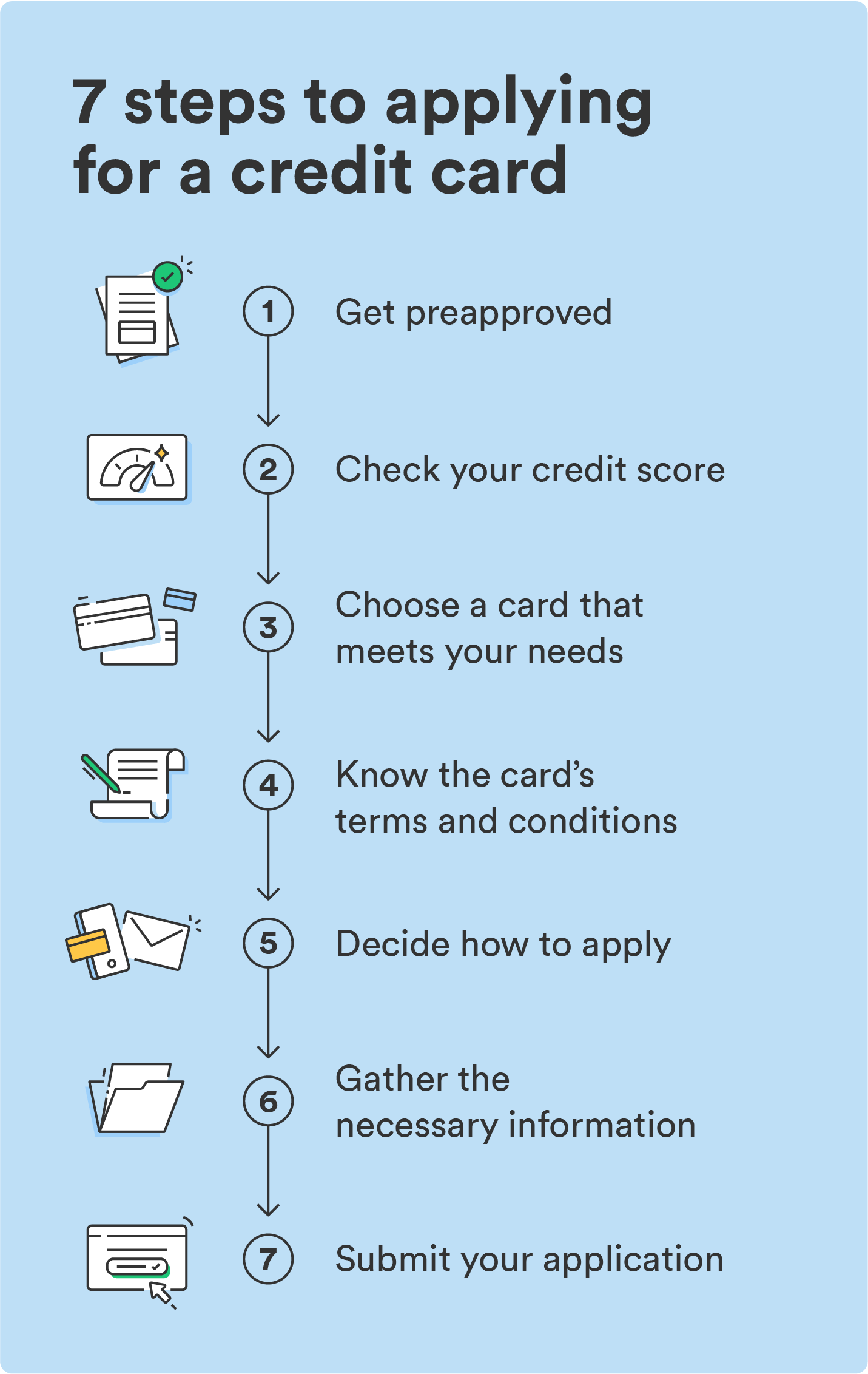
This comprehensive guide will demystify the various avenues available for credit card applications. We’ll explore the major types of issuers, delve into the critical factors to consider before applying, and outline the different methods of application. Our aim is to equip you with the knowledge to make an informed decision, ensuring you choose the right card from the right place to meet your personal finance objectives.
Understanding Your Options: The Major Credit Card Issuers
The first step in applying for a credit card is recognizing the different types of institutions that issue them. Each category comes with its own set of advantages, product offerings, and application experiences.
Traditional Banks
Traditional banks are perhaps the most familiar face in the credit card world. These are large, established financial institutions with extensive branch networks and a wide array of financial products.
- Who they are: Think household names like Chase, Bank of America, Wells Fargo, Citibank, and U.S. Bank. These institutions have been pillars of the financial industry for decades, offering everything from checking accounts to mortgages and, of course, credit cards.
- Pros: They offer a vast selection of credit cards, catering to different credit scores and reward preferences (e.g., travel, cashback, balance transfer). If you already bank with them, you might find the application process smoother due to an existing relationship, and they often have physical branches where you can seek in-person assistance. Their customer service infrastructure is generally robust.
- Cons: While offering variety, their criteria for premium cards can be quite stringent. Sometimes, their introductory offers might not be as aggressive as those from newer, online-focused competitors.
Credit Unions
Credit unions operate on a different model; they are not-for-profit financial cooperatives owned by their members. Their primary goal is to serve their members rather than generate profits for shareholders.
- Who they are: Examples include Navy Federal Credit Union, Alliant Credit Union, and thousands of smaller, local credit unions. Membership is usually tied to specific criteria, such as employer, geographic location, or association affiliation.
- Pros: Credit unions are renowned for offering competitive interest rates, lower fees, and a more personalized customer service experience. Their focus on member well-being often translates to more forgiving lending practices and a willingness to work with individuals who might have less-than-perfect credit.
- Cons: Membership requirements can restrict access. They typically have fewer physical branches than large banks, and their rewards programs, while present, may not be as extensive or flashy as those offered by major issuers.
Online-Only Banks and Fintech Companies
The digital age has ushered in a new breed of financial services, including online-only banks and innovative financial technology (fintech) companies. These entities leverage technology to streamline operations and offer unique products.
- Who they are: While some traditional banks like Discover and Capital One have very strong online presences, pure online banks (e.g., Chime, Varo) and fintech companies (like those behind the Apple Card, powered by Goldman Sachs) operate primarily, if not exclusively, online.
- Pros: They excel at streamlined online application processes, often providing quick decisions. Many offer innovative features, user-friendly mobile apps, and may be more accessible to individuals with diverse credit profiles, sometimes focusing on credit-building products. Their overheads are lower, which can sometimes translate to better rates or features for consumers.
- Cons: The lack of physical branches means all interactions are digital or over the phone, which might be a drawback for those who prefer face-to-face assistance. They might not offer the full suite of banking services that a traditional bank does.
Retailers and Co-Branded Cards
Many retailers and service providers partner with banks to offer co-branded credit cards. These cards often provide specific loyalty benefits related to the partner brand.
- Who they are: Think of cards like the Amazon Rewards Visa Signature Card, the Target RedCard, airline co-branded cards (e.g., Delta SkyMiles American Express), or hotel loyalty cards (e.g., Marriott Bonvoy Boundless Visa).
- Pros: These cards are excellent for individuals loyal to a specific brand, offering perks like discounts, exclusive rewards points, or enhanced loyalty status within that brand’s ecosystem. They can also be easier to obtain, sometimes even at the point of sale in a store.
- Cons: The rewards are often limited to purchases made with the specific retailer or brand. They might come with higher Annual Percentage Rates (APRs) and can sometimes encourage overspending if not managed carefully.
Navigating the Application Process: Key Considerations
Before you even begin to fill out an application, there are crucial steps and considerations that can significantly impact your approval odds and ensure you choose a card that truly benefits your financial health.
Checking Your Credit Score and Report
Your credit score and report are the gatekeepers to most credit card approvals. They provide lenders with an snapshot of your financial reliability.
- Why it’s crucial: Lenders use your credit score (e.g., FICO, VantageScore) to assess your creditworthiness. A higher score typically leads to better card offers, including lower interest rates and more generous rewards. Your credit report details your borrowing history, payment patterns, and any delinquencies.
- How to check: You are entitled to a free copy of your credit report from each of the three major bureaus (Equifax, Experian, TransUnion) once every 12 months via AnnualCreditReport.com. Many banks and credit card companies also offer free credit score monitoring services.
- Understanding factors: Lenders evaluate several factors: your payment history (most important), credit utilization (how much credit you’re using vs. available), length of credit history, new credit applications, and credit mix (types of accounts). Understanding these helps you gauge your approval odds.
Choosing the Right Card for Your Needs
With countless credit cards available, selecting the right one can feel overwhelming. Focus on what you need most.
- Rewards vs. Low Interest: Are you looking to maximize rewards (cashback, travel points, specific merchandise) or minimize interest payments (e.g., if you plan to carry a balance or need a 0% APR balance transfer)?
- Secured vs. Unsecured: If you have limited or poor credit, a secured credit card (which requires a cash deposit as collateral) is an excellent tool for building or rebuilding credit. Unsecured cards, which are standard, don’t require a deposit.
- Annual Fees: Some premium cards offer extensive benefits that can outweigh their annual fees, especially for frequent travelers or high spenders. For others, a no-annual-fee card is preferable.
- Introductory Offers: Look for sign-up bonuses (e.g., spend X amount, get Y points) or 0% APR periods on purchases or balance transfers. Ensure you can meet the spending requirements without overextending yourself.
- Foreign Transaction Fees: If you travel internationally, choose a card that doesn’t charge these fees, typically 2-3% of each foreign transaction.
Gathering Necessary Documentation
Preparation simplifies the application process. While specific requirements may vary slightly, generally you’ll need:
- Personal Information: Full name, current address, date of birth, Social Security Number (SSN) or Individual Taxpayer Identification Number (ITIN), and contact information.
- Financial Information: Your total gross annual income (from all sources), employment status, and sometimes details about rent/mortgage payments.
- Identification: A valid government-issued ID, such as a driver’s license or state ID.
Understanding Approval Odds and Strategies
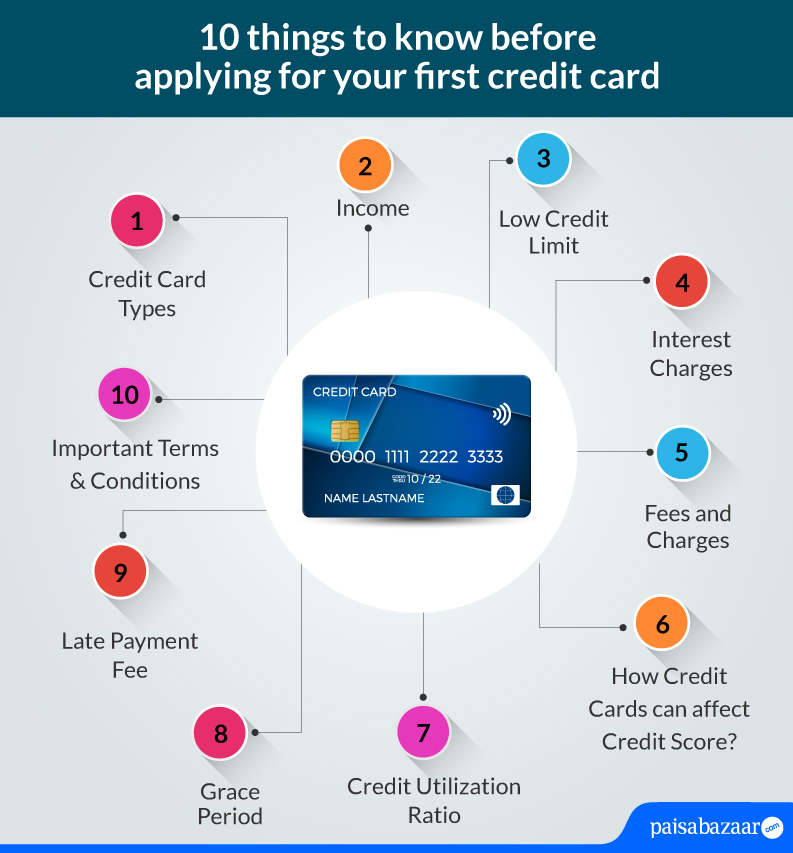
Applying for a credit card involves a “hard inquiry” on your credit report, which can slightly lower your score temporarily. Therefore, it’s wise to apply strategically.
- Pre-qualification vs. Pre-approval: Many issuers offer a “pre-qualification” or “pre-approval” tool that uses a “soft inquiry” (no impact on your score) to gauge your eligibility for certain cards. This can give you a good indication of your approval odds before committing to a full application.
- The “Shotgun” Approach: Avoid applying for multiple cards simultaneously, as this can trigger several hard inquiries and signal to lenders that you might be a high-risk borrower.
- Starting Small: If you’re new to credit or rebuilding it, consider starting with a secured card, a student credit card, or a retail store card, as these often have more lenient approval criteria.
Where to Physically and Digitally Apply
Once you’ve done your research and prepared your documents, it’s time to choose how and where to submit your application.
Online Applications (The Most Common Method)
Applying online has become the most prevalent and convenient method for the vast majority of applicants.
- Directly on Issuer Websites: The most straightforward approach is to visit the official website of the credit card issuer (e.g., Chase.com, CapitalOne.com). This ensures you’re applying directly with the source and accessing the latest offers.
- Through Financial Comparison Sites: Websites like NerdWallet, Credit Karma, The Points Guy, and Forbes Advisor aggregate information from various issuers. They allow you to compare multiple cards side-by-side, filter by features, and often redirect you to the issuer’s site to complete the application. Some also offer pre-qualification tools.
- Pros: Unparalleled convenience, speed (applications can take mere minutes), access to detailed product information, and the ability to compare numerous offers from different issuers simultaneously.
- Cons: Can be impersonal, and the sheer volume of options might be overwhelming for some. You must be vigilant to ensure you are on a legitimate and secure website to protect your personal information.
In-Branch Applications
For those who prefer a more traditional and personal approach, applying in person at a bank or credit union branch is still a viable option.
- At Your Existing Bank or Credit Union: If you have an established relationship with a financial institution, applying in person can be advantageous. Branch staff can answer questions, guide you through the process, and sometimes even offer insights into your specific approval chances based on your existing accounts.
- Pros: Personalized assistance, the ability to ask direct questions, and the opportunity to build rapport with a financial representative. This can be particularly helpful for complex applications or if you need help understanding terms.
- Cons: Time-consuming (requires a physical visit), and you are limited to the products offered by that specific institution, which might not be the best fit compared to the broader market.
Mail Offers and Telephone Applications
While less common as a primary application method, these avenues still exist.
- Pre-selected Offers Received in the Mail: Many banks send out “pre-selected” or “invitation to apply” offers via postal mail. These often indicate a higher likelihood of approval if you meet specific criteria, as the issuer has already done a soft pull of your credit. These offers usually come with a unique code you can use online or over the phone.
- Telephone Applications: You can typically apply for a credit card by calling the issuer’s customer service line. This is often used for responding to mail offers or for individuals who prefer speaking directly with a representative.
- Pros: Pre-selected offers can signal better approval odds. Telephone applications offer a direct human interaction.
- Cons: Less immediate than online applications, and you must be cautious of potential scams if you receive unsolicited offers via channels other than direct mail from reputable issuers.
Mobile Banking Apps
For customers of banks that offer credit cards, applying directly through their mobile banking application is an increasingly popular and integrated option.
- Applying Directly Through Your Bank’s App: Many major banks have integrated credit card applications directly into their mobile apps. If you’re an existing customer, the app may pre-fill some of your information, making the process quick and seamless.
- Pros: Extremely convenient if you’re an existing customer, often requiring minimal data entry.
- Cons: Limited to the credit card offerings of your specific bank.
Common Pitfalls and Best Practices
Securing a credit card is just the first step. Responsible management is key to leveraging its benefits without falling into common traps.
Avoiding Excessive Hard Inquiries
Each full credit card application results in a “hard inquiry” on your credit report. A single inquiry usually has a minor, temporary impact, but too many in a short period can signal financial distress to lenders and lower your credit score more significantly. Be strategic and only apply for cards you genuinely need and for which you have a reasonable chance of approval.
Reading the Fine Print
Before accepting any credit card, meticulously read the terms and conditions. Pay close attention to:
- Interest Rates (APR): Understand the purchase APR, cash advance APR, and penalty APR.
- Fees: Annual fees, late payment fees, balance transfer fees, foreign transaction fees, and cash advance fees.
- Grace Periods: The time between your statement closing date and your payment due date, during which no interest is charged if you pay your balance in full.
Responsible Credit Card Use
A credit card is a tool that requires discipline.
- Pay On Time, Every Time: This is the most crucial factor for building a good credit history.
- Keep Utilization Low: Aim to keep your credit utilization ratio (the amount of credit you’re using divided by your total available credit) below 30% to maintain a healthy credit score.
- Avoid Carrying a Balance: Unless you have a 0% APR offer, carrying a balance means paying interest, which negates any rewards you might earn.

Protecting Your Information
In an increasingly digital world, safeguarding your personal and financial data is paramount.
- Secure Websites: Always ensure the website you’re using for applications is secure (look for “https://” in the URL and a padlock icon).
- Strong Passwords: Use unique, complex passwords for your online banking and credit card accounts.
- Monitor Statements: Regularly review your credit card statements and credit reports for any unauthorized activity.
Finding the right credit card and the best place to apply for it hinges on thorough research and a clear understanding of your financial situation. Whether you prefer the personalized service of a credit union, the vast options of a traditional bank, or the streamlined process of an online issuer, there’s a credit card out there for you. By carefully considering your credit profile, your financial goals, and the specific terms of the card, you can confidently navigate the application landscape and choose a financial tool that genuinely serves your needs and helps you build a robust financial future.
aViewFromTheCave is a participant in the Amazon Services LLC Associates Program, an affiliate advertising program designed to provide a means for sites to earn advertising fees by advertising and linking to Amazon.com. Amazon, the Amazon logo, AmazonSupply, and the AmazonSupply logo are trademarks of Amazon.com, Inc. or its affiliates. As an Amazon Associate we earn affiliate commissions from qualifying purchases.