
Embarking on the journey of acquiring a credit card is a significant step in managing your personal finances. For many, it’s the gateway to building a credit history, unlocking rewards, and gaining financial flexibility. However, it’s a tool that demands respect and responsible usage. Signing up for a credit card isn’t just about filling out a form; it’s about making an informed decision that aligns with your financial goals and understanding the long-term implications. This guide will meticulously walk you through every stage, from preliminary understanding to responsible management, ensuring you approach credit card ownership with confidence and foresight.
Understanding Credit Cards Before You Apply
Before you even consider which card to apply for, a foundational understanding of what credit cards are, how they function, and the terminology associated with them is paramount. This initial knowledge empowers you to make intelligent choices and avoid common pitfalls.
What is a Credit Card and How Does It Work?
At its core, a credit card is a revolving line of credit extended to you by a financial institution (the issuer). Unlike a debit card, which draws money directly from your bank account, a credit card allows you to borrow money up to a pre-set limit to make purchases. When you use your credit card, you are essentially taking out a short-term loan that you promise to repay. The issuer sends you a monthly statement detailing your purchases, payments, and the minimum amount due. If you pay your balance in full by the due date, you typically avoid interest charges. If you carry a balance, interest accrues on the unpaid amount, making your purchases more expensive. This mechanism forms the backbone of how credit cards facilitate transactions and impact your financial health.
The Benefits and Risks of Credit Card Ownership
Credit cards offer a myriad of benefits when used wisely. They are invaluable for building a credit history, which is crucial for future financial endeavors like securing a mortgage or car loan. Many cards offer rewards programs – points, cash back, or travel miles – that can effectively save you money or provide valuable perks. They also offer convenience and security, providing fraud protection that debit cards sometimes lack, and a universal payment method accepted almost everywhere. Furthermore, they can serve as a vital financial lifeline in emergencies.
However, the risks associated with credit card ownership are equally significant if not managed properly. The most prominent risk is accumulating high-interest debt. If you consistently carry a balance and only pay the minimum due, interest charges can quickly spiral out of control, making it incredibly difficult to pay off your debt. Late payments can incur hefty fees and severely damage your credit score. Overspending, identity theft, and the temptation to live beyond one’s means are also real dangers. Responsible credit card use is a delicate balance, harnessing the benefits while diligently mitigating the risks.
Key Credit Card Terms to Know
Navigating the world of credit cards requires familiarity with specific jargon. Understanding these terms will help you comprehend card agreements and make informed decisions:
- APR (Annual Percentage Rate): This is the annual interest rate charged on your outstanding balance if you don’t pay in full. It can be fixed or variable.
- Annual Fee: Some cards charge a yearly fee for the privilege of ownership, often associated with premium rewards or travel cards.
- Credit Limit: The maximum amount of money you are allowed to borrow on the card at any given time.
- Grace Period: The period between the end of your billing cycle and your payment due date, during which no interest is charged on new purchases if you pay your full balance.
- Minimum Payment: The smallest amount you must pay by the due date to keep your account in good standing. Paying only the minimum can lead to higher interest charges and a longer debt repayment period.
- Balance Transfer: Moving debt from one credit card to another, often to take advantage of a lower introductory APR.
- Cash Advance: Withdrawing cash from your credit card, typically incurring high fees and interest immediately with no grace period.
Types of Credit Cards
The market is saturated with various types of credit cards, each designed for different financial profiles and spending habits:
- Rewards Credit Cards: Offer points, cash back, or miles for every dollar spent.
- Balance Transfer Credit Cards: Feature low or 0% introductory APRs for transferring existing debt.
- Secured Credit Cards: Require a cash deposit as collateral, ideal for those with no credit or bad credit.
- Student Credit Cards: Tailored for college students, often with lower limits and specific perks.
- Travel Credit Cards: Offer benefits like airline miles, hotel points, lounge access, and travel insurance.
- Low-Interest Credit Cards: Prioritize a low ongoing APR over rewards.
- Business Credit Cards: Designed for business expenses and often offer business-specific rewards or reporting.
Choosing the right type depends on your credit standing, spending patterns, and financial objectives.
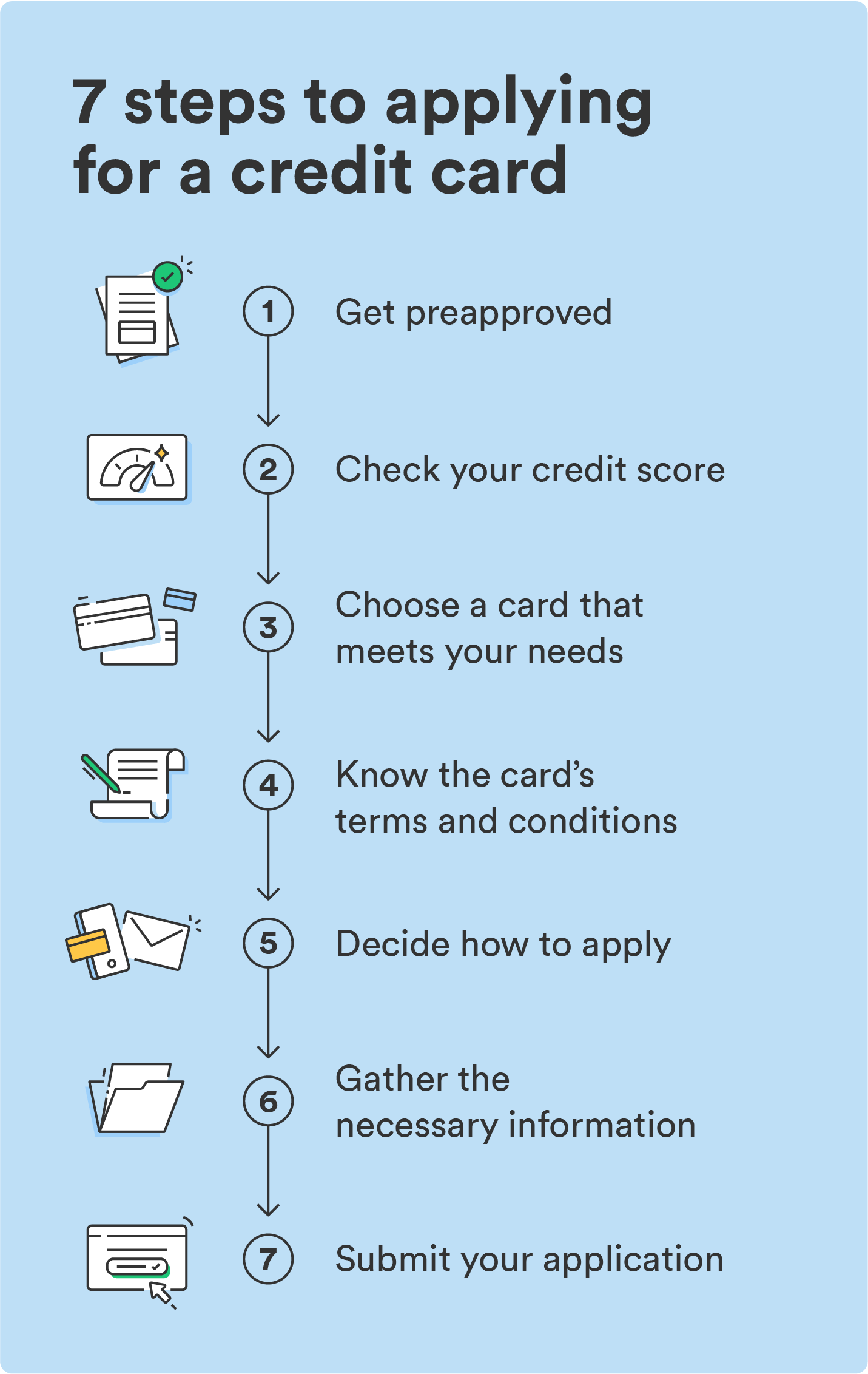
Preparing for Your Credit Card Application
Applying for a credit card isn’t a spontaneous act. Thorough preparation significantly increases your chances of approval and ensures you select a card that genuinely serves your interests.
Assessing Your Financial Readiness
Before applying, take a candid look at your personal finances. Do you have a stable income? Can you comfortably afford to make monthly payments, preferably in full? Do you have an emergency fund? If your financial situation is precarious, adding a line of credit might exacerbate existing problems rather than solve them. It’s crucial to ensure you have the discipline and capacity to manage credit responsibly. This assessment involves understanding your monthly income versus your fixed and variable expenses, identifying any potential for overspending, and determining how a new debt obligation would fit into your budget.
Understanding Your Credit Score (FICO/VantageScore)
Your credit score is a numerical representation of your creditworthiness, a three-digit number that lenders use to assess the risk of lending money to you. The most common scoring models are FICO and VantageScore. A higher score (generally above 670) indicates lower risk and opens the door to better credit card offers, including lower APRs and higher credit limits.
You can obtain a free copy of your credit report annually from each of the three major credit bureaus (Experian, Equifax, and TransUnion) via AnnualCreditReport.com. Reviewing your report allows you to check for inaccuracies and understand the factors influencing your score, such as payment history, amounts owed, length of credit history, credit mix, and new credit. If your score is low or non-existent, focusing on building credit responsibly (e.g., with a secured card or as an authorized user) should precede applying for premium cards.
What Lenders Look For
When you apply for a credit card, issuers evaluate several factors to determine your eligibility and credit limit. These often include:
- Income: Lenders want to see a stable source of income that demonstrates your ability to repay borrowed funds. While there isn’t a strict minimum, a higher income generally allows for higher credit limits.
- Debt-to-Income Ratio (DTI): This ratio compares your total monthly debt payments to your gross monthly income. A lower DTI indicates you have more disposable income to handle new debt.
- Credit History: Lenders examine your credit reports for patterns of responsible borrowing, including payment history, length of credit accounts, and types of credit utilized. A history of timely payments is crucial.
- Credit Utilization Ratio: This is the amount of credit you’re using compared to your total available credit. Lenders prefer to see this ratio below 30% as it indicates you’re not over-reliant on credit.
- Residence and Employment Stability: A stable job and residence signal reliability to lenders.
Gathering Necessary Documentation
To streamline the application process, have the following information and documents readily available:
- Personal Information: Full name, date of birth, Social Security Number (SSN) or Individual Taxpayer Identification Number (ITIN).
- Contact Information: Current home address, phone number, and email address.
- Employment and Income Details: Your employer’s name and address, job title, annual gross income, and potentially sources of other income.
- Financial Information: Bank account details (for verification or payment setup).
- Government-Issued ID: Driver’s license or state ID may be required for in-person applications or further verification.
Having these prepared reduces errors and speeds up the application review process.
Navigating the Application Process
Once you’ve done your homework, the actual application process is relatively straightforward. However, making informed decisions at this stage is crucial.
Choosing the Right Credit Card for Your Needs
This is perhaps the most critical step. Based on your financial assessment, credit score, and understanding of different card types, narrow down your choices. Consider:
- Your Spending Habits: Do you spend a lot on groceries, gas, or travel? Look for cards with bonus rewards in those categories.
- Your Credit Score: Are you building credit, rebuilding it, or do you have excellent credit? This will dictate which cards you qualify for.
- Your Financial Goals: Are you aiming to earn rewards, transfer a balance, or simply establish credit?
- Fees and Interest Rates: Compare annual fees, foreign transaction fees, and the ongoing APR. If you always pay in full, the APR might be less critical, but it’s essential if you anticipate carrying a balance.
- Introductory Offers: Look for sign-up bonuses or 0% APR periods, but ensure you understand the terms and conditions after the introductory period ends.
Use reputable comparison websites and read reviews, but always cross-reference information with the issuer’s official website.

Online vs. In-Person Applications
Most credit card applications are now processed online, offering convenience and often instant or near-instant decisions. Online applications are typically secure and allow you to compare multiple cards efficiently.
Alternatively, you can apply in person at a bank branch. This can be beneficial if you prefer face-to-face assistance, have questions, or require guidance. Some secured cards or specific regional offerings might also be best applied for in person. Both methods are valid, but online applications have become the dominant standard due to their efficiency.
Filling Out the Application Form Accurately
Accuracy is paramount. Double-check all personal, financial, and employment information before submitting. Errors or inconsistencies can lead to delays or even outright denial. Be honest about your income and financial obligations; providing false information can have serious repercussions. Ensure your address matches your credit report to avoid identity verification issues. If any section is unclear, seek clarification rather than guessing. A well-completed application reflects diligence and professionalism.
What Happens After You Apply?
After submission, one of three outcomes typically occurs:
- Instant Approval: For applicants with strong credit and clear financial profiles, an instant approval message is common. Your credit limit and APR will be disclosed.
- Denial: If your application is denied, the lender is legally required to send you an Adverse Action Notice (typically within 7-10 business days) explaining the reasons for the denial. This notice is invaluable for understanding areas you need to improve for future applications.
- Pending Review: Often, applications require further manual review, especially if there are minor discrepancies, a borderline credit score, or if the lender needs more information. You might be asked to provide additional documents or verification. You can often check the status of your application online or by calling the issuer’s reconsideration line. If you believe you were unfairly denied or have additional information to provide, calling the reconsideration line can sometimes overturn an initial denial.
Responsible Credit Card Management Post-Approval
Getting approved for a credit card is just the beginning. The real test lies in how you manage it to build a positive credit history and leverage its benefits without falling into debt.
Activating Your Card and Setting Up Online Access
Upon receiving your new card in the mail, activate it immediately, usually by calling a toll-free number or activating online. This is also the ideal time to set up your online account with the issuer. Online access allows you to monitor your spending, view statements, make payments, and set up alerts for due dates or unusual activity, providing a crucial layer of control and security. Consider enrolling in paperless statements to reduce clutter and environmental impact.
Understanding Your Statement and Payment Due Dates
Every month, you’ll receive a statement summarizing your activity. Pay close attention to:
- Statement Closing Date: The date your current billing cycle ends.
- Payment Due Date: The deadline for making your payment to avoid late fees and interest charges.
- New Balance: The total amount you owe.
- Minimum Payment Due: The smallest amount you must pay.
- Credit Limit and Available Credit: How much you can still spend.
- Interest Charged (if any): Details if you carried a balance.
Always aim to pay your full statement balance by the due date. If that’s not possible, pay as much as you can above the minimum. Setting up automatic payments for at least the minimum amount can prevent late payments, but ideally, set it to pay the full statement balance if your finances allow.
Strategies for Building and Maintaining Good Credit
Responsible use of your credit card is the most effective way to build a strong credit profile:
- Pay On Time, Every Time: Payment history is the most significant factor in your credit score. Never miss a payment.
- Keep Credit Utilization Low: Aim to keep your spending below 30% of your total credit limit. For example, if your limit is $1,000, try not to carry a balance greater than $300.
- Don’t Close Old Accounts: The length of your credit history positively impacts your score. Keeping older, well-managed accounts open is beneficial.
- Monitor Your Credit Report: Regularly check your credit reports for errors and fraudulent activity. You can get free reports annually from AnnualCreditReport.com.
- Maintain a Mix of Credit: A healthy mix of credit (e.g., credit cards, installment loans like mortgages or car loans) can be beneficial, but only if managed responsibly.
Avoiding Common Pitfalls
Be vigilant about common credit card traps:
- High Interest Debt: Consistently carrying a balance can quickly lead to overwhelming debt due to compounding interest.
- Late Payments: These incur fees and severely damage your credit score, staying on your report for years.
- Only Paying the Minimum: While it avoids late fees, it prolongs debt and maximizes interest paid.
- Cash Advances: These are almost always a bad idea due to high fees and immediate, high-interest accrual.
- Opening Too Many Accounts Too Quickly: This can signal risk to lenders and slightly ding your score with multiple hard inquiries.
- Ignoring Statements: Always review your statements for accuracy and to track your spending.
Protecting Your Credit Card from Fraud
Credit card security is paramount. Always:
- Keep Your Card Secure: Don’t write down your PIN, and report lost or stolen cards immediately.
- Monitor Transactions: Regularly check your online statements for suspicious activity.
- Be Wary of Phishing Scams: Never give out your card details in response to unsolicited emails or calls.
- Use Strong Passwords: For online accounts, use unique, complex passwords and two-factor authentication.
- Shred Old Statements: Prevent dumpster diving fraud by securely disposing of documents containing personal financial information.
When to Consider Additional Credit Cards or Alternatives
As your financial journey evolves, you might consider expanding your credit portfolio or exploring other financial tools.
Strategic Use of Multiple Cards
For seasoned credit card users with excellent payment habits, strategically managing multiple credit cards can offer enhanced benefits. This might involve:
- Maximizing Rewards: Using different cards for specific spending categories (e.g., one for groceries, another for travel, another for gas) to maximize cash back or points.
- Credit Limit Expansion: Multiple cards increase your total available credit, which, if unused, can lower your overall credit utilization ratio and improve your score.
- Backup in Emergencies: Having an additional card can provide a financial safety net.
However, each new card requires responsible management. More cards mean more payments to track and a greater potential for debt if not handled with discipline.
Debt Consolidation and Balance Transfers
If you find yourself with high-interest debt spread across multiple cards, a balance transfer card might be a solution. These cards often offer an introductory 0% APR for a period (e.g., 12-18 months), allowing you to consolidate debt and pay it down without accumulating additional interest. Be aware of balance transfer fees (typically 3-5% of the transferred amount) and ensure you can pay off the balance before the introductory period ends. Alternatively, personal loans can also be used for debt consolidation, often with lower, fixed interest rates.

Exploring Alternatives to Credit Cards
While credit cards offer numerous benefits, they are not the only financial tool available, and sometimes, alternatives might be more suitable:
- Debit Cards: Directly linked to your checking account, preventing you from spending more than you have. Good for everyday purchases if you want to avoid debt.
- Prepaid Cards: Function like gift cards that you load with money. No credit check is required, making them accessible but they don’t help build credit.
- Personal Loans: An installment loan for a fixed amount, repaid over a set period with fixed monthly payments. Useful for larger purchases or debt consolidation, and can help diversify your credit mix.
- Buy Now, Pay Later (BNPL) Services: Offer interest-free installment payments for purchases, but can lead to overspending and late fees if not managed.
The decision to sign up for a credit card is a pivotal moment in your financial life. Approaching it with a clear understanding of its mechanics, a disciplined application process, and a commitment to responsible management will not only secure your financial standing but also empower you to leverage credit as a powerful tool for achieving your broader financial aspirations. Remember, a credit card is a privilege, not a right, and its effective use can unlock a world of financial opportunity.
aViewFromTheCave is a participant in the Amazon Services LLC Associates Program, an affiliate advertising program designed to provide a means for sites to earn advertising fees by advertising and linking to Amazon.com. Amazon, the Amazon logo, AmazonSupply, and the AmazonSupply logo are trademarks of Amazon.com, Inc. or its affiliates. As an Amazon Associate we earn affiliate commissions from qualifying purchases.