
In an increasingly digitized financial landscape, your account numbers serve as the unique identifiers for nearly every financial relationship you hold. From your daily checking account to your long-term investment portfolio, these sequences of digits are fundamental to managing your money, making transactions, and ensuring the smooth operation of your personal finances. While often overlooked until needed, knowing how to efficiently and securely locate these numbers is a critical skill for modern financial stewardship.
Whether you’re setting up a direct deposit, making a payment, initiating a transfer, or simply reconciling your records, access to your correct account numbers is paramount. This guide will demystify the process, exploring the various types of account numbers you’ll encounter, the most common methods for retrieving them, and crucial security practices to protect this sensitive information. By understanding these aspects, you empower yourself with greater control and confidence in managing your financial life.
Understanding Different Types of Account Numbers
The term “account number” is broad, encompassing various unique identifiers across different financial and service providers. Each type serves a distinct purpose and is used in specific contexts. Recognizing these distinctions is the first step in knowing where to look and what to look for.
Bank Accounts: Checking and Savings (Account vs. Routing Number)
When discussing bank accounts, it’s crucial to differentiate between your account number and your routing number.
- Account Number: This is the specific identifier for your individual checking or savings account within your financial institution. It’s unique to you and distinguishes your account from all others at that bank. You’ll typically need this for setting up direct deposits, automatic bill payments, or receiving wire transfers.
- Routing Number (ABA Routing Transit Number): This nine-digit number identifies your specific financial institution (bank or credit union) and its location. It’s essential for all electronic fund transfers, including ACH transactions (like direct deposit and automatic bill pay) and wire transfers, as it directs funds to the correct bank.
Both numbers are usually found together, but understanding their individual roles is key. For example, when setting up direct deposit, your employer needs both your account number and the bank’s routing number.
Credit Card Accounts: Card Number vs. Account Number
For credit cards, the 16-digit number prominently displayed on the front of your card is generally referred to as the card number or Primary Account Number (PAN). This is what you use for purchases online or in-store. However, some financial institutions might also refer to a separate, internal account number for your credit line, especially for administrative purposes or if you’re making a payment to the credit card from an external bank account. Often, when you call customer service, they might ask for the last few digits of your PAN or for a specific “account number” associated with your overall credit relationship, which might be distinct from the physical card number, especially if you have multiple cards under one main account. For making a payment to your credit card, you usually use the 16-digit card number or a specific payment ID provided by the issuer on your statement.
Investment Accounts: Brokerage and Retirement
Investment accounts, such as brokerage accounts, IRAs, or 401(k)s, also have unique identifiers. These account numbers are critical for logging into your online portal, authorizing trades, transferring assets, or contacting customer service. Unlike bank accounts, investment account numbers don’t typically have a separate “routing number” for direct transactions; instead, you usually link your investment account to an existing bank account using the bank’s routing and account numbers for deposits and withdrawals. Investment account numbers can vary significantly in length and format depending on the brokerage firm or retirement plan administrator.
Utility and Service Provider Accounts
Beyond core financial products, nearly every utility and service provider – electricity, gas, internet, phone, water, etc. – assigns you an account number. These are used for billing, payments, and customer service inquiries specific to your service. These numbers are crucial for setting up auto-pay, making one-time payments, or discussing service issues. They are typically found prominently on your monthly bills.
Loan Accounts: Mortgage, Auto, Personal
If you have a mortgage, auto loan, student loan, or personal loan, you’ll have a dedicated loan account number. This number is essential for making payments, tracking your loan balance, or communicating with your lender about your specific loan terms. Similar to utility accounts, these are prominently displayed on your loan statements, payment coupons, or within your lender’s online portal.
Common Methods for Locating Your Account Numbers
With a clear understanding of the different types of account numbers, the next step is knowing where to find them. Fortunately, financial institutions and service providers offer multiple convenient ways to access this information, catering to both digital and traditional preferences.
Online Banking and Portals
For most modern financial relationships, your online banking portal or service provider’s website is the most accessible and comprehensive resource. After logging in with your secure credentials, you can typically find your account numbers by:
- Navigating to your account summary: Often, a truncated version of your account number (e.g., “ending in 1234”) will be visible directly on your dashboard.
- Clicking on a specific account: Selecting a checking, savings, or investment account usually reveals more detailed information, including the full account number and, for bank accounts, the associated routing number.
- Accessing e-Statements: Digital versions of your monthly statements, available through the portal, will always contain your full account number, often in the top section or account details.
- Looking for “Account Details” or “Direct Deposit Info”: Many banks have specific sections dedicated to providing the necessary details for direct deposit or wire transfers, clearly listing both account and routing numbers.
This method is generally the quickest and most secure, provided you maintain strong password hygiene.
Physical Documents: Statements, Checks, Welcome Kits
Traditional paper documents remain a reliable source for your account numbers:
- Bank Statements: Your monthly or quarterly bank statements explicitly list your checking and savings account numbers, often near your name and address or within the account summary section. The routing number is usually at the bottom of the statement.
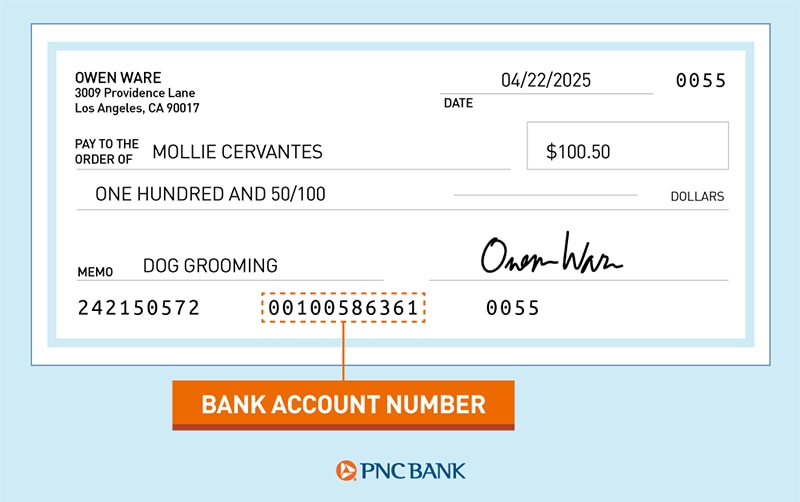
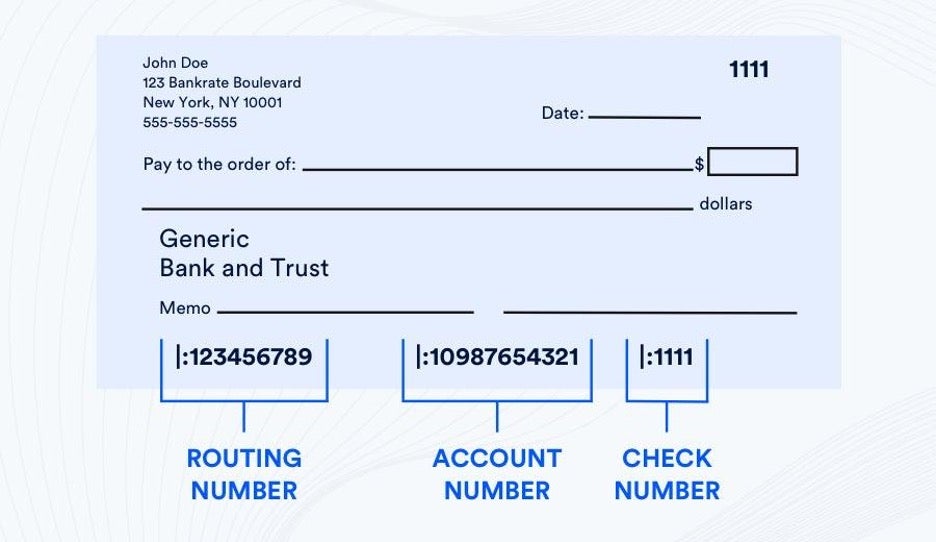
- Personal Checks: For checking accounts, your account number is printed at the bottom of your checks, typically the middle set of digits between the routing number (first set) and the check number (last set).
- Credit Card Statements: Your credit card statement will clearly show your card number (often truncated for security) or an internal account number for payment purposes.
- Utility Bills/Loan Statements: Every bill or statement from a service provider or lender will have your account number prominently displayed, usually near the top or in the “account summary” section.
- Welcome Kits/Initial Documents: When you first open an account or sign up for a service, you receive welcome packets. These often contain crucial account information, including your full account number.
Keep these physical documents organized and in a secure location.
Mobile Banking Apps
Most financial institutions offer robust mobile banking applications that mirror the functionality of their online portals. After logging in to your app:
- Select an account: Tapping on a specific checking, savings, or credit card account will often reveal its details.
- Look for “Account Details” or “Show Account Number”: Many apps have a specific option to display your full account number, often requiring a second layer of authentication (e.g., PIN, fingerprint, or face ID) to view sensitive information.
- Access e-Statements: Similar to online banking, you can usually view digital statements within the app, which contain all necessary account details.
Mobile apps offer incredible convenience, allowing you to access your account numbers on the go.
Direct Contact with Service Providers
If you can’t find your account number through digital means or physical documents, directly contacting the financial institution or service provider is always an option.
- Phone Customer Service: Call the customer service number listed on their official website or on a previous statement. Be prepared to undergo a rigorous identity verification process (e.g., providing your full name, address, date of birth, last four digits of your social security number, or answering security questions) before they disclose your account number.
- In-Person Visit: For bank accounts, visiting a local branch with a valid ID can allow you to retrieve your account number directly from a teller or customer service representative.
This method is reliable but often takes more time due to verification procedures.
Checking Automated Payments or Direct Deposits
Sometimes, if you’ve already set up an automated payment or direct deposit, the originating source might hold your account number.
- Employer’s HR/Payroll: If you’re looking for your bank account number for direct deposit, your employer’s payroll department may have it on file.
- Existing Auto-Pay Setup: For utility or loan accounts, if you’ve set up auto-pay through your bank, your bank’s online bill pay service might display the last few digits of the account number used, or you can verify it by looking at past transactions.
This is a less direct method but can serve as a backup if other options fail.
Security Best Practices When Handling Account Numbers
While knowing how to retrieve your account numbers is essential, equally important is the ability to handle them securely. Account numbers are sensitive pieces of information that, if fallen into the wrong hands, can lead to fraud or identity theft.
Protecting Your Information Online
- Use Strong, Unique Passwords: Ensure your online banking and service provider accounts are protected by strong, unique passwords and, wherever possible, enable two-factor authentication (2FA).
- Beware of Phishing Scams: Never click on suspicious links in emails or text messages that claim to be from your bank or service provider asking for your account number or login credentials. Always navigate directly to their official website.
- Secure Wi-Fi: Avoid accessing sensitive financial information over unsecured public Wi-Fi networks. If you must, use a Virtual Private Network (VPN).
- Monitor Accounts Regularly: Routinely check your online statements and transaction history for any unauthorized activity. The sooner you spot something unusual, the quicker you can act.
Secure Storage of Physical Documents
- Keep Documents in a Safe Place: Store physical bank statements, credit card statements, and welcome kits in a locked filing cabinet, safe, or a secure, private location in your home.
- Shred Sensitive Documents: When you no longer need physical documents containing account numbers, shred them thoroughly before disposal to prevent dumpster diving fraud.
- Avoid Carrying Unnecessary Documents: Do not carry physical bank statements, checks, or other documents with full account numbers in your wallet or purse unless absolutely necessary.
Verifying Recipients and Requests
- Double-Check Recipients for Transfers: Before initiating a wire transfer or ACH payment, meticulously verify the recipient’s account number and routing number. A single incorrect digit can send your money to the wrong person, and recovery can be challenging.
- Authenticate Requests for Information: If someone contacts you asking for your account number, always verify their identity and the legitimacy of the request. Banks and reputable companies will typically not ask for your full account number via unsolicited email or phone calls. If in doubt, hang up and call the organization back using an official phone number.
What to Do if Your Account Number is Compromised
Despite your best efforts, a data breach or individual lapse in security can expose your account number. If you suspect your account number has been compromised:
- Contact Your Financial Institution Immediately: Notify your bank, credit card issuer, or service provider as soon as possible. They can monitor your account for fraudulent activity, place alerts, or even close the compromised account and issue a new one.
- Change Passwords: Update passwords for all associated online accounts.
- Monitor Credit Reports: Regularly check your credit reports from the three major bureaus (Equifax, Experian, Transunion) for any unfamiliar accounts or inquiries.
- Consider a Fraud Alert or Credit Freeze: If the compromise is severe, consider placing a fraud alert or a credit freeze on your credit reports to prevent new accounts from being opened in your name.
When You Might Need Your Account Number (Practical Applications)
Understanding where to find your account numbers is just one part of the equation; recognizing when and why you need them is equally important for effective financial management.
Setting Up Direct Deposit or Bill Pay
This is one of the most common reasons to retrieve your bank account number and routing number. Employers require this information to deposit your salary directly into your checking or savings account. Similarly, when setting up recurring bill payments directly from your bank account (e.g., rent, mortgage, utilities), you’ll need the payee’s account number or your own account number if you’re pulling from your bank.
Initiating Wire Transfers or ACH Payments
For larger transfers, international payments, or specific business transactions, you might need to initiate a wire transfer or an Automated Clearing House (ACH) payment. Both require the recipient’s full account number and routing number (and sometimes a SWIFT/BIC code for international wires). Accuracy is paramount here to ensure funds reach the correct destination.
Reconciling Bank Statements or Identifying Transactions
When reviewing your bank or credit card statements, you might occasionally see transactions that are unfamiliar. Having your account number handy can help customer service representatives quickly locate your specific account and investigate the transaction. It’s also essential for matching your internal records with the official statements.
Applying for Loans or Other Financial Products
Whether you’re applying for a new credit card, a mortgage, an auto loan, or even opening a new investment account, you’ll often be asked to provide details of your existing bank accounts. This allows the new institution to verify your identity, assess your financial standing, or facilitate linking accounts for funding or payments.
Contacting Customer Support for Specific Inquiries
When calling customer service for any financial institution or service provider, the first thing they’ll typically ask for (after verifying your identity) is your account number. This allows them to quickly access your specific records and address your query, whether it’s about a billing discrepancy, a transaction issue, or a service upgrade. Having it ready expedites the process.

Conclusion
Your account numbers are the bedrock of your financial interactions, enabling everything from receiving your paycheck to paying your bills and investing for your future. While these digits often remain in the background, knowing how to efficiently and securely retrieve them is a vital component of modern personal finance.
By understanding the distinct purposes of various account numbers, familiarizing yourself with the multiple channels available for their retrieval – from online portals and mobile apps to physical documents and direct contact – and diligently applying robust security practices, you equip yourself with the confidence and control needed to navigate your financial world. Proactive management of your account numbers is not just about convenience; it’s a fundamental aspect of safeguarding your financial health and preventing potential disruptions. Make it a habit to know where your numbers are, keep them secure, and use them wisely.
aViewFromTheCave is a participant in the Amazon Services LLC Associates Program, an affiliate advertising program designed to provide a means for sites to earn advertising fees by advertising and linking to Amazon.com. Amazon, the Amazon logo, AmazonSupply, and the AmazonSupply logo are trademarks of Amazon.com, Inc. or its affiliates. As an Amazon Associate we earn affiliate commissions from qualifying purchases.