
In the intricate world of personal and business finance, understanding the foundational elements of your banking relationship is paramount. Among these, the routing number stands as a critical identifier, often overlooked until a specific transaction demands its immediate use. For customers of Chase, one of the largest and most widely recognized financial institutions globally, knowing how to quickly and accurately locate your routing number is not just a convenience, but a fundamental aspect of efficient financial management.
This comprehensive guide will demystify Chase routing numbers, explaining their purpose, why they are essential for various financial operations, and provide a clear, step-by-step roadmap to finding yours through multiple accessible channels. Whether you’re setting up direct deposit, initiating a wire transfer, or linking an external account, mastering the retrieval of this crucial piece of information will empower you to navigate your financial landscape with confidence and precision.

Understanding Routing Numbers and Their Importance
At the heart of virtually every electronic financial transaction lies a unique nine-digit code: the routing number. Also known as an ABA (American Bankers Association) routing transit number (RTN), this identifier plays a pivotal role in ensuring funds are directed to the correct financial institution. For Chase customers, grasping the function and necessity of this number is the first step towards seamless financial operations.
What is a Routing Number?
A routing number is essentially an address for your bank, rather than for your specific account. Its primary purpose is to identify the financial institution (in this case, Chase) that holds your account, facilitating the secure and accurate transfer of funds between different banks. When you send or receive money electronically, whether through an Automated Clearing House (ACH) transaction or a wire transfer, the routing number acts as the initial guidepost, directing the funds to the correct bank before your individual account number then specifies where within that bank the money should land. These numbers are assigned by the American Bankers Association and regulated by the Federal Reserve, ensuring a standardized system across the United States.
Why Do You Need a Chase Routing Number?
The instances where a Chase routing number becomes indispensable are numerous and varied, touching upon almost every aspect of modern personal and business finance. Here are some of the most common scenarios:
- Direct Deposit: To receive your paycheck, government benefits, or tax refunds directly into your Chase account, your employer or the issuing agency will require your Chase routing number along with your account number.
- Automated Bill Payments: Setting up recurring payments for utilities, loans, or subscriptions often involves providing your bank’s routing number to authorize automated withdrawals.
- Electronic Funds Transfers (EFTs) and ACH Payments: Sending or receiving money electronically between different banks, such as transferring funds to a brokerage account or paying a contractor, typically uses ACH transactions that rely on routing numbers.
- Wire Transfers: For larger, time-sensitive, or international money transfers, wire transfers are used. These often require a specific routing number distinct from the one used for ACH transactions, particularly for Chase.
- Linking External Accounts: If you use budgeting apps, investment platforms, or need to transfer money between your Chase account and an account at another bank, you’ll need the Chase routing number to establish the connection.
- Tax Payments and Refunds: Whether you’re paying federal or state taxes directly from your account or expecting a tax refund, the IRS and state tax authorities will request your bank’s routing number.
Distinguishing Between Routing and Account Numbers
It’s crucial not to confuse your routing number with your account number. While both are essential for transactions, they serve distinct purposes:
- Routing Number (9 digits): Identifies your financial institution (Chase Bank).
- Account Number (typically 10-12 digits for Chase): Identifies your specific account within Chase Bank.
Think of it like an address: the routing number is the city and street (Chase Bank), and your account number is the specific house number on that street (your individual checking or savings account). Both are required to ensure mail (or money) reaches the correct recipient. Using the wrong one can lead to delayed transactions, returned payments, or even funds being misdirected, so double-checking is always advised.
Primary Methods to Locate Your Chase Routing Number
Fortunately, Chase provides several convenient and secure methods for customers to find their routing number, catering to both traditional and digital banking preferences. Understanding each option ensures you can quickly retrieve this information whenever necessary.
On Your Chase Checks
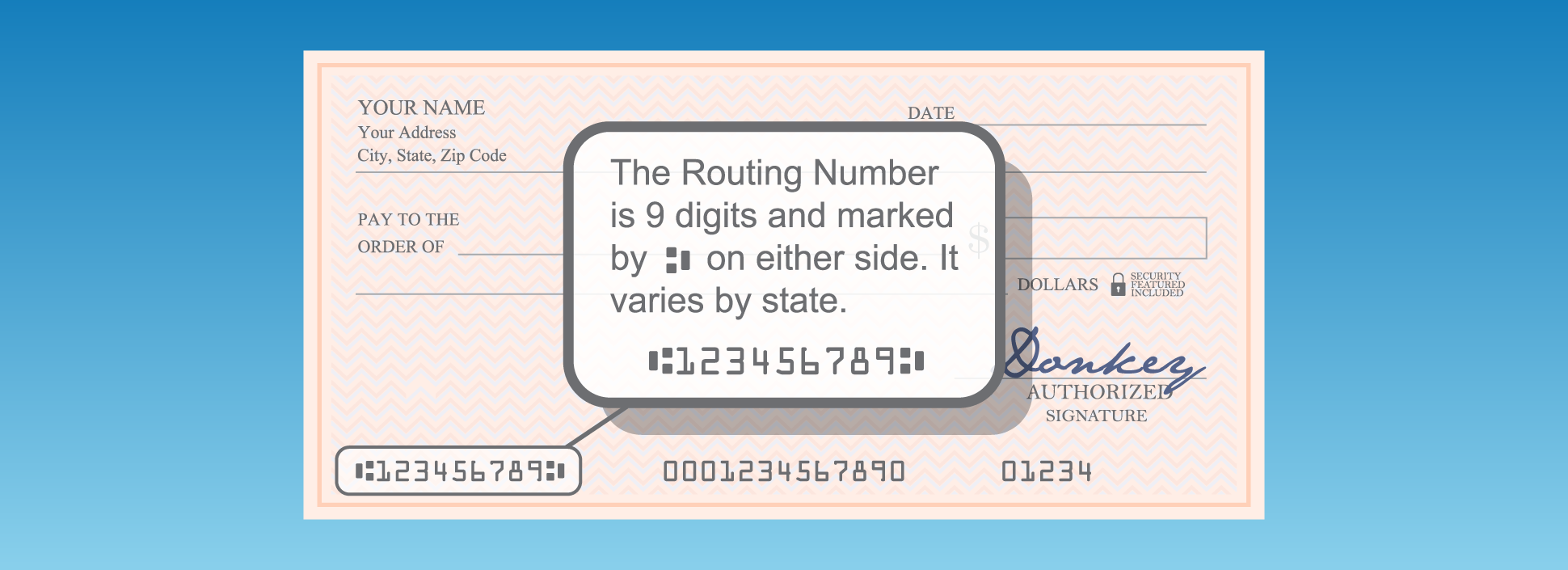
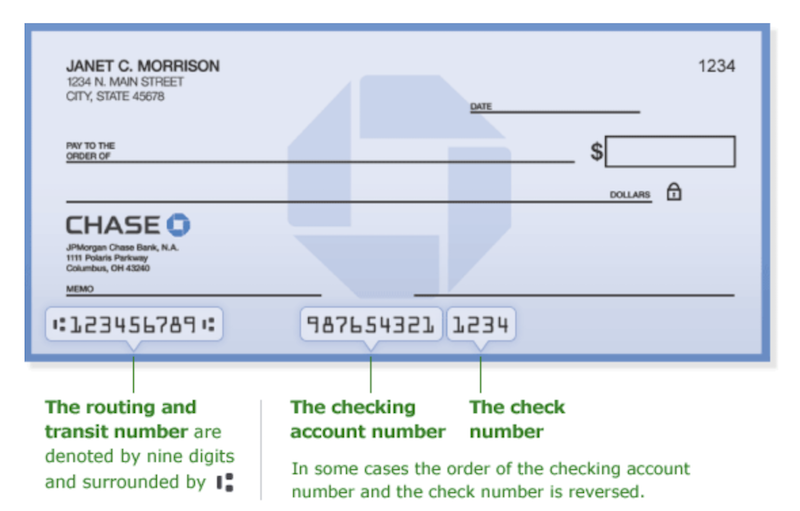
The most traditional and often quickest way to find your routing number is directly on a physical check from your Chase checking account.
- Location: Look at the bottom left-hand corner of your check. You’ll typically find three sets of numbers separated by unique symbols.
- Order: From left to right, these numbers are usually:
- The 9-digit routing number.
- Your account number (typically 10-12 digits).
- The check number (matching the number printed in the top right corner).
- Important Note: If you’re using temporary or starter checks issued by Chase, they might not have your personalized information, including the specific routing number tied to your account’s opening branch. Always verify with a personalized check or another method if in doubt. For savings accounts, this method isn’t applicable as savings accounts typically don’t come with checks.
Through Your Chase Online Banking Account
For the digitally savvy, Chase’s online banking platform offers a secure and readily accessible way to retrieve your routing number. This method is particularly useful if you don’t have a physical checkbook handy or for savings accounts.
- Step 1: Log In: Go to Chase.com and log in to your account using your username and password.
- Step 2: Select Your Account: Once logged in, navigate to the “My Accounts” section and click on the specific checking or savings account for which you need the routing number.
- Step 3: Find Account Details: Look for a section often labeled “Account details,” “See account activity,” or similar. The routing number will typically be displayed alongside your account number. Chase often displays the routing number relevant for direct deposits and ACH transfers prominently here.
Using the Chase Mobile App
The Chase Mobile App provides a streamlined experience for managing your finances on the go, including finding your routing number.
- Step 1: Open and Log In: Launch the Chase Mobile App on your smartphone or tablet and log in using your credentials.
- Step 2: Select Account: Tap on the checking or savings account from your account list.
- Step 3: Access Account Details: Look for an option like “Account details,” “Show details,” or “Manage account.” The routing number should be listed there, similar to the online banking platform. Some versions of the app might have it under a “Routing & account numbers” section.
Contacting Chase Customer Service
If you’re unable to find your routing number using the methods above, or if you require specific assistance (e.g., for international wires), contacting Chase customer service is a reliable option.
- Phone: You can call the customer service number listed on the back of your Chase debit card or statement, or find it on the official Chase website (typically 1-800-935-9935 for general inquiries). Be prepared to verify your identity.
- Secure Message/Chat: Chase also offers secure messaging or chat features within its online banking platform or mobile app. This can be a convenient way to get assistance without a phone call.
- Visit a Branch: For in-person assistance, you can visit any Chase branch. A banker will be able to provide you with the correct routing number after verifying your identity.
Understanding Different Chase Routing Numbers (and Why They Matter)
While the concept of a single routing number per bank seems straightforward, large financial institutions like Chase often utilize multiple routing numbers. This complexity is crucial to understand, as using the incorrect routing number can lead to significant delays or even failed transactions.
Geographic Variations
Chase, being a national bank, operates across numerous states. Historically, routing numbers were assigned based on the geographic location where an account was opened. While banking operations have become highly centralized, this geographic distinction can still impact which routing number applies to your account for standard ACH transactions (like direct deposits and bill payments).
- State-Specific Numbers: Your routing number might depend on the state in which your account was originally opened or the branch location associated with it. For example, a Chase account opened in California might have a different routing number for ACH transactions than one opened in New York.
- How to Verify: The routing number displayed on your personal checks, in your online banking account, or via the mobile app is typically the correct one for ACH transactions specific to your account’s origin.
Specific Routing Numbers for Wire Transfers
This is perhaps the most critical distinction to be aware of. Chase uses a different routing number for incoming domestic wire transfers than it does for standard ACH transfers or direct deposits.
- Why the Difference? Wire transfers are processed through a different system (Fedwire) designed for faster, irrevocable, and typically larger transactions. They require a specific identifier for the wire transfer department of the bank.
- Chase Domestic Wire Routing Number: For domestic wire transfers, Chase generally uses a single, national routing number: 021000021. However, it is always advisable to confirm the precise routing number and beneficiary details directly from Chase or the sender’s instructions for any wire transfer, as these can be sensitive.
- International Wire Transfers: For international wire transfers, you’ll need the SWIFT/BIC code (Society for Worldwide Interbank Financial Telecommunication / Bank Identifier Code) instead of a routing number. Chase’s SWIFT code for U.S. dollar transfers is typically CHASUS33. Again, always verify this for international transactions.
How to Verify the Correct Routing Number
Given the potential for multiple routing numbers, especially for a large bank like Chase, verification is paramount.
- Always Double-Check: Before initiating any transaction, especially a wire transfer, double-check the routing number using one of the methods outlined above (online banking, app, or customer service). Do not rely on old paper records if you have any doubt.
- Match to Transaction Type: Ensure the routing number you use is appropriate for the type of transaction. Use the ACH/direct deposit routing number for those purposes, and the specific wire transfer routing number for domestic wires.
- Consequences of Error: Using the wrong routing number can lead to significant headaches. At best, the transaction will be rejected and returned, causing delays. At worst, funds could be misdirected, requiring complex and time-consuming efforts to recover them, or potentially resulting in lost funds in extreme cases.
Common Pitfalls and Best Practices
Navigating financial transactions requires diligence. Even with a clear understanding of routing numbers, certain pitfalls can lead to complications. Adopting best practices can prevent these issues and ensure smooth financial operations.
Avoiding Outdated Information
One of the most common mistakes is relying on old or unverified information.
- Old Checks: While physical checks are a reliable source, ensure they are from your current account and haven’t been superseded by a new account or bank merger (though Chase’s routing numbers are generally stable). If you’ve recently opened a new account or had your account type changed, the routing number might differ from older checks.
- Screenshots/Notes: If you keep digital notes or screenshots of your banking details, make sure they are current. Banks can occasionally update routing numbers, especially after mergers or system upgrades, though this is rare for established banks like Chase. Always verify from an official source like your online banking portal.
The Dangers of Using the Wrong Number
The repercussions of inputting an incorrect routing number can range from minor inconvenience to serious financial loss.
- Delayed Transactions: Most commonly, an incorrect routing number will cause a transaction to be rejected by the receiving bank, leading to delays as the funds are returned and you have to re-initiate the payment with the correct details.
- Returned Payments and Fees: If you’re setting up a direct debit for a bill, an incorrect routing number means the payment won’t go through. This could result in late payment fees from the biller and potentially a “returned item” fee from Chase.
- Misdirected Funds (Rare but Possible): In extremely rare cases, if the incorrect routing number happens to belong to another valid bank, funds could potentially be directed to the wrong institution. While banks have systems to catch such errors, recovery can be complicated and time-consuming.
- Security Risks: Providing incorrect information, especially for wire transfers, can sometimes indicate a phishing attempt or scam. Always be wary if someone insists on a specific, unusual routing number.
Securely Storing Your Financial Information
While routing numbers are not as sensitive as your account number or login credentials, they are still part of your financial identity.
- Password Managers: Consider using a reputable password manager to securely store your banking details, including routing and account numbers, in an encrypted format.
- Avoid Public Sharing: Never share your routing and account numbers on unsecured platforms, public forums, or via unencrypted email.
- Be Wary of Phishing: Chase will never ask for your full account details or routing number via unsolicited emails or texts. Always verify the authenticity of requests directly through your official Chase online banking portal or by calling their official customer service number.
When to Seek Professional Assistance
While finding your routing number is generally straightforward, complex situations may arise.
- Transaction Disputes: If a transaction goes awry due to an incorrect routing number, or if you suspect fraud, contact Chase customer service immediately.
- Complex Transfers: For unusual or high-value transfers, especially international ones, it’s always best to speak directly with a Chase representative to ensure you have all the correct information and to understand any specific requirements or fees.
- Unusual Requests: If a party requesting your routing number seems suspicious or asks for information in an unusual way, always verify the legitimacy of the request independently before providing any details.
Conclusion
Understanding and knowing how to quickly find your Chase routing number is a fundamental aspect of effective financial management in today’s digital age. From setting up direct deposits to initiating wire transfers, this nine-digit identifier is the backbone of secure and accurate money movement. By utilizing your physical checks, leveraging the convenience of Chase’s online banking platform or mobile app, and understanding the critical distinctions for wire transfers, you can confidently navigate your financial transactions.
Remember, precision and verification are key. Always double-check the routing number for the specific type of transaction you’re undertaking and prioritize the security of your financial information. With the knowledge and tools outlined in this guide, Chase customers are well-equipped to manage their banking needs efficiently, avoiding common pitfalls and ensuring their money goes exactly where it’s intended.
aViewFromTheCave is a participant in the Amazon Services LLC Associates Program, an affiliate advertising program designed to provide a means for sites to earn advertising fees by advertising and linking to Amazon.com. Amazon, the Amazon logo, AmazonSupply, and the AmazonSupply logo are trademarks of Amazon.com, Inc. or its affiliates. As an Amazon Associate we earn affiliate commissions from qualifying purchases.