
In an increasingly digital financial world, the humble money order might seem like a relic of the past. Yet, for specific transactions, it remains an indispensable and secure payment method, bridging the gap between cash and traditional checks. Whether you’re paying rent to a landlord who doesn’t accept personal checks, sending money to a relative who doesn’t have a bank account, or making a secure purchase from an unfamiliar vendor, a money order provides a reliable and traceable alternative. As one of the largest financial institutions in the United States, Chase offers money orders that are widely accepted and easy to obtain for its customers.

However, the effectiveness and security of a money order hinge entirely on its correct completion. Mistakes can lead to delays, difficulties in tracing funds, or even the loss of your payment. This comprehensive guide will walk you through every step of filling out a Chase money order accurately, ensuring your transactions are smooth, secure, and stress-free. We’ll delve into why money orders are still relevant, the precise details required for each section, common pitfalls to avoid, and how they stack up against other payment methods, empowering you to navigate this financial tool with confidence.
Understanding Money Orders and Why They Matter
Before you even pick up a pen, it’s crucial to grasp what a money order is, its primary uses, and why it might be the preferred payment method in certain scenarios, especially when sourced from a reputable institution like Chase.
What is a Money Order?
At its core, a money order is a pre-paid certificate, purchased for a specific amount, that can be cashed by the named recipient. Unlike a personal check, which draws funds directly from your bank account and can bounce if there are insufficient funds, a money order is always guaranteed because you pay for it upfront. You effectively exchange cash or a debit payment for a certificate that promises the specified amount to your chosen payee. This pre-payment feature makes it a very low-risk payment method for the recipient. It typically includes spaces for the sender’s information, the recipient’s information, the amount, and a memo for the purpose of the payment.
When to Use a Money Order?
Money orders are particularly useful in several distinct situations where other payment methods might be less suitable or unavailable:
- Rent Payments: Many landlords, especially those managing multiple properties, prefer money orders over personal checks to avoid issues with bounced checks and to ensure guaranteed payment.
- Utility Bills or Services: If you don’t have a bank account, or if you’re paying a small business or individual that doesn’t accept credit cards or online payments, a money order is a reliable option.
- Sending Money Securely: For individuals without bank accounts, money orders offer a safe way to send money to others, often used for family support or remittances.
- Online Purchases from Unknown Vendors: If you’re buying something from a seller you’re not entirely familiar with, a money order can be safer than revealing your bank account details or credit card information. The payment is guaranteed, and you have a record of the transaction.
- When a Personal Check Isn’t Accepted: Some entities or individuals may not accept personal checks due to past issues or a general policy. A money order circumvents this problem.
Why Choose a Chase Money Order?
Opting for a money order from a major bank like Chase comes with several advantages:
- Convenience: If you’re an existing Chase customer, you can easily purchase a money order at any Chase branch. Their widespread network makes access straightforward.
- Widespread Acceptance: Money orders issued by large financial institutions like Chase are generally trusted and accepted by most individuals and businesses across the country.
- Security: While all money orders are pre-paid, those from established banks often have robust security features to prevent fraud and counterfeiting.
- Record Keeping: When you purchase a Chase money order, you receive a stub with a serial number. This stub is your proof of purchase and can be crucial for tracking the payment if it gets lost or is not cashed.
- Cost-Effectiveness: Chase money orders typically come with a nominal fee, which is often more affordable than a wire transfer for smaller sums.
Step-by-Step Guide to Filling Out Your Chase Money Order
Accuracy is paramount when filling out a money order. A single error can invalidate the payment or cause significant delays. Follow these steps meticulously to ensure your Chase money order is completed correctly and ready for delivery.
Before You Begin: Gathering Necessities
Before you start writing, make sure you have the following on hand:
- A Black or Blue Ink Pen: Always use permanent ink. Do not use pencil or erasable ink.
- Recipient’s Full Legal Name: This is critical. Double-check the spelling.
- Recipient’s Full Address (Optional but Recommended): While not always mandatory for the money order itself, it’s good practice if sending via mail.
- Exact Payment Amount: Know precisely how much you need to send.
- Your Full Legal Name and Address: As the purchaser/sender.
- The Money Order Itself: Purchased from a Chase branch.
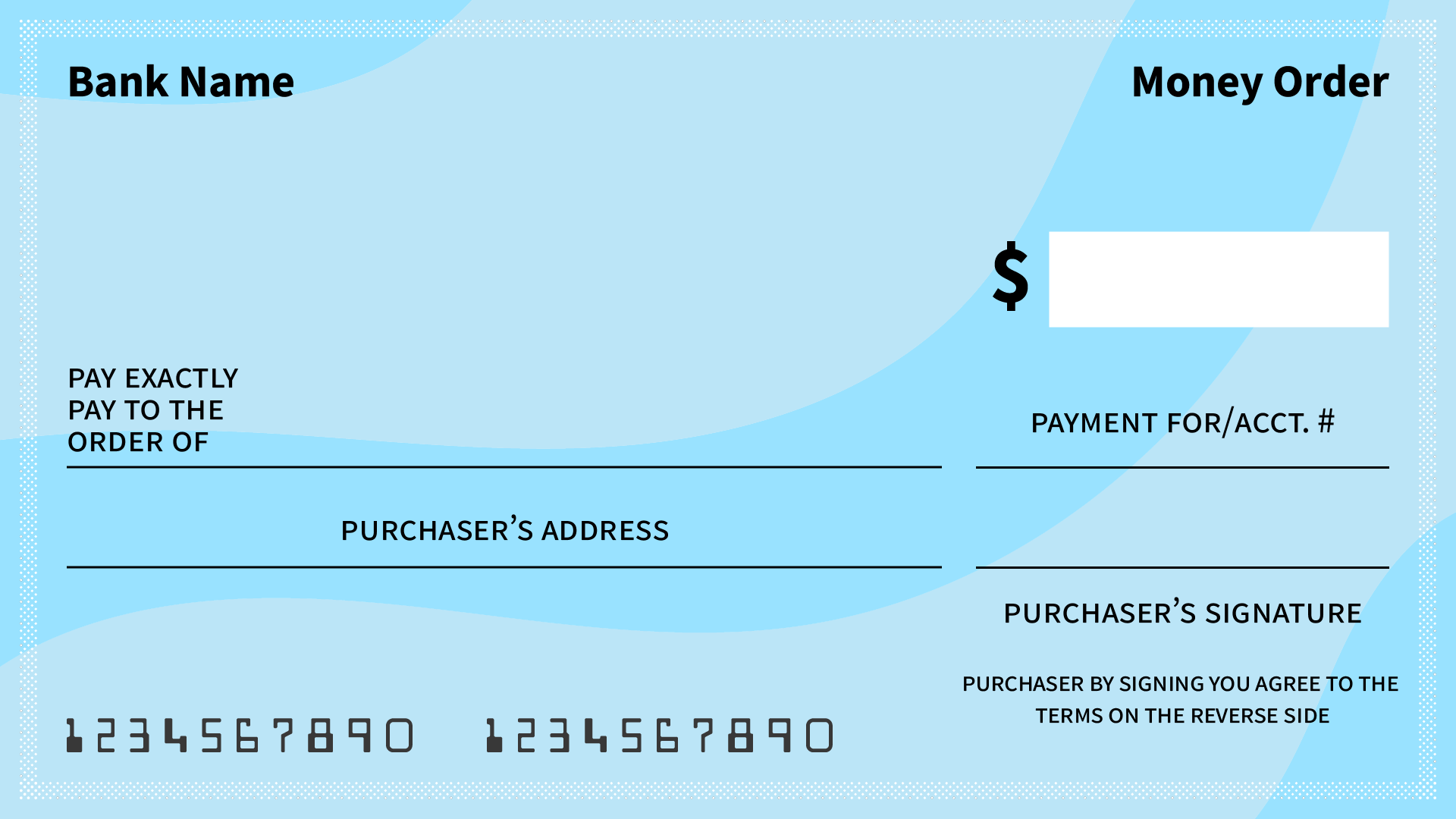
Section 1: Pay To The Order Of / Payee
This is arguably the most crucial section. It dictates who can cash the money order.
- Locate the “Pay To The Order Of” or “Payee” line: This line is typically prominent on the front of the money order.
- Write the recipient’s full legal name: Print clearly and legibly. For individuals, use their first and last name. For businesses, use the full official business name (e.g., “XYZ Apartment Complex” or “Commonwealth Edison”). Do not use nicknames or abbreviations unless they are the official name.
- Example: If paying your landlord, write “Jane Doe.” If paying a company, write “Utility Services Inc.”
Section 2: Purchaser’s Name / Sender’s Information
This section identifies you, the person who purchased the money order.
- Locate the “From,” “Purchaser,” or “Sender” line: This is where your information goes.
- Write your full legal name: Again, print clearly. This helps in tracking the money order if there’s an issue.
Section 3: Purchaser’s Address
Provide your full current address in this designated space. This further aids in identification and tracking.
- Locate the “Purchaser’s Address” line.
- Write your complete street address, city, state, and zip code.
Section 4: Memo/Account Number (Optional but Recommended)
While often optional, the memo line is invaluable for record-keeping and clarifying the purpose of the payment, especially for bills or specific purchases.
- Locate the “Memo,” “Account No.,” or “For” line.
- Clearly state the purpose of the payment: This could be “Rent for October,” “Invoice #12345,” or “Utility Bill.”
- Include an account number if applicable: If you’re paying a utility bill or a service, your account number is crucial for the recipient to credit the payment correctly.
Section 5: Signature
Your signature authenticates the money order as coming from you.
- Locate the “Purchaser’s Signature” line: Do not sign until all other details are correctly filled out.
- Sign your name: Use your legal signature.
- Important: Never sign a blank money order. Fill in all other details first.
Review and Detach the Stub
Once all sections are completed:
- Review everything meticulously: Double-check the recipient’s name, the amount, your name, and any account numbers. Ensure there are no errors, smudges, or omissions.
- Detach the purchaser’s stub: Every money order comes with a perforated stub. This stub contains the money order serial number, the amount, and sometimes the date and recipient information. This is your proof of purchase and vital for tracking.
- Keep the stub in a safe place: Treat this stub like gold. You will need it if the money order gets lost, isn’t cashed, or if there’s any dispute regarding the payment. Consider taking a photo of both the filled-out money order and the stub for extra security.
Common Pitfalls and Best Practices for Money Order Transactions
Using a money order is straightforward, but certain precautions and best practices can significantly enhance security and prevent potential headaches.
Avoiding Common Mistakes
- Incorrect Payee Name: This is the most common error. If the payee’s name is misspelled or incomplete, the recipient may not be able to cash it. Always confirm the exact legal name.
- Wrong Amount: Ensure the written amount matches the numerical amount. Discrepancies can lead to delays or rejection.
- Forgetting to Sign: A money order without the purchaser’s signature is often invalid.
- Losing the Stub: Without the stub, tracking a lost or uncashed money order becomes incredibly difficult, if not impossible.
- Signing Too Early: Never sign a blank money order. If it’s lost before you fill in the payee information, anyone can cash it.
- Erasures or Alterations: Do not use correction fluid or make alterations. If you make a mistake, it’s best to purchase a new money order and seek a refund for the old one from Chase before it is used.
Security Measures and Fraud Prevention
- Retain Your Stub: As mentioned, this is your most important record.
- Take a Photo: Snap a picture of the completed money order (front and back) and the stub. Store it securely.
- Send Via Secure Mail: If mailing, consider using certified mail with a return receipt for important payments. This provides proof of mailing and delivery.
- Verify Recipient: If you’re sending money to someone you don’t know well, verify their identity and ensure they are legitimate. Money orders are a favorite tool for scammers.
- Never Send Blank Money Orders: This cannot be stressed enough. Always fill out all recipient details before sending.
- Be Wary of Overpayment Scams: If someone sends you a money order for more than the agreed amount and asks you to send the difference back, it’s almost certainly a scam. The money order will eventually bounce, and you’ll be out the money you sent.
What to Do If a Mistake is Made
If you make an error while filling out a Chase money order:
- Do Not Erase: Do not attempt to scratch out or erase information.
- Contact Chase: Your best course of action is to contact Chase directly. If the money order has not been cashed, you may be able to request a refund or a replacement. They will likely require the original money order and your stub. Be prepared for a processing fee.
- If Lost or Stolen: If a money order is lost or stolen before it’s cashed, you can request a refund through Chase. This process can take several weeks or months, as Chase needs to ensure the money order hasn’t been fraudulently cashed. You will definitely need your original stub for this.
Tracking Your Money Order
With your stub in hand, tracking a Chase money order is possible:
- Contact Chase Customer Service: Provide them with the money order serial number from your stub. They can tell you if and when it has been cashed.
- Online Tracking (if available): Some money order providers offer online tracking. Check Chase’s official website or inquire with customer service about this option.
The Financial Landscape of Money Orders: Costs and Alternatives
Understanding the cost of a money order and how it compares to other payment methods is crucial for making informed financial decisions.
Cost of a Chase Money Order
- Nominal Fee: Chase money orders typically come with a small fee, which can vary but is generally a few dollars. This fee is usually consistent regardless of the amount of the money order (up to a certain limit).
- Where to Purchase: You can purchase Chase money orders at any Chase bank branch. You will usually need cash or funds from your Chase account (debit card transaction) to make the purchase. There might be daily limits on the total amount of money orders you can purchase.
Money Orders vs. Other Payment Methods
It’s helpful to consider money orders in the context of other financial tools:
-
Personal Checks:
- Pros: Convenient for frequent payments, no upfront fee per check.
- Cons: Not guaranteed (can bounce), may not be accepted by all payees, requires a bank account.
- When to Use a Money Order Instead: When guaranteed payment is required, or when the recipient doesn’t accept personal checks.
-
Cashier’s Checks:
- Pros: Guaranteed by the bank, safer than cash for large sums.
- Cons: Higher fees than money orders, only available from banks, often requires a bank account.
- When to Use a Money Order Instead: For smaller amounts, when the fee for a cashier’s check is disproportionately high, or for quick, straightforward transactions.
-
Wire Transfers:
- Pros: Fastest way to send money, ideal for large sums and international transfers.
- Cons: Highest fees, irreversible once sent, high risk if sent to scammers.
- When to Use a Money Order Instead: When speed is not the absolute priority, for smaller domestic payments where cost-effectiveness and traceability are key.
-
Online Payment Apps (e.g., Zelle, PayPal, Venmo):
- Pros: Instantaneous (Zelle), very convenient, low/no fees for many transactions, digital record.
- Cons: Requires both sender and recipient to use the app, limited for international transfers, potential for scams, can be harder to reverse.
- When to Use a Money Order Instead: When the recipient doesn’t use these apps, prefers a physical payment, or for situations where a guaranteed, non-digital paper trail is desired.
When to Opt for an Alternative
While money orders are valuable, they aren’t always the best choice:
- Large Sums: For very large payments (e.g., a down payment on a house), a cashier’s check or a wire transfer might be more appropriate due to higher limits and enhanced security features for substantial amounts.
- International Transfers: For sending money across borders, specialized international money transfer services or wire transfers are generally more efficient and cost-effective.
- Recurring Payments: For regular, recurring bills (like monthly rent), setting up automatic bill payments or direct debits from your bank account is far more convenient.
- Speed: If money needs to arrive almost instantly, a wire transfer or an instant online payment app is superior.

Conclusion
Filling out a Chase money order is a straightforward process, but its simplicity belies the critical importance of accuracy and careful execution. By understanding what a money order is, why it’s a valuable financial tool, and precisely how to complete each section, you empower yourself to conduct secure and traceable transactions. Remember to always double-check the recipient’s name, the payment amount, and your own details before signing. The purchaser’s stub is your golden ticket for tracking and resolving any potential issues, so safeguard it diligently.
In an era of diverse payment options, the Chase money order stands as a reliable, guaranteed method for specific financial needs. Armed with this knowledge, you can confidently navigate your payment obligations, ensuring your money reaches its intended destination securely and efficiently, providing peace of mind in every transaction.
aViewFromTheCave is a participant in the Amazon Services LLC Associates Program, an affiliate advertising program designed to provide a means for sites to earn advertising fees by advertising and linking to Amazon.com. Amazon, the Amazon logo, AmazonSupply, and the AmazonSupply logo are trademarks of Amazon.com, Inc. or its affiliates. As an Amazon Associate we earn affiliate commissions from qualifying purchases.