
In the intricate world of personal finance, account numbers serve as the unique identifiers that unlock and direct almost every monetary transaction. From setting up direct deposits and paying bills to transferring funds and managing investments, knowing how to locate these crucial digits is a fundamental aspect of effective financial management. Yet, despite their pervasive importance, many individuals find themselves at a loss when tasked with retrieving a specific account number, often in moments of urgency.
This comprehensive guide aims to demystify the process of finding your various account numbers, equipping you with the knowledge and tools needed to navigate your financial landscape with confidence and precision. We’ll delve into the different types of account numbers you’ll encounter, pinpoint the most reliable sources for their retrieval, and underscore vital security practices to safeguard your financial identity. By understanding where and how to access these essential identifiers, you’ll gain greater control over your financial life, streamline transactions, and enhance your overall financial literacy.
Understanding the Different Types of Account Numbers
The term “account number” is broad, encompassing a variety of unique identifiers tied to different financial products and services. Each serves a distinct purpose and is typically located in specific places. Recognizing the type of account number you need is the first step towards finding it efficiently.
Bank Account Numbers (Checking & Savings)
Perhaps the most frequently referenced, bank account numbers are critical for everyday financial operations. These are the unique sequences assigned to your checking and savings accounts, distinguishing them from all others at your financial institution.
- Why they’re needed: Bank account numbers are essential for setting up direct deposit of paychecks or government benefits, initiating automatic bill payments, performing ACH (Automated Clearing House) transfers, and linking accounts for various financial services. Alongside your bank’s routing number, they form the complete address for electronic fund transfers.
- Key places to find them:
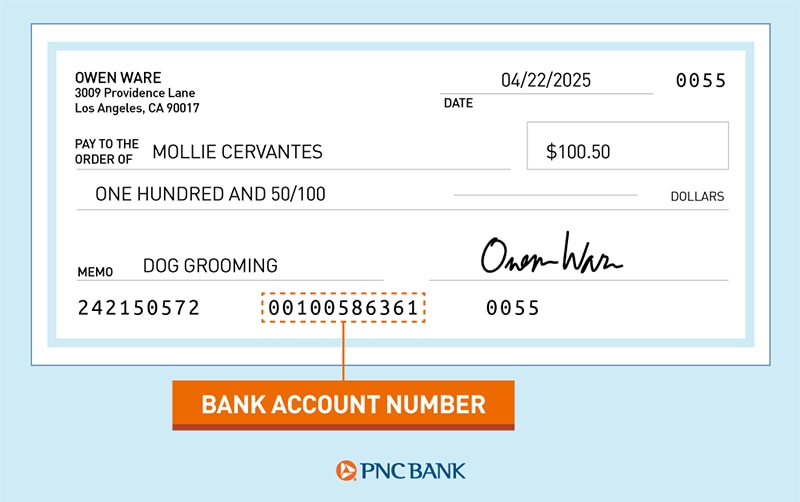
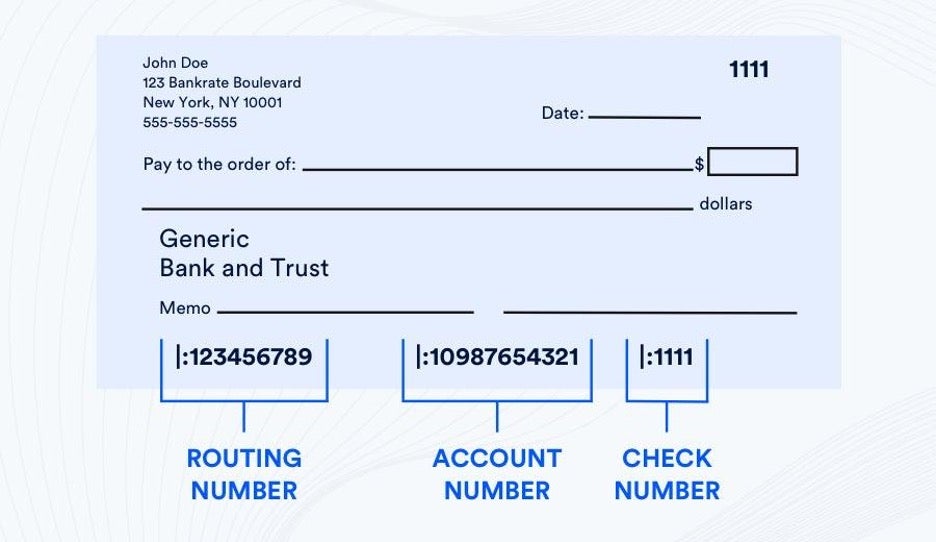
- Checks: Your checking account number is prominently printed on the bottom of your checks, typically as the middle set of numbers, nestled between the routing number (left) and the check number (right).
- Bank Statements: Both paper and electronic statements will clearly display your checking and savings account numbers, usually near your name and address at the top of the statement.
- Online Banking Portal/Mobile App: After logging into your bank’s secure online platform or mobile application, you can typically find your account numbers by navigating to the “Account Details,” “Account Summary,” or similar section for each specific account.
- Deposit Slips: If you use physical deposit slips, your account number will be pre-printed on them.
- Bank Branch or Customer Service: If all else fails, a quick visit to a local branch or a call to customer service, with proper identification, can provide you with your account numbers.
Credit Card Account Numbers
While sometimes confused with bank accounts, credit card account numbers function differently. These are the 13- to 16-digit numbers found on your credit cards, identifying your specific credit line.
- Difference from bank accounts: Unlike bank accounts, which hold your money, credit cards provide a line of credit. The number identifies your specific credit agreement, not a deposit account.
- Where they’re found:
- On the Card Itself: The primary account number is embossed or printed on the front of your physical credit card. For security reasons, often only the last four digits are shown in online statements or apps.
- Credit Card Statements: Your monthly credit card statement (paper or electronic) will display your full account number, though often partially masked for security.
- Online Portal/Mobile App: Log in to your credit card issuer’s online platform. You can usually find the account number (sometimes partially masked) within the account summary or details section.
- Security considerations: Never share your full credit card number, expiration date, and CVV (Card Verification Value) code with unverified sources. These three pieces of information together are often enough to make unauthorized purchases.
Investment Account Numbers
For those engaged in long-term financial planning, investment account numbers are crucial. These identify your brokerage accounts, retirement accounts (like 401(k)s or IRAs), and other investment vehicles.
- Why they’re needed: You’ll need these numbers for making contributions, initiating withdrawals or rollovers, transferring assets between institutions, or communicating with your financial advisor or investment firm.
- Where to look:
- Investment Statements: Monthly or quarterly statements from your brokerage or retirement plan administrator will list your account number.
- Online Investment Platform: Log into your investment firm’s secure website or app. Account numbers are typically found under “Account Summary,” “My Accounts,” or similar sections.
- Plan Documents: For employer-sponsored retirement plans (like 401(k)s), your enrollment documents or annual reports will contain this information.
- Contact Your Advisor/Firm: Your financial advisor or the firm’s customer service can provide this information after verifying your identity.
Loan Account Numbers
Whether it’s a mortgage, auto loan, student loan, or personal loan, each debt typically has a unique account number associated with it.
- Purpose: These numbers are essential for making payments, inquiring about your loan status, or discussing terms with your lender.
- Locations:
- Loan Statements/Coupons: Your monthly loan statements or payment coupon books will always display your loan account number prominently.
- Online Lender Portal: Most lenders offer online portals where you can manage your loan, view statements, and find your account number.
- Original Loan Documents: The initial paperwork you received when you took out the loan will clearly state the account number.
- Contact Lender: Customer service for your loan provider can assist in retrieving this number.
Your Go-To Sources for Locating Account Numbers
With an understanding of the different types of account numbers, let’s explore the most common and reliable methods for retrieving them.
Leveraging Online Banking and Mobile Apps
In our digital age, online platforms and mobile applications offered by financial institutions are often the quickest and most convenient way to access your account information.
- Step-by-step guidance for common banking platforms:
- Log In Securely: Always access your bank or credit union’s official website or app. Ensure the URL is correct and secure (starts with
https://). - Navigate to Account Summary: Once logged in, look for a “Summary,” “My Accounts,” or “Dashboard” section.
- Select the Desired Account: Click on the specific checking, savings, or credit card account for which you need the number.
- Find Account Details: Look for “Account Details,” “Information,” or a similar tab. Your account number will usually be listed there, sometimes partially masked (e.g., ****1234). You might need to click “Show Full Number” or verify your identity to reveal all digits.
- Log In Securely: Always access your bank or credit union’s official website or app. Ensure the URL is correct and secure (starts with
- Security measures and authentication: Be aware that some institutions may require additional authentication, such as a one-time passcode sent to your phone, before displaying sensitive information like full account numbers. This is a crucial security feature designed to protect your data.
Scrutinizing Physical Documents: Statements and Checks

For those who prefer tangible records or when digital access isn’t immediately available, physical documents remain a steadfast source of account numbers.
- How to read a check (routing vs. account): On a standard check, you’ll find three sets of numbers at the bottom:
- Routing Number (left): A nine-digit code identifying your bank.
- Account Number (middle): Your specific checking account number.
- Check Number (right): The unique identifier for that specific check.
It’s vital not to confuse the routing number with your account number, as using the wrong one can lead to failed transactions or funds being sent to the incorrect destination.
- Deciphering bank and credit card statements: Bank statements list both checking and savings account numbers, often at the top. Credit card statements will list your credit card account number (sometimes partially masked). Investment and loan statements similarly display their respective account numbers.
- Importance of keeping records: It’s a good practice to file and retain your financial statements and important account opening documents in a secure location. This not only helps with tax purposes but also serves as a reliable backup for finding account numbers.
Direct Contact with Financial Institutions
When digital means or physical documents fail, or if you simply prefer human interaction, directly contacting your financial institution is always an option.
- When to call customer service:
- You’ve lost access to online accounts.
- You no longer receive paper statements.
- The account is old or dormant.
- You need verification for a specific transaction.
- Visiting a local branch: For in-person assistance, bring a valid form of photo identification (e.g., driver’s license, passport). A bank teller can look up your account details securely.
- What information you’ll need for verification: Be prepared to answer security questions, provide your full name, address, date of birth, and potentially the last four digits of your Social Security Number. These measures are in place to prevent unauthorized individuals from accessing your sensitive financial information.
Security Best Practices When Handling Account Numbers
While knowing how to find your account numbers is crucial, equally important is understanding how to protect them. Account numbers are gateways to your finances, and their compromise can lead to significant financial fraud and identity theft.
Protecting Your Financial Identifiers
Vigilance and proactive measures are key to safeguarding your account information.
- Importance of strong passwords and two-factor authentication (2FA): Always use unique, complex passwords for your online banking and investment accounts. Enable 2FA whenever possible, adding an extra layer of security by requiring a second form of verification (like a code from your phone) in addition to your password.
- Beware of phishing scams and unsolicited requests: Be extremely wary of emails, texts, or phone calls that request your account numbers, passwords, or other personal financial information, even if they appear to be from your bank. Financial institutions rarely ask for this information directly via unsecure channels. Always initiate contact with your bank through official channels if you suspect a scam.
- Secure networks: Avoid accessing your financial accounts on public Wi-Fi networks, which can be vulnerable to eavesdropping. Use a secure, private network or a Virtual Private Network (VPN) for sensitive transactions.
Secure Storage and Disposal
How you store and dispose of documents containing account numbers is just as critical as how you protect them online.
- Shredding old documents: Never simply throw away old bank statements, credit card bills, or loan documents. Invest in a cross-cut shredder to destroy these documents, rendering the information unreadable.
- Digital security tips:
- Encrypted files: If you store digital copies of financial documents, ensure they are encrypted and protected by strong passwords.
- Secure cloud storage: Use reputable cloud storage services that offer robust security features, but be mindful of what sensitive information you upload.
- Regular software updates: Keep your operating system, web browsers, and antivirus software up to date to protect against the latest vulnerabilities.
- When to share and when not to share: Only share your full account numbers when absolutely necessary and with trusted entities (e.g., your employer for direct deposit, a verified financial institution for transfers). Never provide your full credit card number, expiration date, and CVV to anyone you don’t implicitly trust for a purchase you initiated.
Common Pitfalls and Troubleshooting
Even with the best practices, sometimes challenges arise when trying to locate an account number. Knowing how to troubleshoot these issues can save time and frustration.
Misidentifying Numbers (e.g., Routing vs. Account)
One of the most frequent errors is confusing the routing number with the account number, particularly on checks.
- Clarifying common confusions: Remember, the routing number identifies the financial institution, while the account number identifies your specific account within that institution. Always double-check which number is required for a particular transaction.
- Consequences of using the wrong number: Incorrect numbers can lead to returned payments, delayed transfers, or, in rare cases, funds being sent to the wrong person, necessitating a lengthy recovery process.
What to Do if You Can’t Find It
If you’ve exhausted all the usual avenues, don’t panic. There are still steps you can take.
- Step-by-step troubleshooting guide:
- Recheck all sources: Go through your online banking, mobile app, and physical documents one last time with a fresh eye.
- Verify login credentials: Ensure you can log into your online accounts. If not, reset your password.
- Search your email: Often, initial account opening emails or welcome kits contain account numbers.
- Check old correspondence: Any letters from your financial institution might include account details.
- Contacting support: If you’re still unsuccessful, contacting the customer service of your financial institution is the next logical step. They have the resources to look up your account details after identity verification.
- What if the account is old or dormant? For very old or dormant accounts, the process might be more involved. You might need to provide more extensive identification, including a photo ID and potentially proof of address, and might be directed to a specialized department for assistance.
Empowering Your Financial Management
The ability to quickly and accurately find your account numbers is more than just a convenience; it’s a cornerstone of confident and secure financial management. By understanding the nuances of different account types, knowing where to look, and employing robust security measures, you empower yourself to navigate your financial world efficiently and safely.
Proactive organization—whether it’s regularly reviewing statements, maintaining a secure digital record, or simply knowing your login credentials—can save you considerable time and stress when these numbers are needed. Embrace these practices not just as tasks, but as investments in your financial peace of mind. In an increasingly complex financial landscape, clarity and control over your own identifiers are invaluable assets.
aViewFromTheCave is a participant in the Amazon Services LLC Associates Program, an affiliate advertising program designed to provide a means for sites to earn advertising fees by advertising and linking to Amazon.com. Amazon, the Amazon logo, AmazonSupply, and the AmazonSupply logo are trademarks of Amazon.com, Inc. or its affiliates. As an Amazon Associate we earn affiliate commissions from qualifying purchases.