
In the evolving landscape of personal finance, managing one’s banking relationships with precision is paramount. Whether you’re consolidating accounts, seeking better financial terms, or simply decluttering your financial life, knowing how to properly close a bank account is a critical skill. While the idea of navigating bureaucratic processes can be daunting, understanding the steps involved in cancelling a Chase account, particularly online, can empower you to make financially sound decisions with confidence and ease. This guide delves into the strategic and practical aspects of account closure, framed within the broader context of personal financial management.

Understanding When and Why to Close a Bank Account
Deciding to close a bank account is rarely a snap decision; it’s often a calculated move born from a shift in personal financial strategy or circumstances. From optimizing fees to simplifying your financial architecture, the reasons are varied and almost always rooted in a pursuit of greater financial efficiency and control.
Strategic Financial Realignments
Life changes often necessitate financial realignments. Moving to a new city, switching jobs, or even getting married can prompt a re-evaluation of your banking needs. Perhaps a new employer offers banking incentives with a different institution, or you’re moving to an area where another bank has a stronger physical presence. In such cases, closing an old account is not merely an administrative task but a strategic step towards integrating your finances with your current lifestyle and goals. It ensures your banking relationships are always serving your best interests, rather than being a vestige of a past phase. This foresight can prevent future complications and ensure your financial infrastructure supports your present and future aspirations.
Avoiding Unnecessary Fees and Account Maintenance
One of the most common and compelling reasons to close an account is to avoid recurring fees. Many checking or savings accounts come with monthly maintenance fees that can often be waived if certain conditions are met, such as maintaining a minimum balance, setting up direct deposits, or having a linked credit card. However, if your financial habits change and you can no longer meet these requirements, these small fees can accumulate over time, eroding your savings. Similarly, inactive accounts might incur inactivity fees. By proactively closing an account that no longer serves a purpose or incurs avoidable costs, you’re actively protecting your capital and ensuring every dollar stays in your pocket, working for you. This kind of vigilance is a hallmark of strong personal financial management.
Consolidating Financial Relationships
For many, financial simplicity is a key to peace of mind. Maintaining multiple bank accounts across different institutions can lead to fragmentation, making it harder to track spending, manage budgets, and achieve a holistic view of your financial standing. Consolidating your accounts with a single primary institution, or a select few that genuinely meet diverse needs, can streamline your financial life. This simplification reduces the administrative burden of managing multiple logins, statements, and contact points, freeing up mental energy that can be better spent on wealth-building activities. It also often allows you to deepen your relationship with a chosen bank, potentially unlocking better rates, services, or personalized financial advice.
The Impact of Inactive Accounts
Inactive accounts, particularly those with small balances, pose subtle financial risks. Beyond potential inactivity fees, they can become forgotten pockets of money that are vulnerable to escheatment laws, where states claim abandoned property after a certain period of dormancy. While recovering escheated funds is possible, it’s often a tedious and lengthy process. Furthermore, dormant accounts can become targets for fraudsters if not properly monitored. Closing an inactive account is a preventative measure, ensuring that all your financial assets are under your direct control and actively contributing to your financial health, rather than posing a latent liability.
Essential Pre-Closure Financial Checklist
Before you even consider initiating the account closure process, a thorough financial audit is imperative. This pre-closure checklist is designed to prevent financial disruptions, ensure a smooth transition, and safeguard your financial integrity. Rushing this stage can lead to missed payments, lost funds, and significant administrative headaches.
Transferring Funds and Direct Deposits
The first and most critical step is to ensure all funds are safely moved out of the account you intend to close. This involves transferring your balance to an active account at Chase or another institution. More importantly, you must update all direct deposits – such as your salary, government benefits, or investment dividends – to your new primary account. Contact your employer’s HR department, government agencies, or investment firms well in advance. It’s advisable to keep the old account open for at least one or two pay cycles after updating direct deposits to catch any last-minute funds or ensure the new setup is fully operational. This overlap provides a crucial safety net against potential payment disruptions.
Updating Automatic Payments and Subscriptions
In today’s subscription economy, automatic payments are ubiquitous. From utility bills and mortgage payments to streaming services and gym memberships, a significant portion of our monthly expenses is often automated. Before closing your Chase account, meticulously review your bank statements for the past 6-12 months to identify all recurring debits. Update each service provider with your new banking information. Missing even one automatic payment can lead to late fees, service interruptions, or even damage to your credit score if it pertains to critical financial obligations like loans or credit cards. Create a comprehensive list and systematically work through each item, confirming the update directly with the merchant.
Reviewing Outstanding Checks and Transactions
Old-fashioned checks might seem obsolete, but they can still pose a risk. If you’ve written checks that haven’t yet cleared, or if you’re expecting any incoming checks to this account, ensure these transactions are complete before closing. Contact recipients of outstanding checks to confirm they’ve been cashed, or make alternative arrangements. Similarly, check for any pending transactions, such as recent debit card purchases that might still be processing. The account must have a zero balance, and no pending activity, before it can be formally closed. This meticulous review prevents checks from bouncing or transactions from being declined, saving you embarrassment and potential fees.
Downloading Statements and Transaction History for Records
Maintaining comprehensive financial records is a cornerstone of responsible money management. Before closing your Chase account, download and save all your bank statements, transaction histories, and any relevant correspondence (e.g., account opening documents, fee schedules). Most banks offer digital archives accessible through online banking portals. These records are invaluable for tax purposes, dispute resolution, budgeting analysis, and simply maintaining a complete financial autobiography. Keep these documents in a secure, organized manner, either digitally (encrypted cloud storage) or physically. This foresight ensures you have access to historical data even after your banking relationship with Chase concludes.
Navigating the Chase Account Closure Process (with a Financial Lens)
Once your financial groundwork is complete, you’re ready to initiate the closure. While “online” is often preferred for convenience, understanding Chase’s specific procedures and considering alternative methods from a financial perspective is crucial.
Online vs. Alternative Closure Methods (Pros and Cons from a Money Perspective)
While the title suggests “online” closure, Chase typically requires more direct interaction for account closures to ensure security and prevent fraud. As of current policies, Chase generally does not allow full account closure online through their standard banking portal for security reasons. This is a critical point to understand from a financial hygiene perspective.
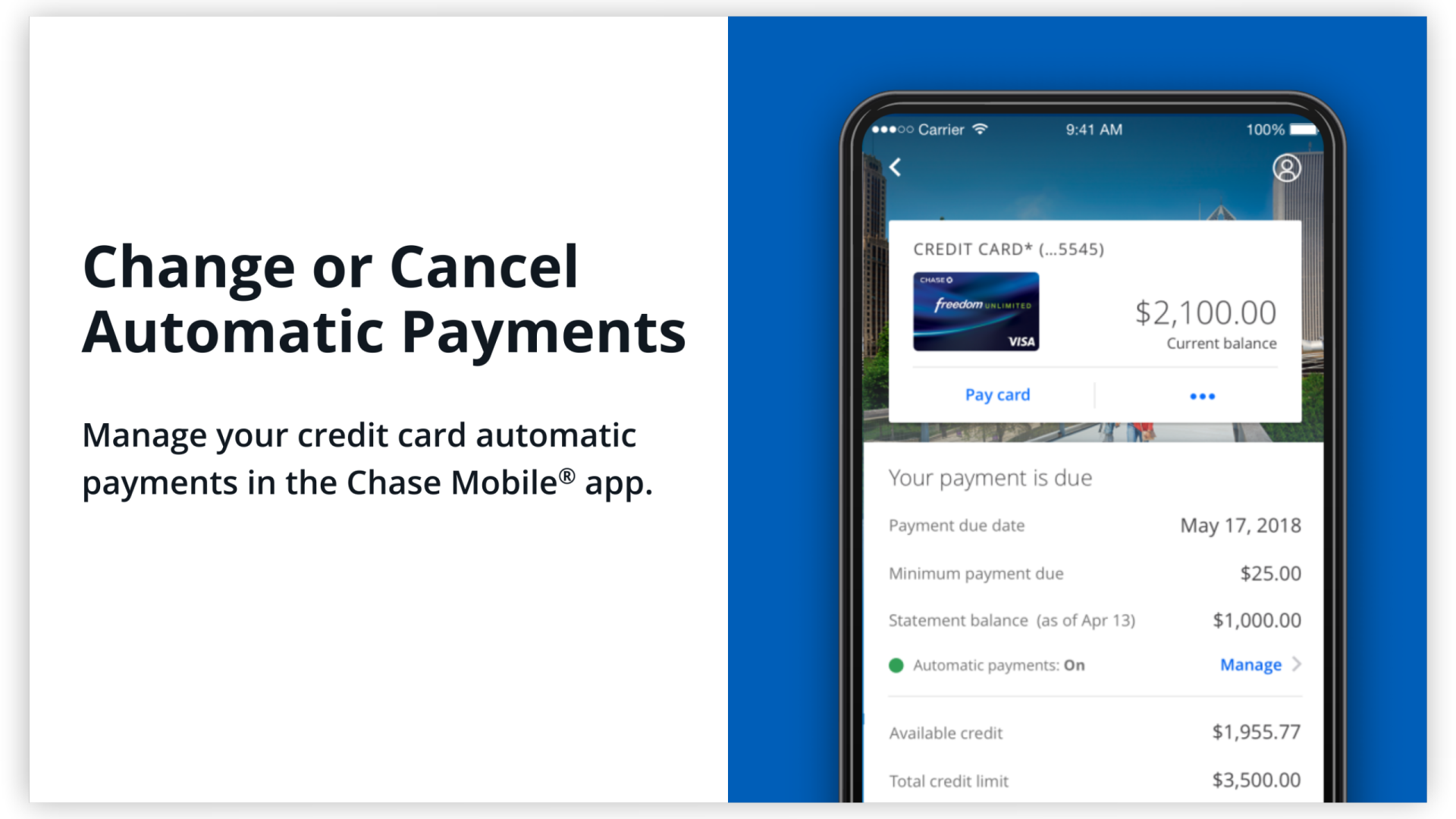
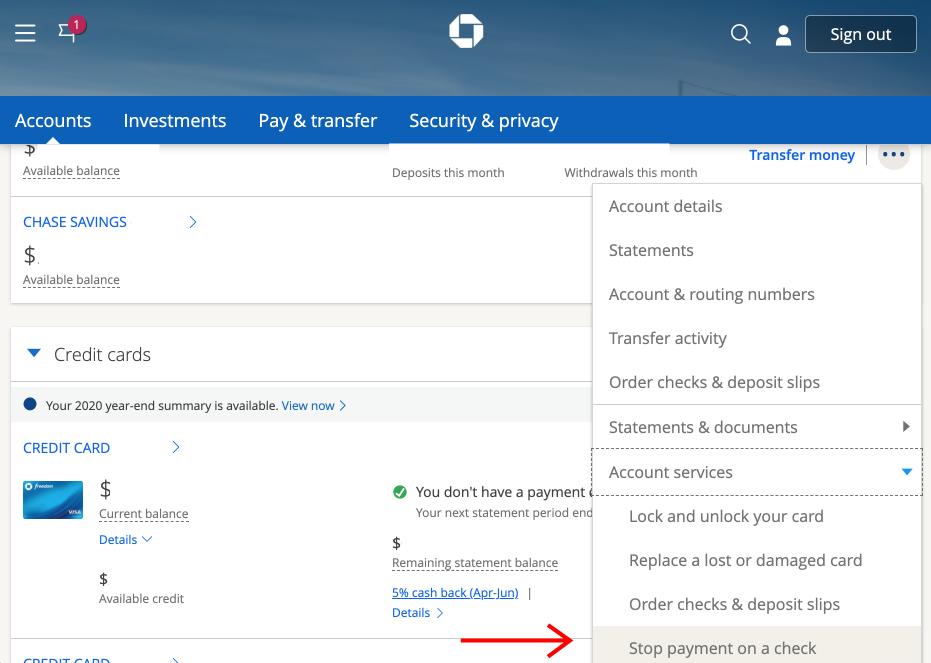
- Online/Secure Message (Limited Utility): While you can often send a secure message through your Chase online banking portal to inquire about closure or initiate the process, you may not be able to complete the entire closure request solely online. For most banks, full closure often requires a phone call or in-person visit. From a financial perspective, this limited online capability is a security measure designed to protect your assets. It prevents unauthorized closure requests and ensures proper identification. You can use online banking to transfer funds out, download statements, and update personal information – all essential pre-closure steps.
-
Phone Call (Recommended for Efficiency): Calling Chase’s customer service line (usually found on their website or your statements) is often the most efficient way to close an account. You’ll speak with a representative who can verify your identity, confirm the zero balance, and process the closure. From a money management perspective, this method allows for immediate clarification of any questions regarding remaining funds, potential final fees, or the exact timeline for closure. It also provides a direct point of contact should any issues arise.
-
In-Person Visit (For Complex Situations or Assurance): Visiting a Chase branch in person is the most secure method, especially if you have complex accounts, want to hand in debit cards, or prefer face-to-face interaction. A banker can guide you through the process, confirm your identity with photo ID, and provide immediate confirmation of closure. This method offers unparalleled peace of mind and is advisable if you have any reservations or require specialized assistance, ensuring your financial assets are handled with the utmost care.
Preparing for the Closure Request (Required Information)
Regardless of the method chosen, have all necessary information ready to expedite the process. This typically includes:
- Your Chase account number(s)
- Your Social Security Number (SSN)
- A valid photo ID (if visiting in person)
- Your contact information (phone, email, mailing address)
- The reason for closing the account (though not strictly required, it can sometimes help the representative understand your needs)
- Confirmation that your account balance is zero and all pending transactions have cleared. Ensure you have made arrangements for any remaining small balances, which might be paid out via check if not transferred.
Having this information readily available minimizes delays and ensures a smooth, professional interaction, reflecting good financial preparation.
Confirming Closure and Zero Balance
After initiating the closure, it is absolutely critical to obtain confirmation. Ask the representative for a confirmation number or request a written confirmation of the account closure to be mailed or emailed to you. This document serves as proof that the account is officially closed and has a zero balance, safeguarding you against any future claims of outstanding fees or activity on that account. Follow up if you don’t receive this confirmation within the promised timeframe. Monitoring your credit report in the subsequent months can also help confirm the account’s status, ensuring it’s reported as “closed by customer” with a zero balance.
What to Do if You Encounter Challenges
Occasionally, challenges might arise, such as an unexpected balance, outstanding transactions, or difficulty getting through to a representative. Remain calm and methodical.
- Small Balances/Fees: If a small balance remains, ask how it can be disbursed (e.g., check). If minor fees are assessed during closure, understand why and if they can be waived.
- Unresolved Transactions: If there are pending transactions, allow them to clear before proceeding.
- Poor Service: If you encounter unhelpful service, politely ask to speak with a supervisor. Document all communications, including dates, times, names of representatives, and summaries of conversations. This diligence protects your financial interests.
Post-Closure Financial Hygiene and Next Steps
The act of closing the account is just one step. True financial prudence extends to the post-closure phase, ensuring long-term financial health and preventing future issues.
Monitoring Your Financial Accounts and Credit Report
Once the Chase account is closed, continue to monitor your other active bank accounts and, critically, your credit report. Check your credit report periodically (you’re entitled to a free one annually from each of the three major bureaus via AnnualCreditReport.com) to ensure the closed account is correctly reported. It should show as “closed by customer” with a zero balance. Any discrepancies could indicate an error or, in a worst-case scenario, fraudulent activity, requiring immediate action. This vigilance is a key component of ongoing financial self-defense.
Exploring New Banking Alternatives
With the old account closed, it’s an opportune time to reassess your overall banking needs. Explore new banking alternatives that align with your current financial goals. Are you looking for higher interest rates on savings, lower fees, better digital tools, or more robust customer service? Consider online-only banks for their competitive rates, credit unions for community-focused services, or other large banks for comprehensive offerings. Think about what truly matters for your money management – perhaps it’s a bank that integrates well with your budgeting software, or one that offers excellent international transfer rates. This proactive exploration can lead to significant financial benefits and a banking relationship that genuinely supports your wealth-building journey.
Securely Disposing of Old Account Information
Once you’ve safely downloaded and secured your digital records, it’s vital to dispose of any physical documents, old debit cards, or checks associated with the closed Chase account. Shred physical statements, old checkbooks, and debit/ATM cards. Do not simply throw them in the trash. This prevents identity theft and ensures that sensitive financial information cannot fall into the wrong hands. Digital records should be stored in encrypted, secure locations, reinforcing your overall digital financial security posture.
The Long-Term Benefits of Financial Organization
The entire process of closing an account, when done thoughtfully, reinforces the principles of financial organization and proactive money management. It demonstrates a commitment to understanding and controlling your financial ecosystem. This discipline extends beyond bank accounts, impacting how you manage investments, debt, and future financial planning. A well-organized financial life leads to less stress, clearer decision-making, and a stronger foundation for achieving your long-term financial aspirations.
Common Pitfalls and Best Practices in Account Management
Effectively managing bank accounts is a continuous process that requires attention to detail and a proactive mindset. Avoiding common missteps can save you time, money, and stress.
The Dangers of Neglecting Account Closures
Neglecting to close accounts you no longer use is a common oversight with potential repercussions. Beyond the aforementioned fees and security risks, it can complicate your financial reporting, make it harder to spot fraudulent activity, and contribute to financial clutter. Each open account, even with a zero balance, represents a potential vulnerability or an administrative burden. Regularly reviewing your active accounts and proactively closing those that are obsolete is a best practice that simplifies your financial life and bolsters your security.
Maintaining a Healthy Financial Ecosystem
Think of your financial accounts as an ecosystem. Each account should serve a specific purpose, contributing to your overall financial health. A healthy ecosystem might include a primary checking account for daily transactions, a high-yield savings account for emergencies, and perhaps a specialized account for specific savings goals. Regularly assess if each component of your system is performing optimally. Are there better rates available elsewhere? Can you consolidate to reduce fees? This ongoing evaluation ensures your money is always working as hard as it can for you, minimizing leakage and maximizing growth potential.
Seeking Professional Financial Advice When Needed
While this guide provides comprehensive steps, complex financial situations might warrant professional guidance. If you have numerous accounts, significant assets, or specific financial planning goals (e.g., estate planning, business finances), consulting a financial advisor can be invaluable. They can help you strategize the most tax-efficient ways to manage your money, optimize your banking relationships, and ensure your decisions align with your broader financial objectives. Investing in professional advice can often yield returns far greater than its cost, particularly when making significant financial transitions.
In conclusion, cancelling a Chase account, or any bank account, is more than just an administrative chore. It’s an act of deliberate financial management that, when executed with care and foresight, contributes significantly to your overall financial well-being. By following a structured approach – from understanding your motivations to diligently completing pre-closure tasks and maintaining post-closure vigilance – you can navigate this process smoothly, ensuring your financial health remains robust and your money works precisely for you.
aViewFromTheCave is a participant in the Amazon Services LLC Associates Program, an affiliate advertising program designed to provide a means for sites to earn advertising fees by advertising and linking to Amazon.com. Amazon, the Amazon logo, AmazonSupply, and the AmazonSupply logo are trademarks of Amazon.com, Inc. or its affiliates. As an Amazon Associate we earn affiliate commissions from qualifying purchases.