
Costco Wholesale Corporation stands today as an undeniable titan of the retail industry, a global behemoth synonymous with bulk savings, unexpected finds, and a fiercely loyal membership base. Its distinctive warehouse experience, characterized by massive carts navigating aisles stacked high with everything from gourmet foods to electronics, has become a cornerstone of shopping for millions worldwide. Yet, to truly understand the brand’s enduring power, its unique corporate identity, and the marketing strategies that fuel its success, one must journey back to its origins. The question, “Where was the first Costco?”, isn’t merely a quest for a geographical pinpoint; it’s an exploration into the very DNA of a brand that revolutionized retail.

The story of Costco isn’t a singular, linear narrative but rather a fascinating convergence of two distinct, pioneering visions that eventually merged to create something far greater than the sum of its parts. Tracing its roots reveals a commitment to value, efficiency, and a deep understanding of customer psychology that has been baked into its brand identity from the very beginning. By examining the brand’s genesis, we can uncover the foundational principles that continue to guide its brand strategy, its corporate image, and its unparalleled market position.
The Precursors: Two Distinct Paths Converge
Before the familiar red and blue Costco logo adorned warehouses worldwide, two separate, innovative entities were independently carving out new territories in the retail landscape. Each, in its own right, laid crucial groundwork for the eventual colossus, contributing unique elements to what would become the unified Costco brand.
Price Club: The Pioneer of Warehouse Retail
The true genesis of the warehouse club model can be traced back to Sol Price, a visionary entrepreneur often credited as the “father of the warehouse club industry.” Price, a shrewd businessman with a keen eye for efficiency and value, opened the first Price Club in San Diego, California, on July 12, 1976. This wasn’t merely another store; it was a radical departure from conventional retail. Price’s philosophy was simple yet revolutionary: offer a limited selection of products in bulk quantities at significantly reduced prices to a select membership base, primarily businesses.
Price Club’s brand identity was built on utilitarianism and unparalleled value. Stores were intentionally spartan, focusing on warehousing rather than elaborate displays. The savings generated from reduced overheads, bulk purchasing, and streamlined operations were passed directly to the customers. The membership model, a novel concept at the time, fostered a sense of exclusivity and commitment, ensuring a predictable revenue stream and a loyal customer base. This innovative approach quickly attracted small businesses, restaurants, and eventually, savvy individual consumers seeking to maximize their purchasing power. Sol Price’s model demonstrated that by stripping away unnecessary frills, a brand could build tremendous loyalty and market share purely on the strength of its value proposition and operational efficiency, thereby redefining what a retail brand could represent.
Costco Wholesale: A New Player Enters the Fray
While Price Club was pioneering in Southern California, another visionary team was observing its success and preparing to launch a similar, yet distinct, venture further north. Seven years after Price Club’s debut, on September 15, 1983, James Sinegal and Jeffrey Brotman opened the first Costco Wholesale warehouse in Seattle, Washington. Sinegal, a former executive at Sol Price’s earlier discount retail venture, FedMart, had a deep understanding of the discount retail model and a profound respect for Price’s innovative strategies.
Costco Wholesale was founded on principles remarkably similar to Price Club: offering high-quality, brand-name products at aggressively low prices to a membership base. However, from its inception, Costco put an arguably greater emphasis on catering to a broader range of consumers, including individuals and families, alongside its business clientele. The brand quickly established a reputation for offering not just value, but also a curated selection of quality goods, often including premium brands. This subtle differentiation in its brand promise – value and quality – allowed Costco to quickly build a loyal following. The Seattle store served as the proving ground for a brand that would soon become synonymous with intelligent shopping, showcasing that a commitment to both product integrity and affordability could resonate powerfully with a diverse consumer base.
The Merger That Forged a Brand Colossus
The retail landscape of the late 1980s and early 1990s was becoming increasingly competitive, with various warehouse clubs vying for market share. While Price Club and Costco Wholesale shared a common business model and a similar customer-centric philosophy, they were also direct competitors. The stage was set for a transformative event that would consolidate their strengths and redefine the future of wholesale retail.
The Rationale for Consolidation
By the early 1990s, both Price Club and Costco Wholesale had established themselves as formidable players, each with a strong regional presence and a loyal membership. However, the burgeoning warehouse club sector began to show signs of saturation, leading to intense competition, sometimes within overlapping markets. The strategic thinking behind a merger was compelling: combining forces would eliminate wasteful competition, leverage combined purchasing power to secure even better deals from suppliers, and allow for a more efficient expansion strategy both domestically and internationally.
Furthermore, both companies shared a remarkably similar brand ethos. Both Sol Price and James Sinegal prioritized keeping operating costs low, maintaining narrow profit margins on products, and compensating employees fairly – an unconventional approach for discount retailers that fostered internal loyalty and projected a positive corporate image. This alignment in brand values and operational philosophy made the idea of a merger not just financially sensible, but also culturally cohesive. The rationale was clear: a unified entity could achieve unparalleled scale and market dominance that neither could achieve as effectively alone.
The Unification and Rebranding
The landmark merger occurred in 1993, bringing together The Price Company (parent of Price Club) and Costco Wholesale Corporation. The new entity was initially named Price/Costco. This interim branding reflected the equal footing of the two merging giants, acknowledging the distinct histories and customer loyalties each brought to the table. The decision to maintain both names, albeit hyphenated, was a strategic branding move to reassure existing members of both clubs that their familiar value proposition would continue under the combined banner.
Over time, as operational synergies were realized and a unified corporate culture began to solidify, the branding evolved. In 1997, the company officially changed its name to Costco Wholesale Corporation, effectively retiring the “Price” name from the primary corporate identity, although Sol Price remained a significant figure on the board until his passing. This rebranding marked a crucial step in forging a singular, powerful identity. It wasn’t just a name change; it was the consolidation of two pioneering visions into one overarching brand strategy, leveraging the best practices and brand equity of both predecessors to create a new, formidable market leader. The process showcased a masterful handling of brand integration, ensuring continuity while projecting a strong, unified future.

The Foundational Brand Principles That Endure
The merger solidified not just a business operation, but a distinctive brand philosophy that has remained remarkably consistent over decades. These core principles are not mere operational tactics; they are the bedrock of Costco’s corporate identity and the keys to its unwavering customer loyalty.
Membership Model: The Core of Customer Loyalty
At the heart of Costco’s brand strategy is its membership model. Far from being a mere entry barrier, the annual membership fee is a powerful psychological and economic tool that cultivates loyalty and exclusivity. Members pay for the privilege of access, creating a psychological investment in the brand. This investment, in turn, fosters a sense of belonging and community. For Costco, the membership fees provide a stable, high-margin revenue stream that allows the company to operate on extremely low margins on its products, often selling items at near-cost. This enables Costco to consistently offer highly competitive prices, reinforcing its core brand promise of unparalleled value.
The membership model also allows Costco to gather valuable data on its customer base, enabling more targeted marketing and inventory management. It transforms a transactional relationship into a recurring, value-driven partnership, where customers feel they are part of an exclusive club that consistently delivers exceptional savings and quality. This commitment to its members is a central pillar of Costco’s brand identity, distinguishing it sharply from traditional retailers and cultivating a level of trust and advocacy that is rare in the competitive retail space.
The Power of Scarcity and “Treasure Hunt” Psychology
Costco’s inventory strategy is another subtle yet incredibly effective aspect of its brand. Unlike conventional supermarkets with fixed product placements, Costco maintains a dynamic and often unpredictable product assortment. Shoppers learn that if they see something they like, they should buy it, because it might not be there on their next visit. This carefully cultivated sense of scarcity and urgency creates what is often referred to as the “treasure hunt” experience.
This strategy goes beyond mere product rotation; it’s a deliberate psychological play that keeps members engaged and coming back. Each visit holds the potential for discovering a unique, high-value item that might not be available elsewhere or at such a price. This element of surprise and discovery transforms a routine shopping trip into an exciting adventure, deepening the emotional connection members have with the brand. It encourages impulse purchases, drives repeat visits, and generates positive word-of-mouth, all contributing to a vibrant and engaging brand experience that transcends simple product acquisition.
Unwavering Focus on Value and Quality
Perhaps the most defining characteristic of the Costco brand is its relentless dedication to providing maximum value without compromising on quality. This isn’t just a marketing slogan; it’s an operational imperative that permeates every aspect of the business. Costco famously operates on very thin margins for its products, often capping its markups at around 14-15%, significantly lower than traditional retailers. This strategy is predicated on high volume and rapid inventory turnover, ensuring that savings are passed directly to the consumer.
Furthermore, Costco has meticulously built its private label, Kirkland Signature, into a brand powerhouse in its own right. Kirkland Signature products are renowned for their exceptional quality, often matching or exceeding national brands, but at a substantially lower price point. This private label is a testament to Costco’s commitment to quality control and its ability to leverage its purchasing power to offer premium products under its own trusted name. This dedication to both value and quality, coupled with its commitment to fair employee wages and benefits – an ethical stance that enhances its corporate identity – solidifies Costco’s position as a brand that genuinely prioritizes its members and its values.
From Humble Beginnings to Global Brand Powerhouse
The journey from two pioneering warehouse clubs to a unified global retail giant is a testament to consistent brand strategy, operational excellence, and an unyielding focus on the customer. Costco’s growth trajectory is a masterclass in controlled expansion and brand integrity.
Strategic Expansion and Market Dominance
Costco’s growth has been characterized by strategic, measured expansion rather than reckless proliferation. After the merger, the company methodically expanded its footprint, first across the United States and then internationally. This global expansion wasn’t a mere cut-and-paste operation; Costco carefully adapted its offerings and operational nuances to suit local markets while rigorously maintaining its core brand identity. For instance, while the core value proposition remains consistent, product assortments in Japan might include specific regional delicacies, just as stores in Mexico might stock different brands of staples.
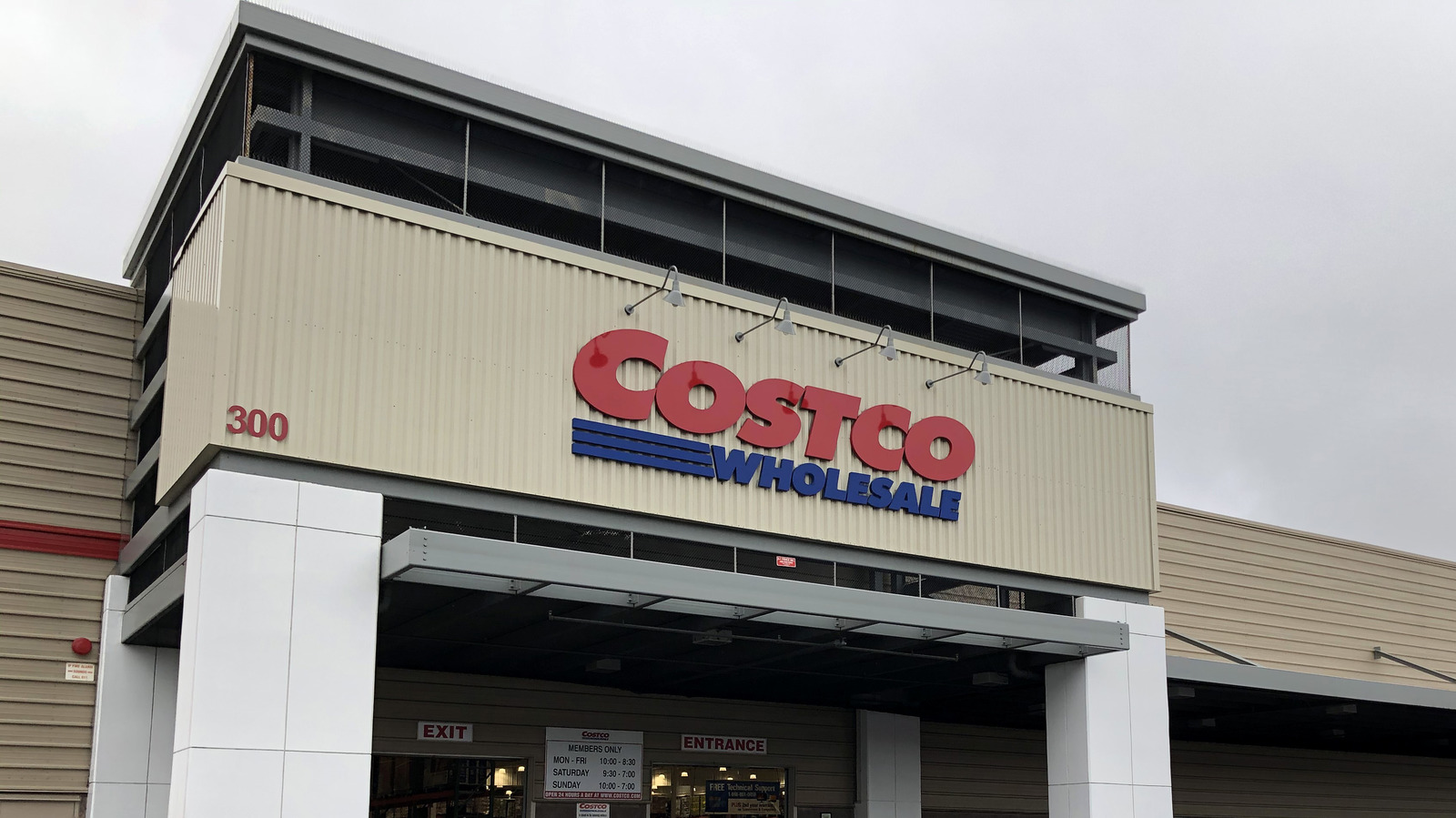
This intelligent approach to internationalization allowed Costco to establish dominance in various markets, leveraging its powerful purchasing capabilities and well-honed operational model. The consistent brand experience, whether in Seattle or Seoul, reinforced its global reputation for value and quality, allowing it to successfully penetrate diverse cultural and economic landscapes. The brand’s distinctive blue and red signage, vast warehouses, and efficient checkouts became recognizable symbols of smart shopping across continents.
The Lasting Legacy of the Founders’ Vision
The enduring success of Costco Wholesale Corporation is a direct reflection of the foundational vision laid by Sol Price, James Sinegal, and Jeffrey Brotman. Their initial strategies – the membership model, the focus on bulk value, the commitment to low overheads, and an ethical approach to business and employees – continue to define the company’s brand and operations today. Sinegal, in particular, famously maintained a humble office and a hands-on approach, embodying the brand’s no-frills, value-driven ethos.
This consistent adherence to its original brand principles has fostered unparalleled trust and loyalty among its members. Costco is not just a place to shop; for many, it’s a financial strategy, a reliable source of quality goods, and even a form of entertainment. The corporate identity is deeply intertwined with its operational practices, demonstrating that a strong brand is built not just on marketing campaigns, but on consistent delivery of its core promise. Costco stands as a powerful case study in how a brand, born from a commitment to efficiency and value, can scale globally while retaining its distinctive character and deep connection with its customer base.
In conclusion, understanding “where the first Costco was” reveals far more than a location; it uncovers the meticulously crafted brand strategy that transformed two pioneering ventures into a singular retail colossus. The journey from the inaugural Price Club in San Diego and the first Costco in Seattle to the global powerhouse of today is a testament to a brand built on foundational principles of value, quality, efficiency, and unwavering member loyalty. These principles, established at its very genesis, continue to shape its corporate identity, drive its marketing success, and solidify its unique and enduring position in the hearts and wallets of consumers worldwide. Costco’s story is a compelling narrative of how a clear vision, consistently executed, can build an iconic brand that not only survives but thrives for decades.
aViewFromTheCave is a participant in the Amazon Services LLC Associates Program, an affiliate advertising program designed to provide a means for sites to earn advertising fees by advertising and linking to Amazon.com. Amazon, the Amazon logo, AmazonSupply, and the AmazonSupply logo are trademarks of Amazon.com, Inc. or its affiliates. As an Amazon Associate we earn affiliate commissions from qualifying purchases.