
Costco Wholesale Corporation, often simply referred to as Costco, has established itself as a global retail giant synonymous with bulk buying and membership-exclusive access. The question “how much is Costco?” however, is far more multifaceted than a simple price tag. It delves into the financial commitment required from its members, the intrinsic value proposition for everyday consumers, and even the formidable market valuation of the corporation itself. From a financial perspective, understanding Costco involves dissecting membership tiers, evaluating the true savings on bulk purchases, appreciating its robust business model, and considering its standing as a publicly traded company. This article aims to provide a comprehensive financial analysis, offering insights for both current and prospective members, as well as those interested in the broader economic impact of this retail behemoth.
Unpacking the Membership: The Core Financial Commitment
At the heart of the Costco experience lies its membership model, a foundational element that dictates a consumer’s initial financial outlay. Unlike traditional retailers, access to Costco’s warehouses and most of its online offerings is predicated on an annual fee, a strategy that underpins much of the company’s profitability and customer loyalty.
Executive vs. Gold Star: A Breakdown of Tiers
Costco offers primarily two tiers of annual membership for individuals and businesses, each with distinct financial implications and benefits:
-
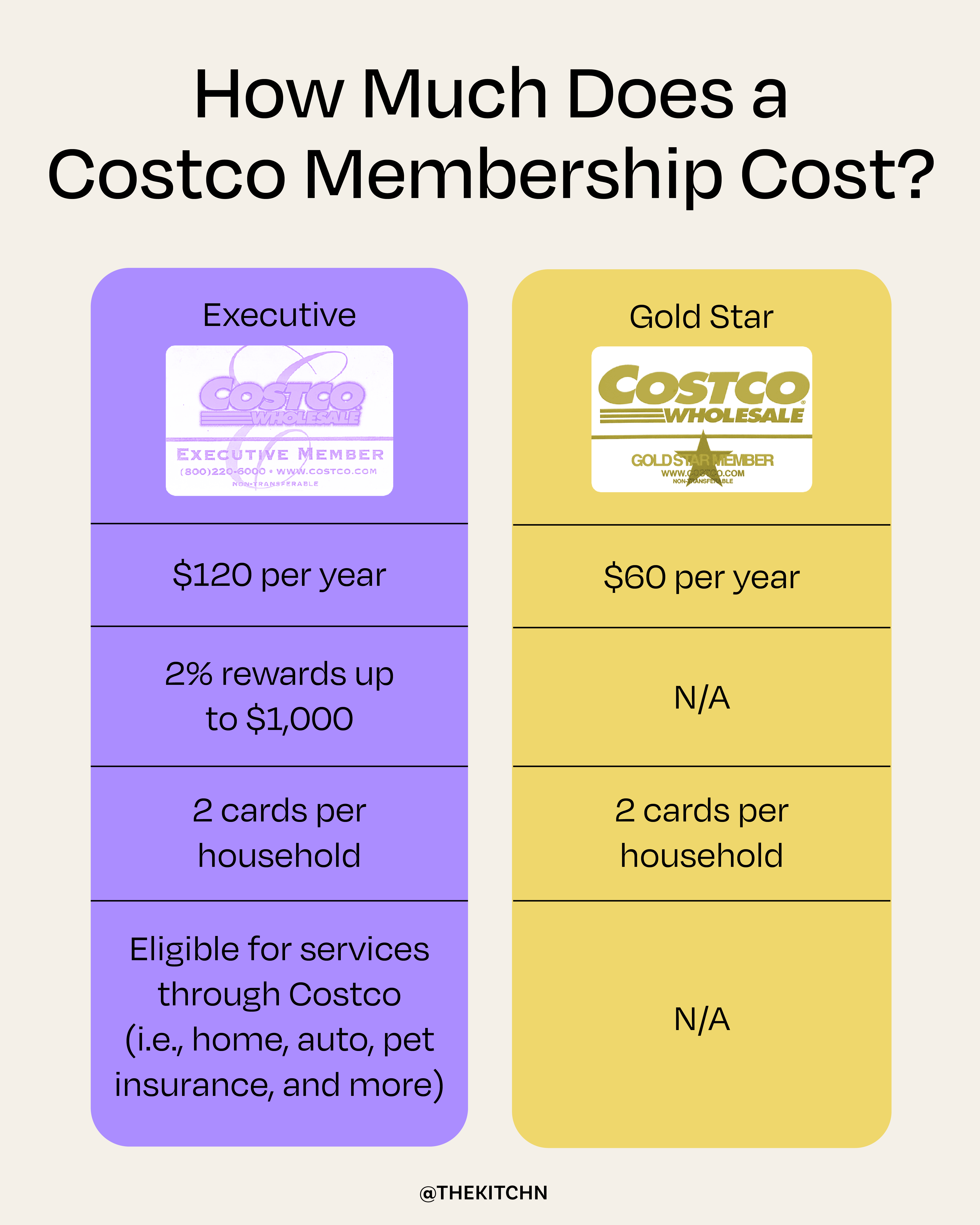
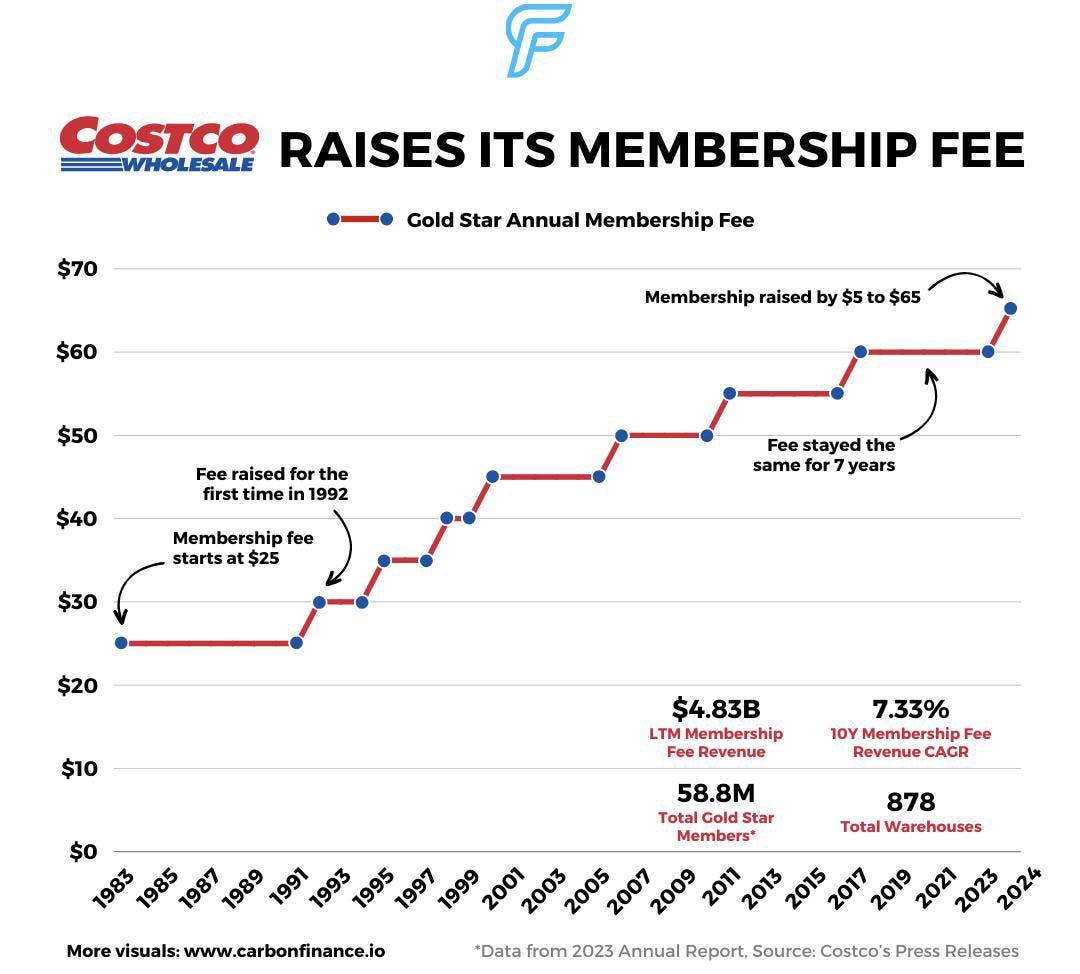
Gold Star Membership: This is the standard entry point, providing access to all Costco warehouses worldwide, as well as Costco.com. The annual fee for a Gold Star membership is generally in the range of $60. It’s designed for individuals and families who primarily seek the savings and convenience of bulk shopping without requiring additional perks. While seemingly a fixed cost, its financial viability depends entirely on the member’s spending habits and the value they extract from their purchases throughout the year.
-
Executive Membership: Positioned as the premium offering, the Executive Membership typically costs around $120 annually, double that of the Gold Star. The significant differentiator, and primary financial incentive, is the annual 2% reward on eligible Costco and Costco.com purchases. This reward is capped and issued annually as a certificate redeemable at Costco. Additionally, Executive members receive enhanced benefits on various Costco Services, such as travel, auto, and home insurance. For the discerning shopper, the financial calculation for an Executive membership is crucial: a household must spend approximately $3,000 annually at Costco for the 2% reward to offset the additional $60 cost of the Executive membership over the Gold Star. For those who exceed this threshold, the Executive tier effectively pays for itself and then provides a net financial return.
The choice between these tiers is a fundamental personal finance decision. It requires an honest assessment of one’s shopping volume and a realistic projection of annual spending to determine which option offers the best financial advantage.
Membership Benefits Beyond Savings: Exclusivity and Services
While direct monetary savings and rewards are compelling, the financial commitment to Costco also grants access to a suite of benefits that extend beyond the physical aisles. These services, often offered at competitive prices, can represent significant financial value. Costco’s gas stations, for example, frequently offer fuel at prices below local competitors, leading to tangible savings over time for regular drivers. The optical, pharmacy, and hearing aid departments are often cited for their competitive pricing on essential health-related services and products, presenting a cost-effective alternative to traditional providers. Furthermore, Costco Travel offers discounted vacation packages, cruises, and rental cars, potentially saving members hundreds or even thousands of dollars on travel expenses. These “soft” financial benefits, though not always immediately quantifiable on a balance sheet, contribute significantly to the overall value proposition of the membership. For many, the cumulative savings across these ancillary services alone can easily justify the annual fee, making the initial “cost” of Costco a sound financial investment in their household budget.
Beyond Membership: The True Value Proposition for Shoppers
The membership fee is merely the gatekeeper; the true financial value of Costco for the consumer lies in what happens after entering the warehouse. This involves a careful analysis of pricing, product quality, and the strategic advantages of bulk purchasing.
Bulk Savings vs. Unit Price: A Critical Financial Analysis
The core promise of Costco is savings through bulk purchasing. On many items, buying larger quantities can lead to a lower unit price compared to conventional supermarkets. This is particularly true for non-perishables, household staples, and certain perishable goods consumed quickly. For example, a family regularly purchasing paper towels, cleaning supplies, or pantry items might find substantial per-unit savings at Costco, translating into significant annual budget reductions.
However, a critical financial analysis requires more than just observing the sticker price. Consumers must consider:
- Waste: Is the bulk quantity genuinely consumed before spoilage or expiry? Food waste, even if purchased at a low unit price, negates savings and becomes a financial loss.
- Storage: Does the household have adequate storage space for large quantities? Overbuying can lead to clutter, inconvenience, and the potential for items to be forgotten and wasted.
- Price Comparisons: It’s essential to compare Costco’s unit prices with sales and promotions at other retailers. Sometimes, a competitor’s sale price on a smaller quantity can rival or even beat Costco’s bulk pricing, especially for items you don’t need in vast amounts. Savvy shoppers use unit price calculators and comparison apps to ensure they are indeed getting the best deal.
Quality and Selection: The Hidden Financial Perks
While cost-saving is paramount, Costco’s emphasis on quality also offers an indirect financial benefit. By curating a selection of reputable brands and often high-quality Kirkland Signature products, Costco aims to reduce the likelihood of “buyer’s remorse” or the need for frequent replacements. Investing in higher-quality, longer-lasting products, even if the initial outlay is slightly higher, can lead to long-term savings by reducing replacement frequency. For instance, quality kitchenware or durable apparel purchased at Costco may outlast cheaper alternatives, providing better value over its lifespan. The limited, curated selection also streamlines the shopping process, potentially saving time – which, for many, is an invaluable financial asset.
Ancillary Services: Fuel, Pharmacy, and Optical Savings
As mentioned, Costco’s non-merchandise services represent significant financial value. The fuel savings alone, for frequent drivers, can easily offset a portion of the membership fee. A household filling up twice a week and saving 10-20 cents per gallon can save $200-$400 annually, depending on vehicle and fuel prices. Similarly, prescription drug costs, often a major household expense, can be substantially lower at Costco’s pharmacies, even for non-members in some states for certain drugs. Optical services, including eye exams and prescription eyeglasses, are frequently priced below independent optometrists, offering another avenue for substantial savings on essential health services. These aggregated savings from various departments solidify the financial appeal of a Costco membership beyond just groceries and household goods.
Costco as an Investment: A Financial Powerhouse

Beyond the consumer’s perspective of “how much” they pay and save, “how much is Costco” also refers to the company’s formidable financial standing and its appeal to investors. Costco Wholesale Corporation (COST) is a publicly traded entity, representing a significant investment opportunity for those looking at the broader market.
Understanding Costco’s Stock (COST): A Glimpse for Investors
For investors, Costco’s stock (NYSE: COST) is often viewed as a stable, growth-oriented retail play. Its consistent revenue growth, strong brand loyalty driven by its membership model, and efficient supply chain operations contribute to its attractiveness. The company’s financial performance, including its revenue, net income, and earnings per share, are closely monitored by analysts. Its valuation, expressed through metrics like price-to-earnings (P/E) ratio and market capitalization, reflects investor confidence in its future profitability and ability to sustain its business model in a competitive retail landscape. Investing in Costco’s stock means buying a share of this powerful and resilient retail operation.
Business Model Strength: High Volume, Low Margin, Membership Fees
Costco’s financial strength stems from a brilliantly executed business model:
- High Volume, Low Margin on Merchandise: Unlike traditional retailers that rely heavily on product markups, Costco operates on very thin margins for its merchandise. This strategy drives high sales volume, passing savings directly to members and reinforcing the perception of value.
- Membership Fees as Profit Driver: The annual membership fees are a nearly pure profit center for Costco. These fees contribute significantly to the company’s bottom line and provide a stable, predictable revenue stream that largely insulates it from the volatility of merchandise sales margins. This recurring revenue model is a key differentiator and a major reason for its financial stability.
- Efficient Operations and Inventory Management: Costco excels at managing its inventory, often selling products directly from pallets to minimize handling costs. Its limited SKU count per category also simplifies logistics and reduces inventory risk, further bolstering its financial efficiency.
Financial Performance and Market Valuation
Costco consistently reports strong financial results. Its net sales have shown steady growth over the years, and its membership renewal rates typically hover around 90%, demonstrating incredible customer loyalty. This robust performance translates into a high market capitalization, placing Costco among the largest retailers globally. Its stock price reflects investor confidence in its ability to adapt to changing consumer behaviors, expand internationally, and continue leveraging its unique membership model. From an investor’s standpoint, Costco is “worth” a significant amount, representing a strong, resilient investment in the retail sector.
Maximizing Your Costco Value: Financial Strategies for Members
For individuals and families who have committed to a Costco membership, simply paying the fee isn’t enough to unlock its full financial potential. Strategic shopping and financial discipline are key to ensuring the “how much” paid translates into maximum “how much” saved.
Strategic Shopping: The Art of the Costco Run
To truly maximize savings, a Costco trip requires planning. This isn’t just a casual stroll through the aisles; it’s a strategic mission:
- Pre-Trip Planning and Inventory Check: Before heading to the warehouse, check your home inventory. What do you genuinely need in bulk? What’s running low? This prevents impulse buys of items you don’t need or can’t store.
- Shopping List Adherence: Stick to your list. The vast displays and tempting samples are designed to encourage additional purchases. Discipline is crucial to avoid budget overruns.
- Unit Price Awareness: Always calculate the unit price, especially for items where you might be comparing Costco to other stores. Don’t assume bulk is always cheaper.
- Shop with a Partner (for large items): Splitting larger bulk items, like gigantic packs of perishable goods, with another family or friend can reduce individual financial outlay and minimize waste.
Utilizing Executive Rewards and Credit Cards
For Executive members, actively tracking the 2% reward is essential. Ensure your annual spending is sufficient to make the upgrade worthwhile. Furthermore, consider leveraging a Costco Anywhere Visa Card by Citi. This card offers additional cash back rewards (e.g., 4% on eligible gas purchases, 3% on restaurants and travel, 2% on all other Costco purchases, and 1% on all other purchases). Combining the Executive membership 2% reward with the credit card’s 2% back on Costco purchases effectively yields a 4% return on most of your Costco spending, significantly enhancing your savings. However, like any credit card, it requires responsible use to avoid interest charges that would negate any rewards.
Avoiding Impulse Buys: Budgeting for Bulk
The sheer scale of Costco warehouses and the compelling product displays can lead to significant impulse spending. A jumbo-sized bag of chips or an appealing new gadget might seem like a good deal, but if it wasn’t on your list and doesn’t fit your budget or needs, it represents wasted money. Incorporating Costco spending into your regular household budget is crucial. Treat it as a category where you allocate a specific amount, and strive to stay within those limits. This financial discipline ensures that your Costco trips are an asset to your personal finance, not a drain.
The Broader Economic Footprint: Costco’s Impact and Future
Beyond individual and corporate finance, Costco’s operations “how much” affect the broader economy, influencing retail trends, consumer spending patterns, and employment. Its continued success speaks to a powerful economic model with significant implications for the future of retail.
Impact on Retail Landscape and Consumer Spending
Costco’s model has forced competitors to innovate and offer better value. Its consistent low prices on key staples put pressure on supermarkets and general merchandise stores to remain competitive, ultimately benefiting the consumer through potentially lower prices across the board. The warehouse club model also influences consumer spending habits, encouraging larger, less frequent shopping trips and potentially shifting spending away from smaller, local retailers towards bulk purchasing. This concentration of purchasing power impacts supply chains, packaging standards, and even the types of products manufacturers prioritize for the mass market.
Future Financial Outlook and Growth Potential
Costco’s financial outlook remains strong, buoyed by its resilient membership model, global expansion initiatives, and ability to adapt to evolving consumer preferences (e.g., increased focus on organic and fresh foods). The company continues to open new warehouses both domestically and internationally, tapping into new markets and growing its membership base. Its investment in e-commerce, while not as prominent as its brick-and-mortar presence, also signals an awareness of future retail trends and a commitment to omnichannel growth. The enduring appeal of value, quality, and a unique shopping experience positions Costco for continued financial success and makes its “worth” in the market likely to appreciate further.
In conclusion, “how much is Costco?” is a question with layered answers. For the consumer, it’s the cost of entry balanced against tangible and intangible savings. For the investor, it’s the valuation of a highly successful and robust business model. And for the broader economy, it’s a significant player shaping retail and consumer behavior. Understanding these dimensions provides a comprehensive financial perspective on one of the world’s most compelling retail stories.
aViewFromTheCave is a participant in the Amazon Services LLC Associates Program, an affiliate advertising program designed to provide a means for sites to earn advertising fees by advertising and linking to Amazon.com. Amazon, the Amazon logo, AmazonSupply, and the AmazonSupply logo are trademarks of Amazon.com, Inc. or its affiliates. As an Amazon Associate we earn affiliate commissions from qualifying purchases.